Economic
Government bonds tumble amidst foreign reserve depletion
Sri Lanka is facing foreign reserve depletion with the repayment of USD 400 billion currency swap with India and no sign of impending foreign funding, eminent economic experts claimed.
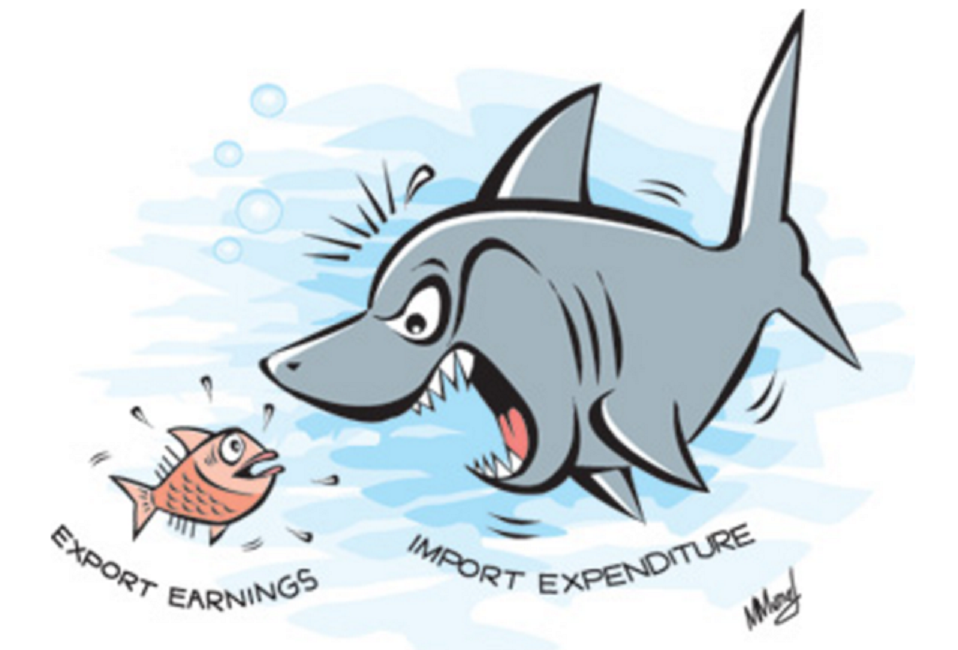
Balance of payment crisis looms over Sri Lanka
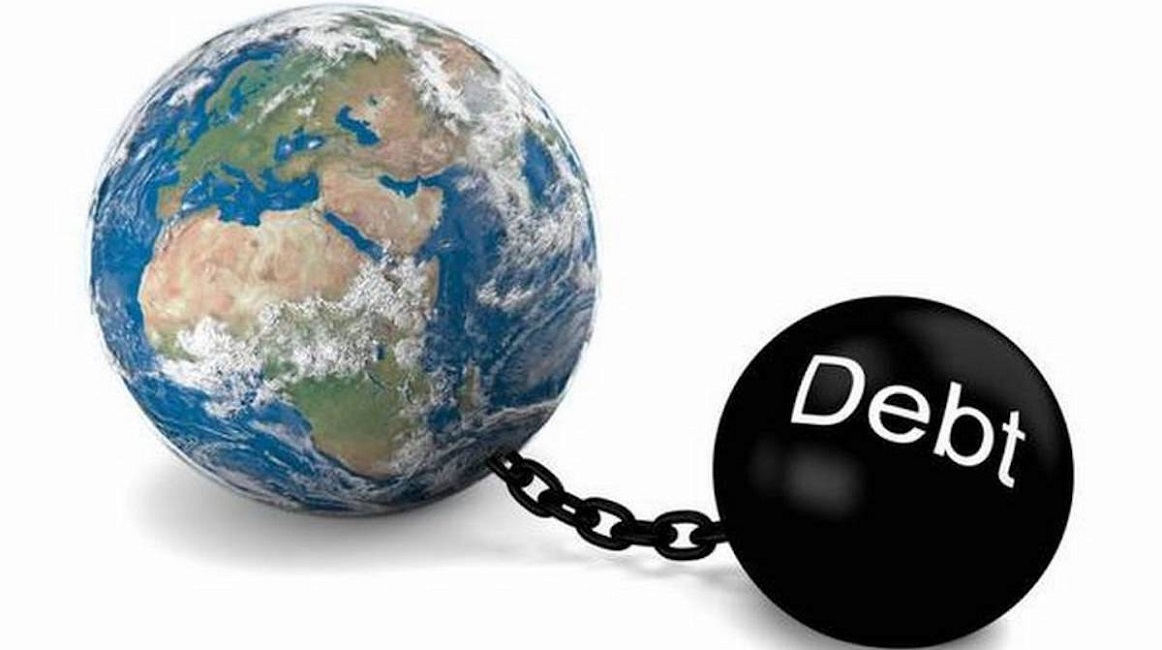
Sri Lanka’s foreign debt crisis could get critical in 2021
By Umesh Muramudali
Sri Lanka’s foreign debt troubles are not new and have often been juxtaposed with concerns over defaulting debt and Chinese debt trap controversies.
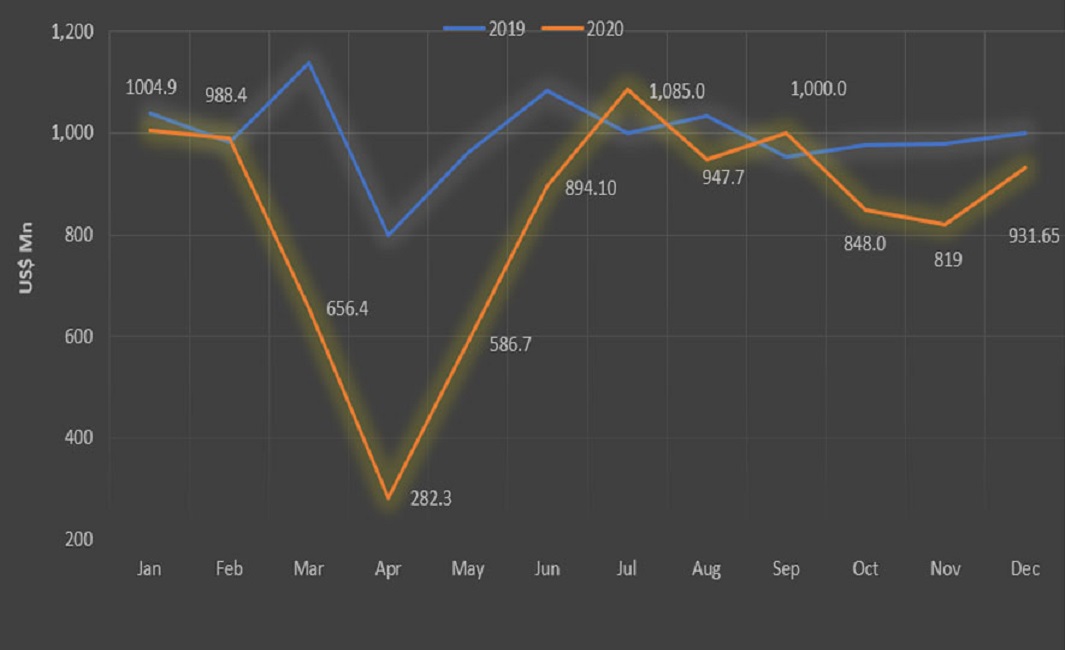
Sri Lanka's exports reach nearly USD 10 billion amidst a surging pandemic: EDB
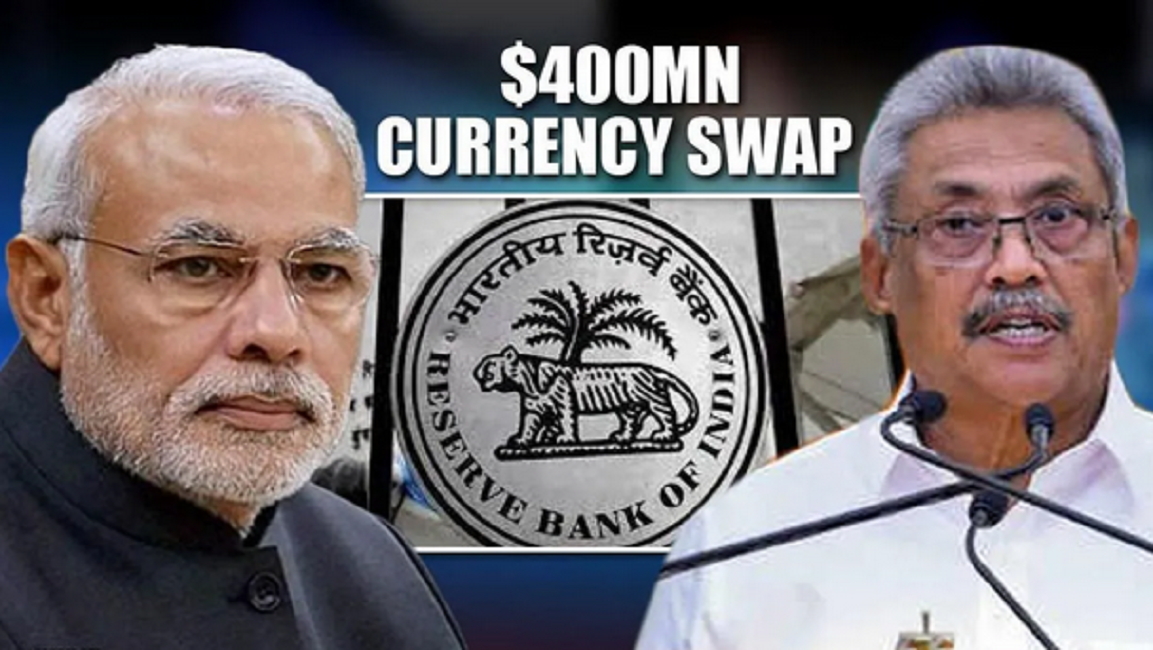
Sri Lanka settles its currency swap facility with India amid dwindling forex reserves
Without considering the dwindling the foreign reserves of the country, Sri Lanka has settled its currency swap facility with the Reserve Bank of India (RBI) as scheduled, the Central Bank of Sri Lanka (CBSL) announced today (05).

Sri Lanka to get Chinese and Indian swap facilities within weeks
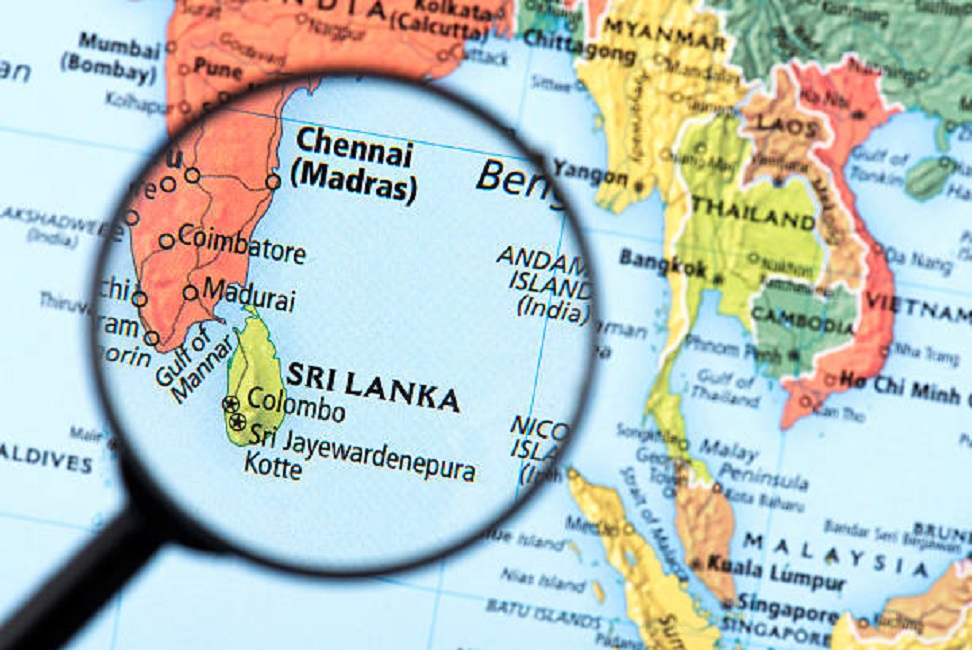
Government enters into 41 foreign financing agreements
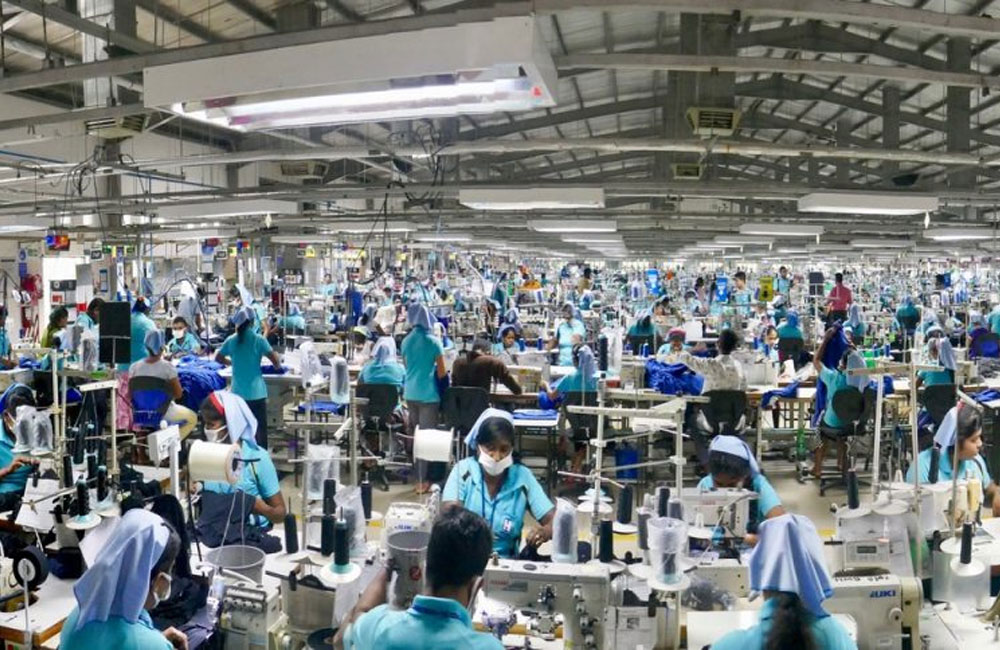
Manufacturing and service sectors rebound strongly
This was mainly attributable to the increases observed in production, new orders, employment, and stock of purchase in the manufacturing sector while services also continued to recover led by the expansions observed in new businesses, business activities, backlogs of work and expectations for activity.
The Purchasing Managers Index compiled by the Central Bank showed that the employment sub sector has also increased during the month of December 2020.
Some respondents in the manufacture of food and beverages, textiles and wearing apparel sectors highlighted that they could better utilise employees amidst improved factory operations with increased demand.
The Stock of Purchases sub-index increased significantly in line with the expansion in New Orders and Production, as well as with the intended accumulation of stocks anticipating supply chain disruptions in coming months, particularly due to upcoming Chinese New Year holidays.
Many manufacturers mentioned that their shipments were rescheduled, causing considerable delays in arrival/clearance of required materials, mainly due to the continuous delays at the Port of Colombo.
Expectations for manufacturing activities in the next three months improved further with the expectation for the normalisation of economic activities within the country as well as in major export markets.
Business activities in the services sector increased in December 2020 after declining for two consecutive months.
Further, business activities in transportation, and wholesale and retail trade sub-sectors expanded owing to relaxation of travel restrictions to some extent during December 2020.
Moreover, financial services and other personal services sub-sectors also experienced an increase in activities in December 2020.
Govt. exceeds borrowing limits increasing per capita debts
The Vote on Account, passed in October last year, allows the government only to borrow up to LKR 720 billion during this period. However, Verite Research said that the government has borrowed up to LKR 841 billion between January and April last year.
In terms of the Fiscal Management (Responsibility) Act, No.3 of 2003 as amended by the Fiscal Management (Responsibility) (Amendment) Act, No.15 of 2013, the maximum value of liability as at the end of a particular year shall not exceed 80% of the estimated Gross Domestic Product.
According to financial statements of the government presented to audit, the said restrictions had been complied with.
However, in auditing the financial statements of the year 2019, taking into consideration the liabilities of LKR 1,035 billion as foreign borrowings, treasury bonds and liabilities relating to various public enterprises which had been accounted outside the statement of financial position.
The Central Bank advances and bank overdrafts, the total liability of the Government had been LKR 13,493 billion audit inspection revealed.
It had represented 86.49% of the Gross Domestic Product of the year 2019. As such, the maximum restriction of liabilities cited in the Fiscal Management (Responsibility) Act had been exceeded.
In comparison to the total public debt with the mid year population, the per capita debt was LKR 264,824 as at 31 December 2012 and it had increased up to LKR 558,999 by 31 December 2019.
Moreover, as compared with the per capita debt of LKR 520,364 as at 31 December 2018, it had increased by LKR 38,635 representing 7.42%.
Meanwhile, the per capita debt was LKR 264,824 as at 31 December 2012 and it had increased up to LKR 558,999 by 31 December 2019 in comparison to the total public debt with the mid-year population.
IMF offers options for Sri Lanka to continue EFF
The Fund stands ready to discuss all options of engagement with Sri Lanka, including financial support, if requested by the authorities. The preconditions for financial support are the same as for any other member, Masahiro Nozaki, IMF mission chief for Sri Lanka said.
In an email response to a request for comments on the present stand of the IMF, he noted that they continue to engage with the Sri Lankan authorities and are considering the full set of options for engagement.
The continuation of the EFF policy reform programme will increase the prospects of improving the sovereign rating, a senior economist who has in-depth knowledge in dealing with the IMF in the past added. He added that in this case, a successful restructuring would be difficult and costly.
He pointed out that the government will be compelled to engage with the IMF to execute the restructuring. If no new IMF and private sector credit comes in, gross reserves would fall to about USD 3.7 billion by the end of 2021, he predicted.
The USD 1.5 billion EFF arrangement approved in 2016 expired on June 2, 2020. Given that the final review under the arrangement was not completed, Sri Lanka could not avail of the last disbursement under the EFF, amounting to SDR 118.550 million equivalent to around USD 200 million.
Disbursements under any Fund arrangement can only be made during the period between the date of its approval by the IMF Board and its expiration date, IMF mission chief Masahiro Nozaki said.
Therefore at this point, for Sri Lanka to access any additional Fund resources, the IMF Board approval of a new arrangement would be needed, he disclosed.
In April 2020, IMF received a request from the Sri Lankan authorities for emergency financial support under the Rapid Financing Instrument (RFI).
Assessing relevant conditions for the RFI has taken longer than for other countries, due to Sri Lanka’s daunting economic challenges, high public debt, and Parliamentary elections in August. The RFI request remains in place, Mr. Nozaki pointed out.
“We have sought but not reached understanding yet on how to fulfill key requirements for the RFI, which include policies to continue ensuring debt sustainability”, he said.
"The authorities have a range of options to ensure debt sustainability and the IMF stands ready to discuss all options with the authorities," he assured.
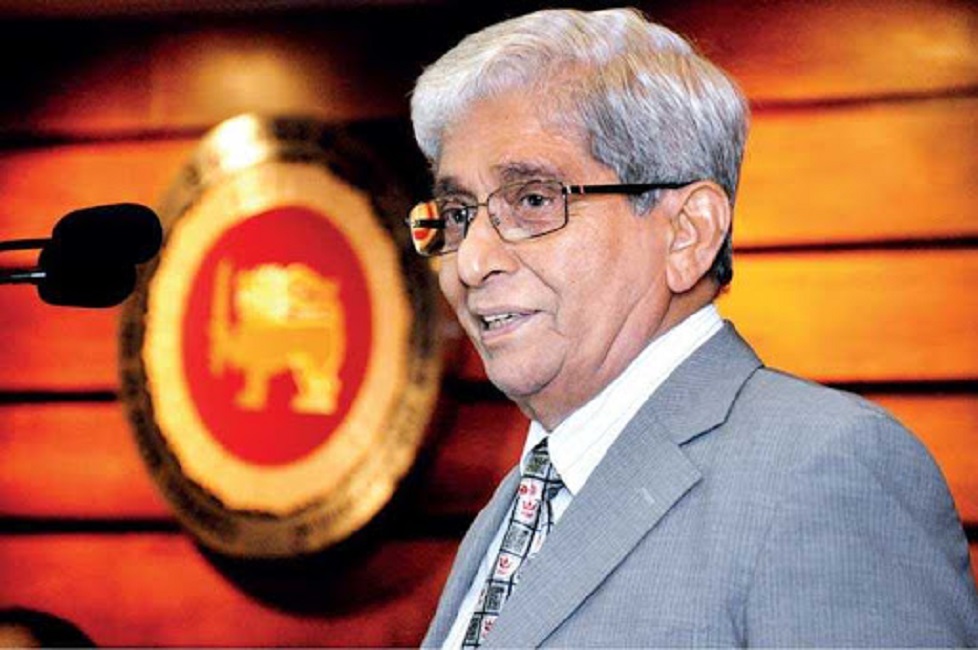
Sri Lanka sees strong economic rebound this year: CBSL Governor
Sri Lanka’s economic growth is likely to ‘strongly rebound’ in 2021 to around 5 to 6 per cent even amidst the Covid-19 pandemic-related disruptions continuing to take a toll on the island nation’s fragile economy, Central Bank Governor Prof. W.D. Lakshman said.

Sri Lanka’s economy hemmed in by COVID-19 and geopolitical tensions
The unprecedented disruptions of COVID-19 are causing a geopolitical reset — and as the global order is redrawn, small emerging market economies like Sri Lanka are vulnerable to the fallout. Sri Lanka straddles vital shipping routes and is at the centre of diplomatic spats between China and the United States, who called on Sri Lanka to make ‘difficult but necessary choices’ over its growing economic and political ties to China.
In December 2020, a US grant offer of US$ 480 million under its Millennium Challenge Corporation was withdrawn and any further assistance under the US Coronavirus Aid, Relief, and Economic Security Act has been made conditional on Sri Lanka containing China’s influence. China in turn denounced what it considers as US pressure on countries ‘to pick sides’. The challenges are many for Sri Lanka’s newly elected government to sidestep global rivalries and maintain its stated stance of a neutral foreign policy.
The economic fallout of the COVID-19 pandemic is not helping. Sri Lanka’s economy was already weak, weighed down by persistently low growth averaging under 3 per cent, high public debt nearing 90 per cent of GDP and large fiscal deficits of near 7 per cent of GDP at the end of 2019. With foreign debt settlements averaging US$4 billion per year due in 2020–2023 — primarily in the form of international sovereign bonds — Sri Lanka’s ability to implement fiscal and monetary stimulus, without generating further macroeconomic imbalances, is severely constrained.
Sri Lanka had early success in battling COVID-19, recording only 3000 cases and 11 deaths by the end of September 2020. This helped to revive economic activities. But a second and more severe wave of infections has seen those numbers spike sharply to over 43,000 infections and 204 deaths as the year drew to an end.
Dealing with Sri Lanka’s foreign debt settlements remains the most critical priority for now. Despite sovereign credit rating downgrades, the government remains confident of meeting all repayments without resorting to a conditional arrangement with the International Monetary Fund. This is in keeping with the government’s stated intentions of moving away from foreign loans to foreign investment, with the latter already earmarked to raise an estimated US$2.5 billion in 2021. For Sri Lanka’s debt-burdened economy, the strategy makes good sense. Yet it will also pose fresh challenges in dealing with rivalries closer to home, such as that between China and India.
While the Chinese debt trap narrative can be disabused, China does remain Sri Lanka’s largest bilateral creditor, owning 9.6 per cent of total outstanding foreign debt at the end of 2019. India’s share is a much smaller 2.4 per cent. Sri Lanka made an early appeal to both countries to provide debt relief and hard currency to shore up its foreign exchange reserves. China and India responded swiftly and positively — China granted a US$500 million loan top up and India provided a US$400 million swap arrangement. Sri Lanka is reportedly seeking an additional US$2.5 billion swap funding from both.
Such assistance will not be devoid of China and India’s competing interests. Sri Lanka will have to look at its past missteps in balancing their regional interests and avoid a repeat. Indeed, China’s pervading presence and India’s response to it is acknowledged by Sri Lankan Prime Minister Mahinda Rajapaksa himself as a key factor behind his unexpected presidential election defeat in 2015.
This time around, Sri Lanka is emphasising an Asia-centric outlook in its political, economic and strategic positioning. Tellingly, it also assures an ‘India first’ strategic and security policy within this realignment. How it will work in the harsh light of Sri Lanka’s economic reality is yet to be determined.
For now, Chinese investments into Sri Lanka are speeding ahead. The China Harbour Engineering Company (CHEC) that built the Colombo Port City signed its first US$1 billion agreement in December 2020. This was on the back of approval to set up a US$300 million Chinese tire factory in close proximity to the Hambantota Port. At the same time, a decision on whether India will be allowed to operate a terminal at the Port of Colombo that the previous government had agreed to is still pending, despite a recent high level visit by the External Affairs Minister.
Balancing these tensions and trade-offs will test Sri Lanka’s political and diplomatic skills. Fresh hostilities between China and India on renewed border conflicts, India’s decision to withdraw from the Regional Comprehensive Economic Partnership negotiations — which China played a leading role in — and rising battles over technology all point to a hardening geopolitical stand-off. In this environment of escalating big power rivalries and unrelenting pressure on the economy from COVID-19, 2021 promises to be yet another testing year for Sri Lanka. This is particularly so as the global economy and international power relations are being reset in fundamental ways.
*Dushni Weerakoon is the Executive Director and Head of Macroeconomic Policy Research at the Institute of Policy Studies of Sri Lanka.
Page 7 of 23