Economic
ADB Injects $100 Million to Bolster Sri Lanka’s Economic Recovery”
The Asian Development Bank (ADB) has approved a US$100 million financing package to help Sri Lanka consolidate its fragile economic recovery and strengthen fiscal stability after the worst financial crisis in the nation’s post-independence history.
The funding, which complements ongoing support under the IMF-led reform program, is aimed at improving fiscal governance, enhancing revenue collection, and encouraging private sector participation three pillars seen as essential to sustain the country’s long-term recovery.
Announcing the initiative, ADB Country Director for Sri Lanka Takafumi Kadono said the country had made “commendable progress in restoring fiscal and debt sustainability” following its 2022 economic collapse. “We will work closely with the government to promote inclusive, sustainable growth by strengthening fiscal governance and building a more efficient, accountable, and resilient public sector,” he added.
Strengthening Fiscal and Revenue Systems
The new ADB-backed program will focus on streamlining public expenditure to ensure better use of limited state resources. This includes digitalizing and reforming budgetary processes, reducing waste, and introducing stronger audit and monitoring systems to make public spending more transparent and efficient.
On the revenue side, Sri Lanka will receive support to strengthen domestic and international tax compliance through a multi-year tax improvement strategy. The program will also build on the country’s recent entry into the Global Forum on Transparency and Exchange of Information for Tax Purposes, helping authorities track cross-border tax evasion and broaden the revenue base.
Kadono noted that strengthening tax administration is vital for Sri Lanka to reduce reliance on borrowing. “Sustainable revenue growth is the backbone of long-term fiscal discipline,” he emphasized.
Empowering the Private Sector and SOEs
ADB’s program also targets the creation of a predictable investment climate by developing a new legal framework for public private partnerships (PPPs) that aligns with international best practices. This framework is expected to attract private investment into infrastructure and public services while reducing the financial burden on the state.
Moreover, the initiative will strengthen state-owned enterprise (SOE) oversight by introducing a credit risk framework and specialized monitoring units steps that aim to increase accountability and reduce fiscal risks posed by loss-making SOEs.
Climate and Gender Focus
The ADB package introduces first-time reforms such as a Fiscal Risk Statement and a national climate finance strategy to mobilize green investment. It also embeds gender-sensitive budgeting and reforms in public procurement to make national development both inclusive and equitable.
A Long Road to Stability
Economists view the ADB’s latest package as timely, given Sri Lanka’s ongoing challenges in debt restructuring, foreign reserve buildup, and fiscal reforms. While macroeconomic indicators have improved since 2023, sustained external support and disciplined policy implementation will be key to ensuring recovery translates into broad-based growth.
Founded in 1966, the Asian Development Bank, owned by 69 member countries, remains one of Sri Lanka’s most consistent development partners. With this latest initiative, ADB signals its continued confidence in Sri Lanka’s reform path one aimed at transforming fiscal resilience into real economic opportunity
External Strength, Internal Weakness: Can Sri Lanka Avert Another FX Crisis?
Sri Lanka’s external sector appears resilient on the surface, but the underlying trends reveal a fragile balance that could unravel if poor governance and short-sighted policies persist.
Despite Central Bank data showing a year-to-date current account surplus and steady foreign reserves, growing import pressure, weak investment flows, and policy complacency threaten to derail the country’s 2025 foreign reserve target and potentially trigger another foreign exchange crisis.
During the first nine months of 2025, Sri Lanka’s current account recorded a surplus of 1.9 billion US dollars, an improvement of 29 percent from the same period last year.
The gain was mainly driven by stronger exports, a recovery in tourism, and a sharp rise in worker remittances. However, this momentum took a concerning turn in September when the country posted its first current account deficit of the year 183 million US dollars caused largely by surging vehicle imports.
Merchandise imports jumped by 24.5 percent year-on-year in September to reach 2.05 billion US dollars, while exports grew at a slower pace of 12.5 percent to 1.13 billion US dollars.
The result was a sharp widening of the trade deficit to 910 million US dollars, compared with 634 million US dollars a year earlier.
The Central Bank attributed this deterioration mainly to the sudden spike in vehicle imports, which totalled 286 million US dollars for the month and a staggering 1.2 billion US dollars during the first nine months of 2025.
Remittance inflows have been a critical stabilising factor. In September alone, remittances rose by 25 percent from a year earlier to 696 million US dollars, with the cumulative figure for the nine-month period reaching 5.8 billion US dollars, up 20 percent year-on-year.
Tourism too has contributed modestly to external inflows, bringing in 1.8 billion US dollars in September and 2.47 billion US dollars for the nine months, a 5.3 percent increase from the previous year. The services sector, although posting a mild 6 percent decline in September, maintained a moderate gain overall with total inflows of 2.85 billion US dollars.
These foreign inflows, combined with the Central Bank’s cautious management of external debt obligations, have kept gross official reserves at about 6.2 billion US dollars by end-September, including the currency swap arrangement with the People’s Bank of China.
Yet, beneath this stability, there are troubling signs. Foreign investors continued to exit the Colombo Stock Exchange, while inflows into government securities remained limited, reflecting persistent doubts about policy consistency and fiscal transparency.
Economists warn that the apparent strength of the external sector masks deep structural weaknesses.
The re-emergence of a trade deficit, a 3.9 percent depreciation of the rupee by end-October, and a surge in luxury imports point to familiar patterns that preceded the 2022 foreign exchange crisis. Many analysts argue that the government’s amateur handling of trade policy and its failure to maintain consistent macroeconomic discipline could once again leave the economy exposed to external shocks.
To prevent a repeat of past crises, Sri Lanka must treat the current external stability as an opportunity to build real resilience. This means curbing non-essential imports, improving export competitiveness, ensuring transparent fiscal management, and restoring investor confidence through predictable policies. Without such measures, the country’s fragile surplus could rapidly erode, leaving reserves vulnerable to another depletion cycle.
Sri Lanka’s external sector may look stable today, but complacency could turn that strength into illusion. The government must act decisively, not rhetorically, to consolidate its foreign reserves and protect the economy from sliding back into a familiar and costly foreign exchange crisis.

Para-Tariff Promises Broken: Sri Lanka Stalls on Trade Reforms
Despite repeated pledges to abolish para-tariffs and streamline import duties, Sri Lanka has yet to fulfil its commitments a delay that risks damaging its credibility with global partners, including the United States.
Treasury’s Proposed Duty Structure
Treasury Secretary Harshana Suriyapperuma recently reiterated that the introduction of a new 30 percent duty band added to the existing 0, 10, 15 and 30 percent rates was not meant to raise extra revenue but to replace multiple para-tariffs such as the CESS, PAL and SCL with a more transparent and globally consistent structure.
“This particular exercise is to harmonize ourselves with the region and with global approaches on how duties are being charged, doing away with para-tariffs,” Suriyapperuma explained at a post-budget seminar. “We consider it more or less revenue-neutral not targeting additional revenue but integrating better with the global economy.”
Lack of Implementation Timeline
However, nearly a year after the proposal, the government has yet to announce a clear timetable or publish the findings of the Cabinet-approved committee reviewing existing trade agreements. While Suriyapperuma hinted that implementation may begin in the first quarter of 2026, no concrete steps or deadlines have been disclosed, leaving local industries, exporters, and international observers uncertain about the pace and direction of reform.
Economic Context and Risks
The lack of transparency comes at a time when the economy shows fragile signs of recovery. According to the Central Bank of Sri Lanka (CBSL), the country recorded 4.8 percent GDP growth in the first quarter of 2025, but momentum has slowed, with full-year growth now projected at around 4.5 percent. Inflation remains relatively subdued, and foreign reserves stood near US $6 billion by mid-2025 a modest cushion for an import-dependent economy still managing debt restructuring pressures.
Impacts of Para-Tariffs
Economists warn that the failure to phase out para-tariffs could weaken competitiveness and discourage exports. These levies have long distorted pricing, inflated costs for consumers, and protected inefficient domestic lobbies that thrive under import substitution rather than innovation.
Unless Sri Lanka swiftly implements its para-tariff reforms with a clear, publicly disclosed schedule and transparent data, its integration with global markets and its credibility with trade partners will remain in doubt. The rhetoric of reform must now give way to action.
Advocata's call for reform: 5 key policy fixes for 2026 Budget
The Advocata Institute's comprehensive policy proposals for the 2026 Budget outline a critical reform agenda aimed at enhancing fiscal sustainability, fostering competition, and driving inclusive economic growth.
These proposals address systemic issues across key sectors, advocating for modernization and performance-based governance:
-
Tax Reform in the Port City: Advocata recommends replacing the existing generous Corporate Income Tax (CIT) and Personal Income Tax (PIT) exemptions offered to Port City Business Entities and employees with Tax Credits. This shift utilizes tax credits as a targeted, performance-based tool, tying incentives directly to measurable outcomes such as verifiable job creation and capital commitment, thereby attracting investment while protecting essential public revenue.
-
Accelerating Land Titling (Bim Saviya): The report calls for the acceleration and reform of the Bim Saviya program, which has stagnated for 25 years. Accelerating this process—which converts the deed-based system into a state-guaranteed title system—is essential to unlock billions in “dead capital” and strengthen governance. Clear titles are crucial, as secure property rights underpin investment and could increase access to finance by 25–30 percent in comparable economies.
-
Phasing Out Para-Tariffs: To dismantle protectionist barriers and enhance competition in tradable sectors, Advocata urges the government to accelerate the phased elimination of para-tariffs, specifically the Cess and the Port and Airport Levy (PAL). This reform is crucial for promoting efficiency, reducing trade costs, and re-establishing the economy's connection to global markets.
-
Modernizing Social Security: A three-pillar reform strategy is proposed to transform Sri Lanka's outdated and fiscally unsustainable social protection system. Key steps include: transforming the EPF into a competitive, multi-fund superannuation model; introducing a contributory pension scheme for public sector employees; and establishing a joint contributory Unemployment Insurance Fund to provide a safety net for workers.
-
Enacting Plant Variety Protection: To address the stagnation in agricultural productivity, the Institute recommends drafting and enacting a Plant Variety Protection Act (breeder rights legislation). This intellectual property protection would incentivize the private sector to recover research costs and develop urgently needed productive and climate-resilient seed varieties.
Read full report here

Leasing Boom Turns Debt Trap: Central Bank Curbs Vehicle Loans amid Rising NPLs
Sri Lanka’s post-crisis appetite for vehicles is surging again and so is the country’s dependence on leasing and hire-purchase facilities. But as more buyers rush to finance their dream cars and commercial fleets through banks and finance companies, an old problem is resurfacing: a ballooning pile of debt that could soon burden the financial sector with another wave of non-performing loans (NPLs).
Rising imports show consumer optimism — and credit dependency
Between January and May 2025, Sri Lanka imported around US $312 million worth of vehicles, with April alone accounting for US $107 million, according to Central Bank data. The value of import letters of credit opened for vehicles has also skyrocketed to US $1.2 billion, signaling the reopening of a once-frozen market. But while these numbers highlight consumer optimism, they also reveal a dangerous overreliance on credit in a fragile economy still recovering from the 2022 financial collapse.
Finance firms heavily exposed to vehicle loans
Finance and leasing companies, which remain the main gateway for vehicle ownership, are now carrying significant exposure to this lending segment. Past studies show that more than half of all lending by finance firms is tied to vehicle loans, and the NPL ratio in the non-bank financial sector has already risen to 17.5 percent, up from 13.9 percent just two years earlier. Analysts warn that unless the trend is controlled, finance companies could face major challenges in collecting dues as incomes remain under pressure and the rupee continues to fluctuate.
To address these emerging risks, the Central Bank of Sri Lanka (CBSL) has tightened its Loan-to-Value (LTV) regulations, reducing the amount customers can borrow against a vehicle. Effective from November 8, 2025, loans for commercial vehicles have been capped at 70 percent of the vehicle’s value, down from 80 percent. For motor cars, vans, and SUVs, the limit has been cut to 50 percent from 60 percent, while three-wheelers remain at 50 percent. The cap for all other vehicles has also been reduced from 70 percent to 50 percent.
According to CBSL officials, these new restrictions are meant to strengthen financial discipline, prevent overexposure to risky vehicle loans, and help manage the balance of payments. By forcing buyers to contribute a higher down payment, regulators hope to create a more stable lending environment and reduce the likelihood of mass defaults. The move could also discourage unnecessary imports and reduce pressure on the rupee.
Possible Negative Impact on Market Demand
However, the tighter credit rules come with their own drawbacks. The new limits are likely to dampen vehicle demand, especially among small businesses and middle-income buyers who depend heavily on leasing. Finance companies could see reduced growth in their loan portfolios and lower profits, while consumers may turn to informal lenders or multiple small loans to bridge the funding gap a shift that could actually heighten financial risk rather than contain it.
Experts Call for Additional Safeguards
Economists caution that while the Central Bank’s LTV policy is a step in the right direction, it must be complemented by stronger borrower assessments, realistic vehicle valuations, and improved recovery mechanisms. Without such safeguards, Sri Lanka’s leasing boom could quickly turn into another debt trap, burdening finance companies with bad loans and threatening broader financial stability.
For now, the message from the regulator is clear: drive responsibly financially and otherwise.
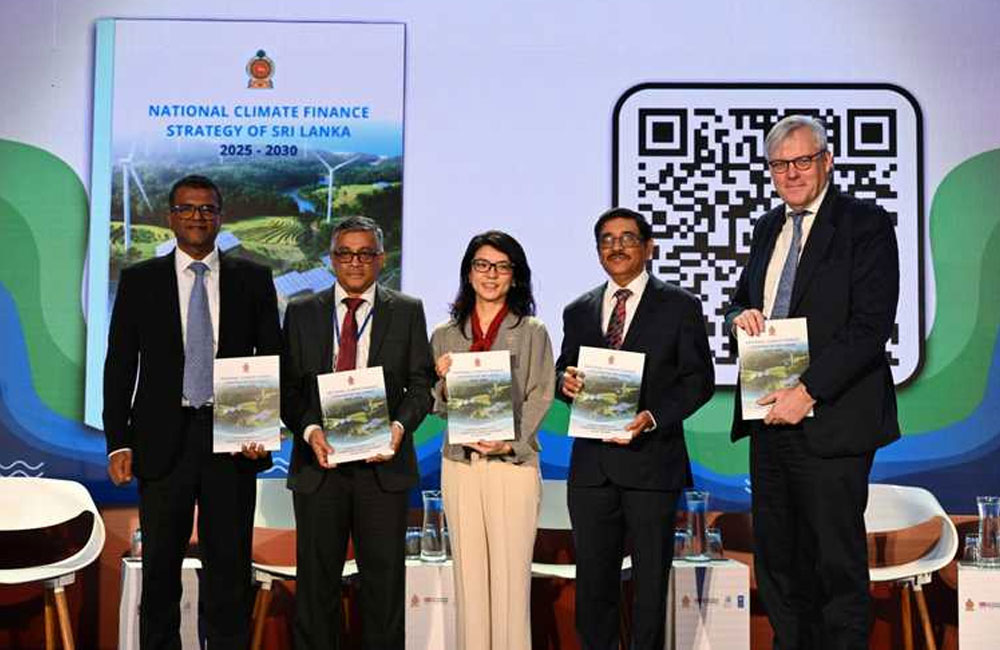
Sri Lanka to Raise $11.2B via Green, Blue Bonds
Sri Lanka plans to mobilise nearly US$11.26 billion through Sovereign Green, Blue, and Sustainability-Linked Bonds by 2030, under the newly launched National Climate Finance Strategy (NCFS) 2025–2030, aimed at funding renewable energy, biodiversity conservation, and climate adaptation projects aligned with its 2050 carbon neutrality goal.
Developed with support from the UK Government and UNDP, the NCFS lays out a roadmap to make Sri Lanka a regional hub for sustainable finance. The Finance Ministry has already prepared a Sovereign Green and Blue Bond Framework and enlisted an international rating agency to ensure compliance with global green bond standards through a second-party review.
The strategy’s financial instruments Green Bonds, Blue Bonds, and Sustainability-Linked Bonds—each target specific sustainability outcomes. Green Bonds finance renewable energy, waste management, and afforestation. Blue Bonds focus on ocean conservation and sustainable fisheries. Sustainability-Linked Bonds, meanwhile, tie borrowing costs to measurable environmental performance, incentivising policy consistency and transparency.
Advantages of these instruments include access to lower-cost capital, improved sovereign credit reputation, and attraction of foreign climate-focused investors. They also signal policy continuity and accountability, which are crucial for investor confidence. The oversubscription of recent Green Bond issues indicates growing domestic investor interest, including from the private sector and retail participants.
However, there are risks and challenges. Experts note that managing transparency, reporting standards, and credible project pipelines is vital to avoid “greenwashing.” Ensuring funds are used exclusively for verified environmental outcomes will require robust monitoring and third-party audits. The country must also strengthen its institutional capacity to manage complex bond issuances and meet investor expectations in a volatile economic environment.
The NCFS’s phased implementation plan includes creating a sustainable bond framework, enhancing capacity building, developing climate-friendly projects, and establishing transparent reporting systems. It also proposes public-private partnerships, disaster risk insurance, and ESG-based swaps for sectors such as energy, water, and agriculture.
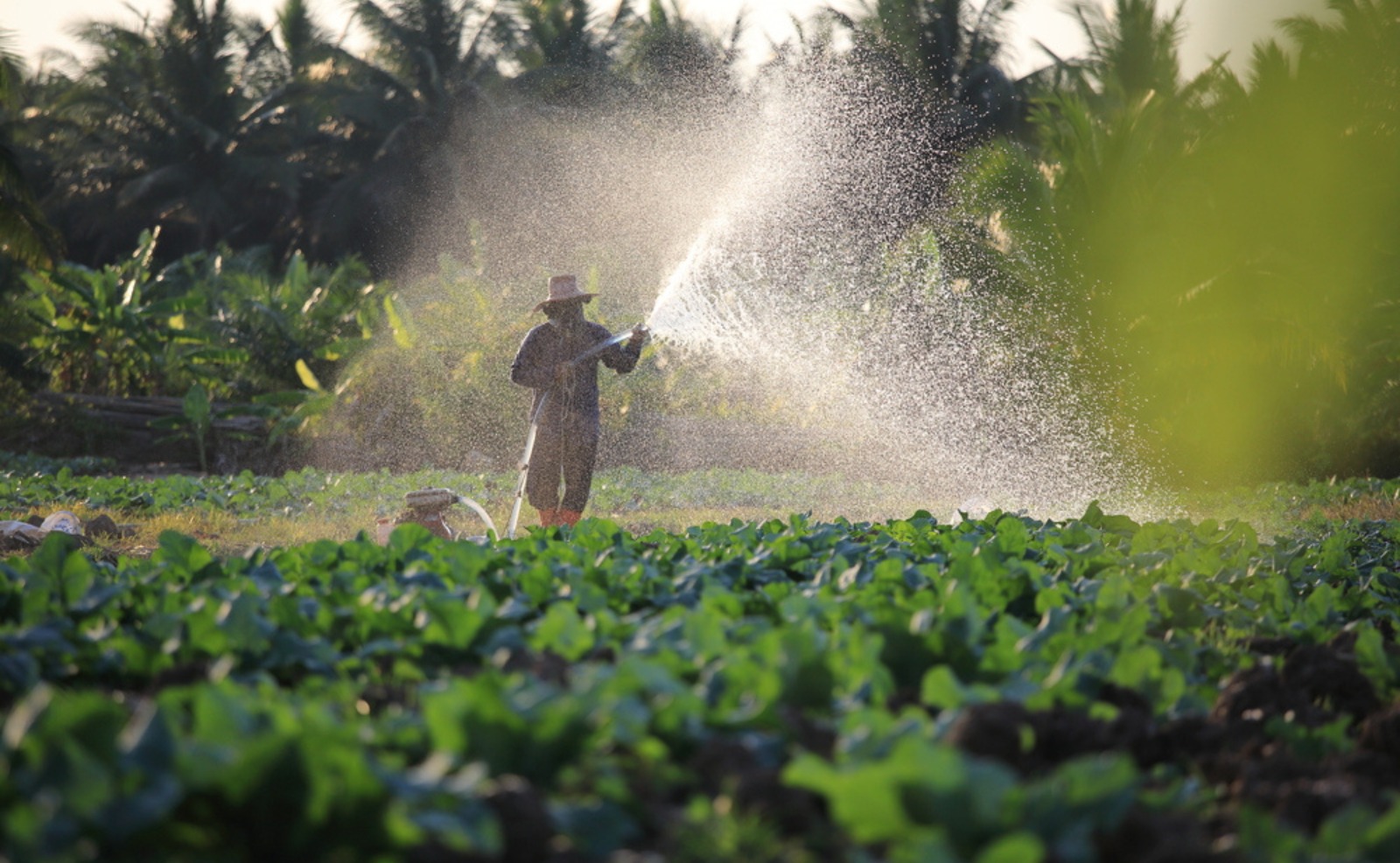
By combining these instruments with improved natural capital accounting and targeted policies—such as conservation fees and a green revolving fund the government aims to unlock new avenues for continuous climate investment.
If executed effectively, the NCFS could make Sri Lanka a regional leader in green finance, strengthen its sovereign credit profile, and attract sustainable funding critical for its economic recovery and environmental resilience.
IMF Pushes Sri Lanka to Free EPF from Central Bank
Sri Lanka’s flagship retirement savings vehicle, the Employees’ Provident Fund (EPF), is sitting at the heart of a governance tug-of-war between the government and the International Monetary Fund (IMF). Under current legislation the Central Bank of Sri Lanka (CBSL) holds custodianship of the EPF’s assets yet the IMF’s recent Governance Diagnostic Assessment clearly flagged this as a conflict-risk and recommended the creation of an independent fund manager to oversee the scheme.
During a recent appearance before the Parliamentary Committee on Public Finance, CBSL Governor Nandalal Weerasinghe disclosed that the government had formally instructed CBSL to retain its custodianship role for now, despite the IMF recommending legislative reform to spin out EPF management into a separate institution akin to a Public Debt Management Office.
The IMF argues that with the EPF owning very large shareholdings across Sri Lanka’s banking and financial sector many state-owned and subject to potential political influence guardianship by CBSL creates a material risk of conflict of interest.
They note that “state-owned financial institutions are often exposed to increased risk of political influence over their operations” and that when a fund is investing in banks supervised by the same central bank, the appearance of compromised governance arises.
The EPF is the largest defined-contribution scheme for private and semi-government employees in Sri Lanka. As at the end of 2024 the Fund’s net worth stood at approximately Rs 4.38 trillion up roughly 12.6 % from Rs 3.89 trillion at end-2023.
According to the EPF’s website, assets reached Rs 4.3757 trillion at end-2024, with liabilities to members of Rs 4.2895 trillion. Member contributions jumped to Rs 234.4 billion, refunds fell to Rs 188.1 billion, and the number of contributing accounts rose by 10.8 % to 2.92 million.
During 2022 the EPF declared a rate of return of 9.00% to members, with assets at Rs 3.4599 trillion, up 9.3 % from the previous year.
With such a large asset base amounting to several % of GDP the EPF is more than a pension pool: it is a strategic national financial lever. The IMF’s governance diagnostic warns that when a large pension fund is overseen by the same institution that supervises banks and invests in them, it may indirectly shape government or banking behaviour, reduce transparency, and increase risk of politically-driven investments.
Creating a separate, independent fund manager could enhance clarity of accountability, reduce the potential for conflicted decision-making, and raise transparency (especially important given the IMF’s broader governance agenda, which calls for stronger independence of oversight institutions). From an economic-policy standpoint, retention of the EPF under CBSL custody means the same entity that steers monetary policy (and supervises banks) also invests the largest retirement fund in the country heightening systemic concentration risk. In a situation of banking stress or large-scale government borrowing (as Sri Lanka continues to face), the EPF could be exposed to losses that bleed into general economic stability or foreshadow hidden contingent liabilities.

Government Seeks Private Sector Boost for Climate Finance Drive
The Sri Lankan Government is intensifying efforts to translate its climate commitments into tangible results by actively engaging the private sector to mobilise large-scale financing for its ambitious green transition. The move comes as the country faces soaring costs to meet its updated Nationally Determined Contributions (NDCs) under the Paris Agreement, with mitigation needs alone estimated at over US$10 billion between 2021 and 2030—and rising as new emission targets are adopted.
Speaking at the launch of the National Climate Finance Strategy (NCFS) last Friday, UNDP Sri Lanka Resident Representative Azusa Kubota urged policymakers to act swiftly, warning that the cost of inaction would be “unimaginable” for an economy deeply dependent on natural resources such as agriculture, fisheries, and tourism. She noted that climate change touches every facet of development from public health and infrastructure to livelihoods—making climate finance central to achieving the Sustainable Development Goals (SDGs).
Kubota praised the NCFS as a crucial roadmap for aligning domestic and international resources with Sri Lanka’s long-term sustainability goals. The framework, she said, provides a clear signal to global investors that the country has established credible governance, financial systems, and accountability mechanisms to support green investments.
The government’s new approach aims to blend public and private finance, leveraging private sector innovation and efficiency to accelerate climate action. Kubota emphasized that no single institution or actor can drive this transformation alone, underscoring the importance of partnerships between state institutions, corporations, and multilateral donors.
She urged the government to introduce policy and regulatory reforms to attract private investmen particularly through de-risking tools, tax incentives, and transparent project pipelines. Globally, private climate finance surpassed US$1 trillion in 2023, outpacing public sector funding for the first time, a shift Sri Lanka hopes to emulate by fostering confidence among investors through predictable frameworks and performance-based incentives.
The Finance Ministry, supported by the UK Government, UNDP, and Asian Development Bank (ADB), is spearheading the implementation of the NCFS. Proposed mechanisms such as a Green Development Fund are expected to channel investments into renewable energy, sustainable agriculture, and biodiversity protection, while ensuring alignment with global Environmental, Social, and Governance (ESG) principles.
Kubota described the strategy as a “motherboard” to coordinate inter-agency efforts, reduce duplication, and attract capital. She stressed that Sri Lanka’s success depends on the collective will to align and act, ensuring that “every rupee and dollar invested delivers maximum impact for people and the planet.”
If effectively implemented, the NCFS could position Sri Lanka as a regional leader in sustainable finance, catalyzing a shift where private enterprise becomes a key driver of the nation’s low-carbon, climate-resilient future.

Can Sri Lanka Balance Subsidies, Exports & Reform in Budget 2026?
As Anura Kumara Dissanayake’s administration unveils the 2026 budget today, Sri Lanka enters a high-stakes year. This budget is more than fiscal arithmetic it is a litmus test for whether the government can deliver on its promise of a “people’s economy”, while keeping its footing in a fragile recovery.
Since taking office, Dissanayake has championed transparency, equity and efficiency aiming to rid the state of patronage networks and revive production, especially in agriculture and manufacturing.
But the government will have to navigate very tight fiscal space: debt-to-GDP is near 100 %, interest payments absorb half of revenues and inflation pressures loom. The budget must satisfy the International Monetary Fund (IMF), sustain exports and deliver relief without breaking the fiscal path.
Export momentum and fiscal relevance: Early 2025 data show promising export trends. Total exports (merchandise + services) from January to July reached nearly US$ 10 billion, a year-on-year rise of about 7 %.
Merchandise exports alone grew by around 7.2 % in the same period. Sri Lanka Business Strong sectors include apparel, tea, coconut-based products and processed food. These strengths matter: export earnings boost foreign currency reserves, help stabilise the rupee and support the budget’s external viability.
However, risks remain. Imports continue to grow rapidly, widening the trade deficit. and the government must ensure that export success translates into sustainable jobs and investmentnot just short-term gains.
Subsidies and relief for the vulnerable: On the social front, the budget must respond to households squeezed by rising living costs. Agriculture subsidies are a clear test.
For the 2025 Yala season, the cabinet approved a fertiliser subsidy of Rs 25,000 per hectare for paddy (up to two hectares), and Rs 15,000 per hectare for other field cropsMeanwhile, efforts to digitise subsidies QR code systems and farmer databases are underway to ensure transparency. The Morning Properly targeted subsidies can shield poorer households and bolster rural production, but they must be carefully funded and monitored so they don’t destabilise public finances.
What to watch in Budget 2026:
- Revenue performance: Rather than big new tax hikes, expect a focus on broadening the tax base, improving compliance and lowering leakages especially in import duties and vehicle taxes.
- Spending discipline: Capital spending must maintain quality and avoid waste. A proposed Public Investment Committee under the Fiscal Management Law could play a role in vetting projects.
- Export linkages: Budget initiatives must reinforce export-oriented sectors apparel, tea, coconut, processed foods, ICT and logistics. Export incentives, improved infrastructure and trade-facilitation reforms should feature.
- Subsidies with reform: While subsidies for agriculture and vulnerable groups are politically necessary, they must be wrapped in efficiency reforms digital delivery, better targeting, and clear timelines.
- External shock preparedness: The budget needs buffer room for risks: global slowdowns, oil-price spikes, currency pressures, and trade disruptions (especially from US and EU demand).
- Social legitimacy: The government must show that reform is not just about numbers, but about people jobs for youth, better infrastructure, stronger export value-chains and meaningful relief for low-income households.
- Predictive outlook: If the budget gets this balance right modest but effective revenue gains, disciplined spending, targeted subsidies and stronger export linkages then Sri Lanka may shift from recovery mode to sustainable growth. Export sectors could gain momentum, subsidies may support rural revival, and confidence (domestic and international) would improve.
If it misstepsby over-relying on populist relief, delaying export reforms, or under-funding subsidy systems—then macro-slippage, inflation resurgence and weakened public trust become real risks. Particularly, if export growth falters, foreign-currency pressure could undermine fiscal targets, forcing cutbacks later.
In short, Budget 2026 is about trust trust from lenders (IMF, creditors), trust from investors, and most critically trust from the Sri Lankan people.The government’s promise was clear: economic discipline and social justice must go hand in hand. If they deliver, this could mark the beginning of a new chapter not just survival, but renewal. If not, the fragility beneath the headline numbers may once again surface.

Tourist arrivals grow 21.8% in 26 days of October, attracting 137,876 tourists
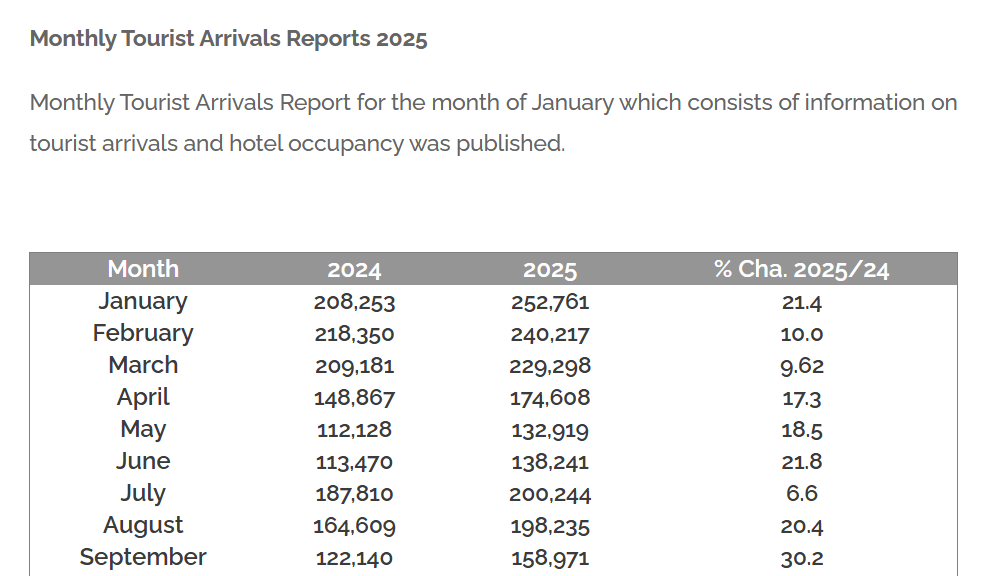
Sri Lanka’s tourism sector demonstrated continued year-on-year growth in October, welcoming 137,876 tourists in the first 26 days of the month.
This figure represents a robust 21.8 percent increase, compared to the 113,189 arrivals recorded during the equivalent period in 2024.
This positive monthly performance has contributed to a cumulative total of 1,863,370 tourist arrivals for the year as of October 26, 2025. On a year-to-date basis, the industry has seen a 16.6 percent expansion from the 1,597,997 arrivals registered by the same date last year.
However, despite this steady growth, an analysis of recently published growth scenarios by the Sri Lanka Tourism Development Authority (SLTDA) suggests the country is facing challenges in meeting its full-year targets.
The SLTDA’s 2025 projections outline three potential outcomes: a ‘Lower Scenario’ of 2.415 million arrivals, a ‘Conservative Scenario’ of 2.676 million and an ‘Optimistic Scenario’ of 3.0 million.
With the current year-to-date total at 1.86 million, Sri Lanka is tracking behind the pace required to meet these goals. The 137,876 arrivals recorded in the first 26 days of October are lagging the full-month projection of 162,562 set for the Lower Scenario and the 176,381 projected for the Conservative Scenario. Given this trajectory, Sri Lanka appears likely to fall short of the 2.676 million Conservative target and will need a significant surge in November and December to meet even the 2.415 million Lower Scenario target.
India continues to be the primary engine of this growth, dominating the arrival figures. In the first 26 days of October, India accounted for 41,095 tourists, representing a 29.8 percent share of all arrivals.
Other key markets for the month included the United Kingdom, with 11,033 tourists (8 percent share), China (9,599 tourists, 7 percent share), the Russian Federation (8,507 tourists, 6.2 percent share) and Germany (7,956 tourists, 5.8 percent share).
This market dominance is reflected in the year-to-date data as well. From January 01 to October 26, 2025, arrivals from India totalled 416,387, making it the largest contributor to the 1,863,370 total arrivals.
The top five for the year are rounded out by the United Kingdom (172,926), Russian Federation (130,651), Germany (114,944) and China (111,189). (NF)
(Source - Dailymirror)

Idle State Firms, Active Losses: Sri Lanka’s Hidden Corporate Drain
Sri Lanka’s state-sector reform rhetoric risks being hollow when confronted with the reality of multiple non-operating enterprises still burdening the public purse.
As at 30 July 2024, there were 10 public companies and 2 public corporations officially categorised as non-operative, yet their names, financials and formal resolutions remain elusive a silent fiscal time-bomb.
According to official disclosures, the Sri Lanka Rubber Manufacturing & Export Corporation (SLRMEC) has already been closed and its Elpitiya Foam Rubber factory leased out; likewise the Co‑operative Wholesale Establishment (CWE) had all employees retired by 30 Sep-2023 but no liquidation action taken.
The Board of the dormant entities has decided some be liquidated contingent on a Cabinet decision while others be voluntarily dissolved owing to sustained losses. Yet by 31 July 2024, of the four companies scheduled for dissolution only the liquidation process had begun and for the remaining six, no process at all.
Attempts to identify the full list of the 12 entities face significant information gaps. Publicly available sources name some: for example, lists of dormant SOEs include the Janatha Estates Development Board (JEDB) and Sri Lanka State Plantations Corporation (SLSPC) among long-non-viable commercial entities.“While the closure of 33 dormant SOEs is a step in the right direction two examples are JEDB and SLSPC which have long ceased to operate as viable commercial entities Another dataset shows the non-operative list includes Lanka Cement Corporation Ltd, Selendiva Investments Ltd and Magampura Ports Management Company (Pvt) Ltd among entities to be shut down. srilankamirror.com+1
The lack of a comprehensive, verified listing raises urgent red-flags. The most recent official study reports that twenty SOEs incurred losses totalling around Rs 850 billion. If even a subset of the non-operating firms contributes to such loss accumulation, the fiscal drag remains material.
Governance and resolution remain weak. The fact that six of the ten dormant public companies had not commenced any liquidation as of mid-2024 speaks volumes about implementation failure.
A commentary on the delays in SOE restructuring described the process as a “huge responsibility” facing the Ministry of Finance but with “delays” persisting.
For Sri Lanka to restore fiscal credibility and free up resources for productive use, the following actions are essential: publish the full list of dormant entities with their latest financials; assign each an exit status (revive, merge, and liquidate) with timelines; and start the liquidation/closure process without further delay. These “zombie” enterprises are not inert they carry costs, liabilities and opportunity losses. And time is no longer a friend.
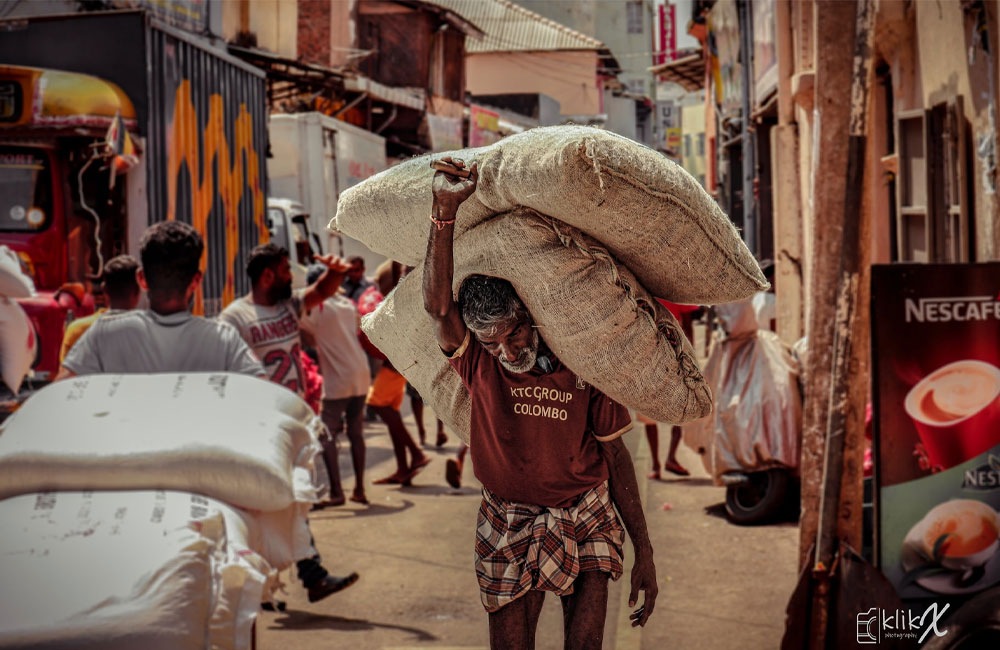
Sri Lanka’s economic escape
Sri Lanka’s recovery over the past year reads like a narrow escape rendered into a cautious, albeit unfinished success story. After the calamitous months of 2022, when foreign-exchange reserves and fuel imports evaporated and the country teetered on the brink of sovereign default, the island has staged a visible turnaround.
But the recovery remains fragile, uneven and is to some extent still dependent on external lifelines and domestic reforms.
The clearest headline is growth. After contracting sharply during the crisis, the economy expanded robustly in 2024, with GDP growth estimated at around 5%, according to the IMF and Sri Lanka’s Department of Census and Statistics (IMF Country Report No. 24/87) at the time - a figure that surprised many international forecasters and reflected a rebound in services and agriculture.
That recovery has continued into 2025: domestic demand has revived, manufacturing output has climbed, and tourism arrivals exceeded 2mn in the first eight months of the year, according to Reuters a month ago – in the process bringing much-needed foreign currency back to the island.
Authorities in Colombo have also succeeded in meeting key IMF programme conditions, and unlocking successive tranche disbursements under the $2.9bn Extended Fund Facility (EFF) approved in 2023. Those funds, alongside stronger remittance inflows which rose to $6.4bn in 2024, up 12% year on year, according to Central Bank of Sri Lanka (CBSL) data, have helped rebuild official foreign-exchange buffers and stabilise the rupee after years of volatility.
“We are now in a position of relative stability,” Central Bank Governor Nandalal Weerasinghe told Reuters, adding that “discipline and structural reforms” were key to avoiding backsliding.
Yet beneath the surface, macroeconomic stability remains a work in progress. Both the IMF and the World Bank’s Sri Lanka Development Update of June 2025, stress that near-term gains rest on continued fiscal consolidation and structural reform rather than a one-off rebound.
As such, the World Bank cautions that, while inflation has turned positive again and consumer demand is firming, financing pressures persist. The government in Colombo faces steep short-term refinancing needs, and public debt remains above 100% of GDP even after restructuring. The Bank warned that “growth without sustained fiscal repair would be precarious,” noting that one in four Sri Lankans remains vulnerable to poverty.
The banking sector tells a similar story of cautious improvement. The Central Bank’s Financial Stability Review 2025 highlights that profitability, capital adequacy and liquidity ratios have strengthened from crisis lows, aided by lower provisioning and improved net interest margins.
Market liquidity also improved during the first half of 2025, while non-performing loans (NPLs), which peaked at 13% in 2023, have fallen to below 9%, helped by restructuring and recovery. The CBSL’s Banking Soundness Index shows a more stable system than at any time since 2021.
But vulnerabilities remain. Local banks’ exposure to government securities, which account for nearly 40% of total assets, leaves them highly sensitive to fiscal risks. Lending growth, particularly to small and medium enterprises, remains subdued. The IMF’s second review of August 2025, urged Colombo to strengthen banking supervision and diversify capital markets to reduce systemic risk. “The scars of 2022 haven’t fully healed,” one senior banker reportedly told Reuters. “The sector is stronger, but still wary.”

Foreign-exchange reserves – a key aspect of the economy for an import-dependent island - have recovered from near-zero levels in 2022 to roughly $5bn by mid-2025, according to CBSL monthly balance reports. This rebound reflects IMF disbursements, improved remittances, and resumed access to international capital markets following debt restructuring with China, India and Paris Club creditors. The improvement has reduced the acute risk of import stoppages that once led to nationwide fuel queues and the much-hated rolling blackouts.
However, reserves remain modest relative to import requirements, covering just over three months of imports, according to IMF data, and any deterioration in the balance of payments could again prove destabilising. Fiscal consolidation, particularly through improved tax collection, remains vital. The government’s goal of raising tax revenue to 15% of GDP by 2026 (from 9.1% in 2023) will be crucial to maintaining debt sustainability, according to the Finance Ministry’s 2025 Budget Statement.
To this end, the energy sector encapsulates both the progress and fragility of the recovery. The Ministry of Power and Energy in Sri Lanka reported that total electricity generation reached approximately 17,364 GWh in 2024, with renewables - primarily hydro and solar - accounting for nearly 48%. The Ceylon Electricity Board’s (CEB) Long-Term Generation Expansion Plan (2024–2043) outlines a shift towards renewables, with 70% of generation expected to come from non-fossil sources by 2030.
Yet the grid’s weaknesses were exposed again in early 2025 when a nationwide blackout plunged the island into darkness for nearly 48 hours, Reuters reported at the time. The outage underscored the urgent need to modernise transmission systems and improve grid resilience. The government has since pledged a $200mn grid modernisation plan, partly financed by the Asian Development Bank, but implementation has lagged.
Another issue is that for ordinary Sri Lankans, the recovery’s texture remains uneven. Inflation, which had soared above 70% in 2022, has now stabilised at around 4–5%, according to CBSL’s September 2025 inflation report. Food and fuel prices have moderated, and the Central Bank has cautiously reduced policy rates from 11% to 9% to spur consumption. Yet fiscal consolidation has come with painful trade-offs. Increases in VAT (to 18%) and cuts to fuel and electricity subsidies have disproportionately affected lower-income households. The World Bank estimates that national poverty, while improving, remains above the 25% mark, underscoring the recovery’s social fragility.
The government of President Anura Kumara Dissanayake faces a delicate balancing act: maintaining fiscal discipline without igniting social unrest ahead of elections expected in 2026. Investor confidence has strengthened with Fitch Ratings signalling potential upgrades if reform momentum continues, but the risk of populist policy reversals looms large.
So where does Sri Lanka go from here? The optimistic path is clear: maintain IMF-backed fiscal discipline, broaden the tax base, accelerate investment in renewable energy and digital infrastructure, and strengthen social safety nets to ensure inclusive growth. But the darker scenario of reform fatigue, renewed external shocks, or pre-election spending unravelling much of what has been rebuilt, is an ever present danger.
(Mark Buckton - Intellinews)
Cover photo - KlikX Photography
Page 3 of 23