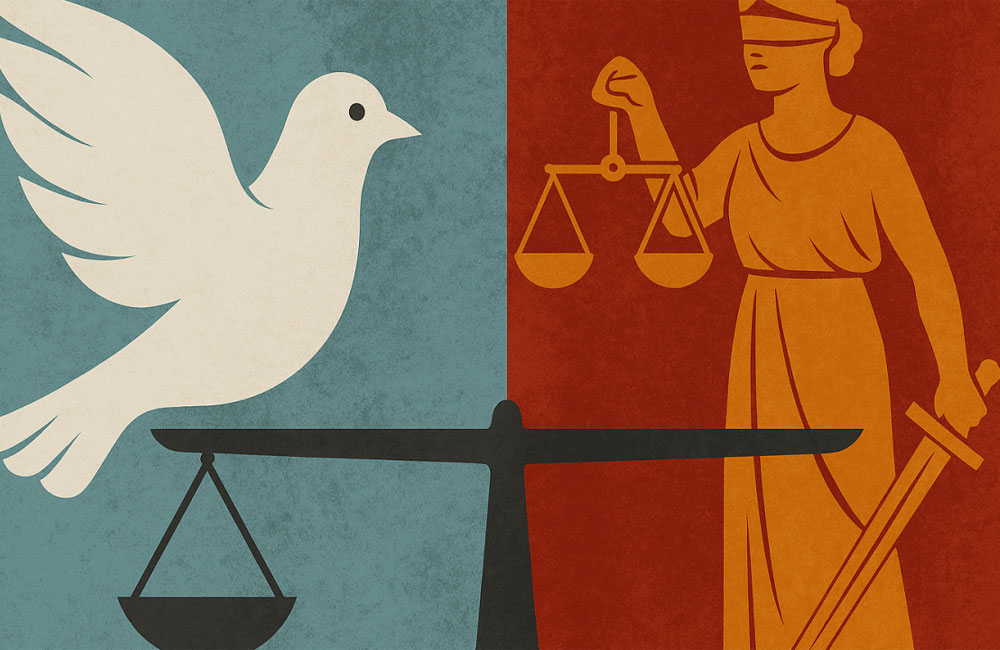
Seventeen years after the guns fell silent, Sri Lanka is still stuck between the illusion of peace and the reality of unresolved injustice. The military defeat of the LTTE in May 2009 ended nearly three decades of bloodshed, terror, and destruction. Roads were rebuilt, railways restored, cities modernised, and infrastructure expanded across the former battle zone. The visible scars of war have, to some extent, faded. Yet beneath the surface lies a harder truth that wars may be won on the battlefield, but peace must be built in the hearts and minds of people. That peace remains painfully incomplete.
For many in the South, the end of the war marked liberation from fear and uncertainty. For many Tamils in the North and the East, however, the end of the conflict did not bring closure, dignity, or equality. Instead, many continue to live with grief, suspicion, militarisation, and a lingering sense that they remain second-class citizens in their own country.
The roots of the ethnic conflict were never purely military. They lay in decades of political exclusion, language discrimination, broken promises, and the refusal to meaningfully share power. Policies that marginalised Tamil identity and aspirations created the alienation that ultimately fuelled armed conflict. Seventeen years later, many of those underlying grievances remain unresolved.
Perhaps the deepest wound remains the question of accountability. Families of the disappeared still search for answers. Mothers continue protests in the North demanding justice for loved ones who never returned. Allegations of grave human rights abuses, particularly during the final stages of the war, remain largely unaddressed.
The failure to act even on straightforward and symbolic cases has reinforced distrust. The Chemani mass grave is one such example. Allegations that scores of Tamils killed during the conflict were buried there demand credible, transparent investigation. Yet there is little confidence that justice will ever be delivered.
This is why the presidency of Anura Kumara Dissanayake carried such historic promise. He came to power with a once-in-a-generation mandate from both the North and the South. Unlike many traditional political leaders, neither he nor his party are tainted by allegations of wartime abuses. On the contrary, they themselves have experienced State repression and violence. Many believed this gave him both the moral authority and political opportunity to reshape Sri Lanka’s future and build a genuinely inclusive nation.
Yet two years into his presidency, the reconciliation agenda appears stalled. There has been little movement toward constitutional reform or meaningful power-sharing. The political courage required to address the national question remains absent. Symbolic gestures and rhetoric cannot substitute for structural change. Without concrete measures to devolve power, strengthen minority protections, and address wartime accountability, reconciliation risks becoming another empty slogan.
The tragedy is that opportunities such as this do not come often. Sri Lanka today is exhausted by economic crisis, corruption, and decades of division. There is a broad public appetite for a new political culture that moves beyond ethnic nationalism and majoritarian triumphalism. A durable peace requires not merely the absence of war, but the presence of justice, equality, and mutual trust.
History has shown that unresolved grievances do not disappear simply because guns are silent. Nations cannot build unity on selective memory or denial. Seventeen years on, the battlefield is quiet. But the harder battle — for trust, dignity, and equal citizenship — still remains to be won.
(Ft.lk)
Leave your comments
Login to post a comment
Post comment as a guest