Business
SL mission in DC, EDB discuss diversification of exports to the US
Ambassador Rodney Perera and Chairman of Export Development Board Prabhash Subasinghe discussed ways to further diversify and increase Sri Lanka’s exports to the United States of America, in keeping with the vision of the President and the new Government to strengthen the local economy and enhance export income, at a virtual meeting held on 20 August 2020. Director General of the Export Development Board (EDB) Chitranjali Dissanayake along with officials from the Embassy and the EDB also took part.
The Chairman briefed on initiatives taken by the EDB to promote several products in the recent months and the opportunities available in the United States, being the single largest buyer of Sri Lankan goods.
While acknowledging the new initiatives of the EDB to promote exports through practical strategies, Ambassador Perera outlined the role played by the Embassy on the key facets of economic diplomacy to strengthen the efforts of the GoSL to brand Sri Lanka as a trusted supplier in the U.S.
Ambassador Perera emphasized the importance of working closely with Sri Lankan-American professionals and entrepreneurs who are well established in the U.S. in the promotion of Sri Lanka’s business interests, among others. He stressed the need to further strengthen linkages with key economic centers such as Atlanta, Boston, Chicago, Houston, Miami, Seattle and San Francisco, that offer more opportunities for Sri Lankan products and services.
Litro launches mobile app for home delivery service
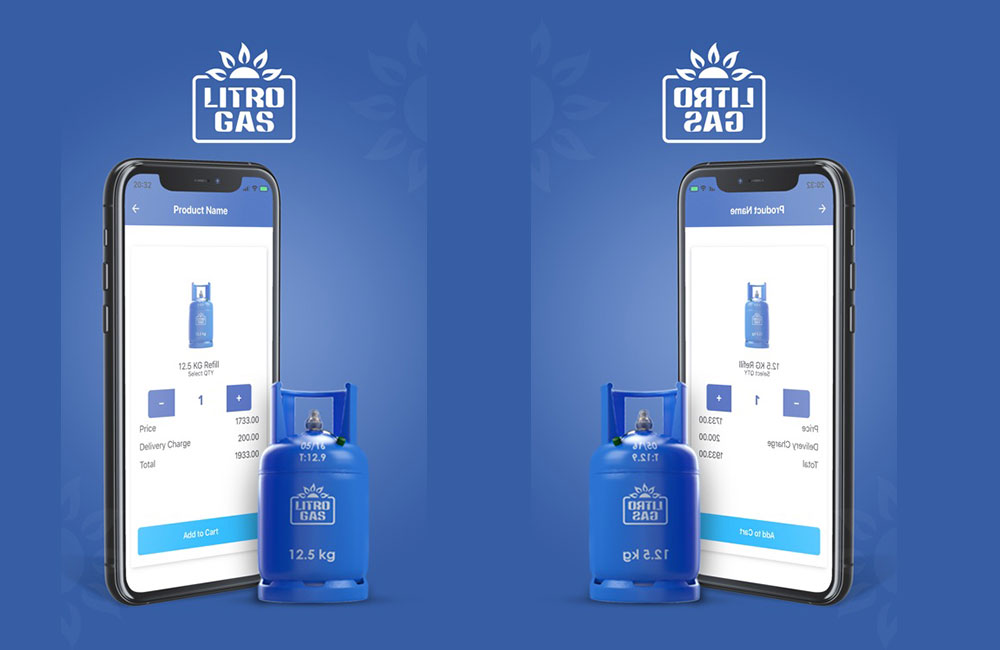
The Litro Home Delivery app has been designed with a user-friendly interface and aims to streamline and simplify the process of ordering. This app allows customers to select a service/product of their choice and having it delivered to their doorstep by going through a few simple steps. This is significantly more efficient and innovative than the existing ‘call-in’ option.
The app which is optimised for mobile devices as well as desktop/laptop computers is manned by a Customer Care Centre which processes all orders centrally by routing them to the respective Litro Gas Dealer once an order is placed. This enables Litro Gas to monitor and be in control of the delivery process at all times. The customer too, is able to monitor their order via the app. The hotline 1311 is active in the meantime to assist customers whenever needed.
While we were still efficiently managing the orders, we thought that having an app would convenience the customers further enabling them to place an order with a few clicks as well as giving them the option to monitor the status of delivery via GPS/network-based technology.” He noted that though a simple affair, in terms of participation, the event was an inspiring and meaningful one.
At the event, a map of Sri Lanka was illuminated by members of the Top Management at Litro alluding to the Company’s vision of broad-basing its presence as well as delivery facilities to the entire nation.
Director, Sales and Marketing/ Corporate Affairs, Janaka Pathirathna added: “The app gives a technological edge to the Company as this is the first time customers will be ‘directly’ connected with Litro Gas.
This way we are able to analyze customers’ behavior, preferences and model our products and service accordingly.”
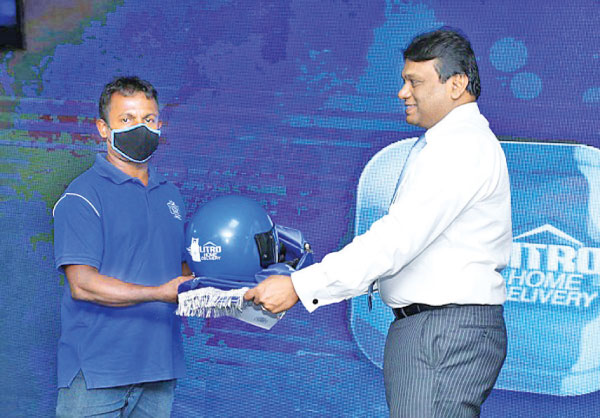
The event concluded with Chairman & CEO handing over Litro branded gear which included a safety helmet, t-shirt, jacket with reflective strips and a pouch to the fleet of dispatchers. The Chairman also flagged-off a colourful line-up of Home Delivery vehicles optimised to facilitate safe, economical and efficient delivery of cylinders to customers.
Krishantha Cooray resigns from DFCC Board
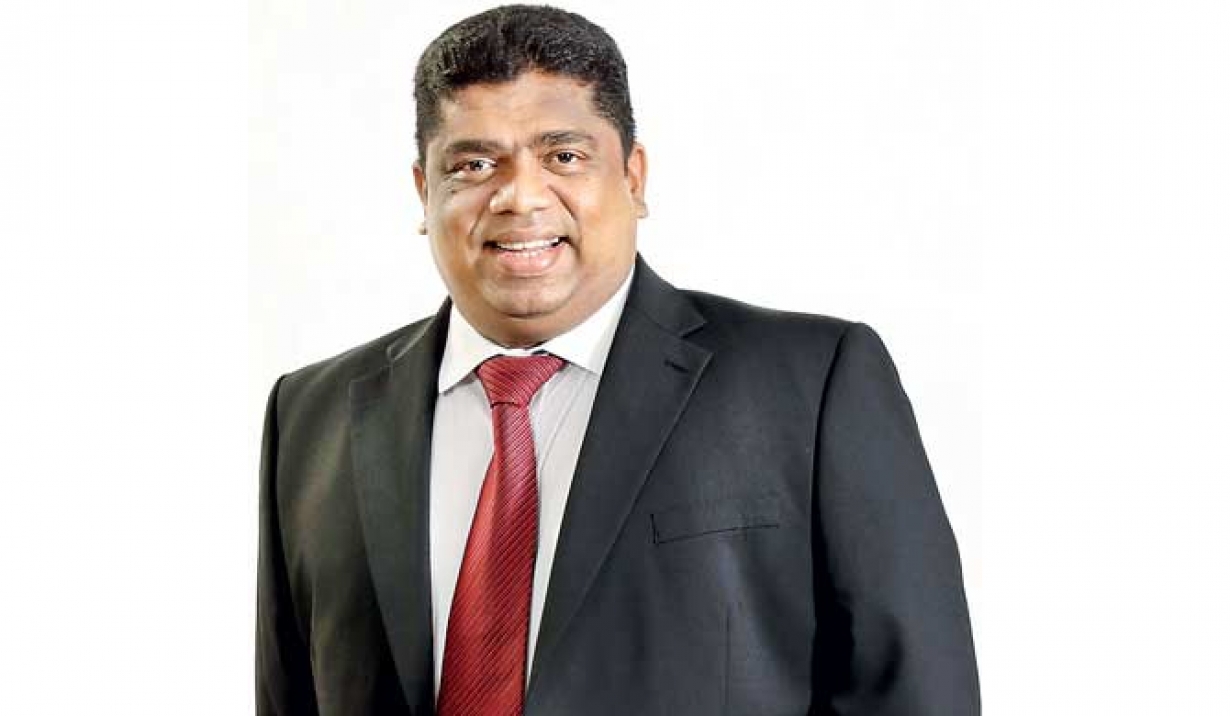
Corporate executive Krishantha Prasad Cooray tendered his resignation on Friday (21) from the Board of DFCC Bank PLC following a six-year stint as an Independent Non-Executive Director of the bank.
Cooray has previously held several senior executive positions and until November 2019 he served as the Chairman of Lake House holding company Associated Newspapers of Ceylon Ltd. (ANCL) and Hotel Developers Lanka PLC, the holding company of Colombo Hilton. He resigned from both chairmanships following the November 2019 Presidential Election.
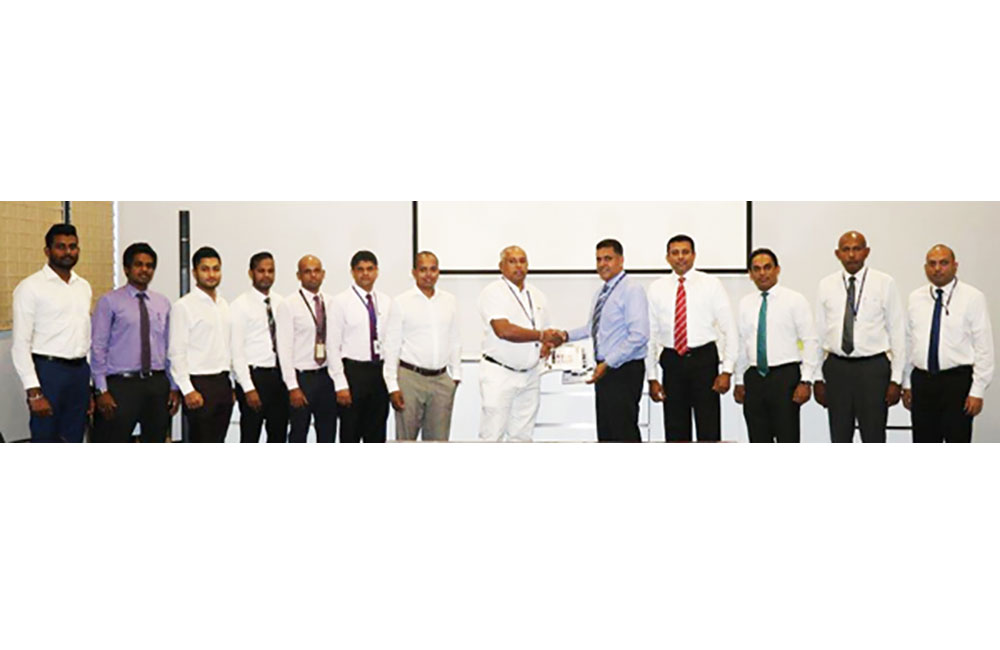
HNB - DIMO partner to offer exclusive leasing options for Mercedes Benz and Jeep
The partnership is applicable for all brand new/ pre-owned Mercedes-Benz passenger cars and commercial vehicles, as well as Jeep SUVs sold by DIMO. The offer extends to Mercedes-Benz and Jeep vehicles already in stock with new models to be added to the list soon. HNB Deputy General Manager- Retail and SME Banking, Sanjay Wijemanne and DIMO Group CEO, Gahanath Pandithage graced the ceremony held at ‘DIMO 800’ to cement the partnership.
“The long-standing relationship between DIMO and Mercedes-Benz is a partnership built on innovation and excellence. This tie-up will offer vehicle enthusiasts in our loyal customer base a unique framework to access tailor-made leasing packages to purchase some of the world’s finest motor vehicles and enjoy outstanding after-sales service. This tie-up will undoubtedly excite customers who have been dreaming of acquiring a premium vehicle as they have the means to make their dream purchase via our flexible, convenient leasing package,” HNB Deputy General Manager – Retail & SME Banking, Sanjay Wijemanne stated.
HNB customers can obtain lease facilities for special concessionary interest rates and optional repayment methods where leases with a residual value of 50% and structured leases with “Interest only” option made available.
“Coming up with unique, customer-focused mechanisms to enable our clientele to purchase their dream vehicle has been our forte. Through this latest partnership with HNB, we can offer the lowest rates in the market. As a result, more clients will be able to afford their dream Mercedes-Benz or Jeep vehicle through us,” DIMO General Manager- Mercedes Benz, Rajeev Pandithage said.
DIMO will offer HNB customers with special discounts of up to Rs. 300,000 for specific vehicle models, in addition to 5 years of free service up to 300,000 km, as well as a five-year warranty for 14 seater mini-coaches and single cabs and a three-year warranty for Jeep gladiators.
Furthermore, DIMO offers unmatched after-sales services. All DIMO imported vehicles receive service repairs for every 10,000 km, with factory warranties, and one year warranties for each repair.
Meanwhile, new leasing customers will be offered the HNB Prestige Prime credit card providing access to exclusive discounts on automobile products, servicing, spare parts, tires and batteries. The first year annual fee for the credit card is waived off.
More information on the HNB DIMO Lease Promotion for Mercedes-Benz and Jeep vehicles can be obtained from any HNB Customer Centers or the Mercedes-Benz Centre ‘DIMO 800’ by calling on 0112449797.
Covid-19 Concessions Impact Dialog Revenues, Cost Control Sustains Profitability in Q2 2020
The concluded quarter faced the brunt of the COVID-19 outbreak which began unfolding from mid-March 2020. The estimated revenue impact stemming from concessions offered to customers and other COVID19 associated challenges is approx. Rs.2.9 billion for 1H 2020.
While the overall performance in the month of June 2020 has improved to Pre-COVID levels, the full and sustained recovery of performance will depend on the overall recovery of the Sri Lankan economy, in particular Manufacturing, Tourism, Export sectors and easing of wallet pressure for the consumers.
Driven by the unprecedented COVID-19 crisis and the impact in Q2, Group revenue for 1st Half of 2020 recorded de-growth Year-to-Date (YTD), Quarter-on-Quarter (QoQ) and Year-on-Year (YoY) basis.
The Group recorded consolidated revenue of Rs.57.4 billion for 1H 2020, demonstrating a marginal decline of 1% YTD while Group Earnings Before Interest, Tax, Depreciation and Amortization (EBITDA) also declined by 1% YTD to reach Rs.22.9 billion for 1H 2020.
The consolidated Group revenue for Q2 2020 was recorded at Rs.28.2 billion declining 4% QoQ and 3% YoY due to the slowdown in core revenue during the quarter. The Group EBITDA was recorded at Rs.10.7 billion for Q2 2020 down 12% QoQ and 3% YoY. The Group EBITDA Margin was recorded at 39.8% for 1H 2020.
The Group Net Profit After Tax (NPAT) demonstrated a decline of 45% YTD to record at Rs.3.8 billion for 1H 2020 underpinned by the dip in topline and increased provision for bad debts.
On a QoQ and YoY basis NPAT recorded growth of 55% and 16% respectively to reach Rs.2.3 billion for Q2 2020. The Sri Lankan Rupee (LKR) appreciated by 2.0% against the United States Dollar (USD) during the quarter resulting in an upliftment to NPAT.
Normalized for forex1 NPAT was recorded at Rs.4.5 billion for 1H 2020 down 18% YTD while on a QoQ and YoY basis, Q2 2020 NPAT declined 55% and 34% respectively to record at Rs.1.4 billion.
Dialog Group continued to be a significant contributor to state revenues, remitting a total of Rs.9.0 billion to the Government of Sri Lanka (GoSL) during the first six months of 2020. Total remittances included Direct Taxes and Levies amounting to Rs.2.6 billion and Rs.6.4 billion in Consumption Taxes collected on behalf of the GoSL.
The Group capital expenditure was prioritized in 1H 2020 to accommodate urgent network upgrades while the restrictions on importation and deployment of capex in Q2 2020 resulted in lower capex for 1H 2020 which was recorded at Rs. 6.4 billion representing a capex to revenue ratio of 11%. Capital expenditure was directed in the main towards transforming Dialog into a digital telco, by digitizing all spheres of the organization and to further strengthen the Group's leadership in Sri Lanka's Broadband sector.
The slowdown in capex supported Group Operating Free Cash Flow (“OFCF”) to improve to Rs. 14.0 billion for 1H 2020. The Group continued to exhibit a low geared balance sheet with the Net Debt to EBITDA ratio being maintained at 0.75x as at end of June 2020.
During the quarter Dialog had the distinction of being awarded the title ‘Sri Lanka’s Most Valuable Brand’ for the second consecutive year by Brand Finance, the world’s leading independent brand valuation consultancy, at the 17th edition of its annual review. Dialog also retained its brand rating of AAA for the sixth consecutive year and the title of ‘Most Valuable Telecommunications Brand’ for the 13th consecutive year, reaffirming the brand’s ethos of empowering and enriching Sri Lankan lives and enterprises.
Furthermore, Fitch Ratings re-affirmed the National Long-Term Rating of ‘AAA (lka)’ for the Group during the quarter. This rating of ‘AAA (lka)’ with a stable outlook, denotes the highest rating assigned by the agency in its National Rating scale for Sri Lanka.
At an entity level, Dialog Axiata PLC continued to contribute a major share of Group Revenue (69%) and Group EBITDA (75%). Company revenue was record at Rs. 39.6 billion for 1H 2020 and Rs. 19.1 billion for Q2 2020 declining 5% YTD, 7% QoQ and 8% YoY respectively, mainly due to the externalities alluded to earlier and the corresponding slowdown in core revenues.
Downstream of the revenue performance Company EBITDA was recorded at Rs. 17.1 billion for 1H 2020 and Rs. 7.9 billion for Q2 2020 representing a decrease of 3% YTD, 14% QoQ and 4% YoY respectively.
Company NPAT declined by 34% YTD to record at Rs. 4.5 billion for 1H 2020 albeit growing 72% QoQ and 43% YoY to reach Rs. 2.8 billion owing to Public the favorable forex movement during the quarter. Normalised for forex2, Company NPAT recorded a decline of 3% YTD, 42% QoQ and 7% YoY.
Dialog Television (DTV), continued to consolidate its leadership position in the Digital Pay Television space with a subscriber growth of 17% YoY to surpass the milestone of reaching 1.5 million homes by end June 2020. DTV revenue was significantly impacted in Q2 2020 due to provision of access to all channels during the lockdown period. Accordingly, DTV revenue declined 10% QoQ and 8% YoY to reach Rs. 2.0 billion, albeit on YTD basis revenue remained flat at Rs. 4.3 billion for 1H 2020. On the back of muted revenue performance and increased provision for bad debts, DTV EBITDA declined by 1% YTD to reach Rs. 1.1 billion for 1H 2020. Consequently, DTV Net Loss increased to Rs. 625 million in 1H 2020 relative to a Net Loss of Rs. 269 million for the corresponding period in 2019.
Dialog Broadband Networks (DBN) featuring the Group’s Fixed Telecommunications, Broadband and International Businesses recorded revenue of Rs. 15.3 billion for 1H 2020 and Rs. 7.9 billion for Q2 2020 up 14% YTD, 7% QoQ and 18% YoY respectively, due to growth in Fixed Broadband and wholesale revenues.
Despite the strong revenue performance, DBN EBITDA declined 3% YTD to reach Rs. 4.6 billion for 1H 2020 owing to increased provision for bad debts. Accordingly, DBN recorded a Net Loss of Rs. 45 million for 1H 2020 relative to a Net Profit of Rs. 0.8 billion for the corresponding period in 2019.
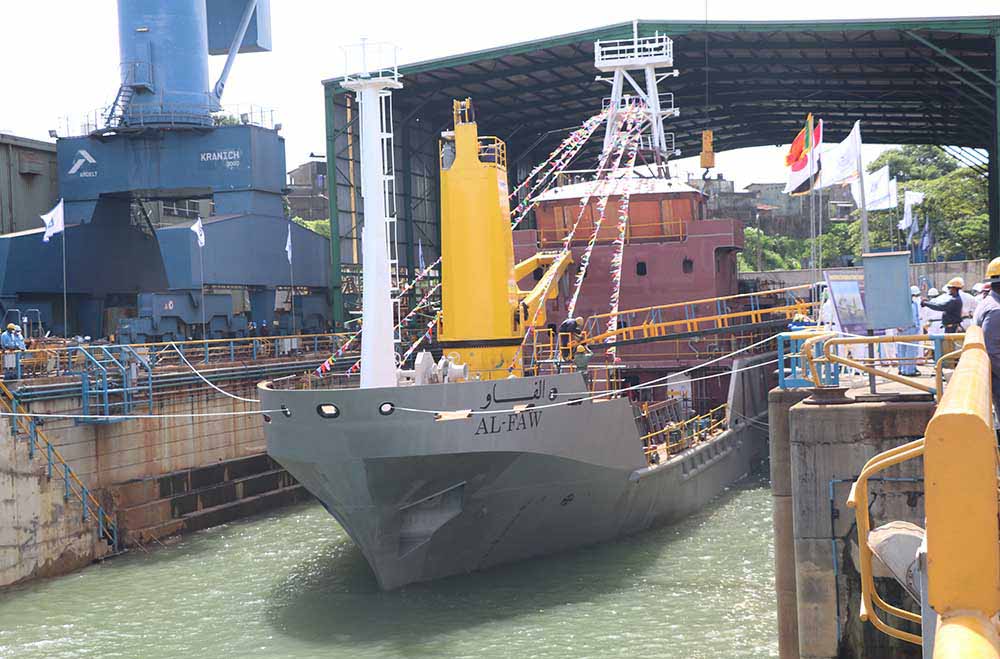
Colombo dockyard launches Buoy Tender Vessel built for Iraq
The ceremonial launching is the process of floating or transferring the vessel to water for the first time. Symbolically this is done by breaking a ‘pot of milk’ according to Sri Lankan traditions over the ship’s bow area inviting good luck to the vessel, the crew and the owners and subsequently filling the dock with sea water enabling the vessel to float.
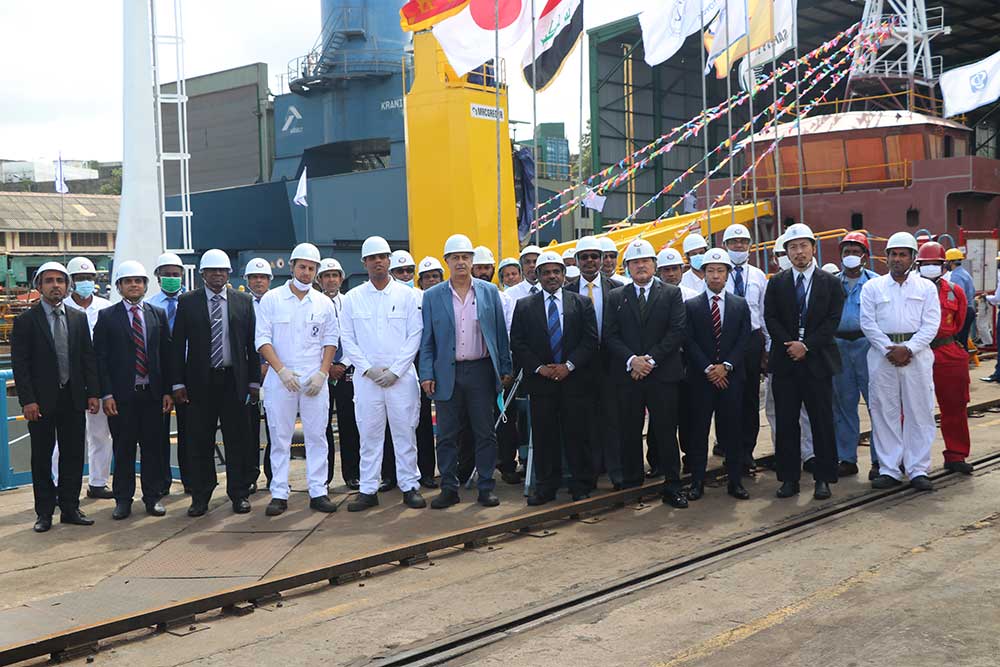
The ceremony was graced by Mr. Hayder Khaldoon Mohammedsami Alahmed, Mr. Rayed Kareem Mashhoot Al-Saeedi, Site Engineers from GCPI, Mr. Ali Alakus Site Manager of Project from Nippon Koei Co. Ltd and Mr H.V.K. Sarath Kumara Peiris Deputy General Manager Nippon Koei Co. Ltd Liaison Office. Mr. Hayder Khaldoon Mohammedsami Alahmed of GCPI performed the honour of cutting the rope to break the milk pot and launch the vessel.
Mr. Madhawa Fonseka, Manager-Colombo Office and Mr. Vishal Chowdary, in-charge of project and Mr. Roshan Sanjeewa Colombo Office Surveyor attended this event representing the Classification Society ClassNK.From CDPLC, Mr. Hideaki Tanaka (Chairman), Mr. D.V. Abeysinghe (MD/CEO), Mr. K. Kanaya (Director), Mr. Y. Saki (Technical Advisor/ Alt Director) and a host of other Senior Management and Staff participated at this momentous occasion.
In addition to this BTV, CDPLC is constructing another vessel for GCPI which is a 50m Pilot Station Vessel (PSV). The PSV is a twin hull Catamaran type vessel which will be used to transport of pilots and provisions, to provide pilots with accommodation services and to provide station and necessary support for pilot boats.
These projects which are vital to the socio economic development of Iraq will strengthen the relationship with Republic of Iraq, one of Sri Lanka’s close allies for decades and we are confident that with these shipbuilding projects generating from TTC Japan which are funded by JICA, will dawn in a new era in the bilateral economic sphere of the relationship between Sri Lanka and Japan.
This ceremony was organized and conducted in a modest scale and in a simple manner paying special attention to the Government’s Health and Safety guidelines placed in view of the COVID-19 outbreak, depicting CDPLC’s corporate social responsibility towards the prevention of any possible transmission of the COVID-19 at workplaces. CDPLC has demonstrated great resilience in the face of the pandemic and has taken many initiatives for ‘Revival’ of its operations and is planning to bounce back stronger in the future.
Colombo Dockyard PLC is a flag ship investment of Japan and operates in joint collaboration with Onomichi Dockyard Company Limited of Japan. Also the Sri Lankan Government institutions hold more than 35% stake at CDPLC.
As the leader of the Shipbuilding & Repairing Industry in Sri Lanka, CDPLC continuously proves its excellence by successfully securing shipbuilding projects and Repairing vessels both local and overseas. “Colombo Dockyard PLC is Sri Lanka’s front runner of its industrialization drive”.
JKH posts a loss of Rs. 2.4 billion in 1Q
Sri Lanka’s foremost conglomerate, John Keells Holdings (JKH) Group’s profit before tax (PBT) is a negative Rs.2.43 billion in the first quarter of the financial year 2020/21 compared to the Rs.1.36 billion recorded in the previous financial year, the latest annual financials of the JKH highlights.
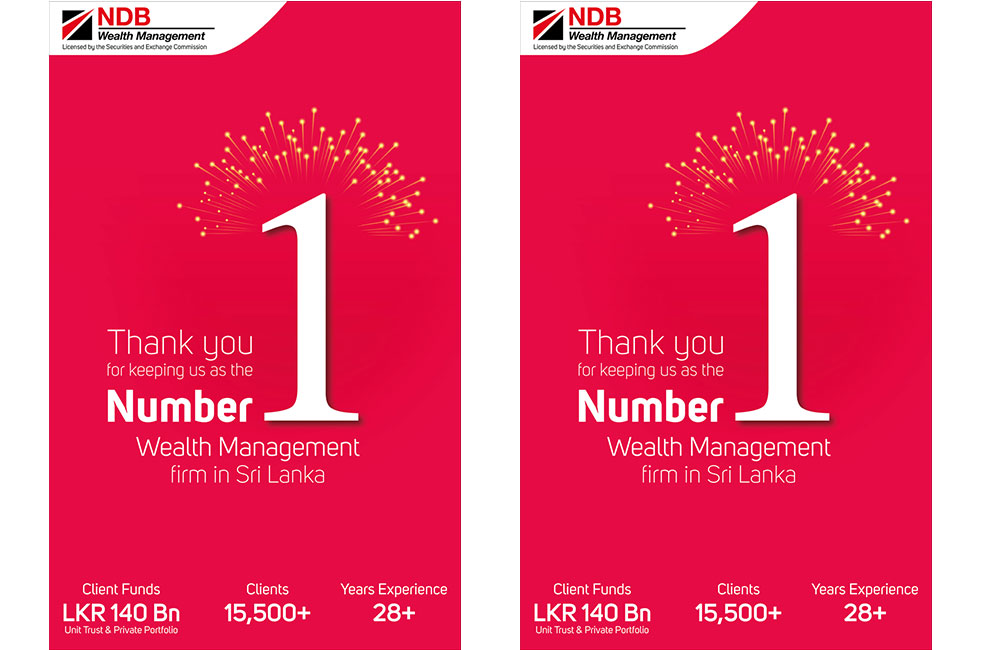
NDB Wealth – Number 1 Wealth Management Company in Sri Lanka
Prabodha Samarasekera, CEO of NDB Wealth Management commented, “Our success lies in our commitment to offering our clients the best fit savings and investment plans that will grant them the financial freedom they need in the long term. Our professional money management skills and in-depth knowledge of capital and money markets provides us a definitive edge when managing client funds.” He further stated, “The investment team carries out detailed analysis of the macro economic variables as well as various industry sectors and companies which helps us minimise risks for our client investments while maximising their returns.”
NDB Wealth offers an unparalleled and exclusive service to clients by assigning a Relationship Manager to every client. Understanding the client’s needs through careful and thorough analysis helps NDB Wealth to identify the core purpose for planning, for each client, and support the client by advising the client on the best savings or investment solution taking into consideration the potential risks associated with the investment.
The Relationship Managers are backed by a strong investment team who are continuously monitoring investment conditions in the market and particularly play a very crucial role in managing such conditions that may impact clients negatively. Relationship Managers are readily available to provide investment advice or any service related information and are dedicated at protecting ‘best interests’ while ensuring a successful financial future for all clients.
NDB Wealth is licensed by the Securities and Exchange Commission of Sri Lanka and follows very strict rules to meet compliance standards. Celebrating a successful second year at the new NDB Private Wealth Centre Branch, NDB Wealth Management offers seamless wealth management experience, with a high standard of client service. With easy and ready access to all aspects of banking through the NDB bank products such as current and savings accounts, Fixed Deposits, and Credit Cards, clients are able to meet all their banking requirements under one roof with the added benefit of security and stability.
NDB Wealth is an affiliate of the NDB Group, one of the fastest growing financial services conglomerates in Sri Lanka, with the strategic mission to be the leader in the financial services and banking sector. From its inception, the group which includes NDB Bank, NDB Investment Banking, NDB Wealth, NDB Securities, and NDB Capital has been a catalyst in the development of the nation, strengthening and empowering entrepreneurs, corporates and individuals from all strata of the economy. The customers across all NDB Group companies have benefited from the extensive product and service offerings of the NDB Bank and its affiliates.
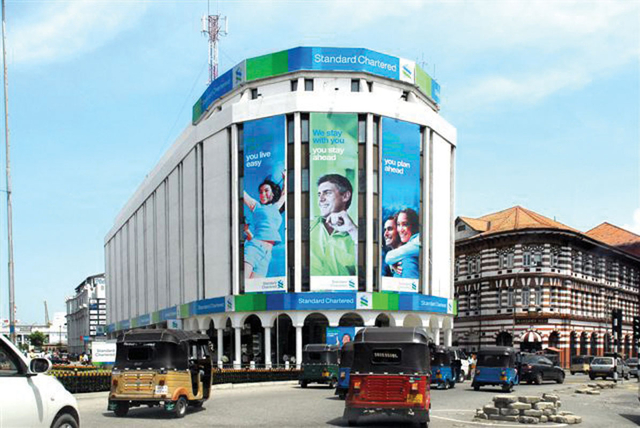
Standard Chartered big winners at "The Asset Triple A Awards 2020'
Standard Chartered Sri Lanka has won big at “The Asset Triple A Treasury, Trade, SSC and Risk Management Awards 2020” announced recently, with awards for ‘Best Service Provider for Cash Management’ and ‘Best Service Provider for Trade Finance’ in Sri Lanka.
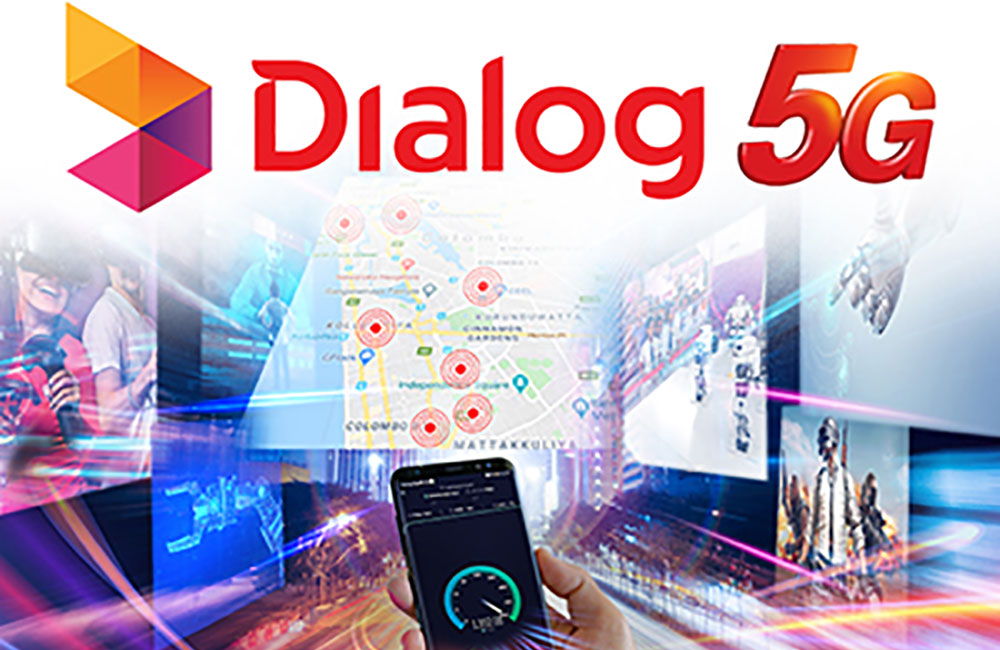
Dialog invites customers to experience the power of 5G
This 5G trial network was enabled in collaboration with the Telecommunications Regulatory Commission of Sri Lanka (TRCSL) who has led the region in making available the spectrum in the 3.5GHz band for the piloting of pre-commercial 5G services. These endeavours will lay the groundwork for Sri Lanka to innovate new 5G related products and services, paving the way to access the global 5G marketplace and facilitate industries to leverage the benefits of 5G.
Commenting, Supun Weerasinghe, Group Chief Executive of Dialog Axiata PLC said, "Since Dialog conducted South Asia's first standards-based 5G transmission in 2018, we have been exploring the boundless possibilities of 5G to ensure that we build a strong platform to support our 5G network to deliver exceptional experiences for our customers. We are thankful to the Telecommunications Regulatory Commission of Sri Lanka for enabling our vision of delivering The Future. Today, where we have not only maintained our leadership in 5G in Sri Lanka, but also the region."
Dialog covers more than 92% of the Sri Lankan population with 4G broadband and has upgraded over 20% of its expansive base station network to a "5G Ready Status" by deploying Massive MIMO (Multiple Input Multiple Output) technology on its Home Broadband Network. The same infrastructure will transmit 5G speeds upon the licensing of commercial 5G spectrum in Sri Lanka, enabling the delivery of nationwide 5G coverage.
This announcement follows Dialog's demonstration of a fully standards-based 5G mobile service for the first time in South Asia, the first 5G showcase in South Asia, the demonstration of South Asia's fastest 5G mobile speeds in 2019, and the first standards-based 5G fixed-wireless pilot transmission in December 2018. Implementing 5G will mean faster speeds for end consumers, as well as limitless opportunities to automate industrial and home environments.
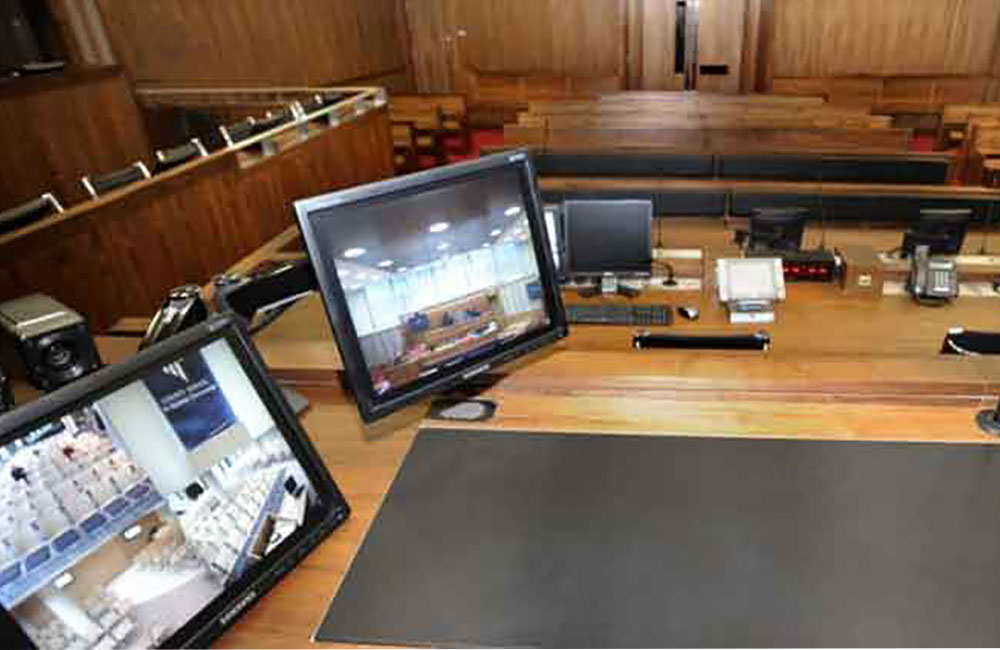
SLT, Just In Time and Huawei collaborate to provide virtual courtrooms
The project is a collaborative initiative between the Ministry of Justice, SLT and the Judiciary.
Video conferencing solutions for the Ministry of Justice will be carried out by SLT with Just in Time Technologies Private Limited as the managed service partner (lead partner) by using Huawei products for the solution design.
This decision was taken at the recent meeting on finalising strategic partnerships for the project, an official document revealed.
However, employees of Sri Lanka Telecom vehemently protested against the appointment of Just in Time Technologies (Pvt) Ltd as the lead partner without directly dealing with Huawei, which is also a key partner of SLT.
SLT has a back-to-back agreement with NSB and the latter has failed to make payments under the agreement. SLT had to settle the case out of court, informed sources said.
Several SLT employees claimed that entering into similar agreements with the JIT group will replicate similar results like the NSB deal.
The secretary to the Ministry of Justice, S.M. Mohommed said that the project is in the pipeline and that she cannot comment on matters relating to it as no cabinet decision has been taken as yet.
However, the Ministry has given consent to SLT to go ahead with the plan of developing the video conferencing solution partnering with Just in Time Technologies and Huawei Lanka, informed sources added.
The video conferencing solution is aimed at increasing the efficiency of court proceedings by reducing time and costs while offering practical solutions to problems of transporting prisoners,
It will reduce security risks and the potential harm to prisoners and the public creating a more responsive and engaging interaction between legal practitioners and clients.
The Ministry of Justice is to set up more virtual courts to ensure the timely delivery of justice while upholding the safety of litigants, lawyers, judges, and all other judicial and law enforcement officials.
According to the project concept plan, main solution deliverables are remote court hearings for extending the remand period of inmates, virtual jail visitation for inmates family members ,enabling attorneys at law to consult and take instructions from inmates(remote legal consultations during convenient times).
It will also provide remote participation and observation facilities for lawyers for lawyers and remote participation of law enforcement officers.
Future enhancement of the solution includes remote court hearing proceedings, and providing administrative collaboration facilities for justice ministry, prisons and judiciary.

Revenue of Sri Lankan corporates could fall by LKR 30 billion: Fitch
This worsens to LKR 40 billion, or around 15% yoy, if the two large telecom companies, which are likely to stay resilient during the pandemic, are excluded. However, most corporates should recoup lost growth momentum by FY22 and generate higher revenue than in FY20.
"Our forecasts examine the effect of the March 2020 lockdown on revenue for the next 18-24 months. We also refine our expectation of recovery trajectories to reflect easing social-distancing requirements from May 2020 and a gradual recovery in economic activity. Key risks to our assumptions include a second wave of infections that lead to further lockdowns and a prolonged weak global economic and travel environment, which could depress Sri Lanka’s economy for longer than we expect," the agency said.
Sri Lanka GDP to contract in 2020
Fitch Ratings said that they expect Sri Lanka’s real GDP to contract by 1.3% in 2020 due to the pandemic, worsening from our 24 April 2020 forecast of a 1.0% contraction. This follows mid- to low-single-digit economic growth in the last five years. However, GDP growth should rebound to historical levels in 2021, with 4.0% growth. The weakened operating environment will continue to dampen demand and challenge the near-term operating performance and liquidity profiles of most of our rated corporates.
Page 12 of 31