A Japanese court is set to deliver its verdict this week in a case that has continued to reverberate far beyond the killing itself, exposing long-standing political and religious entanglements in Japan.
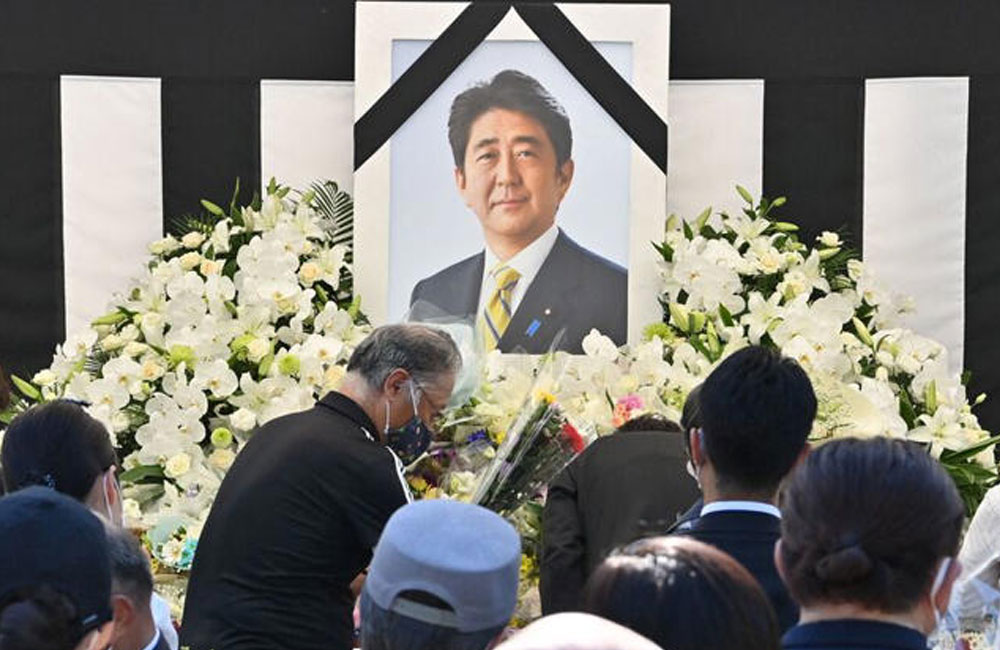
The defendant, 45-year-old Tetsuya Yamagami, has admitted to assassinating former Prime Minister Shinzo Abe in July 2022. Abe, one of the most powerful and enduring figures in modern Japanese politics, was no longer prime minister at the time but remained an influential lawmaker. He was attacked while campaigning in the city of Nara, an event that stunned a country known for some of the world’s strictest gun laws.
Yamagami’s trial began in October, and Wednesday’s sentencing will decide whether he spends the rest of his life in prison. Prosecutors are seeking life imprisonment, while the defense has argued for a sentence of no more than 20 years, citing the deep personal and financial hardship Yamagami says he experienced growing up as the child of a follower of the Unification Church.
According to his testimony, Yamagami did not act out of personal hatred toward Abe alone. He said his real target was the Unification Church, a South Korea-based religious group he blamed for his family’s suffering. Abe, he claimed, became a symbolic stand-in after the former leader appeared in a video message supporting an organization linked to the church. Yamagami said killing Abe was meant to draw attention to what he saw as the church’s political influence.
That goal, grim as it was, succeeded in sparking a national reckoning. In the months after the killing, revelations of close ties between the ruling Liberal Democratic Party and the church led the party to publicly distance itself. Government investigations followed, culminating in Japan’s decision to strip the church’s local branch of its tax-exempt status and order its dissolution.
The case has also driven policy changes. It intensified scrutiny of aggressive fundraising practices by religious groups and helped push through new laws aimed at protecting families and children from coercive donation demands. At the same time, security around politicians and public figures has been tightened nationwide.
Public reaction to Yamagami himself has been unusually divided. While many condemn the act as an unforgivable crime, thousands have signed petitions calling for leniency, and supporters have sent letters and care packages to his family and detention facility, framing him as a product of systemic failures rather than a lone villain.
More than two years after Abe’s death, the court’s ruling will close the legal chapter of the case. But its political, social, and cultural aftershocks are likely to shape Japan’s public life for years to come.
(Source - France 24)
Leave your comments
Login to post a comment
Post comment as a guest