News
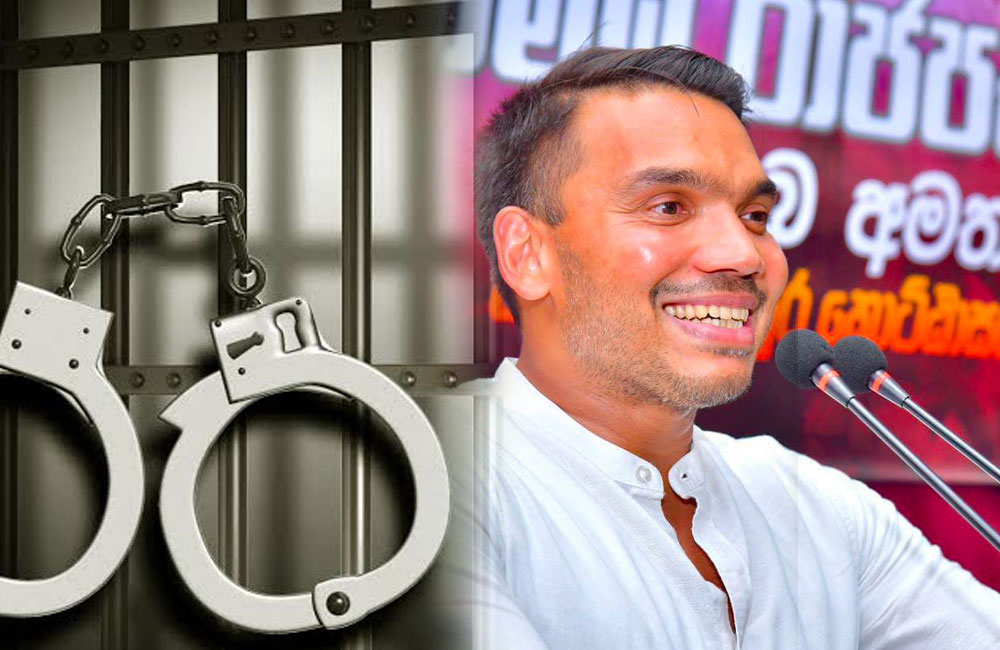
Namal Rajapaksa Arrested by CIABOC Over Airbus Deal Investigation
SLPP National Organiser and Parliamentarian Namal Rajapaksa has been taken into custody by the Commission to Investigate Allegations of Bribery or Corruption (CIABOC) in connection with its investigation into the Airbus deal.
Rajapaksa appeared before the Bribery Commission this morning (04) after being formally notified to provide a statement regarding the ongoing inquiry.
The MP, who is the eldest son of former President Mahinda Rajapaksa, spent more than five hours before the commission recording his statement.
Following the completion of the statement, CIABOC officers arrested Rajapaksa.
The arrest comes as part of the commission’s continuing investigation into the controversial Airbus deal.
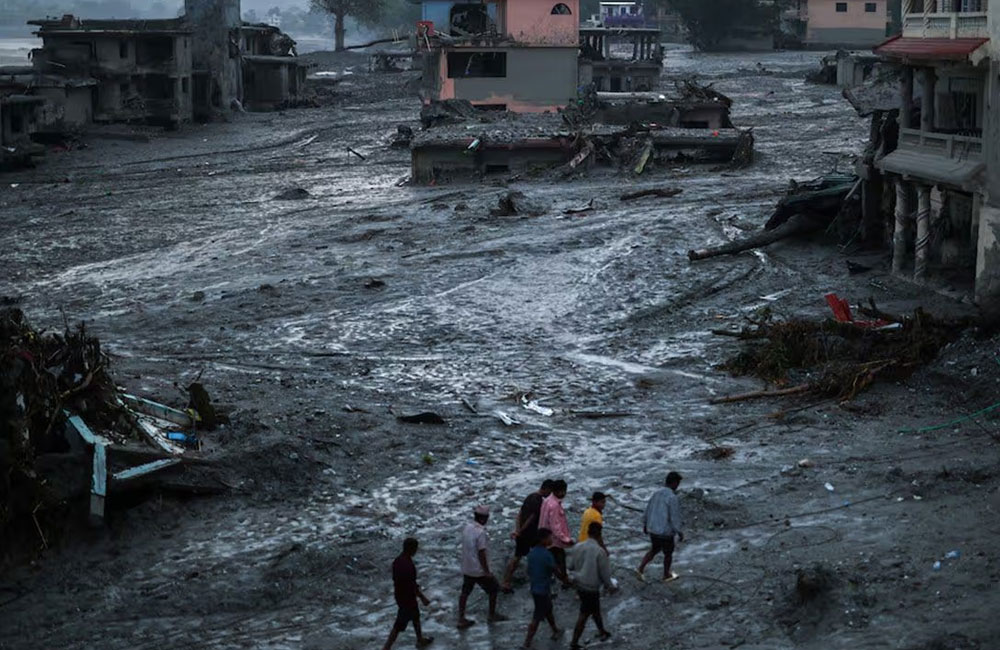
Nepal flood losses estimated at $2.56 billion, official says
Property, housing and infrastructure worth at least 387.5 billion Nepalese rupees ($2.56 billion) was lost in Nepal's catastrophic floods last week, the country's disaster authority chief told Reuters on Friday.
In the first four months of early recovery, the estimated cost to build roads and temporary shelters, provide drinking water and restore power would be around $52.6 million, Dharma Raj Upreti, chief of the National Disaster Risk Reduction and Management Authority, said.
"These are estimated amounts. We have calculated this in coordination with different concerned agencies and departments," Upreti said, adding that a detailed assessment would be done soon.
Nepal will need to rebuild around 20,000 houses in flood-ravaged areas, Upreti said on Thursday, with at least 7,500 of those homes destroyed.
The collapse of a glacier sent a flood of ice, rock and mud down the Trishuli River in Nepal's border region with China on August 26, wiping out towns and villages and killing more than 1,250 people, with more than 4,200 still missing and thousands displaced.
Source: Reuters
Labour Ministry Says Sri Lanka’s 120th Minimum Wage Ranking Does Not Reflect Current Wages
Sri Lanka’s Labour Ministry has rejected the impression that the country’s position as the 120th lowest-ranked country in a global minimum wage comparison represents its current wage situation.
The Ministry said the ranking was based on data from 2024 published by Visual Capitalist and was not compiled or released by the International Labour Organization (ILO).
According to the Ministry, the ILO has confirmed that it had no role in producing the ranking. However, the figures may have been sourced from ILOSTAT, the organization’s publicly accessible database of comparable labour statistics, which includes information on statutory minimum wages and purchasing power parity-adjusted figures.
The Ministry noted that comparisons of minimum wages across countries need to be treated with caution. Wage systems can differ considerably depending on factors such as geographic coverage, sectors and occupations. A ranking based solely on minimum wage figures also does not necessarily show how widely those wages apply in practice or whether employers comply with them.
Sri Lanka’s wage structure has also changed considerably since the data used for the comparison was compiled.
At the start of 2024, the country’s national minimum wage was Rs. 12,500 per month. This was raised to Rs. 17,500 from September 11, 2024. Workers were also entitled to a mandatory Budgetary Relief Allowance of Rs. 3,500, bringing the applicable minimum monthly remuneration to Rs. 21,000.
The Ministry said it could not be determined from the reported ranking whether the calculation was based on the original Rs. 12,500 figure, the revised Rs. 17,500 wage, or whether the additional allowance had been taken into account.
Further increases followed. The national minimum wage rose to Rs. 27,000 in April 2025 and was subsequently increased to Rs. 30,000 in January 2026. The earlier Budgetary Relief Allowances were incorporated into the new minimum wage.
As a result, the current national minimum wage stands at Rs. 30,000 a month, compared with Rs. 12,500 at the beginning of 2024.
The Ministry said this represents an increase of more than 87% over the period and stressed that the 120th-place ranking, which relies on 2024 information, should not be interpreted as an indication of Sri Lanka’s present minimum wage level.
It urged that the international comparison be considered in the context of the subsequent wage increases and differences between national minimum wage systems.
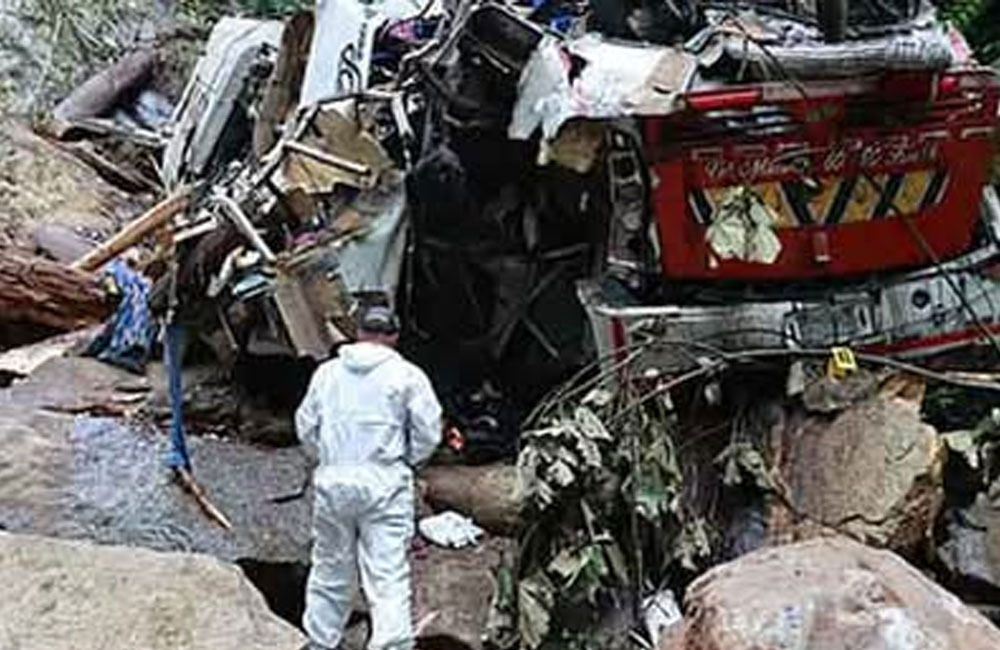
Pregnant Woman Killed in Sharp Weapon Attack in Kalpitiya
A 26-year-old pregnant woman has died after allegedly being attacked with a sharp weapon during a dispute in the Palakudawa area of Kalpitiya.
According to police, the woman was injured in the attack yesterday afternoon (03) and was subsequently admitted to Kalpitiya Hospital. She later succumbed to her injuries while receiving treatment.
The deceased has been identified as a 26-year-old resident of Palakudawa, Kalpitiya.
Preliminary investigations indicate that the woman had separated from her husband and was living with another man. Police said the man allegedly attacked her with a sharp weapon following a family dispute that had escalated.
A 36-year-old man has been arrested in connection with the incident.
Kalpitiya Police are continuing investigations into the circumstances surrounding the woman’s death.
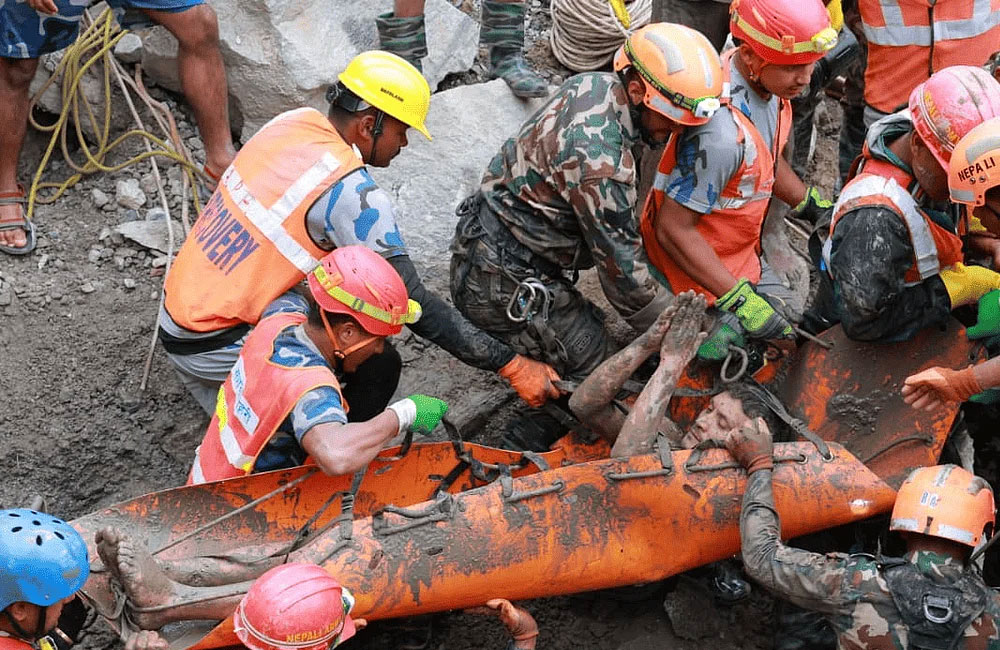
Nine days after disaster, two pulled alive from Nepal hydropower tunnel
Two people were pulled out alive on Friday from a tunnel linked to a hydropower station on the Trishuli River in Nepal, nine days after an ice, rock and mud slide swept through its valley, killing more than 1,200 people and displacing tens of thousands.
Officials and rescue workers believe the August 26 collapse of a glacier on the upper reaches of the Trishuli River trapped at least 900 people in tunnels related to six hydropower projects along the river.
At least 1,252 people were killed in Nepal as houses, streets and schools in towns and villages near the border with China's Tibet were swept away. More than 4,200 people are still missing and thousands more displaced.
China has put the death toll in Tibet at 21, with 541 others listed as missing.
The two workers pulled from the tunnel at the Upper Trishuli 3A Hydropower Station are the first to be rescued from the hydropower projects and have been taken to an army hospital in the capital Kathmandu. A small group had managed to escape from another tunnel hours after the disaster struck.
The workers rescued on Friday were Sanjay Sah, a mechanical foreman, and Kabir Maharjan, a mechanical supervisor, Energy Minister Biraj Bhakta Shrestha’s office said in a statement.
Videos and photos released by Nepali authorities showed Maharjan being pulled out of a hole in the ground amid cheering bystanders and put on a stretcher.
The other man, Sah, was carried out on the back of a worker to a rescue tent, his face covered in mud.
In one of the videos, a team of army doctors attended to Sah at a tent near the tunnel before he was taken to hospital, fitting what appeared to be an oxygen mask around his mouth and checking his vitals.
"His name is Sanjay Sah and he was working in mechanical control room. The vital parameters look normal," an army official said.
Sah told rescuers he spent time reciting mantras (verses from a prayer) while he was trapped, according to the Kathmandu Post. He said three or four more people could be alive in the tunnel, and possibly more deeper in its reaches.
Maharjan cannot move his hands and legs but Sah's injuries are not critical, an aide to the energy minister told Reuters.
Amir Maharjan, Kabir's brother, said he has not received any news officially but has been told to go to the hospital.
"I have been hearing from the news that my brother has been found. The entire family is very happy," Amir said.
Both survivors are in the intensive care unit, a source from the army hospital where they were taken told Reuters, with their vital signs stable.
A team of experts in a WhatsApp group was guiding rescue workers in the search at the hydropower projects in what has become a valuable tool alongside helicopters and heavy machinery in the race to find survivors.
More search and rescue operations were underway around the Upper Trishuli 3A project, the Nepali Army said. Rescue efforts were being led by the army and police, with assistance from experts from India, South Korea and China.
Dhan Bahadur Tamang, who earlier escaped from a tunnel linked to the Upper Trishuli 1 hydropower project, upriver from where the two men were pulled out on Friday, said their rescue was a miracle and raised the hope of finding more survivors.
FLOOD LOSSES ESTIMATED AT $2.56 BILLION
Property, housing and infrastructure worth at least 387.5 billion Nepalese rupees ($2.56 billion) was lost in last week's catastrophe, Dharma Raj Upreti, chief of the National Disaster Risk Reduction and Management Authority, said on Friday.
Nepal will need to rebuild around 20,000 houses in flood-ravaged areas, Upreti said on Thursday, with at least 7,500 of those homes destroyed.
At least 583 foreign nationals were missing in the floods, Nepal said on Thursday, many of them pilgrims and trekkers.
Australian disaster response specialists left for Nepal on Friday to join the search for survivors, as the government there expressed "serious concerns" for the welfare of its 36 missing citizens.
Source: Reuters
Man Arrested in Ginigathhena Over Alleged Sharing of Woman’s Nude Photos
A 36-year-old man has been taken into custody over allegations that he shared nude photographs of a woman on social media, police said.
The suspect was arrested yesterday afternoon (03) in the Ginigathhena area by officers attached to the Kandy Sub-Unit of the Computer Crime Investigation Division of the Criminal Investigation Department (CID).
The arrest followed an investigation initiated after authorities received a complaint regarding the alleged incident.
Police identified the suspect as a resident of Ginigathhena.
According to preliminary investigations, the suspect had previously been married to the woman who made the complaint. The two had legally separated before the alleged act took place, police said.
Further investigations into the incident are being conducted by the Kandy Sub-Unit of the CID’s Computer Crime Investigation Division.
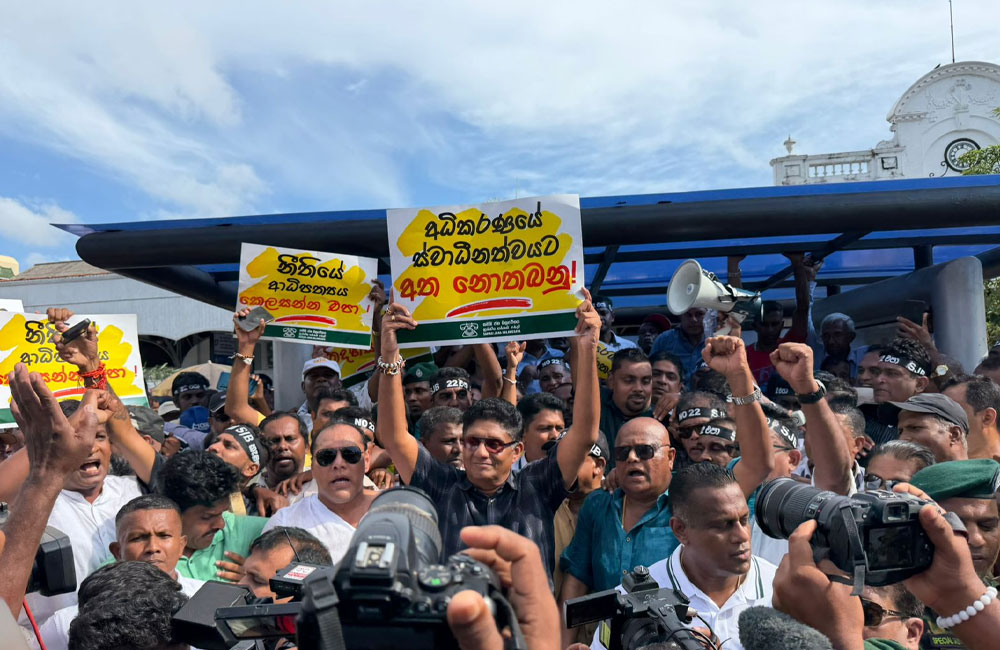
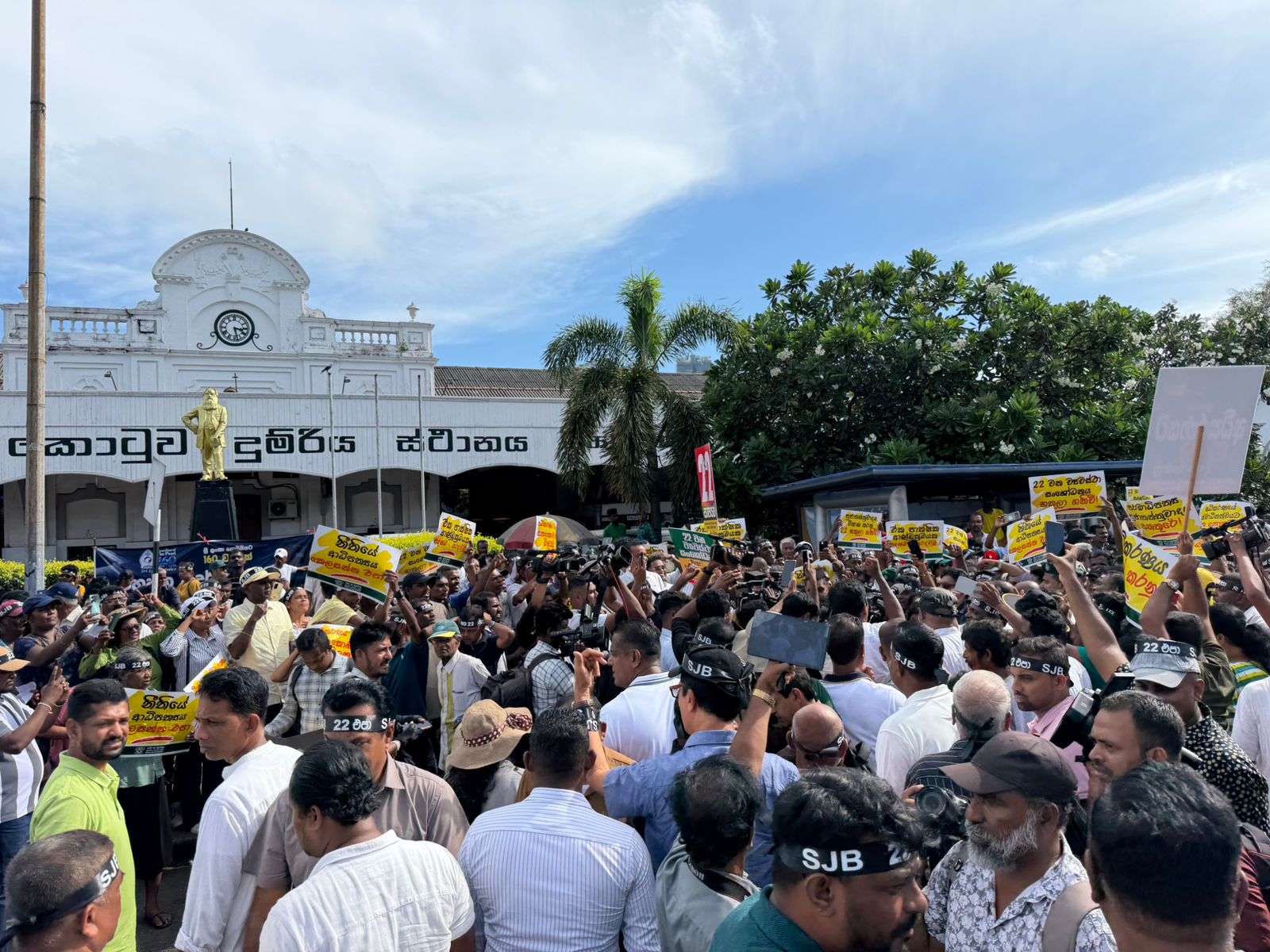
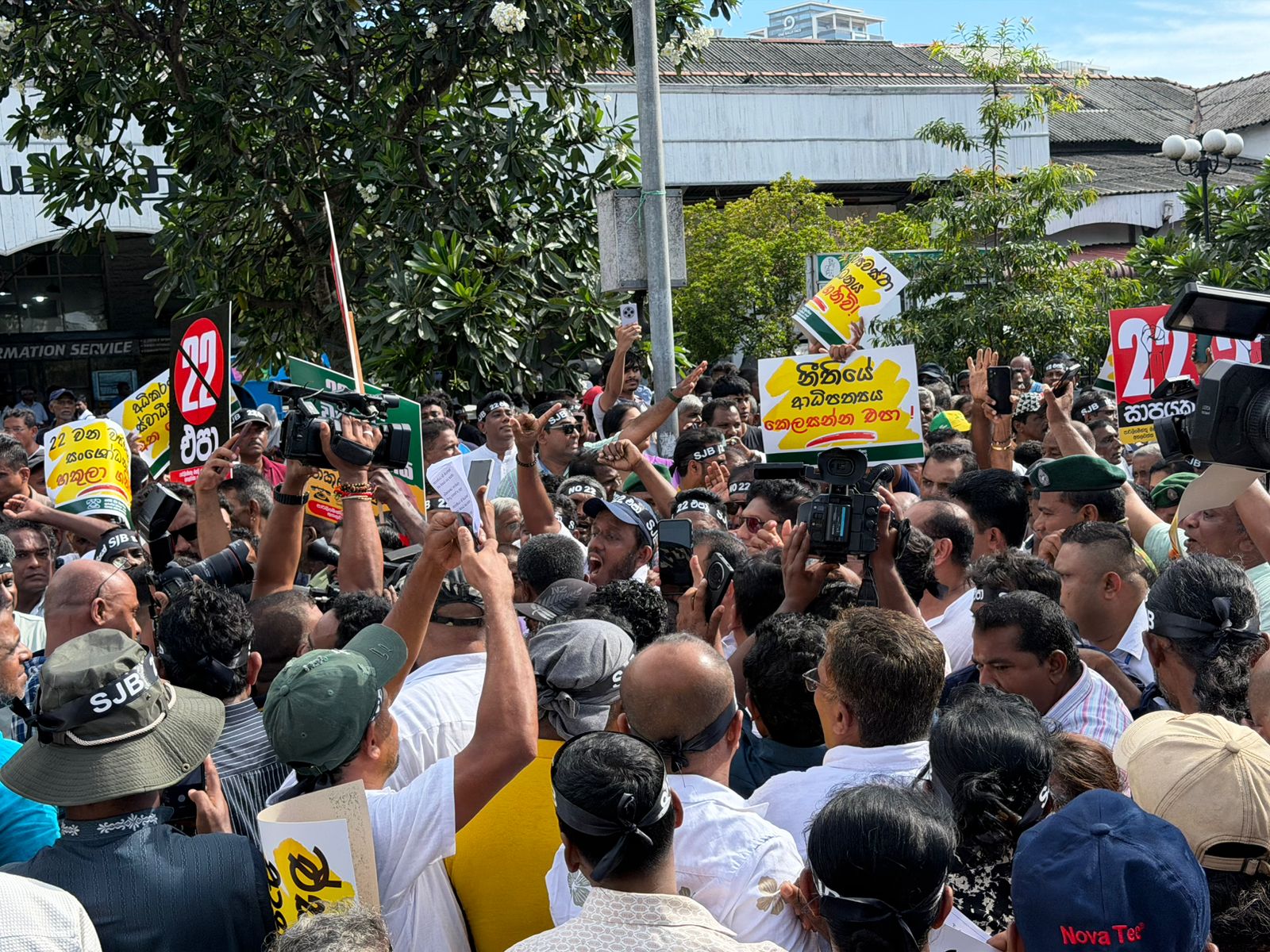
Opposition Leader vows to defeat 22A, accuses govt of driving towards one-party rule
Opposition Leader Sajith Premadasa alleged that the National People’s Power (NPP) government is attempting to establish one-party rule and erode Sri Lanka’s democratic safeguards following a public protest in Colombo Fort.
Addressing supporters at a rally organised by the Samagi Jana Balawegaya yesterday (03), Premadasa pledged that the main opposition alliance would deploy all available parliamentary and extra-parliamentary mechanisms to block the proposed 22nd Amendment to the Constitution.
He claimed that the government brought forth the proposed constitutional changes to concentrate political power in a single party while undermining judicial independence.
Linking the constitutional dispute to socio-economic pressures, he pointed to rising poverty, soaring commodity prices, and growing joblessness caused by the stagnation and closure of the 200 garment factories initiative.
He asserted that the administration possessed no coherent strategy to alleviate economic hardship, relying instead on authoritarian measures to consolidate control.
The Opposition Leader cautioned against parliamentary overreach, dismissing the belief that a legislative majority grants a government total authority to pass contested bills.
Citing the opposition’s past parliamentary campaign against the Energy Minister, he observed that sustained public pressure ultimately forced the removal of both the minister and the ministry secretary despite the initial defeat of a formal no-confidence vote.
Premadasa said that a similar broad-based resistance under the 'Samagi Jana Sandhanaya' banner would defeat the 22nd Amendment and safeguard rule of law.
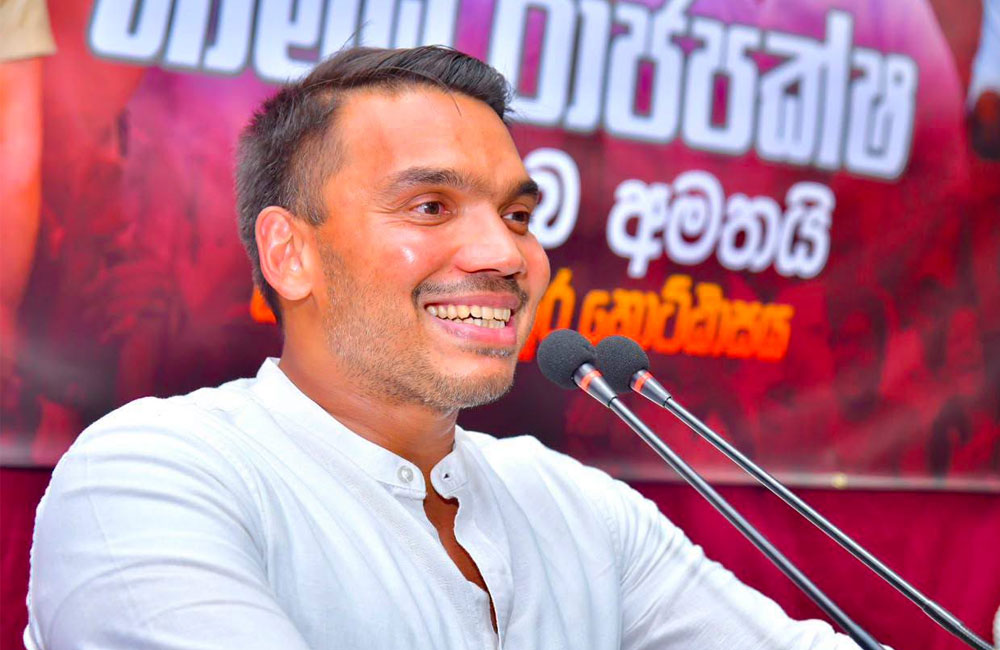
Namal Rajapaksa Appears Before CIABOC Over Airbus Deal
Sri Lanka Podujana Peramuna (SLPP) National Organiser and Parliamentarian Namal Rajapaksa appeared before the Commission to Investigate Allegations of Bribery or Corruption (CIABOC) today (04) to provide a statement concerning the Airbus deal.
Rajapaksa was summoned by the Bribery Commission in connection with the matter and had reportedly received a written notice instructing him to appear before the commission this morning.
He subsequently arrived at the CIABOC premises and appeared before the commission a short while ago.
The appearance comes as part of the commission’s proceedings relating to the Airbus deal.
CPC Announces Price Cuts for Furnace Oil and Naphtha
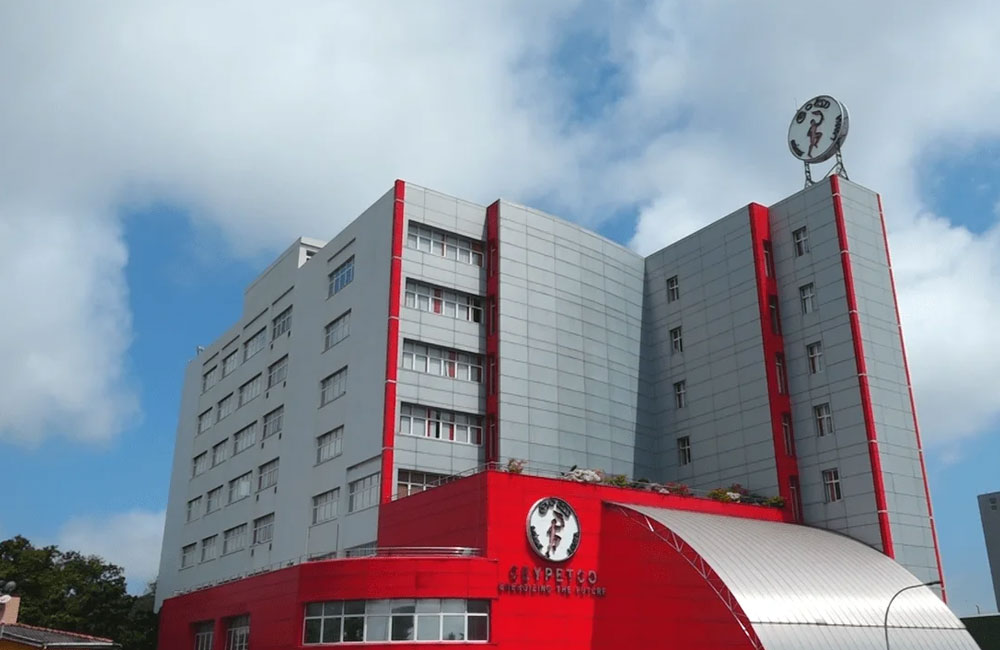
The Ceylon Petroleum Corporation (CPC) has announced reductions in the prices of furnace oil and naphtha, with the new rates taking effect from midnight today (04).
CPC Managing Director Mayura Neththikumara confirmed that the revised prices will come into effect from midnight.
Accordingly, the price of a litre of naphtha has been reduced by Rs. 35, bringing it down from Rs. 210 to Rs. 175.
The price of a litre of furnace oil has also been reduced by Rs. 38, from Rs. 248 to Rs. 210.
Sri Lanka must evaluate dedicated Constitutional Court to protect democracy - Sajith
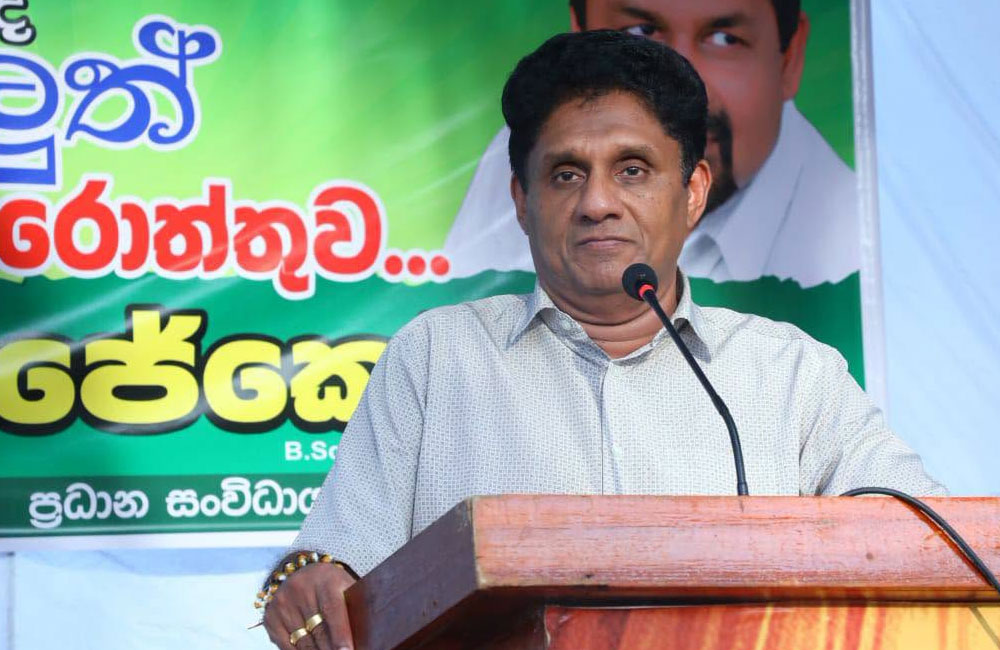
Opposition Leader Sajith Premadasa has called for long-term constitutional reforms anchored in judicial independence and the rule of law to ensure democratic stability across changes in government.
Following discussions with Commonwealth Lawyers Association President Steven Thiru at the Opposition Leader's Office in Colombo yesterday (03), Premadasa said that state structures must remain credible regardless of which political party holds power.
He stressed that institutional design should prioritize citizen security rather than serve the short-term interests of sitting governments or opposition parties.
The Opposition Leader said that Sri Lanka could evaluate the long-term necessity of a dedicated Constitutional Court or a specialized constitutional review mechanism without interfering in active judicial proceedings.
The composition, appointment process, and authority of any new judicial entity would require careful planning alongside its relationship with the Supreme Court and the Court of Appeal, he noted.
During the discussion, the Commonwealth Latimer House Principles were highlighted as a vital international benchmark when evaluating the separation of powers among Parliament, the Executive, and the Judiciary.
The meeting also addressed the environmental rule of law, with Premadasa referencing policy commitments under Section 14 of the Environmental Charter 2.0 presented during the 2024 presidential election to set up a specialised environmental court or tribunal, expressing interest in studying Commonwealth models to strengthen environmental justice and dispute resolution.
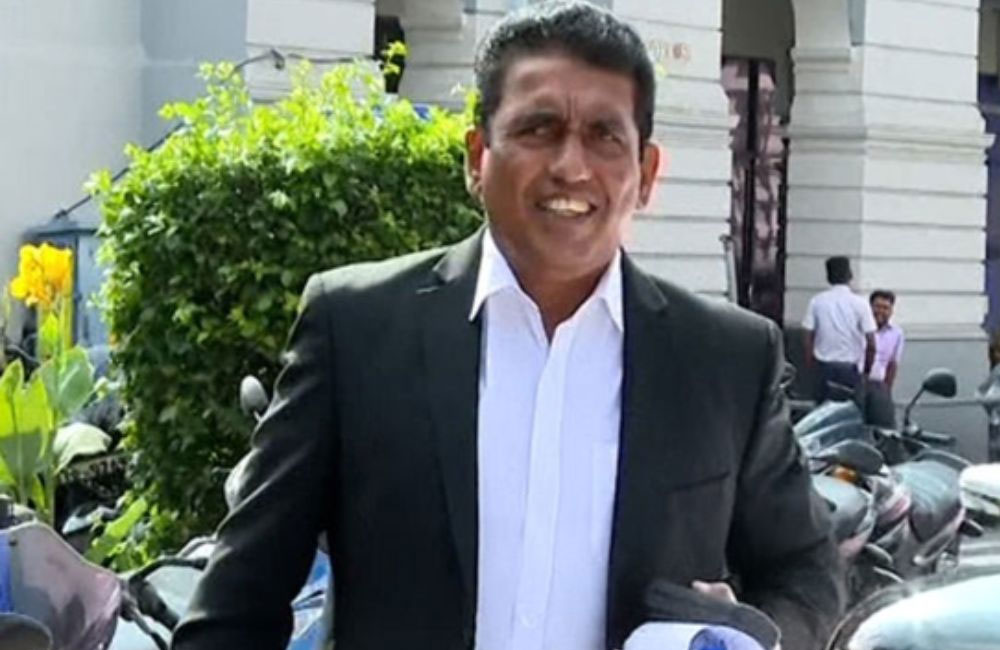
Former Minister Johnston Fernando Arrested by CIABOC
Former Minister Johnston Fernando has been arrested by the Commission to Investigate Allegations of Bribery or Corruption (CIABOC) in connection with an ongoing investigation.
Fernando arrived at the Bribery Commission today to provide a statement regarding the investigation.
Following his appearance before the commission, he was taken into custody by CIABOC officers.
Further details regarding the investigation and the allegations have not been disclosed.
Wimal Weerawansa Asset Case to Resume on September 22
The Colombo High Court has fixed September 22, 2026, for the next hearing of the case against former Minister Wimal Weerawansa over alleged unlawful acquisition of assets valued at more than Rs. 75 million.
The case was heard today (3) before Colombo High Court Judge Mohamed Mihail.
Following submissions made before the court, the judge directed that the matter be taken up again on September 22. The court also ordered that summons be issued to witnesses, requiring them to appear on the next hearing date.
The case was instituted by the Commission to Investigate Allegations of Bribery or Corruption (CIABOC) during the previous Good Governance Government.
According to the allegations, Weerawansa acquired assets exceeding Rs. 75 million beyond what could be justified by his legitimate income between 2010 and 2014, when he was serving as a Cabinet Minister.
CIABOC has alleged that the acquisition amounted to an offence under the Bribery Act.
Page 24 of 791