News
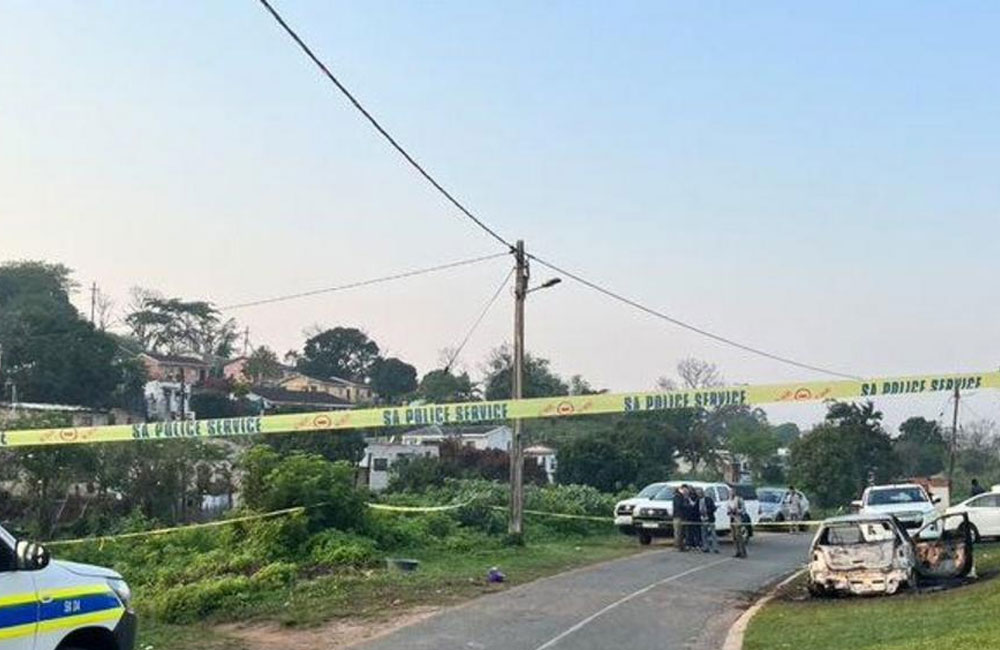
Eleven killed in mass shooting at house in South Africa
At least 11 people have been killed in a mass shooting in a residential building near the South African city of Durban.
Gunmen stormed a house in the KwaMakhutha township late on Tuesday and opened fire on 14 people. Ten were killed at the scene and four were taken to hospital, where one later died from their injuries, police said.
Police said some of the victims were on their watch in connection with illegal activities, which they could not "divulge at the moment to protect investigations which have been launched".
While the motive of the shooting has not yet confirmed, the police said they could not rule out a "feud between rival groupings".
"Information available at this stage suggests that 13 men and one woman, who is believed to be pregnant, were reportedly having a party inside a house when three men arrived and opened fire on them," the police said in a statement. The woman is among those who died.
A local TV reporter from the eNCA channel at the scene said the gunmen had set fire to a vehicle belonging to one of the victims before fleeing, with footage showing the burnt-out car.
South Africa has one of the world's highest murder rates, with police data showing a murder rate equivalent to more than 60 deaths a day.
In recent weeks, the gruesome discovery of at least nine murdered women, with some of the bodies dumped by the roadside, has heightened fears in the country.
Last year, nine people were killed in a mass shooting at a tavern in Johannesburg.
Source: BBC
Three New High Court Judges Appointed
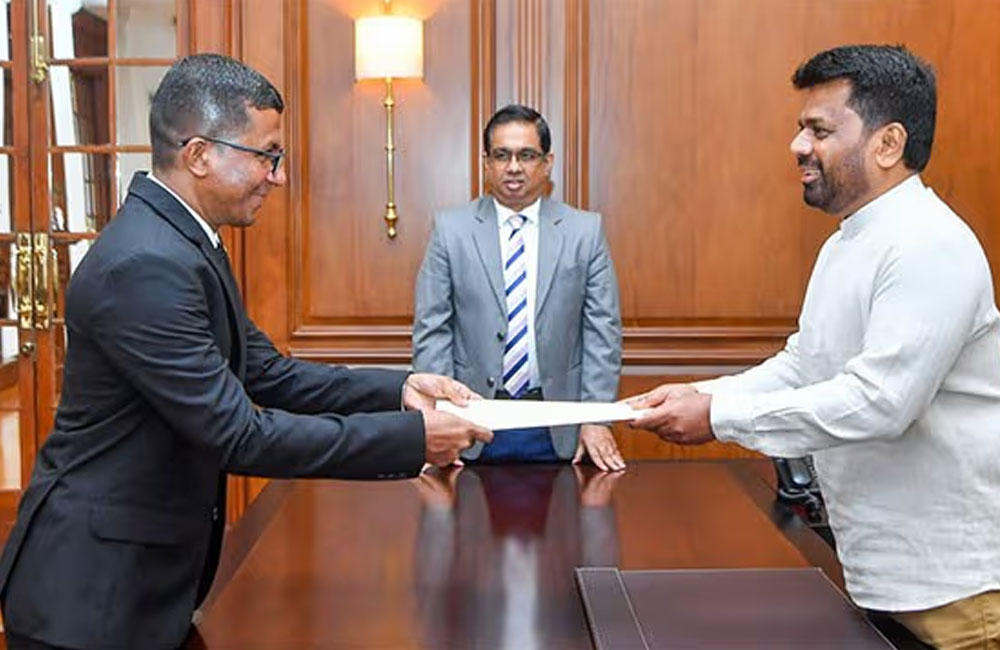
The newly appointed judges are Perumal Sivakumar, Anandi Kanagaratnam and Gnanesa Lalith Kannangara, all of whom previously held Special Grade positions within the Judicial Service.
Sivakumar was serving as the Jaffna District Judge prior to his appointment, while Kanagaratnam was serving as Senior Assistant Secretary of the Judicial Service Commission. Kannangara was serving as the Colombo District Judge.
The official letters confirming their appointments were handed over by President Dissanayake during a ceremony held at the Presidential Secretariat this morning (23).
Secretary to the President Dr. Nandika Sanath Kumanayake was also present at the occasion when the appointment letters were presented.

New Sri Lanka Cricket Bill to Be Gazetted Following Cabinet Approval
The proposed legislation to overhaul the administration and governance of cricket in Sri Lanka is set to be published in the Government Gazette after receiving Cabinet approval.
Cabinet Ministers approved a proposal submitted by the Minister of Youth Affairs and Sports to gazette the Sri Lanka Cricket Bill and subsequently present it to Parliament for consideration.
The move follows an earlier Cabinet decision on June 8, 2026, to introduce legislation aimed at restructuring the administration of Sri Lanka Cricket.
Drafted by the Legal Draftsman, the Bill sets out provisions for the establishment of Sri Lanka Cricket, along with its powers and responsibilities concerning the regulation, development, promotion, governance and administration of the sport.
The proposed framework places emphasis on principles including good governance, integrity, transparency, accountability, inclusiveness and equal opportunity in the development of cricket.
It also contains provisions aimed at protecting the welfare of individuals involved in the sport and preventing corruption and other forms of misconduct within cricket administration.
The Bill has already obtained clearance from the Attorney General.
Once published in the Government Gazette, the proposed legislation will be presented to Parliament for consideration and approval.
Opposition Leader meets IMF team to discuss post-2027 economic framework
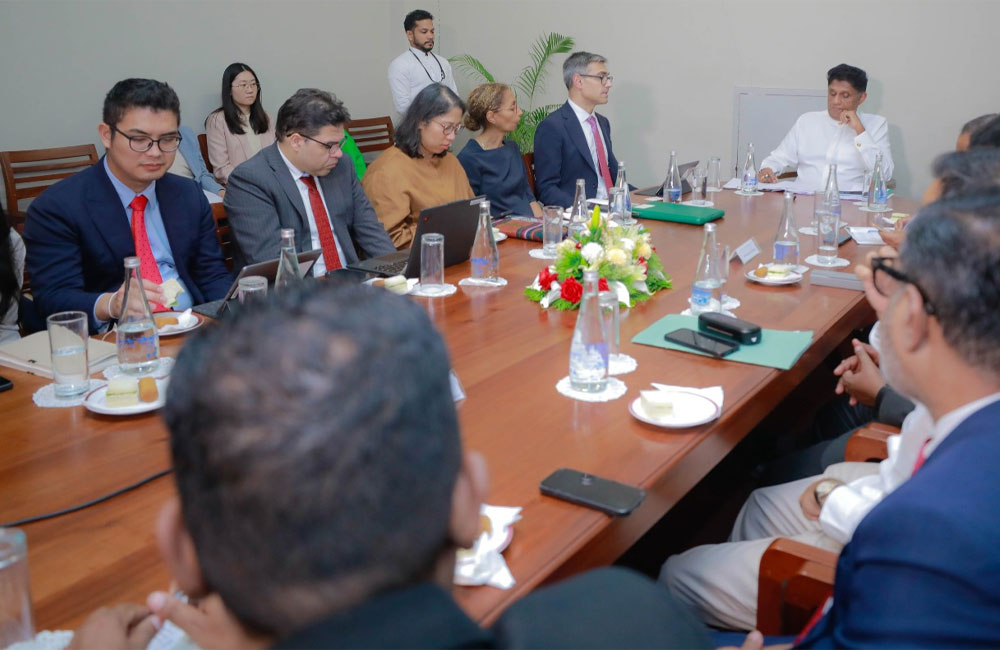
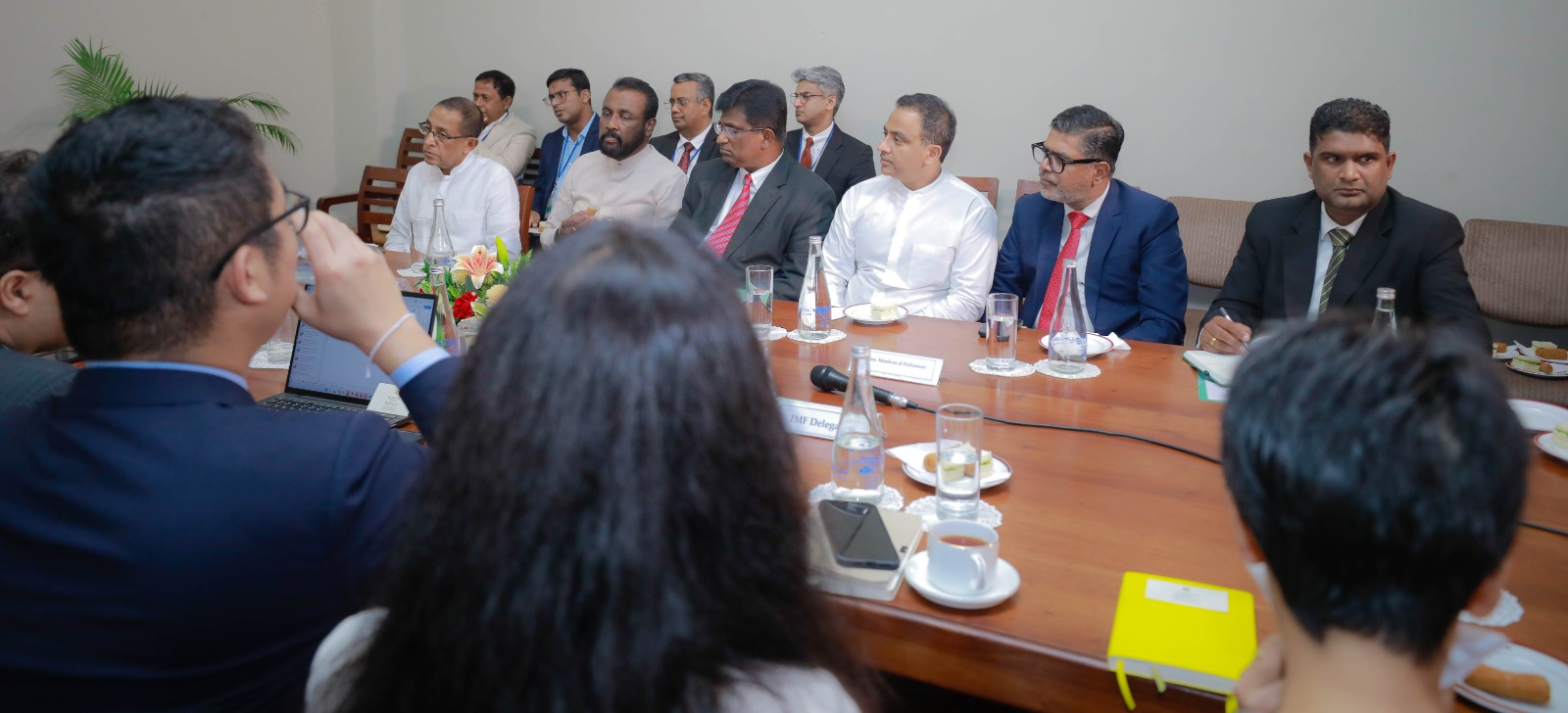
Opposition Leader Sajith Premadasa met an International Monetary Fund (IMF) delegation at the Opposition Leader's Office in Parliament today (23) to discuss Sri Lanka's economic stability following the conclusion of the current Extended Fund Facility programme.
The high-level meeting brought together key representatives from both sides as the IMF continues its structured engagement with the country.
Mission Chief Evan Papageorgiou led the IMF delegation alongside Resident Representative Martha Woldemichael and other officials.
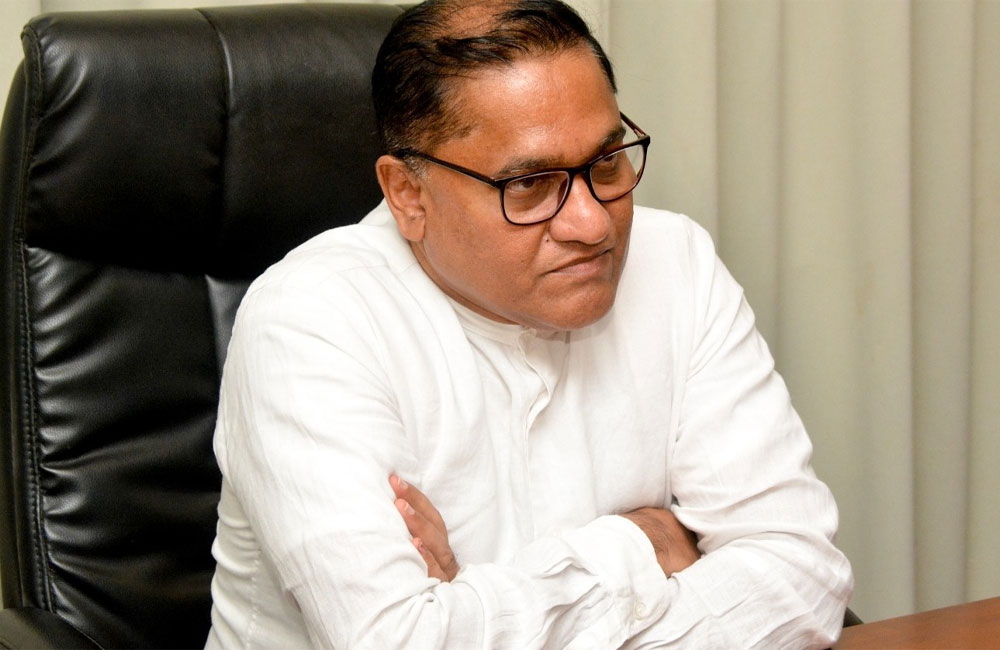
A Samagi Jana Balawegaya (SJB) delegation including Parliamentarians Harsha de Silva, Kabir Hashim, and Harshana Rajakaruna accompanied the Opposition Leader.
The engagement took place ahead of the scheduled seventh review in October 2026 and the eighth review in March 2027.
Focus on post-2027 economic strategy
Both parties examined the structural framework necessary to protect the nation from future external shocks once the present financing facility expires in March 2027.
The discussions centred on debt sustainability, foreign exchange reserves, fiscal conditions, and external sector performance.
They evaluated specific economic targets required by the end of the current arrangement to ensure sound public finances and manageable external debt burdens.
Premadasa questioned the IMF regarding the exact quantitative indicators that would mark a successful transition away from IMF financial assistance.
He requested details on the specific circumstances that might require a successor financing programme beyond the current cycle.
Protecting vulnerable citizens and businesses
Premadasa argued that tax policies and fiscal consolidation measures must not impose an unfair burden on working class citizens and low-income households.
He said that the progress of IMF reforms should be evaluated through real improvements in poverty reduction, employment, and everyday living costs rather than top-level macroeconomic figures alone.
He highlighted the severe debt challenges confronting micro, small, and medium-sized enterprises across the island.
Premadasa urged international lenders to support policies that protect local entrepreneurship and bolster domestic production capacity.
He called for reliable, timely household data to enable evidence-based policymaking that actively tracks social welfare impacts.
He asserted that true economic recovery requires a shift from basic stabilization toward inclusive growth that elevates household incomes across all segments of society.
The Opposition Leader stressed that macroeconomic discipline remains vital, but must directly translate into tangible economic security for the general public.
Sri Lankan National Sentenced to Death in Saudi Arabia, Foreign Minister Says
Sri Lankan national Sivarasa Anojan has been sentenced to death in Saudi Arabia following an appeal filed by the Saudi prosecution, Foreign Minister Vijitha Herath told Parliament today.
Herath said an appeal submitted by the Sri Lankan Government on behalf of Anojan had been rejected.
According to the Minister, the Saudi prosecution had appealed for Anojan to be dealt with under Sharia law instead of the country’s cybercrime legislation. Following the appeal, the death sentence was imposed.
The Sri Lankan Government is continuing diplomatic efforts in the case, while arrangements are also being made to obtain legal opinions from experts in both Sri Lanka and Saudi Arabia, Herath said.
He further announced that a special delegation headed by the Deputy Speaker is expected to visit Saudi Arabia with a letter from President Anura Kumara Dissanayake addressed to the Saudi King, requesting a pardon for Anojan.
Herath said he also expects to meet the Saudi Foreign Minister next month on the sidelines of sessions of the UN Human Rights Council. During the meeting, he intends to request that the death sentence be commuted or that the punishment be reduced.
The Foreign Minister assured Parliament that the Sri Lankan Government would cover all legal expenses incurred in Saudi Arabia in connection with Anojan’s case.
He added that any legal costs already paid by Anojan’s family would also be reimbursed by the Government.
Opposition Leader demands timeline for graduate employment vacancies
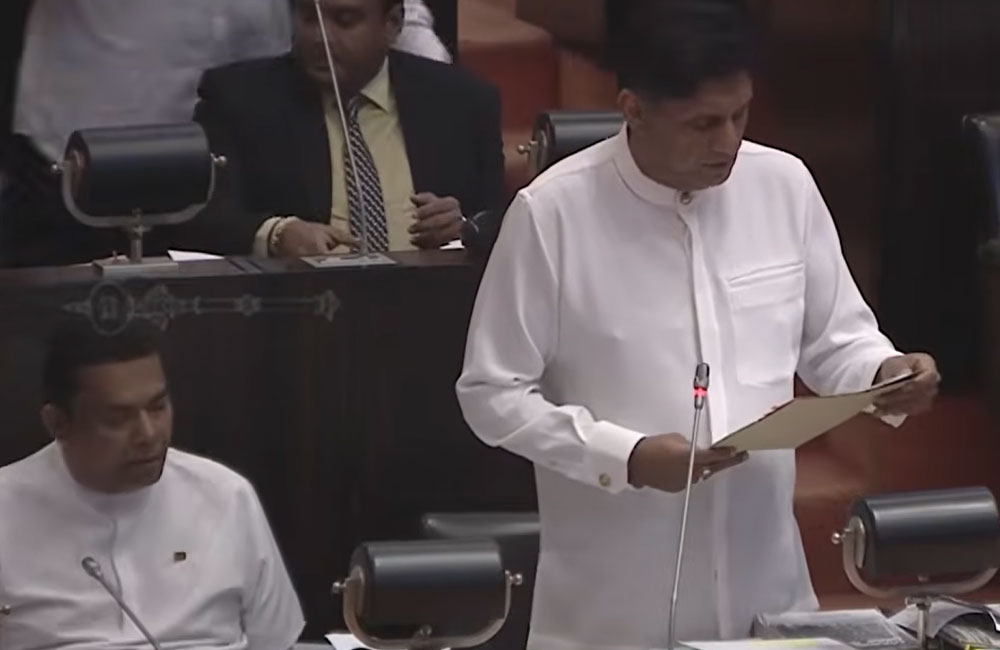
pposition Leader Sajith Premadasa has pressed the government to provide a clear timeline for filling public sector vacancies promised to unemployed graduates, raising the issue in Parliament under Standing Order 27(2).
He called on the government to disclose the total number of unemployed graduates in Sri Lanka, along with the progress achieved under existing programmes designed to secure them employment.
He said that commitments made to graduates during the election period remained largely unfulfilled two years on, with many still awaiting job placements.
The Opposition Leader demanded specific details on the number of vacancies available for direct graduate recruitment across ministries, departments and provincial councils, and sought confirmation on whether these positions would be filled before the close of 2026.
He also requested clarification on the government's plans to recruit development officers and to absorb existing graduate development officers into the teaching service.
The Opposition Leader stressed that tackling graduate unemployment could not rely solely on public sector recruitment, calling instead for a dedicated programme to generate employment opportunities for graduates within the private sector.
He noted that with the next Budget due in the coming weeks, the government ought already to possess the necessary data and strategy to address the issue comprehensively.
Supreme Court Says Anti-Corruption Bill Clauses Require Special Majority
The Supreme Court has determined that several provisions of the Anti-Corruption (Amendment) Bill are inconsistent with the Constitution and can only be enacted with a special majority in Parliament, the Speaker informed the House today (22).
The Court has also ruled that Clause 17 of the Bill, in its current form, requires an additional constitutional procedure.
According to the determination, Clause 17 can become law only if it is approved by a special majority in Parliament and subsequently endorsed by the people at a referendum.
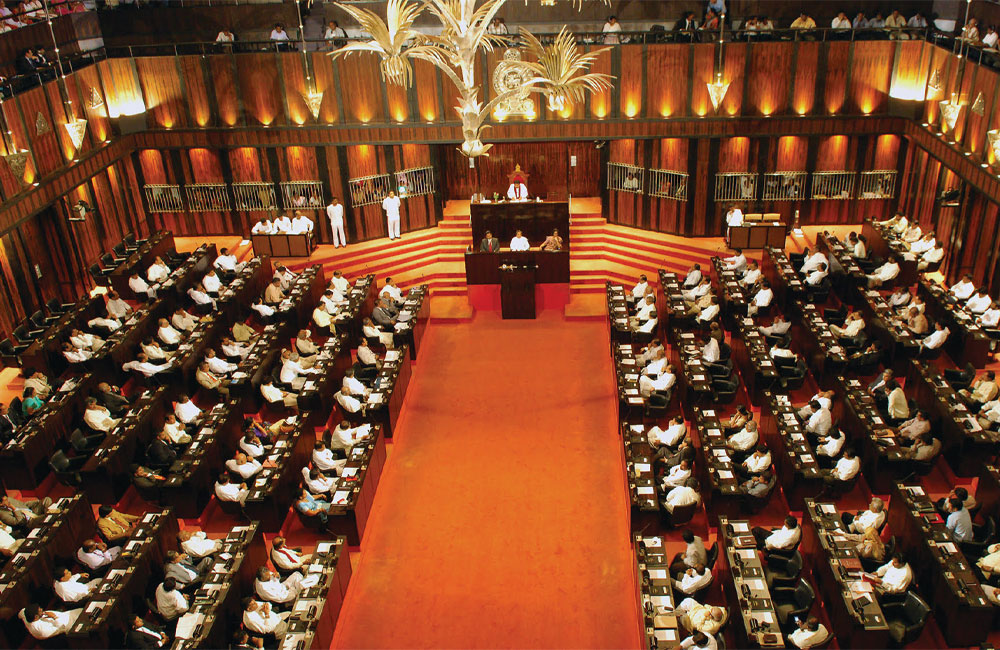
The Supreme Court’s determination was formally presented to Parliament by the Speaker at the beginning of today’s sitting.
The ruling concerns the constitutional requirements that must be followed for the relevant provisions of the proposed amendments to proceed through the legislative process.
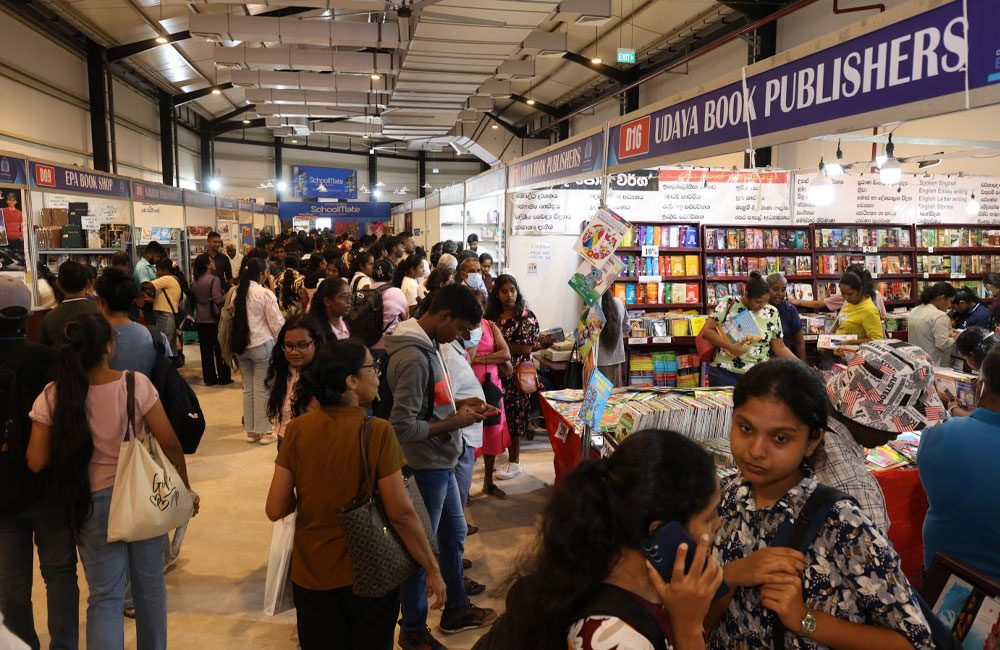
CEA Urges Colombo Book Fair Visitors to Bring Reusable Bags
The Central Environmental Authority (CEA) has called on visitors attending the Colombo International Book Fair 2026 to carry reusable, environmentally friendly bags when purchasing books, as part of efforts to curb plastic waste.
The CEA said it had observed widespread use of plastic shopping bags, commonly referred to as “sili sili” bags, by visitors at previous book fairs for carrying purchased books.
The Authority highlighted regulations introduced under Gazette Extraordinary No. 2456/41 dated October 1, 2025, issued under the Consumer Affairs Authority Act. Under the regulations, plastic bags with handles cannot be provided to consumers free of charge.
Where such bags are sold, the charge must be clearly included on the customer’s bill.
The measures are intended to reduce the environmental impact of single-use polythene and plastic products.
The regulations also prohibit the sale, free distribution, display or use of several other single-use plastic and polythene items, including plastic drinking straws and stirrers, disposable plastic plates, cups, spoons, forks and knives, as well as polythene-based food wrappers commonly known as “lunch sheets”.
The CEA said it had held discussions with food vendors operating within the book fair premises and reached an agreement to ensure that the prohibited plastic and polythene products would not be used during the event.
The Colombo International Book Fair 2026 is scheduled to commence on September 25.
Throughout the event, the CEA, together with the Sri Lanka Publishers’ Association, will conduct a special awareness programme aimed at educating both vendors and visitors on reducing plastic use and promoting environmentally responsible practices.

Suspect Arrested in Alubomulla with Drugs Worth Over Rs. 4 Million
Alubomulla Police have arrested a man after allegedly finding crystal methamphetamine, commonly known as ‘Ice’, and heroin worth more than Rs. 4 million in his possession and at his residence.
The suspect, a resident of Sesatha Mawatha in Wanduramulla, was stopped and searched by police while travelling along the same road.
During the inspection, officers reportedly discovered 15 grams of ‘Ice’ in his possession.
Police subsequently searched the suspect’s residence, where they found another quantity of narcotics concealed inside a wardrobe. The recovered drugs included approximately 190 grams of heroin.
According to police, the suspect has a history of arrests in connection with narcotics offences. He had reportedly been taken into custody on seven previous occasions for possession of drugs and produced before the courts.
Several cases involving the suspect are also said to be pending before the High Court.
Police further said the suspect had been the target of a shooting at his residence around a year ago, when he was allegedly shot while asleep. The attack was reportedly linked to a faction associated with an individual known as ‘Panadura Kudu Nilanga’.
The arrested suspect is scheduled to be produced before the Panadura Magistrate’s Court, according to police.
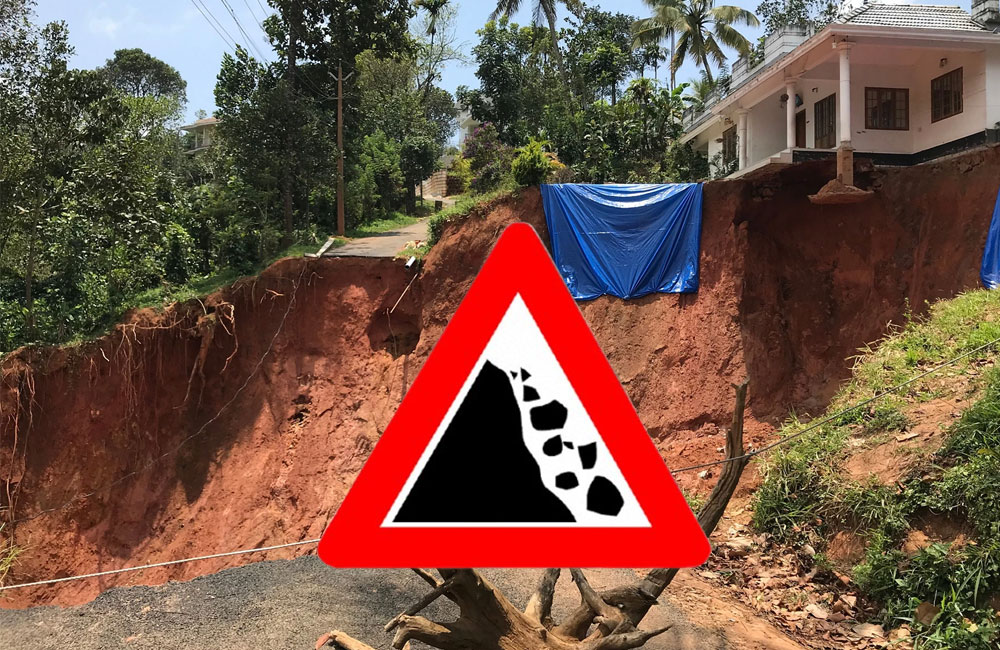
Red Landslide Warnings Remain in Force Across Six Districts
Authorities have maintained the highest-level landslide evacuation warnings in 13 Divisional Secretariat divisions across six districts as heavy and unsettled weather continues to affect parts of Sri Lanka.
The National Building Research Institute (NBRO) said landslide warnings remain in effect across 10 districts, with Level 3 red warnings issued for areas facing an elevated risk of landslides.
NBRO Senior Scientist Hasali Hemasinghe said the red evacuation warnings cover Neluwa in Galle; Walallawita in Kalutara; Pasbage Korale in Kandy; Mawanella, Deraniyagala, Aranayaka, Yatiyanthota and Dehiowita in Kegalle; Nuwara Eliya, Kotmale East, Kotmale West and Ambagamuwa in Nuwara Eliya; and Ratnapura in Ratnapura District.
Residents in these areas have been advised to remain alert, closely follow instructions issued by authorities and evacuate when directed.
Meanwhile, the Disaster Management Centre reported that 1,616 people belonging to 458 families in 41 Divisional Secretariat divisions across 10 districts have been affected by the prevailing weather.
One person has died while another remains missing following weather-related incidents reported since September 18.
In Gampaha District, strong winds that affected the Biyagama area last night damaged five houses in the Galahitiyawa North Grama Niladhari Division. The electricity distribution network in the area was also damaged.
Authorities said 94 people from 26 affected families are currently staying at three safety centres.
The Department of Meteorology has meanwhile warned that rainfall could become more intense later today. Although conditions may ease somewhat during the daytime, showers are expected to strengthen during the evening and night.
Director of the Forecasting Division Merrill Mendis said intermittent showers are expected across the Central, Sabaragamuwa, Western and North Western provinces, as well as the Galle and Matara districts.
According to the latest weather information, rainfall could increase further tomorrow and the following day.
Authorities have urged residents in landslide-prone locations, low-lying areas and communities near river basins to remain particularly vigilant and monitor official weather and disaster alerts.
Water levels in several major rivers also remain elevated, with minor flooding reported in some locations.
Amid the continuing rainfall, two spill gates at the Polgolla Reservoir and one spill gate at the Kukule Ganga Reservoir have been opened.
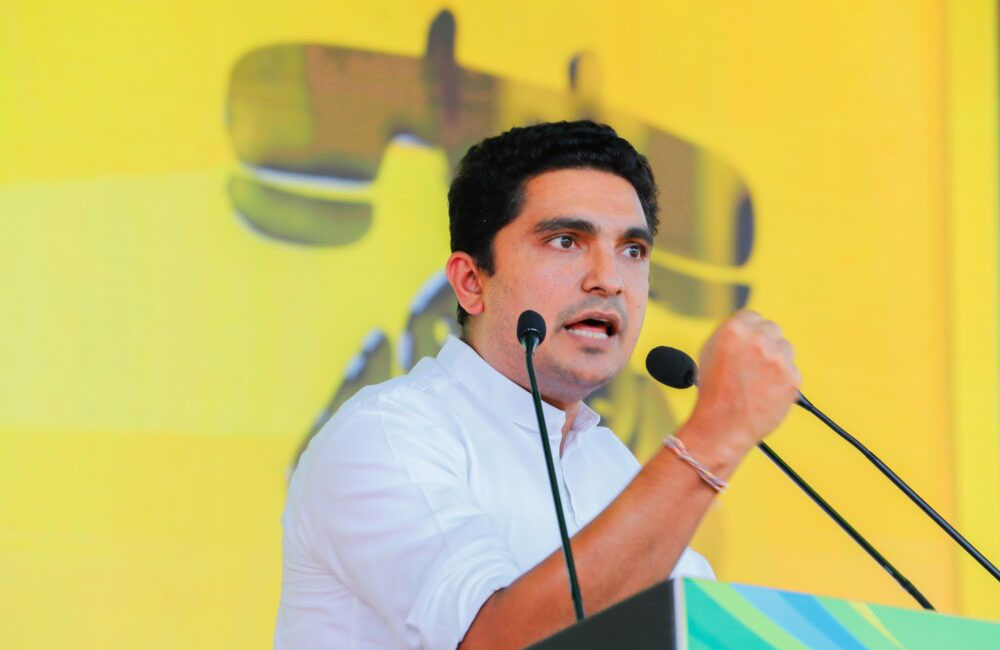
SJB MP predicts President will face jail after 2030
An opposition parliamentarian has predicted that President Anura Kumara Dissanayake will be jailed once his government leaves office in 2030, linking the claim to a cyberattack that cost the Finance Ministry USD 2.5 million in public funds.
Samagi Jana Balawegaya (SJB) MP Prasad Siriwardena made the allegation while accusing the President, who also holds the finance portfolio, of allowing the misuse of state resources and failing to enforce accountability within his administration.
Siriwardana stated that Dissanayake would inevitably face imprisonment once the current government was removed from power in 2030.
He noted that the President bore direct responsibility for the reported financial loss linked to the cyberattack, alleging that Dissanayake had failed to respond appropriately once the breach came to light.
The Finance Ministry confirmed in April that its systems had been compromised by hackers in connection with the loss, adding that complaints had been filed with law enforcement agencies and disciplinary action taken against several officials.
Siriwardena drew a parallel with the conviction of former minister Mahindananda Aluthgamage, citing remarks he attributed to the director general of the Commission to Investigate Allegations of Bribery or Corruption (CIABOC).
He said that Aluthgamage's conviction over the distribution of goods using public funds during an election period had set a legal precedent for prosecuting public officials over the misuse of state resources, and he argued that the same principle could eventually be applied to Dissanayake in relation to the cyberattack.
He clarified that he was not suggesting the opposition intended to personally pursue the President's imprisonment, but maintained that existing legal precedent made such an outcome likely.
Siriwardena also extended his criticism to the President's past political conduct, alleging that Dissanayake had failed to take responsibility during previous political alliances and had made use of corruption investigation files for political ends.
He claimed that files compiled during investigations carried out under former President Maithripala Sirisena's administration had subsequently been used to negotiate political arrangements with individuals facing corruption allegations.
Criticising the government's taxation policies, he alleged that substantial revenue was being collected from businesses, workers and farmers without corresponding accountability in how public funds were being spent.
He asserted that the President could no longer avoid responsibility for the state of governance under his government, and called on the public to scrutinise the government's management of state finances.
Page 4 of 780