News

Audit Raises Concerns Over Rising Theft on Colombo-Katunayake Expressway
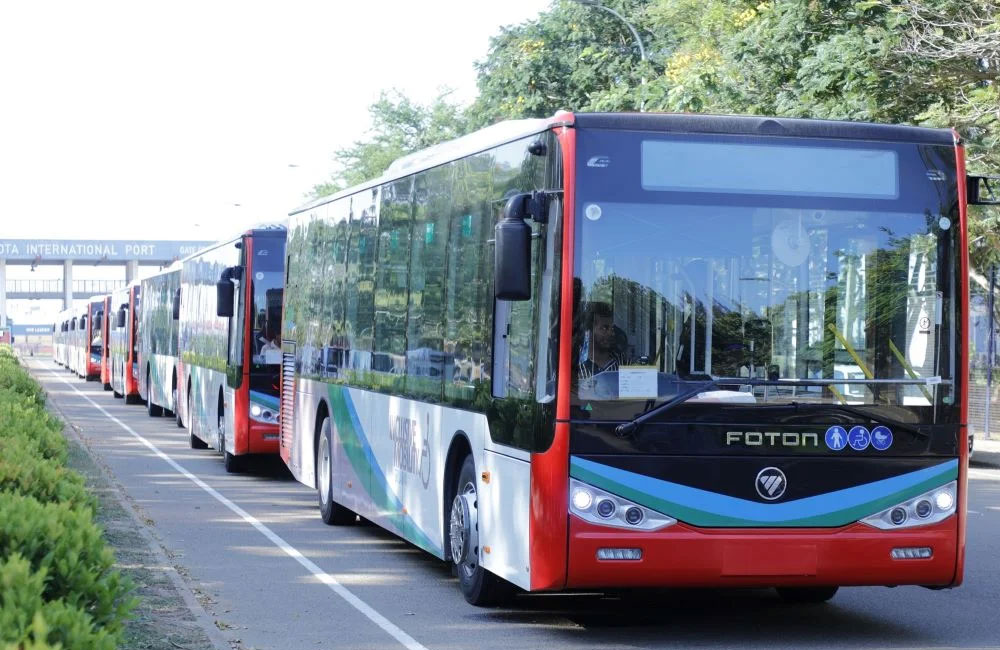
An audit examination has uncovered widespread theft of electrical infrastructure and other equipment along the Colombo-Katunayake Expressway, with 100 incidents recorded between 2021 and 2023.
The findings are contained in the 2024 audit report, which states that the stolen items included electrical cables, copper wires, streetlight poles and other equipment installed along the expressway.
Of the 100 reported incidents, the value of 11 thefts was estimated at approximately Rs. 580 million. The financial value of the remaining 89 incidents had not been established, according to the report.
The audit also identified weaknesses in the design and protection of the expressway's electrical cable system. Cables installed along the median had been partly covered using Hume pipes with a semi-circular diameter of around three feet, instead of being completely enclosed in concrete.
A field inspection found that the method of installation had left the cables vulnerable, allowing them to be relatively easily cut and removed.
According to the audit findings, theft incidents continued to increase after the first case was reported in 2021, with no adequate security mechanism introduced to prevent further incidents. The report also noted that responsible supervisory officers had failed to take the necessary measures.
The financial impact could be significantly higher when the cost of repairing damage across the entire expressway is considered. Based on a comparison with the estimate prepared for the first 10 kilometres, the audit estimated that repairs throughout the expressway could cost more than Rs. 1.77 billion.
The audit further highlighted shortcomings in efforts to identify those responsible for the thefts and resulting damage, noting that adequate action had not been taken in this regard.

Colombo High Court Sets November Date for Money Laundering Case Against Yoshitha Rajapaksa and Daisy Forrest
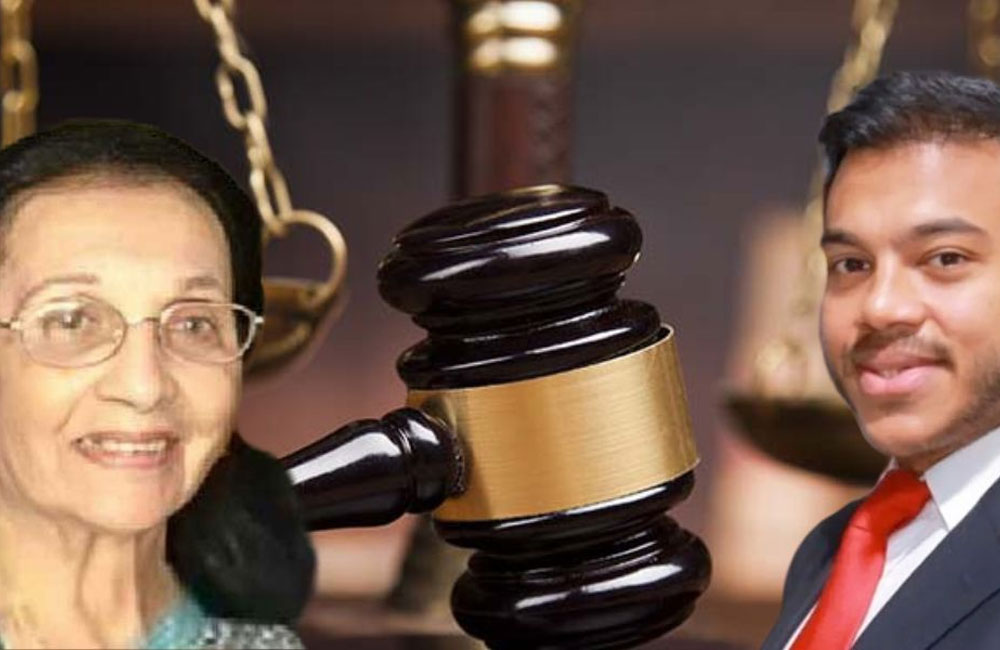
The Colombo High Court has scheduled November 3, 2026, for a pre-trial conference in the money laundering case filed against Yoshitha Rajapaksa, the son of former President Mahinda Rajapaksa, and his grandmother Daisy Forrest.
The case was taken up before the Colombo High Court today (September 28), with Yoshitha Rajapaksa appearing before the court.
Daisy Forrest, who is named as the second accused, did not attend the proceedings. President’s Counsel Anil Silva appeared on her behalf and submitted a medical report to the court.
Following consideration of the submissions made during the hearing, the judge directed that the case be called again on November 3 for the pre-trial conference.
The case was instituted by the Attorney General under the Prevention of Money Laundering Act. The allegations concern the deposit of nearly Rs. 57 million into three bank accounts, with the prosecution alleging that the money had been acquired through unlawful means.
The proceedings will continue with the pre-trial conference scheduled for November 3, 2026.
Court Issues Arrest Warrant for Cricketer Chamika Karunaratne
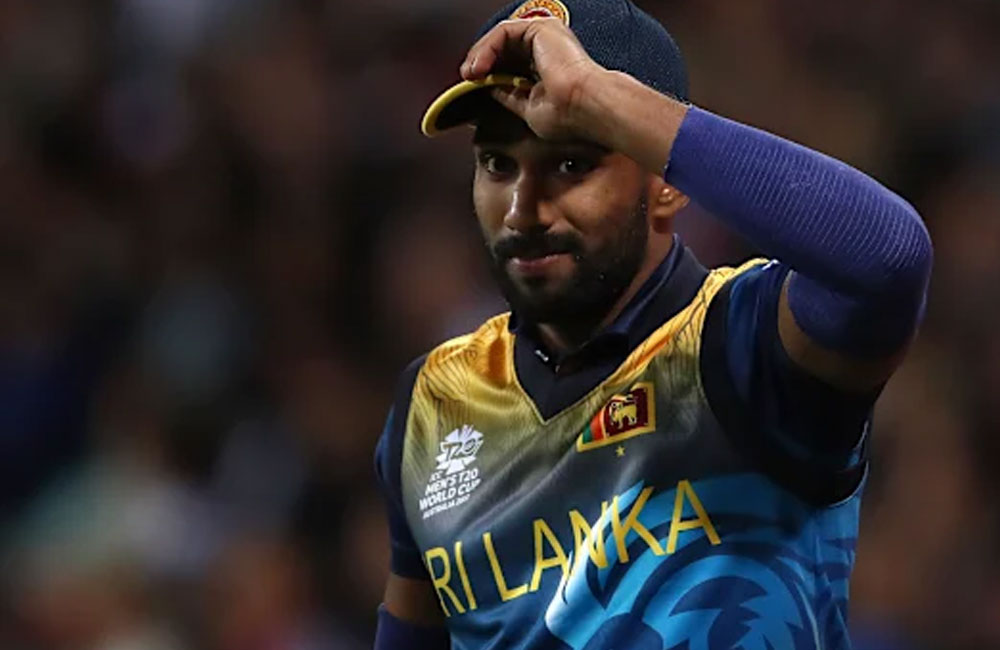
Colombo Additional Magistrate Kasun Kanchana Dasanayake has issued an arrest warrant for cricketer Chamika Karunaratne after he failed to appear before court.
The order was made today when a complaint filed by a female pilot seeking maintenance payments for her child was taken up for inquiry.
As Karunaratne was absent from the proceedings, the Magistrate ordered that he be arrested and produced before the court.
The case relates to the female pilot’s request for maintenance payments for her child.
Sri Lanka should secure successor IMF deal - Sajith
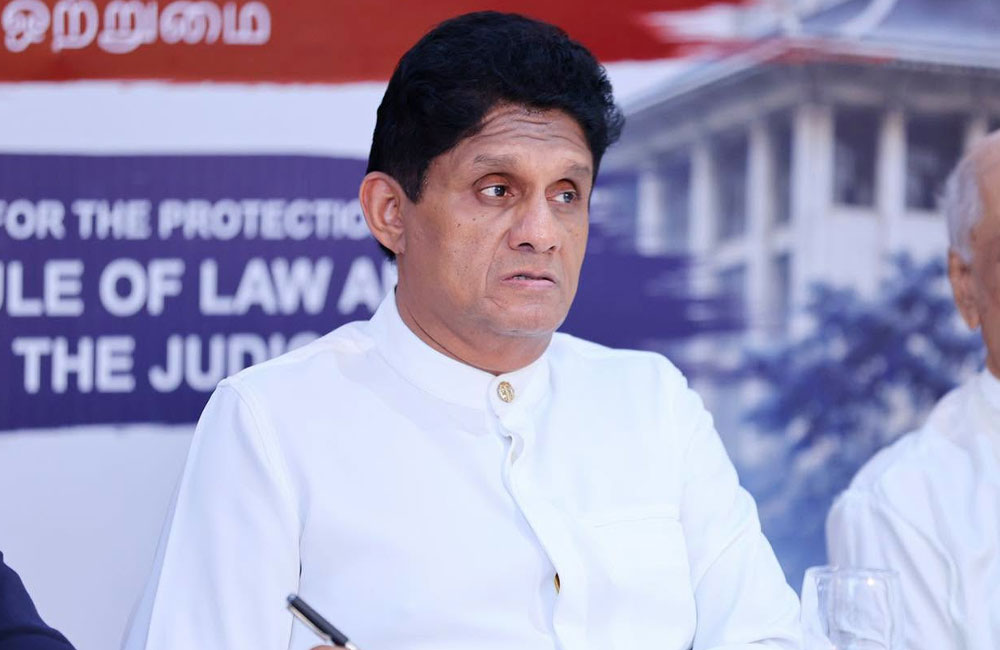
Sri Lanka should secure a successor agreement with the International Monetary Fund (IMF) to targetedly reduce poverty, drive exports, and ease public hardship, Opposition Leader Sajith Premadasa said.
Delivering a special statement following recent comments by Minister Bimal Rathnayake regarding plans to exit the IMF programme when the current Extended Fund Facility expires in March 2027, the Opposition Leader warned that an abrupt departure would expose the island nation to severe economic risks.
The warning comes as fiscal metrics highlight the precarious nature of the domestic economy.
Projections from the multilateral lender indicate that total public debt will remain at 100 per cent of gross domestic product in 2026 before easing slightly to 96 per cent in 2027.
Over the same period, external foreign debt is forecast to rise from 51 per cent to 52 per cent of national output.
With debt servicing and interest obligations set to consume 8.5 per cent of gross domestic product in 2026 and 7.4 per cent in 2027, absorbing approximately 15 per cent of total government revenue, long-term strategic economic management remains imperative to prevent a relapse into insolvency.
The Opposition Leader stressed that macroeconomic stability achieved under the existing arrangement has relied on severe sacrifices imposed on ordinary citizens.
Countering statements that the economic recovery will be complete by March 2027, he insisted that the current programme remains flawed and incomplete.
While acknowledging the necessity of strict fiscal discipline until the expiry date of 3 March 2027, he said that the government must proactively construct a credible alternative framework.
Such a plan, he noted, must safeguard international credibility, ensure sustainable debt, maintain robust foreign exchange reserves, preserve market access, and protect investor confidence, while simultaneously offering immediate relief to farmers, fishermen, labourers, entrepreneurs, the self-employed, youth, women, and children across the country.
Namal Rajapaksa Named as Suspect in CIABOC Krrish Deal Investigation
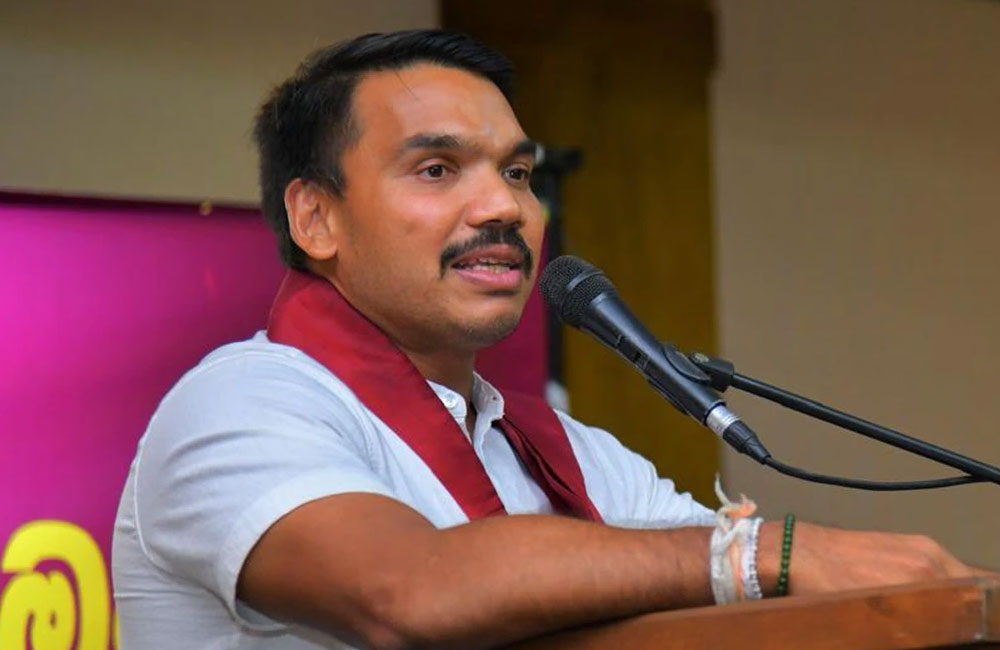
Parliamentarian Namal Rajapaksa has been named as a suspect in an investigation being conducted by the Commission to Investigate Allegations of Bribery or Corruption (CIABOC) over the Krrish deal.
The case is being heard before the Colombo Chief Magistrate’s Court and relates to allegations of financial irregularities and bribery involving Indian property development company Krrish.
According to the investigation, an allegation has been made that Rs. 70 million was paid to Rajapaksa on three separate occasions in connection with efforts to secure Urban Development Authority-owned land at Transworks Square in Colombo Fort for Krrish Transworks Colombo (Pvt) Ltd.
The payments are also alleged to have been made in return for assistance in expediting the approvals required for the project.
Following an order issued by the court on September 24, CIABOC officers recorded a statement from Rajapaksa. He is currently in remand custody in connection with a separate case.
The investigation and related court proceedings are continuing.
Building alternative to NPP requires modern policy vision over old faces - Marikkar
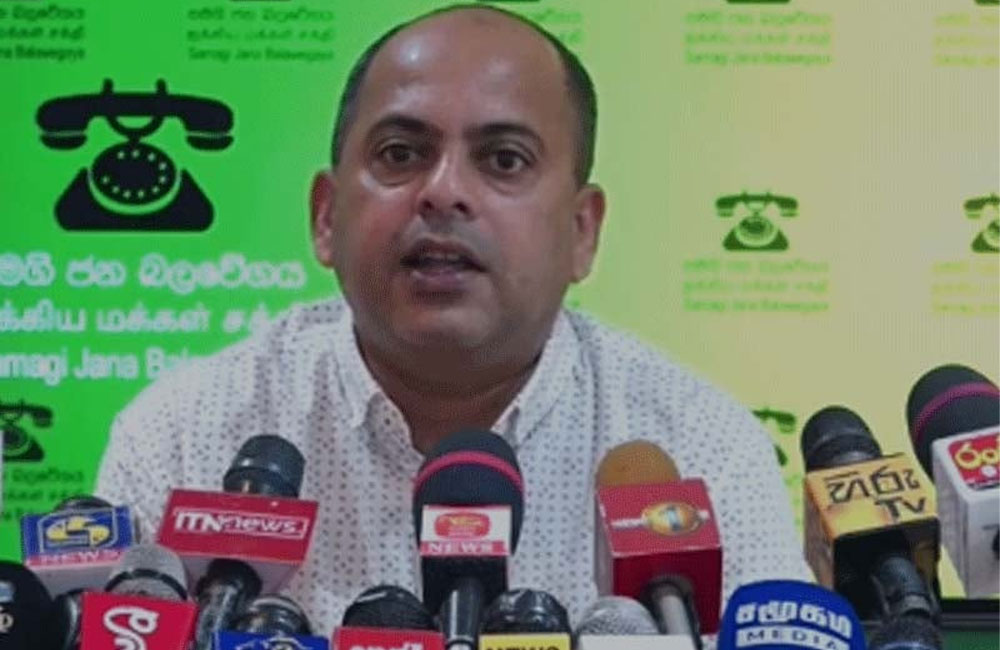
A democratic alternative to the current government can only be built through a broad popular movement with a modern policy vision rather than old political faces or traditional alliances, Samagi Jana Balawegaya (SJB) Member of Parliament S.M. Marikkar said.
Speaking at a press conference held in Colombo yesterday, he said that the role of the opposition must extend beyond mere criticism of the government.
He emphasised that opposition parties must instead present a clear policy framework to address the severe economic challenges facing the public.
Policy vision over old faces
Marikkar noted that citizens are demanding a new political culture and a coherent strategy rather than groupings centered on prominent figures.
He said that competition against the ruling government should occur on ideological and policy grounds rather than through personal agendas or outdated political methods.
He observed that other democratic factions within the opposition remain free to pursue independent action on public issues, asserting that genuine public opinion is built through active grassroots engagement.
Easing daily living costs
Marikkar urged the government to implement its promises to relieve financial pressure on ordinary families.
He called for a reduction in electricity tariffs to assist households and small businesses, alongside tax relief on education, health, and essential food items to lower the cost of living.
Marikkar also advocated for collateral free loans for young entrepreneurs and tech driven job creation, affirming that the main opposition remains dedicated to protecting fundamental rights, institutional independence, and public economic security.
Court Postpones Shashi Weerawansa Case to October 12
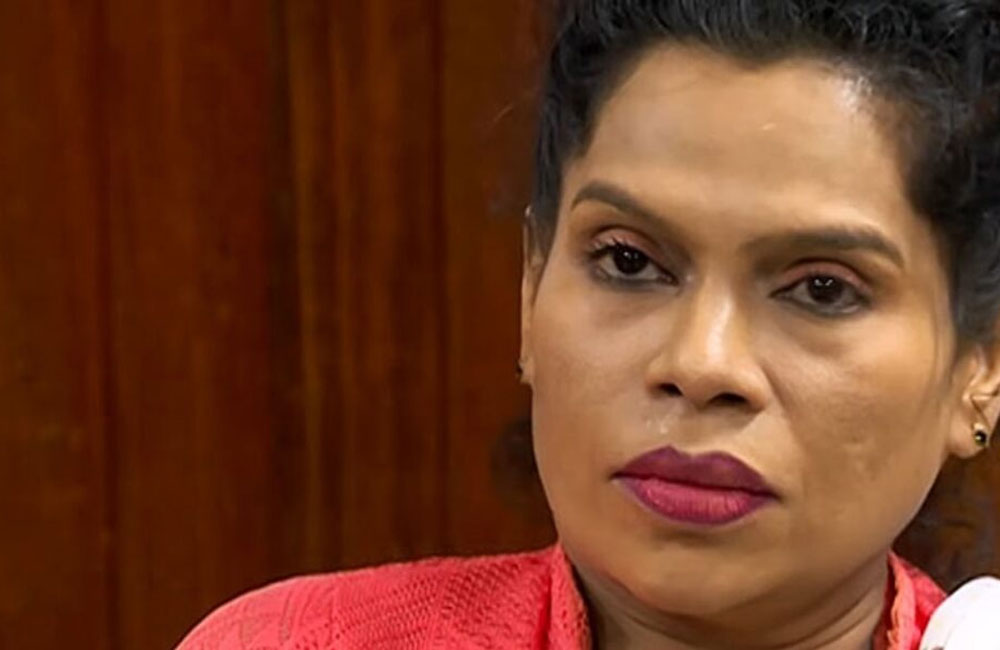
The Colombo Magistrate’s Court has fixed October 12 for the next hearing of the case involving Shashi Weerawansa, the wife of former Minister Wimal Weerawansa, who was convicted over the possession of a forged diplomatic passport.
The matter was taken up today (September 28) before Colombo Chief Magistrate Asanga S. Bodaragama.
Shashi Weerawansa, who had been sentenced to imprisonment and is currently released on bail, appeared before the court for the proceedings.
During the hearing, the court was informed that the sentence imposed on Weerawansa had been upheld by the Colombo High Court. It was also stated that an appeal against the judgment has been filed before the Supreme Court.
However, the relevant journal entries relating to the Supreme Court appeal had not yet been submitted to the Magistrate’s Court.
Considering the circumstances, the Magistrate granted additional time for the required documents to be produced and ordered that the case be called again on October 12.
Govt. elected to fix past mistakes now repeating them - Harshana Rajakaruna
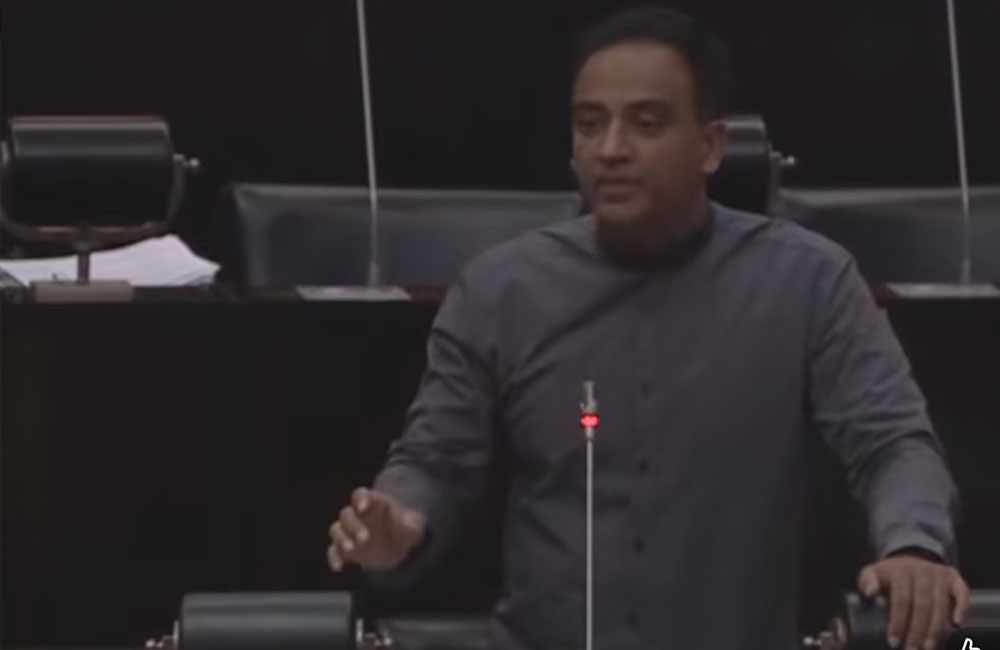
Samagi Jana Balawegaya (SJB) MP Harshana Rajakaruna says the ruling National peoples' Power (NPP) government is betraying its own reform mandate by pushing through legislation that echoes the constitutional excesses of previous governments.
He made these remarks in parliament yesterday (25), noting that a government voted into office to correct past errors was instead repeating them.
Rajakaruna said that his party had opposed damaging constitutional amendments introduced by earlier governments and that this consistent record gave the opposition standing to object when current policy appeared to follow the same pattern.
He said that the government's parliamentary conduct in recent weeks stood in sharp contrast to the promises it had made on the campaign trail, and he said this gap between rhetoric and action could not be allowed to pass without scrutiny.
Rajakaruna said that formal objections to the disputed bill had come from several quarters, including the Chief Prelates, the Bar Association of Sri Lanka and the United Nations, all of whom had cautioned the government against proceeding with the legislation.
He said that none of these representations were given serious consideration, and claimed the government had effectively discarded the communication sent by the Chief Prelates without proper response.
He described this as evidence that the Dissanayake government was unwilling to engage with legitimate institutional concern, whether raised locally or internationally.
Rajakaruna also called on the government to protect the independence of the court system and to resist what he described as growing political influence over judicial affairs centred on "Pelawatte".
He said the concerns he was raising were not confined to the opposition benches, noting that domestic professional bodies and international observers had voiced similar unease over the direction of the proposed changes.

26-Year-Old Arrested in Grandpass with Over 31 Grams of Ice
A 26-year-old man has been taken into custody after police allegedly found more than 31 grams of ‘Ice’ (crystal methamphetamine) in his possession during a raid in Grandpass.
The arrest was carried out near the Muwadhora Uyana housing complex by officers attached to the Colombo District Crime Division.
Police said the suspect, who is a resident of Colombo 14, was found carrying 31 grams and 350 milligrams of the suspected drug.
The Colombo District Crime Division has launched further investigations into the incident.
22A betrays Government manifesto commitments - Opposition Leader
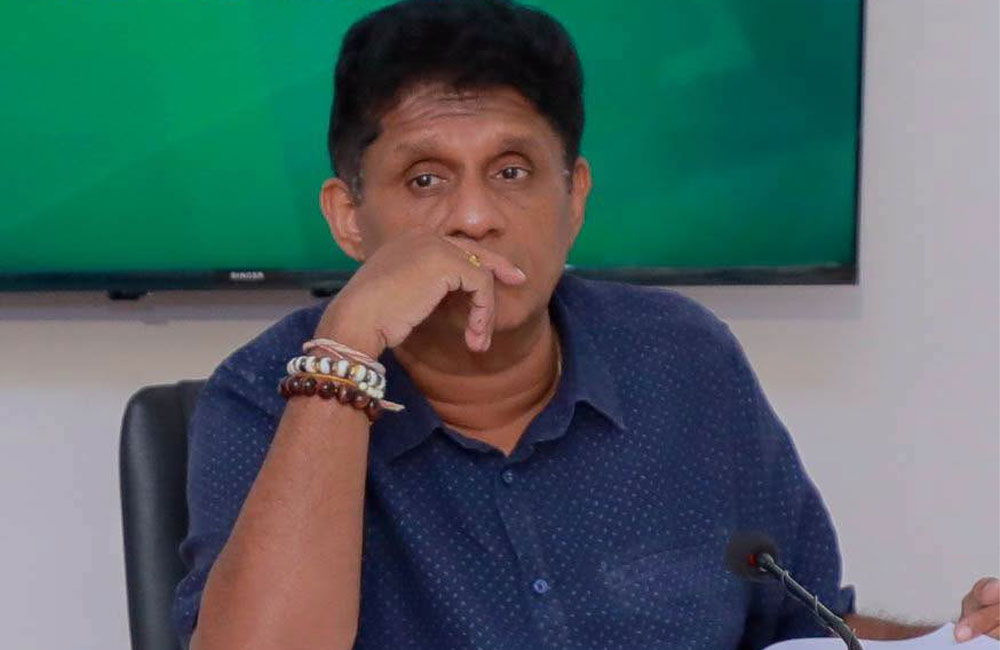
Leader of the Opposition Sajith Premadasa yesterday called in Parliament for the immediate withdrawal of the proposed 22nd Amendment to the Constitution, alleging that the legislation degrades fundamental rights and undermines the rule of law.
Addressing the House during the parliamentary debate on the bill, Premadasa claimed that the government is attempting to subjugate the Judiciary to executive supremacy.
He asserted that the proposed changes dismantle the separation of powers and convert judicial institutions into instruments of the executive branch, contradicting the administration's stated commitment to democratic reform.
Threat to judicial independence
Premadasa argued that no comprehensive study supports the extension of the retirement age of judges, noting that a 2023 Asian Development Bank report on judicial issues omitted any such recommendation.
Citing the Jagath Dias v. Upali Abeyratne case, where a three-judge Supreme Court Bench determined that extending judges' retirement ages required a referendum, he questioned President Anura Kumara Dissanayake's current stance, despite the Supreme Court ruling that this specific amendment does not require a public vote.
He further noted that decisions regarding judicial tenures should involve a full Bench constituted strictly by seniority, accusing the administration of ignoring key legal stakeholders.
Recalling past shifts in executive power through the 17th to the 21st Amendments, Premadasa stated that past centralisation of authority contributed directly to the island's recent financial collapse.
Allegations of political subjugation
Rejecting claims that opposition to the bill is politically motivated, Premadasa highlighted that independent legal bodies, including the Colombo High Court Lawyers' Association and the Commonwealth Lawyers Association, have voiced strong objections to the legislation.
He refuted allegations regarding his party's ties to legal figures and dismissed previous government assertions, pointing out that official assurances given on 11 June 2026 regarding the matter were contradicted by subsequent developments on 23 June.
Premadasa accused the ruling coalition of abandoning its manifesto pledge to abolish the executive presidency, warning instead that the government is steering the nation towards authoritarian control directed from the Janatha Vimukthi Peramuna headquarters in Pelawatte.
The SJB leader reiterated his party's stance against the concentration of power, warning that the passage of the amendment risks establishing an unaccountable executive authority over independent state institutions.
Page 2 of 780