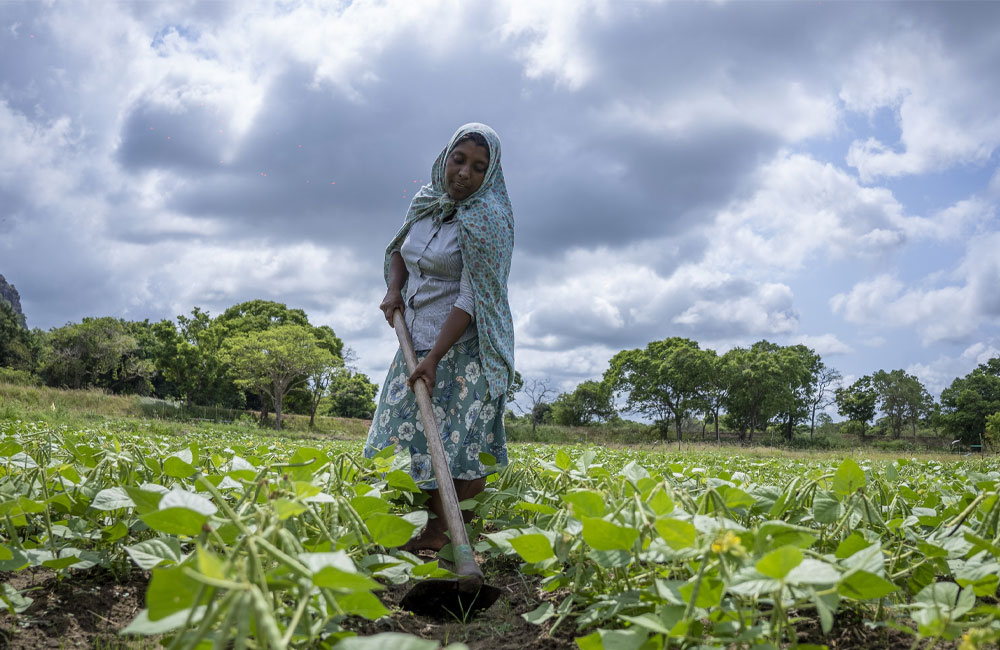
As Sri Lanka reels from the devastating impacts of recent cyclones and floods, the government has announced a bold initiative aimed at revitalizing the agricultural sector and safeguarding rural livelihoods. At a Cabinet meeting on Monday, ministers approved the launch of the “Sustainable Agriculture Program,” a concessional loan scheme set to begin next year, designed to strengthen agriculture’s contribution to national economic growth while promoting sustainability.
The program will operate through Participatory Finance Institutions, leveraging a revolving fund established under the ongoing Smallholder Agribusiness Partnerships Program. This fund, supported by both government resources and the International Fund for Agricultural Development (IFAD), will ensure that all recoveries from loans are reinvested exclusively into agricultural financing. Cabinet Spokesman and Minister Dr. Nalinda Jayatissa emphasized that this mechanism aims to guarantee long-term continuity of concessional support for farmers.
In 2026, the government plans to allocate Rs. 800 million from the Sustainable Agricultural Fund to implement the scheme. Loans will be offered under two categories: individual and bulk loans. Individual loans, up to Rs. 5 million, will be accessible via agricultural and Samurdhi banks with a five-year repayment period and a 2% effective interest rate, including grace periods for working capital and joint ventures. Bulk loans, capped at Rs. 500,000 per beneficiary, will also carry a 2% interest rate with a three-year repayment period.
The program is structured to cover the entire agricultural value chain, including cultivation, processing, value addition, input supply, crop procurement, facilitation, production, and exports. This comprehensive coverage reflects the government’s strategy to boost productivity, enhance incomes, and drive value addition while supporting rural resilience in post-disaster recovery.
Analysts note that the use of a revolving fund model could enhance the program’s sustainability, allowing future borrowers to benefit from recovered credit. By integrating concessional loans with targeted support for disaster-affected areas, the government signals a commitment to balancing economic growth with rural welfare and environmental sustainability.
However, the initiative’s success will hinge on effective fund management, rigorous monitoring, and outreach to smallholder farmers who have been disproportionately affected by recent climate shocks. As the agricultural sector adapts to increasingly unpredictable weather, such programs could become vital tools in safeguarding food security and rural economic stability.
Leave your comments
Login to post a comment
Post comment as a guest