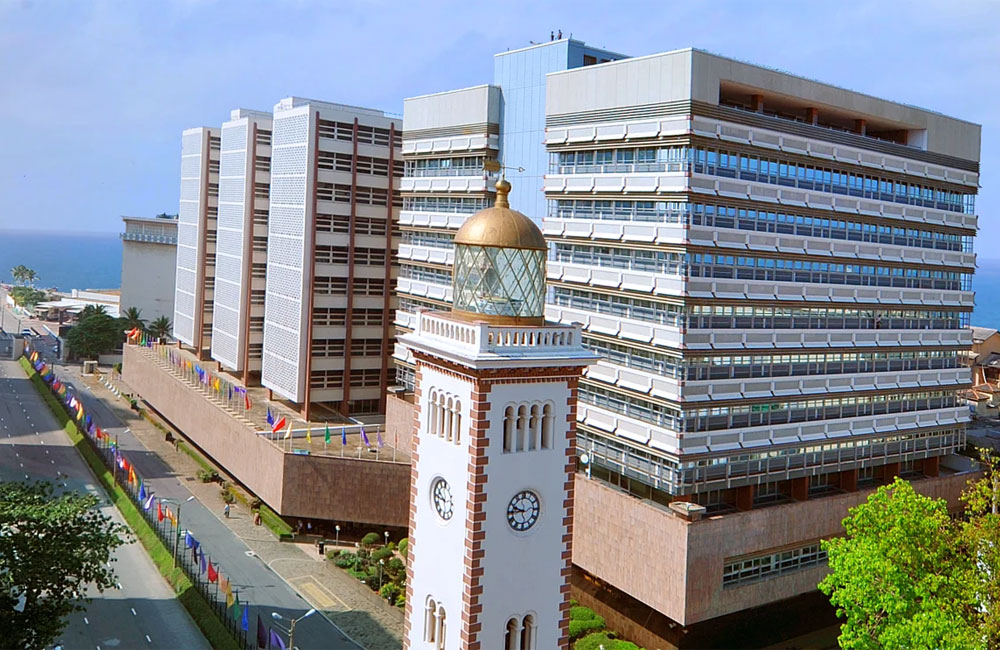
Sri Lanka’s ability to stabilise its foreign reserves is under renewed scrutiny, following the International Monetary Fund’s downward revision of the 2025 Net International Reserves (NIR). Originally projected to rise to $2.73 billion, reserves are now expected to reach only $2.16 billion by year end a shortfall of nearly $570 million against earlier forecasts. Analysts warn that the country’s fragile macroeconomic framework and recent monetary policies echo past missteps that precipitated debt crises.
The IMF’s revision highlights structural vulnerabilities. While the central bank has attempted to accumulate dollars, pro-cyclical rate cuts amid strong private credit growth limit its ability to collect reserves effectively. Historical lessons from 2015, 2018, and 2019 show that aggressive rate cuts without corresponding deflationary measures inevitably lead to currency depreciation and compromised debt repayment capacity.
Current policies constrain the Treasury’s ability to buy dollars independently, while excessive liquidity in domestic markets risks converting into import credits, further straining the balance of payments. Analysts suggest that the Treasury should operate with greater autonomy, including charging dollar taxes, conducting independent dollar purchases, and transferring central bank profits in foreign currency rather than rupees. Such steps could insulate reserves from politically driven monetary interventions.
Structural reforms are urgently needed. Setting up a dedicated dollar purchasing desk within the Treasury, potentially via commercial banks, would strengthen debt repayment capability without undermining central bank independence. Simultaneously, limiting domestic “buffers” and ensuring profits flow to the Treasury in foreign currency would reduce reliance on ad hoc rupee printing and minimize future default risks.
Failure to act could replicate the sequence that led to Sri Lanka’s previous default: severe rate cuts, aggressive tax reductions, and restrictive import policies, culminating in money printing, inflation spikes, and public backlash. Policymakers including the Finance Minister, President, and Parliament will bear direct accountability for currency depreciation, reserve depletion, and eventual debt distress.
Immediate corrective measures combining monetary prudence, Treasury independence, and structural dollar management can de-risk Sri Lanka’s economy, preventing a repeat of past crises while ensuring that macroeconomic policies do not remain reactive but resilient.
Leave your comments
Login to post a comment
Post comment as a guest