Sri Lanka could continue to face an elevated risk of dengue transmission until mid-August, with health authorities intensifying prevention efforts as favourable weather conditions continue to support mosquito breeding across several parts of the country.
Health Minister Dr. Nalinda Jayatissa urged the public to actively support dengue control programmes by eliminating mosquito breeding sites in homes, schools, workplaces and surrounding environments. He stressed that community participation remains essential in reducing the spread of the disease.
The Minister also highlighted that the Gampaha District is currently experiencing a notable increase in dengue infections, making it one of the priority areas for intervention.
In response to the growing public health concern, the National Dengue Control Unit (NDCU) has launched a special dengue prevention programme covering 11 districts from today (16). The initiative will be carried out over the next two weeks with the aim of strengthening surveillance and reducing mosquito populations in high-risk areas.
Acting Director of the National Dengue Control Unit, Dr. Kapila Kannangara, said the campaign will focus on identifying locations with high dengue transmission, removing mosquito breeding grounds and educating communities on effective prevention measures.
Health teams are expected to conduct inspections at residences, schools, government institutions, construction sites and other locations where stagnant water may accumulate. Officials are also expected to work closely with local authorities to improve environmental sanitation and encourage public cooperation.
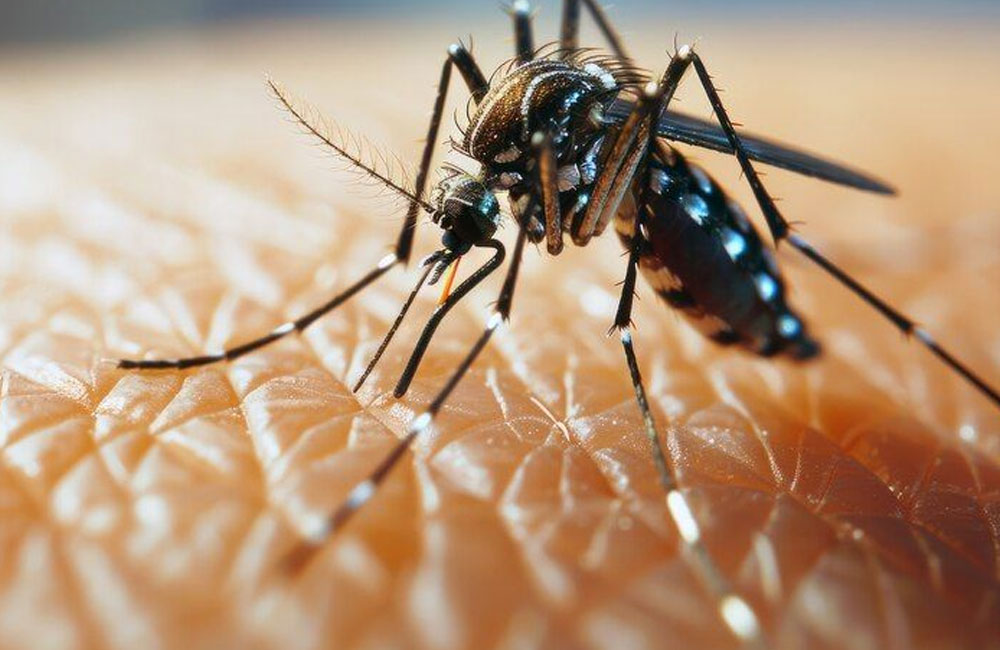
The Ministry of Health has repeatedly warned that intermittent rainfall and humid weather create ideal conditions for the Aedes mosquito, the primary carrier of dengue, to breed rapidly. Authorities have therefore appealed to the public to inspect their surroundings regularly and eliminate any containers capable of collecting water.
Officials emphasised that sustained community action, alongside ongoing public health interventions, will be critical in limiting dengue transmission during the coming weeks and preventing a further increase in infections.
Leave your comments
Login to post a comment
Post comment as a guest