News
Pension fund from remittances mooted for migrant workers
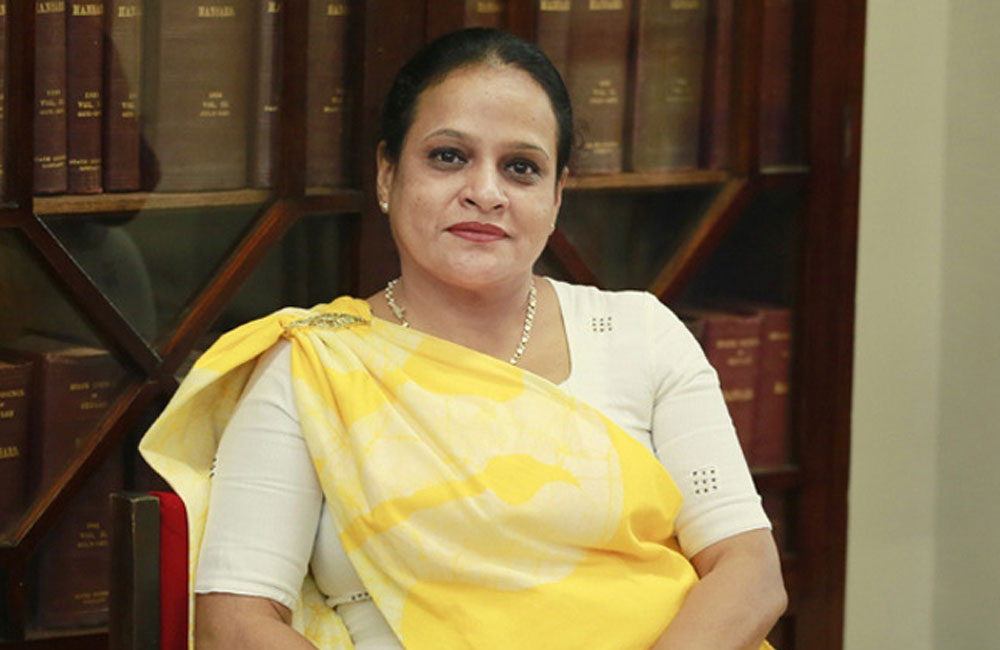
A structured pension scheme should be formulated by the government to provide long term financial security for migrant workers, Samagi Jana Balawegaya (SJB) MP Rohini Kumari Wijeratne told Parliament yesterday (10).
She made this appeal while presenting a Private Member's Motion in Parliament, urging the government to introduce such a scheme for workers honourably referred to in Sri Lanka as "Rata Viruwan" (Migrant Heroes).
She proposed that a pension fund could be established using a certain percentage of the money received from the Sri Lankan labour force working overseas.
Wijeratne said the contribution of migrant workers was highly significant in revitalising the national economy of Sri Lanka.
She noted, however, that these workers faced numerous difficulties upon returning home, including being unable to find employment and having to depend on their children after spending many years working abroad, particularly given the economic crisis.
She highlighted the historical lack of safety nets for returnees as a major concern, noting that many faced severe economic hardship upon their return to the country.
Wijeratne observed that while public servants were entitled to a pension scheme and private sector employees were entitled to Employees Provident Fund (EPF) and Employees Trust Fund (ETF) payments, no such social protection existed for Sri Lankan migrant workers to help secure a stable future through State sponsored initiatives
Sajith denies Rs. 100 million bribery claim, urges Deputy Minister to focus on real issues
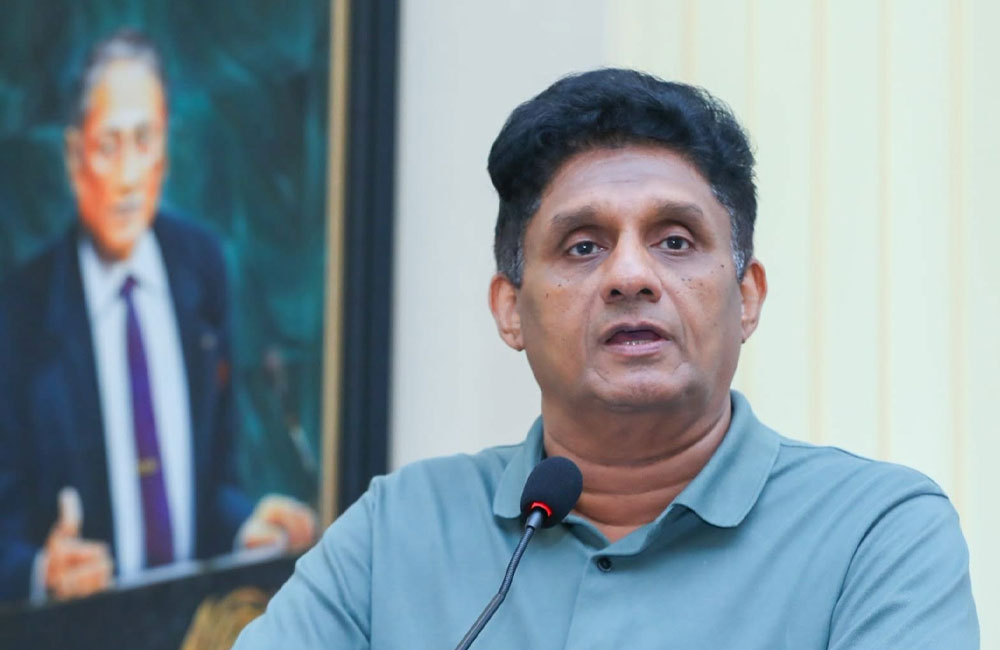
Opposition Leader Sajith Premadasa has called on Mass Media Deputy Minister Kaushalya Ariyarathne to focus on productive work in Parliament, rather than what he described as character assassination projects.
The Opposition Leader made the remarks in response to accusations levelled against him by the Deputy Minister in Parliament yesterday (09), in which she alleged that he had received Rs. 100 million from Charith Abeysinghe.
Addressing the allegations, Premadasa questioned why Ariyarathne had made what he called blatant lies.
He said he had expected her to be a mature and educated politician, adding that he was not surprised by the accusation given that the Janatha Vimukthi Peramuna had also faced similar allegations of dishonesty in the past.
He further claimed that he had not been aware that Ariyarathne herself had been given authority to decide on positions within his party, and stated that his party would not be governed in the manner of "the one from Pelawatta."
He also questioned whether any politician associated with the JVP could be said, responsibly, to have never been implicated in drug use or the drug trade.
Premadasa said mistakes could be made by anyone, in any political party, and that what mattered most was the action taken in response. He said conclusions could be drawn by examining who had taken what action in such circumstances.
Turning to Ariyarathne directly, the Opposition Leader noted that she was a woman and, he believed, a mother.
He referred to the 46,000 children currently under the Child Protection Authority, including 40,000 who have been victims of abuse, and appealed to her, as a mother and a woman, to direct her attention to such issues.
He concluded by inviting her to come to Parliament and engage in work that is of real importance to the country, rather than pursuing character assassination.
One in five Sri Lankan households can't afford food basket, UN finds
A United Nations assessment has found that Sri Lanka is experiencing growing socio-economic pressures due to the ongoing Middle East crisis, with effects being felt across fuel prices, inflation, trade, food security and public finances.
Issued yesterday (09), the "Sri Lanka Middle East Crisis Socio Economic Impact" report highlighted that energy costs remain a critical concern, noting that Petrol 92 rose to Rs. 414 per litre and auto diesel to Rs. 382 per litre in June 2026, compared to December 2025 levels.
According to the report, fuel import costs increased by 62.5% year on year to USD 2.7 billion during January to May 2026, while inflationary pressures also rose, with headline inflation reaching 6.8% in June 2026.
Disruptions to global supply chains have affected key sectors, the report noted, with Sri Lanka's tea industry facing losses estimated at USD 10 to 15 million per week due to export bottlenecks. Concerns were also raised over food security, with the assessment noting that 20% of households are unable to afford a minimum food basket.
Fiscal pressures have increased amid recovery and crisis response measures, the report said, pointing to additional spending commitments including a Rs. 500 billion supplementary budget allocation for Ditwah recovery and a Rs. 100 billion Middle East crisis response package.
The tourism sector has shown mixed developments, according to the assessment, with tourism earnings declining even as Sri Lanka recorded its highest ever May tourist arrivals in 2026, with 147,745 visitors.
To cushion the impact, the government has introduced several measures, including increasing the fertiliser subsidy to Rs. 30,000 per hectare, allocating Rs. 10,947 million for the programme, and providing a Rs. 100 billion support package covering fuel, electricity, fertiliser, fisheries and Aswesuma top ups.
The UN report stressed the importance of strengthening social protection systems, improving energy security and diversifying supply chains, in order to reduce the impact of future external shocks.
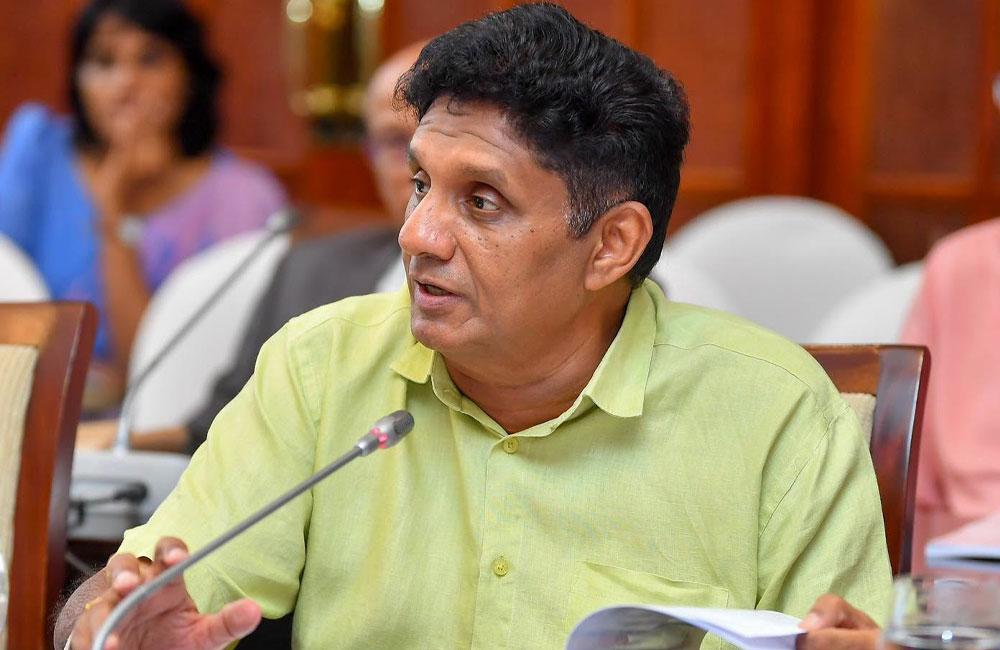
Opposition Leader calls child abuse crisis a grave threat to children's rights
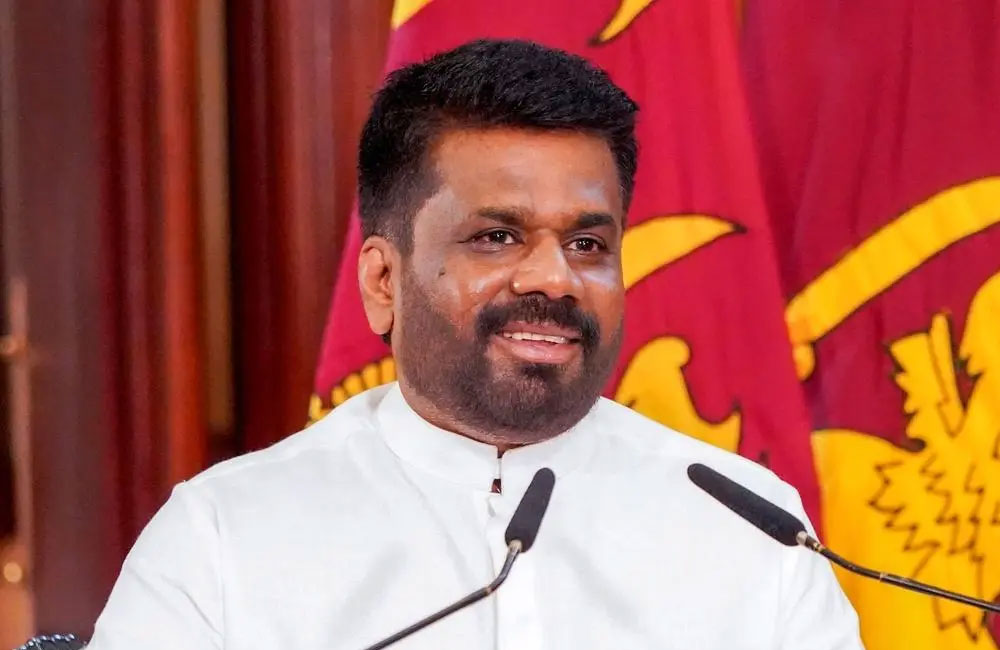
Opposition Leader Sajith Premadasa stated in parliament yesterday (09) that unresolved child abuse issues have violated the fundamental rights of children in Sri Lanka, and that the country is bound by both domestic legal obligations and international commitments to protect those rights.
Serious inefficiencies within the child protection system, unresolved complaints and delayed judicial processes, he said, have placed children's fundamental rights at grave risk.
Speaking under Standing Order 27(2), Premadasa pointed out that the UN Convention on the Rights of the Child has not been enacted as a single law, and that the Juvenile Justice Amendment Act has also not been implemented, raising a number of concerns over the protection of children's rights.
The Opposition Leader called for data on child abuse complaints received by the National Child Protection Authority between January 01, 2015 and June 30, 2026, including how many had been investigated and referred for legal action, and how many remained unresolved.
He also requested figures on child abuse cases currently pending before High Courts as of June 30, 2026, broken down by cases in which indictments were filed within the past five years, between five and 10 years ago, and more than 10 years ago, along with details of special measures taken by the Government to expedite proceedings.
Premadasa questioned whether the current President had followed through on public promises to establish a special investigation unit for pending child abuse complaints, a Presidential Task Force for Children, and measures to strengthen the independence of the Child Protection Authority by resolving the conflict between the authority and the police.
He also asked what special programme the Ministry is implementing with the relevant institution to conclude such cases expeditiously, and whether a special police unit would be established to investigate pending complaints, as previously promised.
He called on the Government to outline the steps taken to fully implement the provisions of the National Child Protection Act and to make the institution independent and accountable.
He further requested that an expert committee be appointed to implement the National Child Protection Policy for 2025 to 2029, along with a firm date for its full implementation.
He also sought a date for the presentation and enforcement of legal amendments to abolish corporal punishment against children, and asked the Government to clarify how Sri Lanka is fulfilling its international obligations in this regard.
Premadasa said the current child protection situation should be recognised as a national crisis, and proposed a date for implementing a national operation with inter-ministerial coordination under the leadership of the President.
He noted that the majority of the Opposition had signed a public petition seeking justice for child victims, and requested that all members of Parliament do the same.
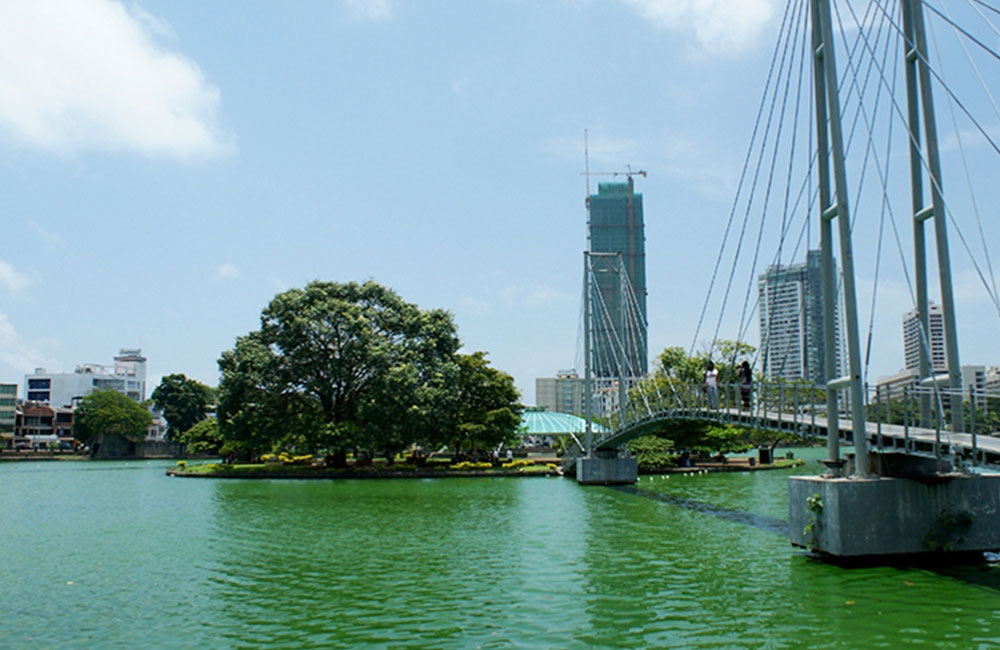
Beira Lake to Undergo Immediate Clean-Up Through Seawater Introduction Project
A special technical project aimed at cleaning Colombo’s Beira Lake by introducing seawater into the lake is set to commence as an immediate and short-term solution.
Sri Lankan business tycoon and engineer Nahil Wijesuriya has reportedly agreed to provide full financial support for the initiative.
The project will be jointly implemented by the Colombo Municipal Council (CMC), the Urban Development Authority (UDA), and the Sri Lanka Land Development Corporation (SLLDC).
Meanwhile, long-term measures to maintain the cleanliness and aesthetic value of Beira Lake are expected to be carried out through allocations provided under this year’s government budget.
The initiative was discussed during a special meeting held today (09) at the Hunupitiya Gangaramaya Temple, chaired and guided by its Chief Incumbent, Venerable Dr. Kirinde Assaji Thera.
Representatives from both the public and private sectors participated in the meeting to discuss the Beira Lake Immediate Clean-Up Project and explore the implementation of future phases.
Further discussions were also held on the next steps required to continue the restoration and improvement of the lake.
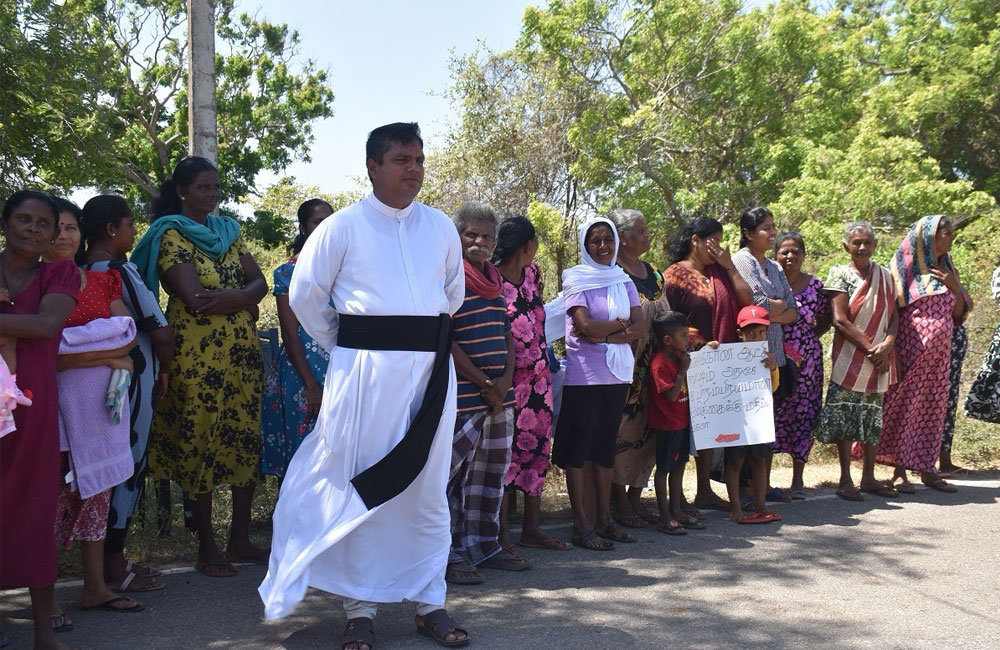
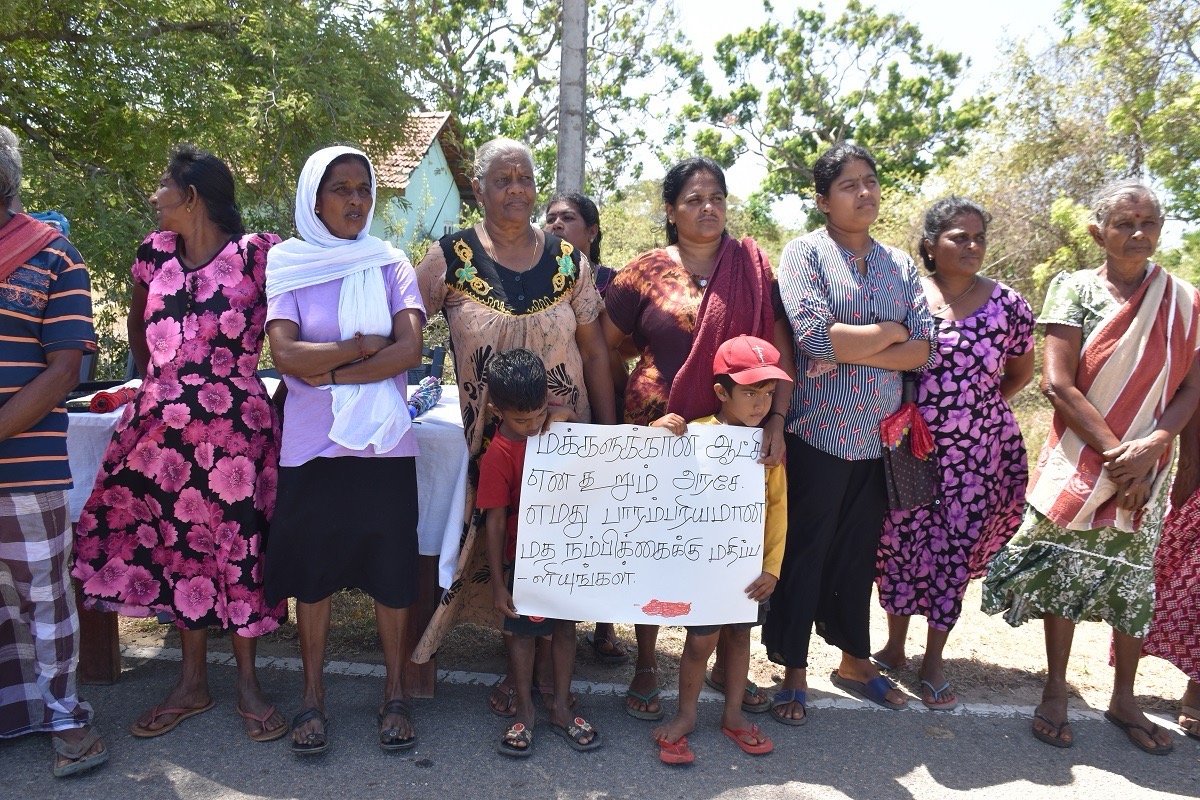
Protests demand reopening of closed Catholic pilgrimage route through Wilpattu National Park
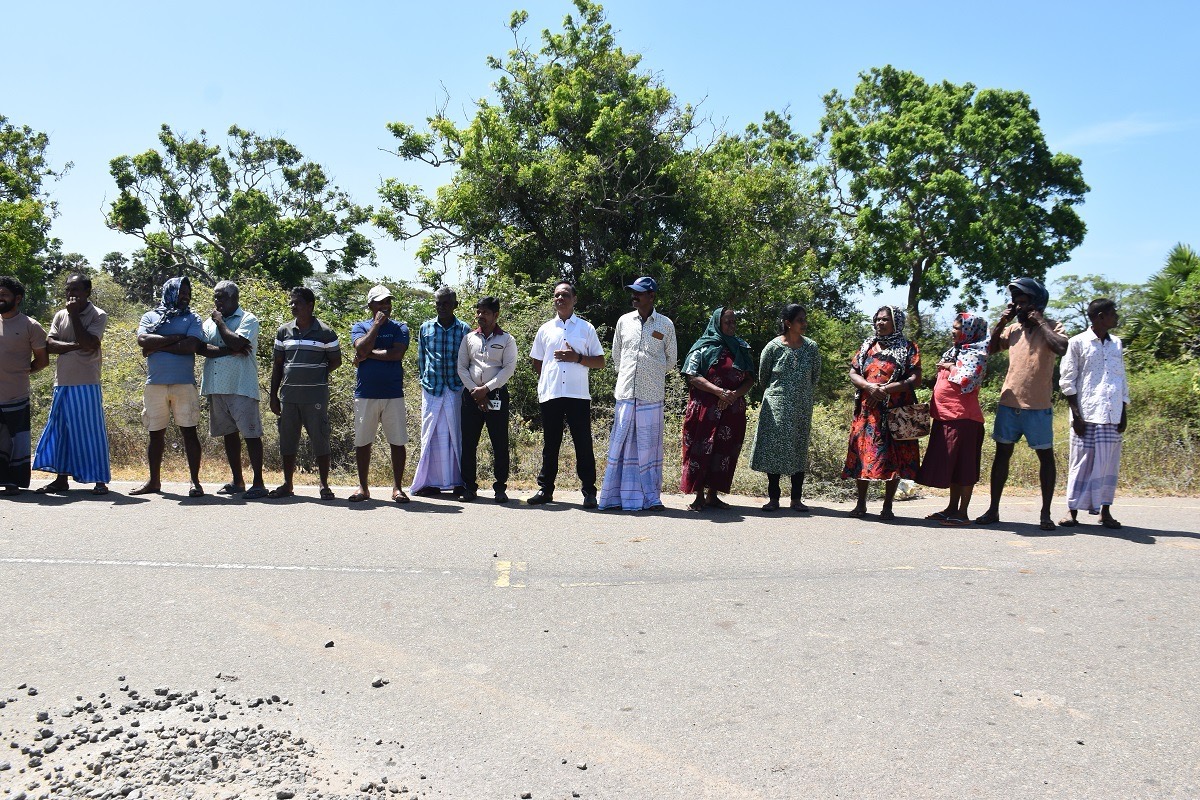
A group of Catholic devotees from Mannar have launched a protest demanding that the Sri Lankan government reopen, for five days, a route through Wilpattu National Park that has been used for centuries to attend an annual feast festival.
Catholic devotees from the villages of Mullikulam, Pallekandal and Kayakkuli staged a protest on 7th July near the main road leading to Mullikulam, calling on the authorities to reopen the route so they could attend the annual festival at the historic Pallekandal St. Anthony's Church, scheduled to be held from 8th to 12th July.
A petition outlining their demands was also handed over to Mannar District Secretary K. Kanageswaran on the same day.
The protesters said they had been forced to travel hundreds of kilometres via a longer route after officials from the Wildlife Conservation Department informed them a week earlier that they would not be permitted to use the traditional route this year, citing a court ruling.
Environmentalists emphasise that the use of the road from Mullikulam to St. Anthony's Church in Pallekandal has been explicitly prohibited by a Supreme Court ruling. They point out that the road passes through a sensitive ecological strip that is currently being naturally reintegrated into the forest system.
Local Catholic representatives said that an official meeting held late last month had decided that this year's annual feast would be conducted according to ancient traditions.
Father Terence Cullas, head of the Mullikulam Mission, who participated in the protest, told journalists that the traditional route to St. Anthony's Church in Pallekandal, a journey of about 30 kilometres, had been blocked, forcing devotees to travel approximately 250 kilometres instead.
“If we use the Marichchakattu - Puttalam road from here to reach the Pallekandal Church, it is only 30 kilometres away. Otherwise, if we go through Anuradhapura and Puttalam, we will have to travel about 250 kilometres. Since the people live in poverty, they cannot travel this far. We request that this route be opened and we be allowed to travel.”
According to Catholic devotees, pilgrims from across Sri Lanka who travel to this 17th century built church were unable to use the traditional route only during the war period from 1983 to 2009.
Environmentalists allege that the approximately 30,000 pilgrims who visit the park annually move through the park in disregard of park regulations.

Beyond Mahapola' National Schools Debate Championship launched
Carrying forward the vision and educational legacy of the late Lalith Athulathmudali—one of Sri Lanka’s most distinguished statesmen, an internationally acclaimed debater, and the founder of the Mahapola Higher Education Scholarship Trust Fund—the Lalith Athulathmudali Foundation has launched an annual national schools debate championship under the theme “Beyond Mahapola.”
The inaugural edition is expected to become one of the largest school debate competitions ever organized in Sri Lanka, bringing together a large number of schools from across the country, including international schools. A distinctive feature of the championship is that debates will be conducted in all three national mediums—Sinhala, Tamil, and English.
This year’s championship focuses on Artificial Intelligence (AI), AI Governance, Digital Transformation, Digital Ethics, and Future Leadership. The themes have been selected in conjunction with the UN Global Dialogue on AI Governance and Human Rights, held in Geneva, Switzerland, on 6–7 July 2026.
In a world undergoing rapid technological transformation, the primary objective of the competition is to encourage school students to develop knowledge of artificial intelligence, critical thinking, logical decision-making, ethical responsibility, and a culture of democratic dialogue.
The opening rounds of the championship will be held on 11 and 12 July 2026 at Royal College, Colombo, with participation from a large number of schools representing different provinces across Sri Lanka.
The educational legacy of Lalith Athulathmudali
Established in 1993, the Lalith Athulathmudali Foundation is committed to advancing the national development and educational vision of the late Lalith Athulathmudali.
The Mahapola Higher Education Scholarship Trust Fund, initiated in 1981 as his visionary concept, has now supported the higher education of more than 4.5 million university students. It is recognized as one of the world’s largest independent scholarship programmes. Originally established through his personal contribution, the Trust continues to be administered by an independent Board of Trustees, free from political influence.
Lalith Athulathmudali was an outstanding alumnus of Royal College, Colombo, and gained international recognition as an exceptional debater. He served as President of the Oxford University Debating Team and became the first Sri Lankan to be elected President of the Oxford Union, marking a historic achievement.
Accordingly, organizing this national debate championship to promote intellectual leadership, critical thinking, and a culture of democratic dialogue through debating represents a fitting tribute to his educational philosophy and distinguished national service.
The Lalith Athulathmudali Foundation believes that the “Beyond Mahapola” National Schools Debate Championship is a national investment in nurturing a new generation of intelligent, ethical, and globally competent young leaders capable of addressing the challenges of Sri Lanka’s future.
UN urges Sri Lanka to grant rights commission prison access
The United Nations has urged Sri Lanka to grant the country's Human Rights Commission unfettered access to its prisons, following deadly violence at an overcrowded facility earlier this week.
Sri Lankan authorities have said an investigation has been launched into clashes that broke out on Sunday between rival gangs at Negombo Prison, north of Colombo, leaving 20 inmates and eight guards dead.
United Nations rights office spokeswoman Ravina Shamdasani welcomed the pledge to carry out investigations, stressing that the probes must be prompt, independent and transparent. She described the violence, along with reports of reprisals against inmates by guards at other prisons, as deeply alarming.
Shamdasani said the families of the dozens killed and injured, both inmates and prison officers, deserved to know the truth and see accountability.
She called on authorities to grant the Human Rights Commission of Sri Lanka unfettered access to Negombo, as well as to all other prisons, including detention facilities to which prisoners were transferred and allegedly subjected to torture and other forms of ill treatment.
She further stressed that the violence at Negombo underscored the urgency of tackling structural concerns around detention in Sri Lanka, pointing to prolonged pre-trial detention, overcrowding and inadequate conditions in detention facilities.
She added that a disproportionate number of people were being held for drug related offences, many of whom, she said, should be receiving health centred responses rather than incarceration.

Page 56 of 791