News
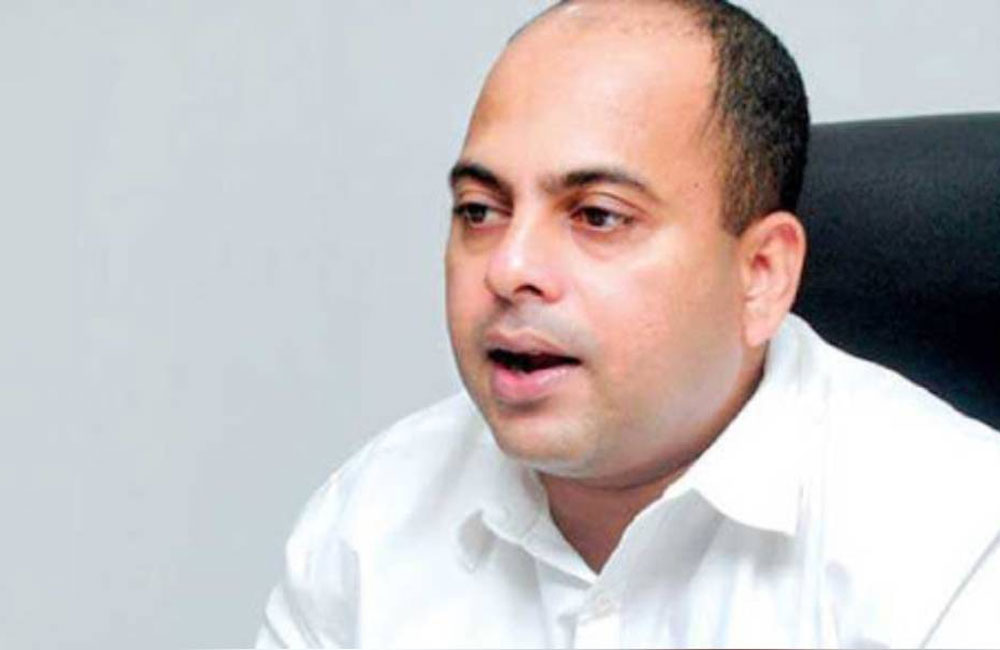
Marikkar presents damning report on Rs. 18 billion energy sector coal losses in Parliament
Sri Lanka has suffered a staggering financial loss exceeding Rs. 18 billion as a result of emergency coal procurements and the burning of low-quality fuel stocks, according to details disclosed in Parliament on Tuesday.
Samagi Jana Balawegaya (SJB) MP S. M. Marikkar presented the findings from a parliamentary investigation that uncovered widespread systemic failures and lack of quality controls within the state energy sector.
The figures were compiled following an inquiry by the Sectoral Oversight Committee on Infrastructure and Strategic Development, which examined an official probe led by the Ministry of Power into uninspected coal shipments.
*Severe breakdown in thermal power output*
The investigative findings reveal that the reliance on substandard coal severely impacted national grid generation capacity, forcing expensive emergency interventions.
Reductions in power output led to a 300-megawatt deficit that compelled power authorities to purchase alternative electricity at an extra cost of Rs. 8.5 billion.
Physical damage to generation infrastructure required an additional Rs. 80.4 million in maintenance, alongside Rs. 13.1 million spent on clearing unexpected volumes of excess ash.
Direct losses stemming strictly from the inferior quality of the imported coal were calculated at nearly 7.1 billion rupees.
*Emergency procurement penalties*
Further financial hemorrhaging occurred through rushed supply contracts and logistical delays at ports.
Emergency procurements covering five specific coal shipments created a loss of 2.28 billion rupees, whilst demurrage and related delays for an urgent cargo added a further Rs. 402.8 million to the public bill.
Marikkar said that current estimates remain incomplete because they omit government diesel subsidies and operational losses absorbed by the Ceylon Petroleum Corporation.
Relevant state entities have now received directives to calculate these missing financial figures to determine the final cost borne by taxpayers.
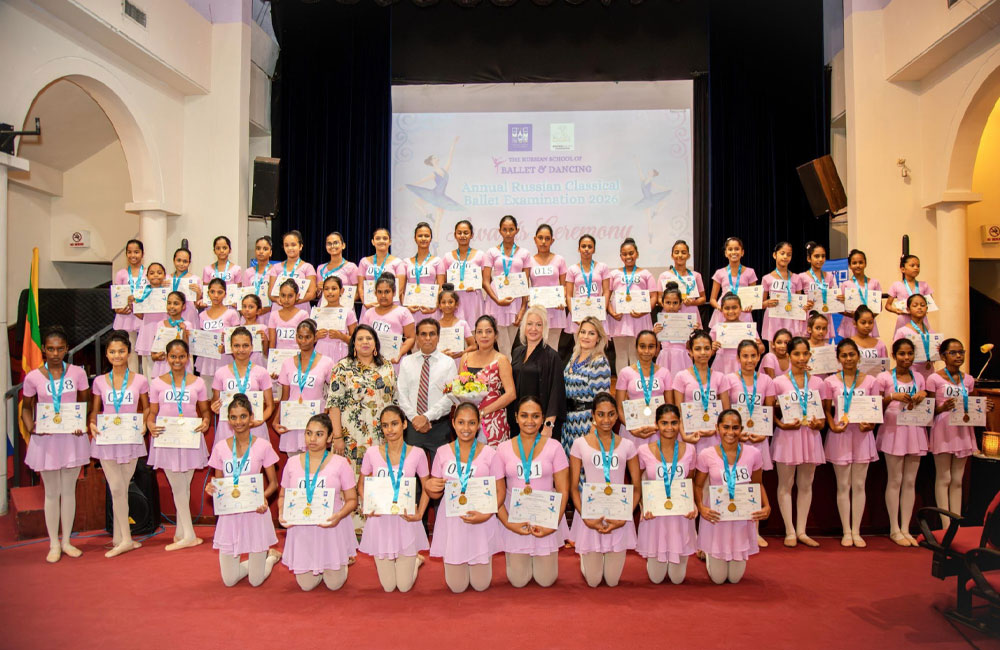
Over 1,600 dancers complete record-breaking Russian ballet examination
A record breaking cohort of over 1,600 young dancers has participated in Sri Lanka’s annual Russian Classical Ballet Examination.
The nationwide testing sessions took place in Colombo from 5 to 18 October, with additional assessments conducted in Galle on 10 October.
Candidates aged four and above travelled from across fourteen major districts, including Kandy, Ratnapura, Bandarawela, Badulla, Kurunegala, Matara, and Negombo.
The candidates were evaluated by Dr. Oxana Karnovich, a prominent curator and academic affiliated with the Moscow State Academy of Choreography.
Instruction across the island was provided by fifteen specialized dance tutors trained in the world-renowned Vaganova method of classical ballet instruction.
Founded in 2001 by Michael Ustinov, Buddhapriya Ramanayake, and Chandi Aluvihare alongside founding instructor Galina Pleshakova, the institution is currently directed by Madam Maria Popova, Counsellor of the Embassy of the Russian Federation in Sri Lanka.

Harin Fernando claims women lack political awareness
UNP Deputy General Secretary Harin Fernando said that women lack political awareness and are easily deceived.
Speaking to reporters, the former minister defended his controversial stance whilst offering a wide-ranging critique of current governance and opposition strategies, noting that female voters hold a degree of responsibility for the political decisions that led to existing governance challenges across Sri Lanka.
Rejecting calls for an immediate alliance between major opposition factions, Fernando insisted that the United National Party must preserve its independent identity rather than rush into a coalition with the Samagi Jana Balawegaya.
He outlined plans for a nationwide organizational campaign coinciding with the upcoming 80th anniversary of the party, expressing confidence that his team could deliver results if given leadership responsibilities by former President Ranil Wickremesinghe.
Addressing his recent political silence, he likened his faction to uprooted weeds that have made space for new cultivation, explaining that they are now waiting to observe the outcome of the newly established political landscape.
Fernando said that the government continues to conduct itself like an opposition body instead of delivering tangible progress.
Whilst recognizing that female supporters form a vital backbone for the ruling administration, he asserted that broader political consensus is essential to steering the country forward.
On the topic of urban transit, he acknowledged the continuation of the Metro Bus scheme originally launched under the previous presidency, though he criticized the overall pace of implementation as far too sluggish.
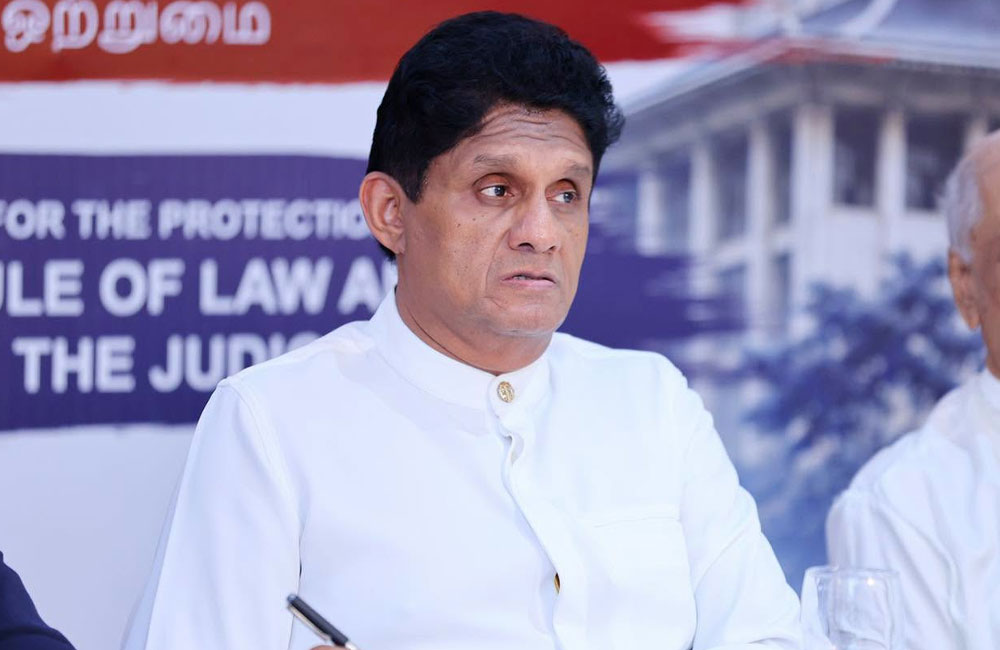
Opposition Leader warns HSBC exit could cost Sri Lanka 3,500 jobs
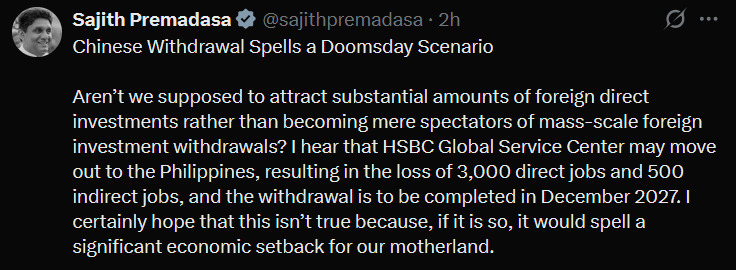
Opposition Leader Sajith Premadasa has expressed grave concern over reports that HSBC Global Service Centre is planning to shift its Sri Lankan operations to the Philippines.
The Samagi Jana Balawegaya (SJB) leader released a statement on social media platform X highlighting growing threats to foreign investment in the country.
He warned that the potential departure of the multinational financial entity by December 2027 could eliminate 3,000 direct positions alongside 500 indirect jobs.
The Opposition Leader expressed hope that reports regarding the banking giant were unfounded while questioning the stability of the national investment climate.
He urged the government to focus on securing substantial foreign direct investment rather than overseeing the exit of major international corporate entities.
These warnings follow the official cancellation of a USD 392 million logistics hub development at the Port of Colombo involving China Merchants Port Holdings.
The Chinese operator formally disclosed the termination of the South Asia Commercial and Logistics Hub project to the Hong Kong Stock Exchange on 15 October 2026.
Designated as a Strategic Development Project in December 2023 with accompanying tax incentives, the five-storey complex faced severe execution delays, regulatory hurdles, and land allocation issues.
The Chinese firm held a 70 per cent stake via Fortune Centre Group Limited, while Access Engineering PLC and the Sri Lanka Ports Authority each held 15 per cent under a 50-year build-operate-transfer framework.
In its regulatory filing, the firm attributed the closure to shifting external circumstances, operational difficulties, and revised commercial priorities.
Under the resulting settlement agreement, the Sri Lanka Ports Authority agreed to disburse 21.905 million US dollars to the project entity.
Port authorities are now expected to call for fresh investment proposals to utilize the strategically located land parcel.
Sustaining investor confidence through stable policies remains essential to preventing further capital flight and safeguarding local employment opportunities.

Ajith P. Perera challenges constitutionality of new Counter-Terrorism Bill in Supreme Court
Opposition lawmaker Ajith P. Perera has filed a Special Determination petition in the Supreme Court challenging the constitutionality of the government’s proposed Protection of the State from Terrorism Bill.
The Samagi Jana Balawegaya (SJB) parliamentarian submitted the legal challenge in Colombo following the placement of the controversial counter-terrorism legislation on the parliamentary Order Paper on 6 October.
The legal petition challenges several core provisions of the proposed law on the grounds that they infringe upon fundamental rights and judicial authority guaranteed under the constitution.
Primary objections focus on statutory restrictions that strip Magistrates of their traditional powers to grant bail, shifting that sole discretionary power to the High Court.
The application further raises concerns over powers that would allow the relevant ministry secretary to order individuals into rehabilitation programmes without formal criminal charges or court convictions.
The petition also seeks to strike down broad restriction orders that could legally prohibit citizens from associating with persons or organizations merely suspected of committing an offence under the act.
The lawmaker is asking the apex court to rule that clauses 26, 27, 28, 29, 60, and 68 violate sovereign popular rights protected under articles three and four of the constitution.
President rules out executive intervention to overturn court verdicts
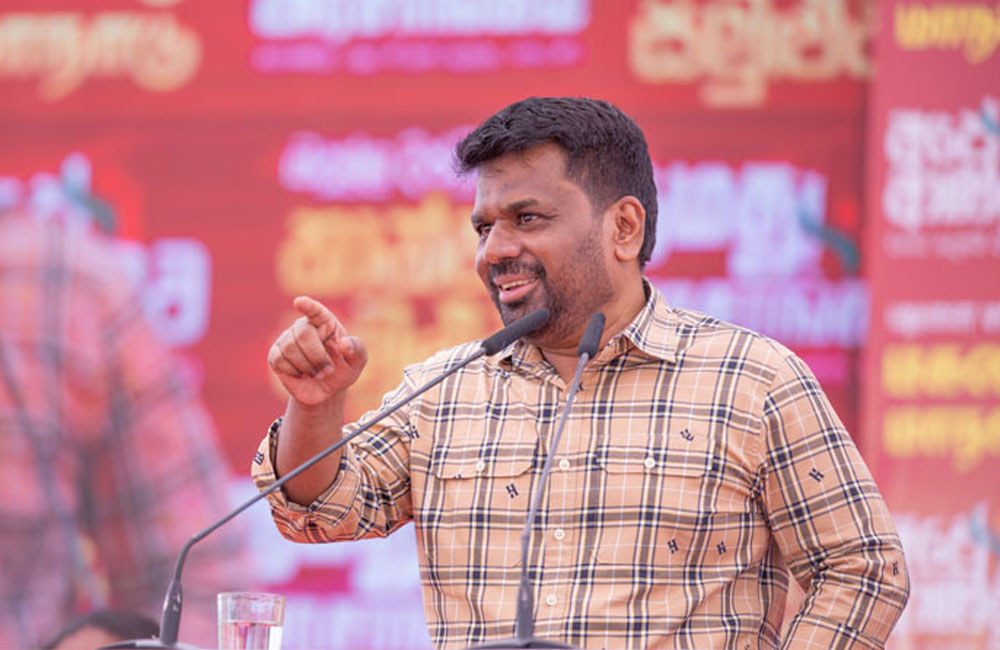
President Anura Kumara Dissanayake has affirmed that the government will strictly abide by judicial rulings and refused to intervene to overturn Supreme Court decisions.
Addressing the National People’s Power (NPP) women’s convention in Badulla on Sunday, the President stressed that state executive powers will not be used to override judicial determinations.
He noted that political figures who previously enjoyed systemic impunity are now staging public protests due to heightened anxieties over legal accountability.
The President detailed the division of statutory responsibilities, explaining that Parliament enacts legislation while independent institutions including the Attorney General’s Department, the Commission to Investigate Allegations of Bribery or Corruption, the Criminal Investigation Department, and the Police manage investigations and legal proceedings.
He reiterated that delivering final verdicts remains the sole constitutional prerogative of the judiciary, headed by the Supreme Court.
Rebuffing public demands by political figures for the executive branch to reverse adverse court decisions, the President stressed that judicial independence cannot be compromised to accommodate aggrieved parties.
He asserted that establishing equal application of the law without political interference is essential to creating a secure future for the nation's children

SJB condemns alleged tactics to delay No-Confidence Motion against Speaker
The main Opposition Samagi Jana Balawegaya (SJB) has condemned the government's decision to seek legal counsel from the Attorney General regarding a no-confidence motion against Speaker Dr Jagath Wickramaratne, describing the move as unprecedented in Sri Lankan legislative history.
Speaking in Colombo, Chief Opposition Whip and SJB MP Gayantha Karunathilleka expressed concern over delays in scheduling a debate on the motion submitted by 44 Opposition lawmakers on 9 October.
The submission was made jointly by parliamentarians representing the Samagi Jana Balawegaya, the Sri Lanka Podujana Peramuna, the New Democratic Front, and several independent groups.
The motion contains severe allegations against Speaker Wickramaratne, citing reported violations of the Constitution, the Anti-Corruption Act, the Offences Against Public Property Act, the Penal Code, the Right to Information Act, the Code of Conduct for Members of Parliament, and Parliamentary Standing Orders.
According to Karunathilleka, the Parliamentary Secretary-General Kushani Rohanadheera confirmed that referral to the Attorney General had no historical precedent in Sri Lankan parliamentary procedure.
The Opposition Chief Whip questioned the sudden appearance of alleged technical defects in the motion, noting that Leader of the House Bimal Rathnayake had initially signaled readiness to proceed with the debate at the earliest possible date.
Karunathilleka suggested that technical objections only emerged after the Opposition rejected a proposed one-day debate and requested a broader two or three-day proceeding to properly address the charges.
While acknowledging that the ruling party has not explicitly refused to hold a debate, he urged authorities not to use the legal consultation process as a tactic to stall proceedings indefinitely.
PM announces major drive to recruit 30,000 teachers by March 2027
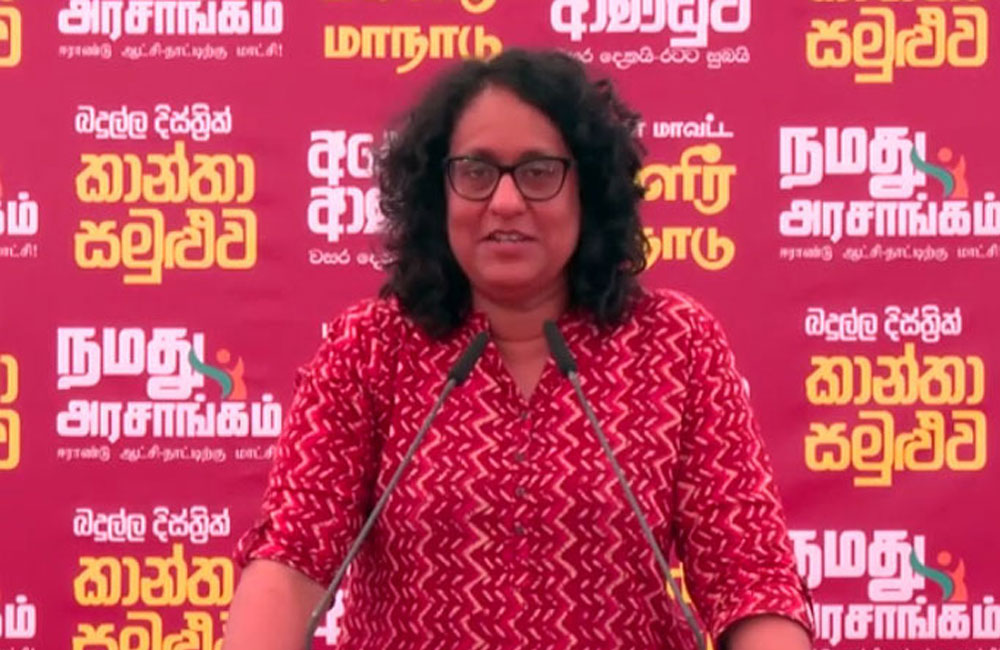
Prime Minister Dr. Harini Amarasuriya has announced a major state recruitment drive to induct 30,000 new teachers into the national education system by March 2027.
Speaking at a National People’s Power women’s convention in Badulla on Sunday (18), the Prime Minister outlined the government's phased timeline to address critical staffing deficits across public schools.
Formal interviews to select 23,000 graduate teachers will commence nationwide on 20 November as part of the initial recruitment phase scheduled for completion before the end of the year.
The intake will expand early next year with the absorption of 6,000 diploma holders graduating from Colleges of Education into the teaching service by February.
Selection processes for degree holders possessing Bachelor of Education qualifications will follow immediately after, bringing total new appointments to 30,000 by the March deadline.
The large-scale induction aims to strengthen classroom teaching capacity and streamline official appointments across rural and urban administrative districts.
By systematically integrating university graduates and trained diploma holders, the Ministry of Education seeks to enhance academic standards and resolve long-standing teacher shortages.
Bureaucratic delays keep Sri Lanka tied to costly diesel power
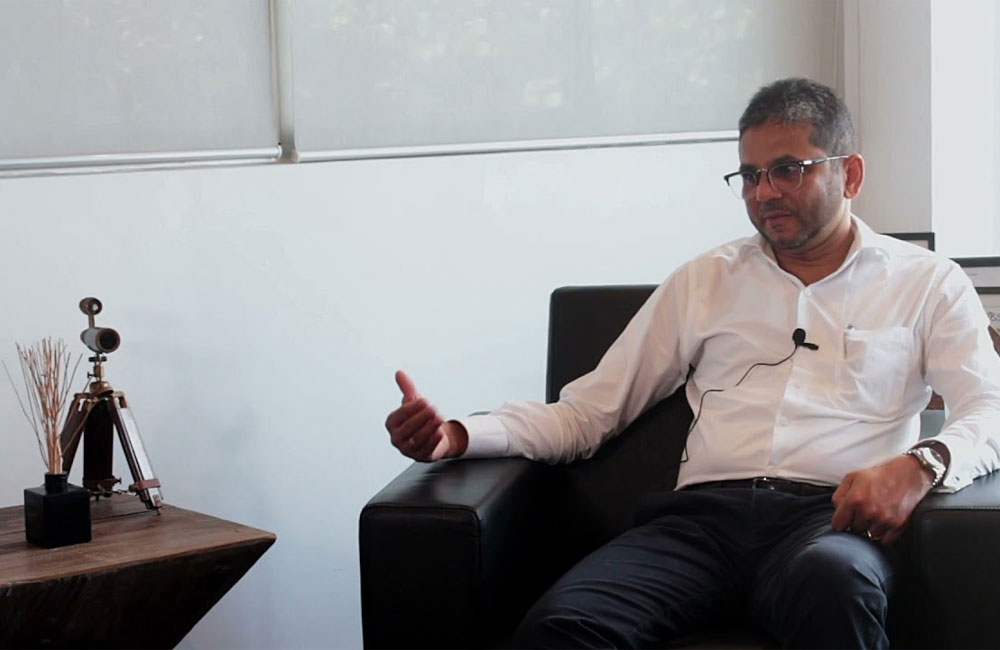
Delays over land, contracts and approvals are keeping Sri Lanka tied to expensive diesel power, WindForce PLC Managing Director Manjula Perera has warned, even as the Government seeks about Rs. 400 billion in renewable energy and battery storage investment over three years.
Perera made the warning at the Sri Lanka Economic and Investment Summit 2026, where he said the system meant to turn that ambition into electricity was struggling to move projects forward.
He cited WindForce’s 100 MW Siyambalanduwa solar project, awarded in 2022, which waited about 18 months for the Government to hand over land. Commissioning is expected by July 2027, so the project will take roughly five years from award to operation. Two 50 MW wind projects at Mullikulam, awarded to WindForce and Vidulanka in February 2026, face similar obstacles. Perera said land matters remain unresolved and the draft power purchase agreement is still with the Attorney General’s Department. The available information does not put a figure on the national loss, but prolonged delays can raise financing costs, postpone electricity production and weaken investor confidence.
The cost of waiting is considerable. Perera said renewable sources supply about 54% of electricity, while thermal power supplies around 46% but takes more than 71% of generation costs. Diesel plants provide about 14% of supply yet account for roughly 40% of costs, at an estimated Rs. 94 per kilowatt-hour. Actual savings from new renewable capacity would depend on tariffs, grid integration, financing and balancing needs. Even so, competitively priced projects could cut exposure to costly thermal generation, while delays could complicate any reduction in electricity tariffs.
Perera named three main barriers to foreign investment. These are power purchase agreements that are not sufficiently bankable, rupee-denominated tariffs for large projects and an approval process that requires more than 17 clearances. Foreign investors weigh these risks against markets that offer more predictable terms and schedules.
He also said the planned move towards competitive tendering needs careful handling. Auctions can reveal lower prices, but headline tariffs alone do not show whether a project offers value for money. Land readiness, financing conditions, realistic construction deadlines and enforceable contract terms must also be assessed.
On battery storage, Perera said government tenders cover 160 MW, 250 MW and a further 150 MW. The first tranche is nearing commissioning, the second is expected to follow and the third is due to be awarded soon. Storage can help absorb variable solar and wind output and support grid stability, which may reduce the need to keep expensive thermal plants running for system support.
Technology alone cannot fix institutional weakness, he cautioned. Splitting the Ceylon Electricity Board into separate entities would achieve little unless the successor bodies have enough staff and commercial expertise.
Unless contracts become financeable, approvals speed up and land disputes are settled, Sri Lanka will go on paying a diesel premium while billions of rupees in green investment wait in procedural queues.
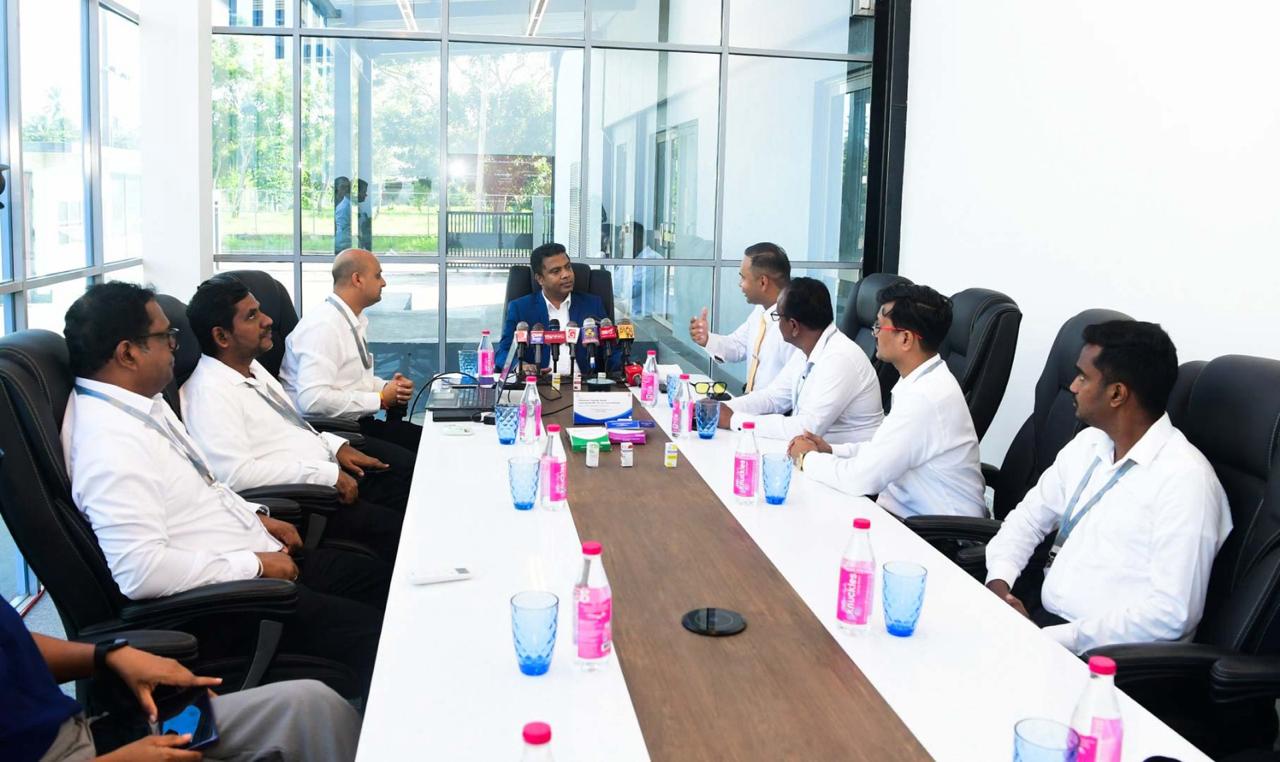
Sri Lanka to produce insulin locally following completion of Rs. 3bn Galle factory
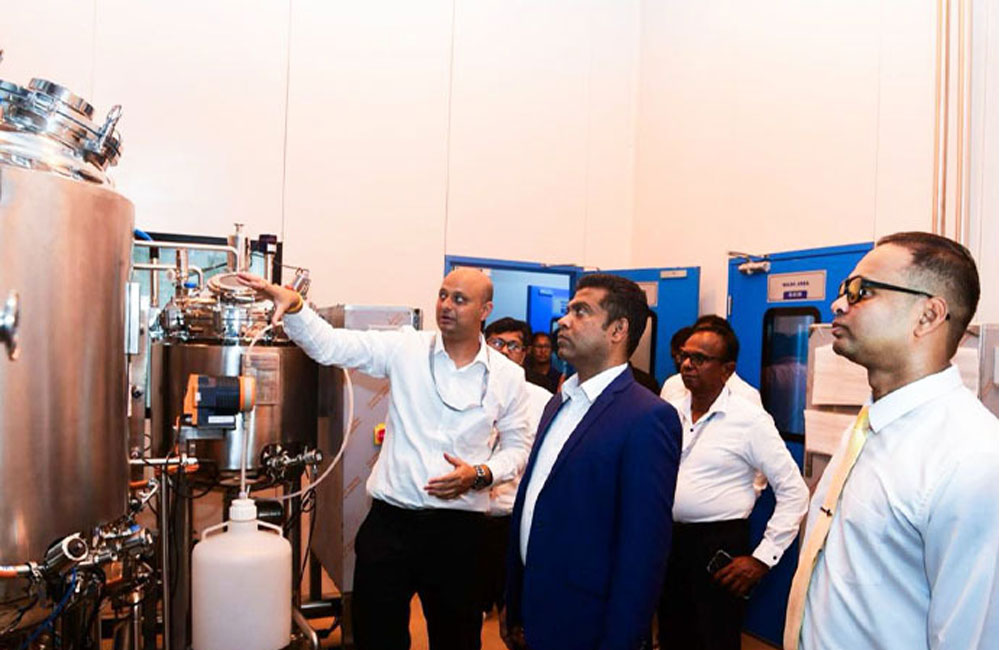
Sri Lanka will begin domestic production of insulin for the first time following the completion of a Rs. 3 billion manufacturing facility in Galle.
Health and Mass Media Minister Dr. Nalinda Jayatissa announced the project timeline on 17 October during an official inspection of the site at the Koggala Export Processing Zone.
Operated by Premium International Injectable Private Limited in a joint venture with the State Pharmaceuticals Manufacturing Corporation, the factory is slated to start operations in 2027 once final validation procedures conclude.
Expanding local production and reducing imports
The state has entered into a 15-year pharmaceutical supply agreement with the company to secure domestic distribution.
While initial manufacturing will focus on insulin, anaesthetic drugs, and pain relief medication, operations are planned to scale up to thirty-three distinct pharmaceutical products.
The Health Minister stated that Sri Lanka currently relies on foreign imports for eighty-five to ninety per cent of its hospital drug supply, with local production accounting for just ten to fifteen per cent.
He noted that public healthcare facilities have secured ninety-six per cent of their required drug supplies, though procurement bottlenecks persist for thirty-seven types of medicine owing to vendor shortages.
Dr. Jayatissa highlighted that strengthening domestic drug manufacturing over the next decade will serve as a primary policy objective to curb import dependence.
Export opportunities
Boosting local production capacity is expected to conserve vital foreign currency reserves while creating new revenue streams through international trade.
The operating company confirmed plans to export surplus pharmaceuticals once local market demand is fully met.
Government authorities are holding bilateral discussions to export state manufactured medicines to the Maldives through the State Pharmaceuticals Manufacturing Corporation.
International supply requests have also been submitted by several other nations, including Timor-Leste.
Sri Lanka targets $8.2 billion foreign reserves by year end - CBSL Governor
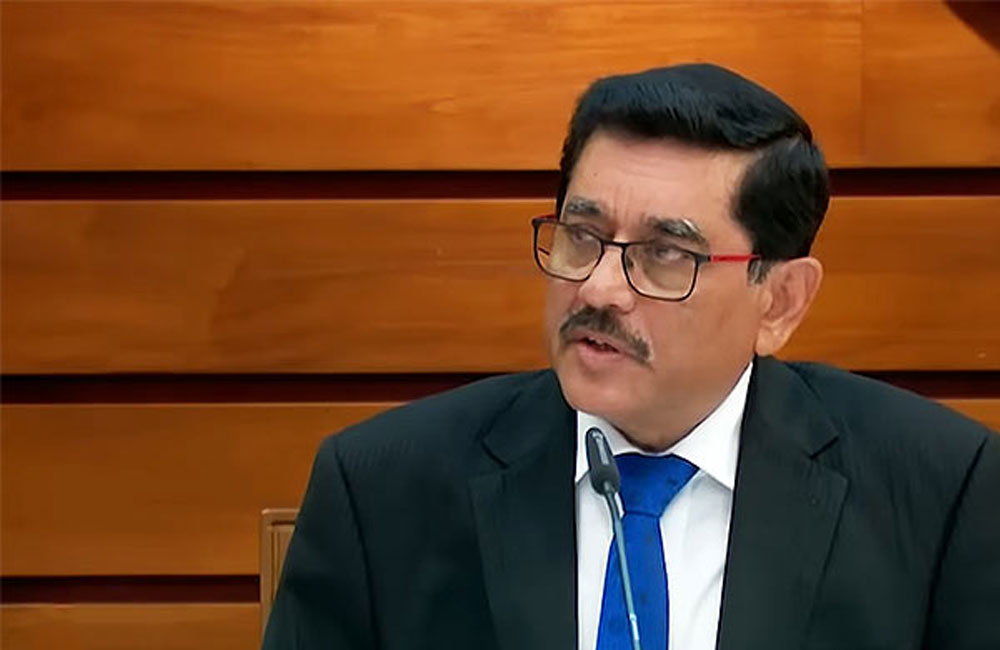
Sri Lanka expects gross official reserves to reach approximately 8.2 billion United States dollars by the end of the year, providing a critical financial buffer against external risks and adverse climate projections.
Central Bank of Sri Lanka (CBSL) Governor Dr. Nandalal Weerasinghe announced the target during an interview with international media, confirming that designated financial dispatches would elevate existing reserves from nearly USD 7 billion.
Official data recorded foreign exchange holdings at USD 6.85 billion at the conclusion of September, requiring an expansion of USD 1.35 billion over the fourth quarter to meet official estimates.
Subject to board approval, an upcoming disbursement of roughly USD 345 million from the seventh review of the International Monetary Fund bailout facility is anticipated to account for nearly a quarter of that required total.
Achieving the projection would lift Sri Lanka to its highest year-end reserve standing since 2014, though the total includes a USD 1.4 billion dollar currency swap line with the People's Bank of China that remains bound by operational conditions.
Economic metrics reveal a widening merchandise trade deficit of USD 7.18 billion over the first eight months of the year, alongside a projected shift into a modest current account deficit following three consecutive surplus years.
Despite an increase in consumer price inflation to 8.0 per cent in September, fiscal performance strengthened as the eight-month primary budget surplus surged to USD 1,644.6 billion.
The CBSL Governor stressed that maintaining strong fiscal buffers remains vital to insulate the domestic economy against lingering Middle East conflicts and anticipated El Niño drought conditions in 2027 that could hamper hydropower production.
SriLankan Airlines issues advisory over fraudulent mobile applications
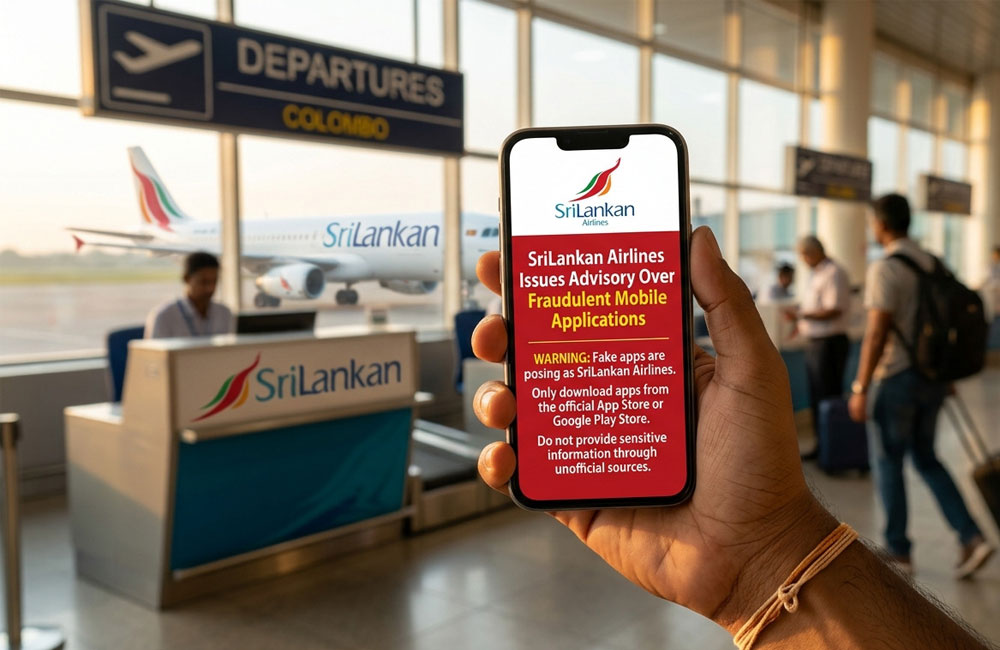
Sri Lankan Airlines has issued an urgent advisory warning passengers against downloading fraudulent mobile applications attempting to impersonate the national carrier.
The public notice was released in Colombo on Monday to protect travelers from financial scams and unauthorized digital platforms.
Company officials instructed the public to avoid downloading software from unverified websites, third-party app distribution platforms, social media links, or instant messaging networks.
Verification measures
The airline clarified that it does not send links via WhatsApp, text messages, emails, or social media urging customers to install software.
It emphasized that official staff will never request sensitive financial credentials, including banking personal identification numbers, credit card details, or one-time passwords from passengers.
To ensure digital safety, travelers were advised to obtain the genuine application exclusively from the official Apple App Store or Google Play Store.
Users must check that the listed publisher name displays SriLankan Airlines Limited before installing or updating any software on their devices.
The airline reiterated that authentic promotional campaigns, booking facilities, and digital services are hosted solely through its official web portal, verified social media handles, and official mobile program.
Individuals who spot suspicious software are urged to avoid entering personal data and report the platforms directly to customer support.
Page 1 of 785