News

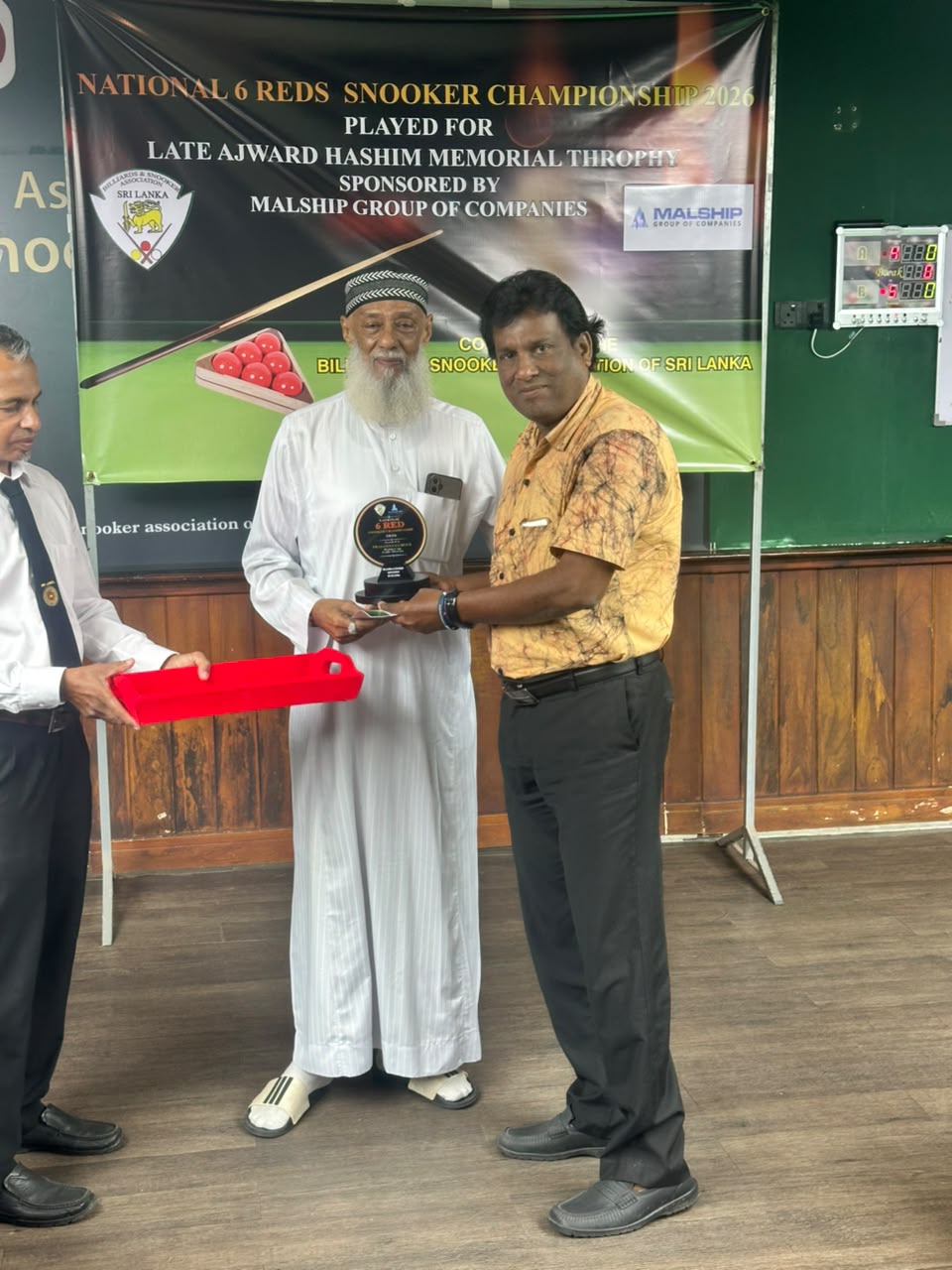
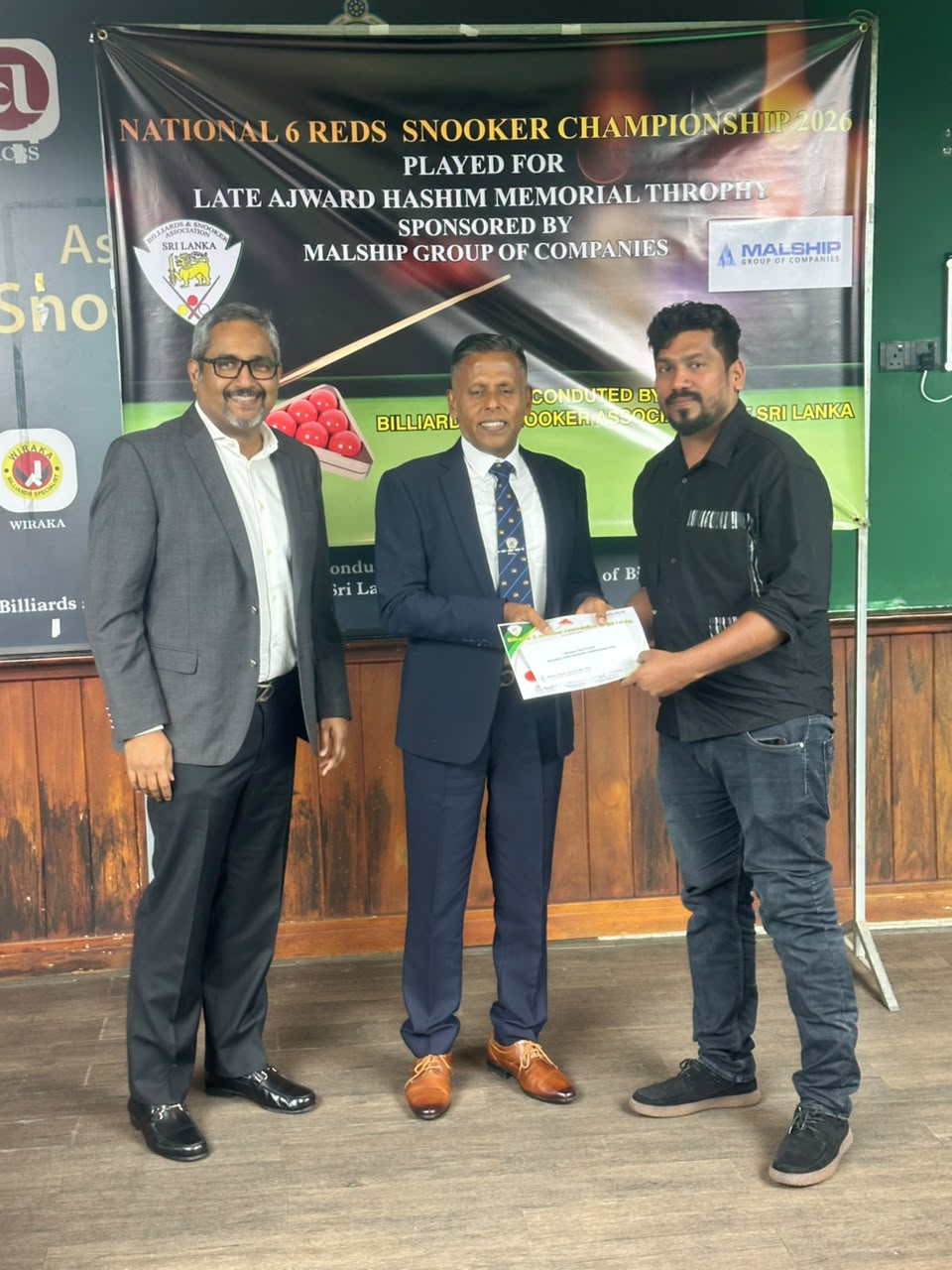
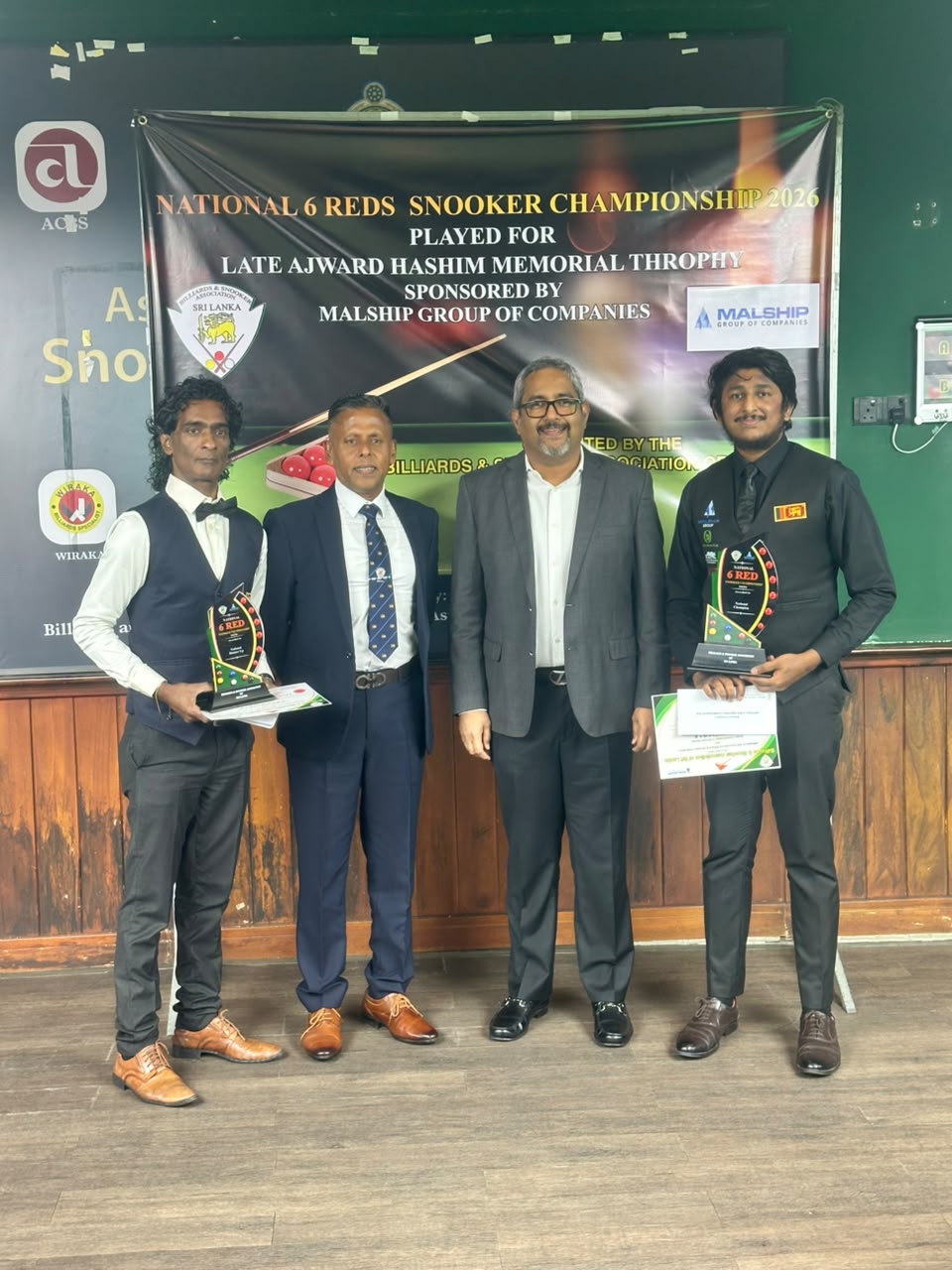
Thaha Crowned National 6 Reds snooker champion after thrilling 5-4 Final
Late Ajwad Hashim Memorial Trophy
MALSHIP Group of Companies Sponsors Championship
M. I. Thaha of Moors Sports Club (MSC) was crowned the National 6 Reds Snooker Champion 2026 after a thrilling and closely fought 5–4 victory over Susantha Boteju of YMBA Colombo in the grand final of the 6 Reds Snooker National Championship 2026, played for the prestigious Late Ajwad Hashim Memorial Trophy.
Organised by the Billiards & Snooker Association of Sri Lanka (B&SASL), the championship brought together leading snooker players from across the country in a district-based competition before reaching its decisive knockout stages.
The championship was held with the valued sponsorship of the MALSHIP Group of Companies, whose continued support has contributed significantly towards the promotion and development of cue sports in Sri Lanka.
The tournament commenced with the district competitions, with the Kandy and Ratnapura District Championships conducted on August 8 and 9, followed by the Kegalle, Galle and Gampaha District Championships on August 15 and 16. The Colombo District competition was conducted separately to accommodate players involved in preparations and selection activities for international cue sports competition.
The national championship subsequently entered its knockout stage, where the country's leading players battled for a place in the final four.
In the quarter-finals, M. I. Thaha defeated M. Rikaz 4–1, while Susantha Boteju defeated H. A. M. Rimzan 4–0. Bilal Sattar recorded a 4–0 victory over M. Prathap, while M. F. M. Fahim defeated A. M. M. Silmy 4–0.
The semi-finals produced two further decisive encounters. Susantha Boteju defeated M. F. M. Fahim 5–1, while M. I. Thaha overcame Bilal Sattar by the same 5–1 scoreline, setting up a much-anticipated final between Thaha and Boteju.
The grand final lived up to expectations, developing into a tight contest between two determined players. With the score reaching 5–4, Thaha secured the decisive frame to claim the National 6 Reds title and the Late Ajwad Hashim Memorial Trophy.
Boteju's performance throughout the championship earned him the runner-up position, while his performance in the final provided a strong challenge to the eventual champion.
The tournament also provided an important platform for Sri Lanka's leading cueists to demonstrate their skills ahead of international competition. Sri Lankan players are scheduled to compete in several cue sports disciplines, including Snooker, Billiards, Pool and Heyball Pool, at the Commonwealth Cue Sports Championship in India.
The concluding awards ceremony provided an opportunity to recognise the achievements of the players and acknowledge those who contributed to the successful conduct of the championship.
The Billiards & Snooker Association of Sri Lanka extended its sincere appreciation to the MALSHIP Group of Companies for its sponsorship and continued support towards the development of cue sports in Sri Lanka.
The Association also expressed its gratitude to Mr. Zuresh Hasim, President of Moors Sports Club, for his valuable support and hospitality in facilitating the successful conduct of the championship and its concluding activities at Moors Sports Club.
The B&SASL further acknowledged the contribution of the players, referees, tournament officials, affiliated clubs, organisers, supporters and spectators whose cooperation helped make the championship a success.
With Thaha adding the 2026 National 6 Reds title to his record, the championship concluded with a memorable final and further highlighted the growing standard and competitiveness of snooker in Sri Lanka.
Final Result
Champion: M. I. Thaha – Moors Sports Club (MSC)
Runner-up: Susantha Boteju – YMBA Colombo
Final Score: Thaha defeated Boteju 5–4
Tournament: 6 Reds Snooker National Championship 2026
Trophy: Late Ajwad Hashim Memorial Trophy
Organised by: Billiards & Snooker Association of Sri Lanka
Sponsored by: MALSHIP Group of Companies

Dissanayake Says Authenticity Is Key to Building Public Trust
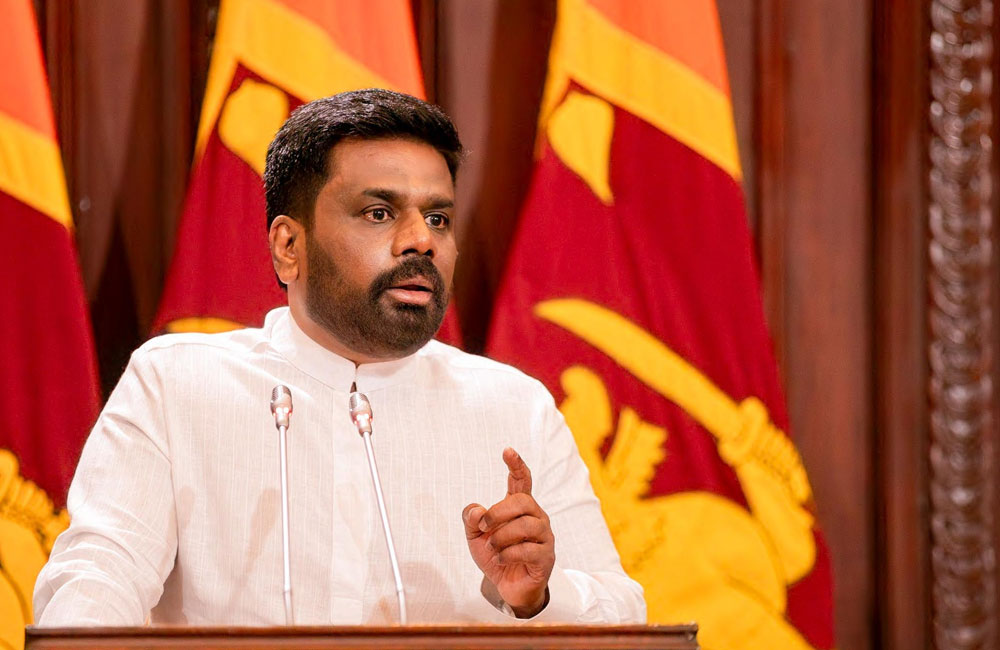
President Anura Kumara Dissanayake has said he intends to build public confidence by remaining genuine rather than attempting to portray an image that does not reflect who he really is.
In a Facebook message, the President emphasized that sincerity is a fundamental part of establishing trust that can be maintained over the long term.
He said he wanted to gain the confidence of the public by openly presenting himself as he truly is.
According to Dissanayake, creating an artificial image could ultimately undermine that confidence, as public trust would weaken if people eventually discovered a different reality.
The President also expressed his belief that the government would gain the trust of a larger number of people by the end of its tenure than the number who initially supported it at the time it came to power.

TIN Certificate to Become Mandatory for Key Transactions from November 1
The Inland Revenue Department has announced that individuals will be required to produce a valid Taxpayer Identification Number (TIN) Certificate when carrying out several specified transactions from November 1, 2026.
The requirement applies under provisions introduced through the Inland Revenue (Amendment) Act, No. 11 of 2026.
According to the Inland Revenue Department, a TIN is mandatory for resident individuals who were aged 18 or above as of December 31, 2023, as well as those who reach the age of 18 on or after January 1, 2024.
The Department said the requirement is based on Extraordinary Gazette Notification No. 2334/21, issued on May 31, 2023, under Section 102(3) of the Inland Revenue Act, No. 24 of 2017, as amended.
From November 1, individuals covered by the relevant provisions will have to submit a valid TIN Certificate when undertaking the following transactions:
- Opening an account with a bank or financial institution
- Obtaining approval for a building plan
- Registering a motor vehicle
- Renewing a motor vehicle licence
- Registering land or a title to land
- Registering a business
- Transferring shares of a company incorporated in Sri Lanka
- Obtaining a credit card
The Department said officials responsible for processing these transactions have been instructed to verify that a valid TIN Certificate has been submitted before completing the relevant transaction.
Individuals who do not yet have a TIN have therefore been advised to obtain one before carrying out any of the specified activities.
Applications for a TIN can be submitted through the Inland Revenue Department's e-Services platform.
The Department also advised TIN holders to retain a valid copy of their certificate and produce it to the relevant institution or official whenever required.
In addition, individuals can verify their TIN through the Department's e-Services portal. A printout of the verification result showing both the individual's National Identity Card number and TIN may also be accepted in place of the official TIN Certificate for the specified transactions.

Massive SJB protest at Polduwa against 22nd Amendment
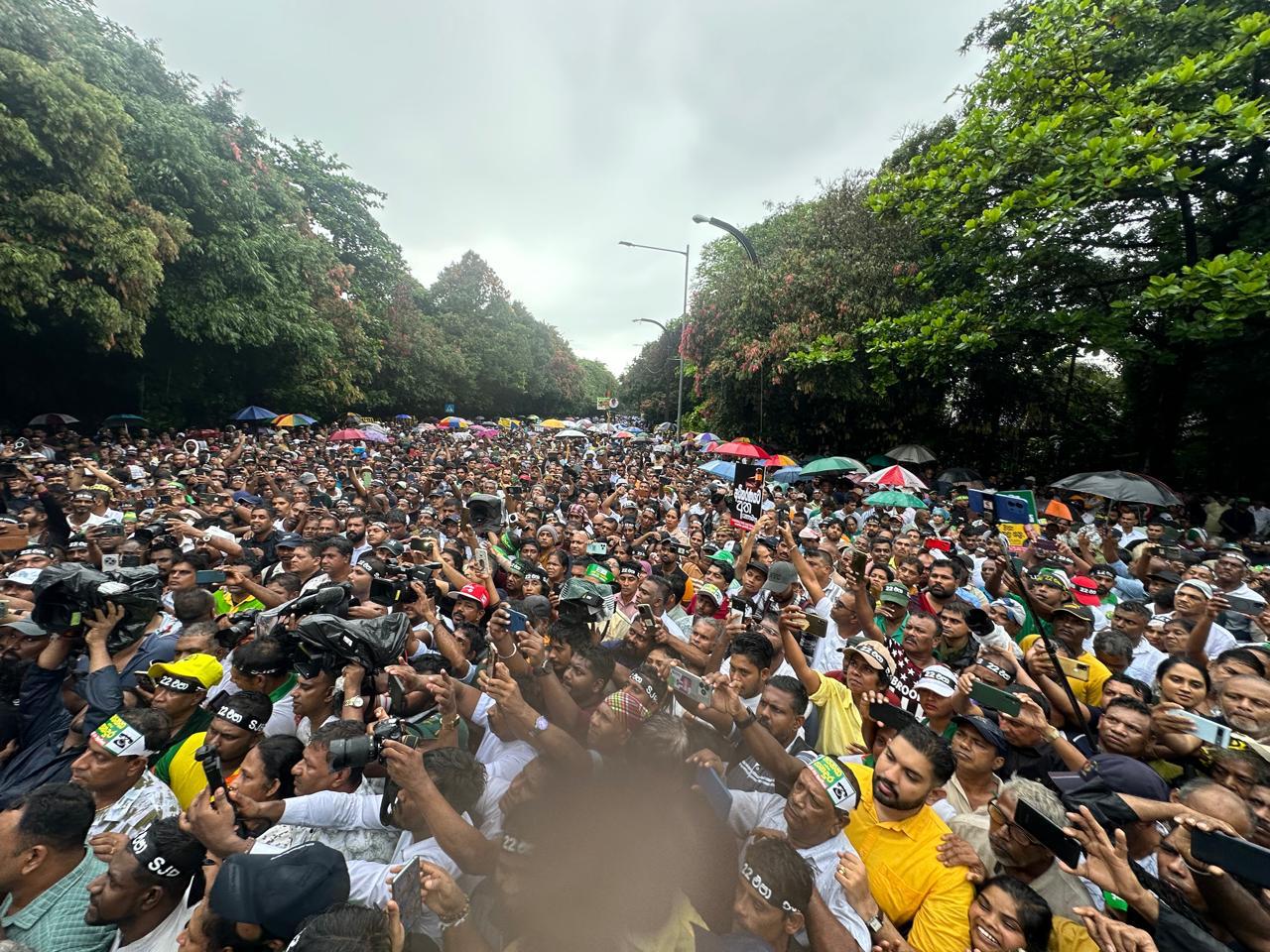
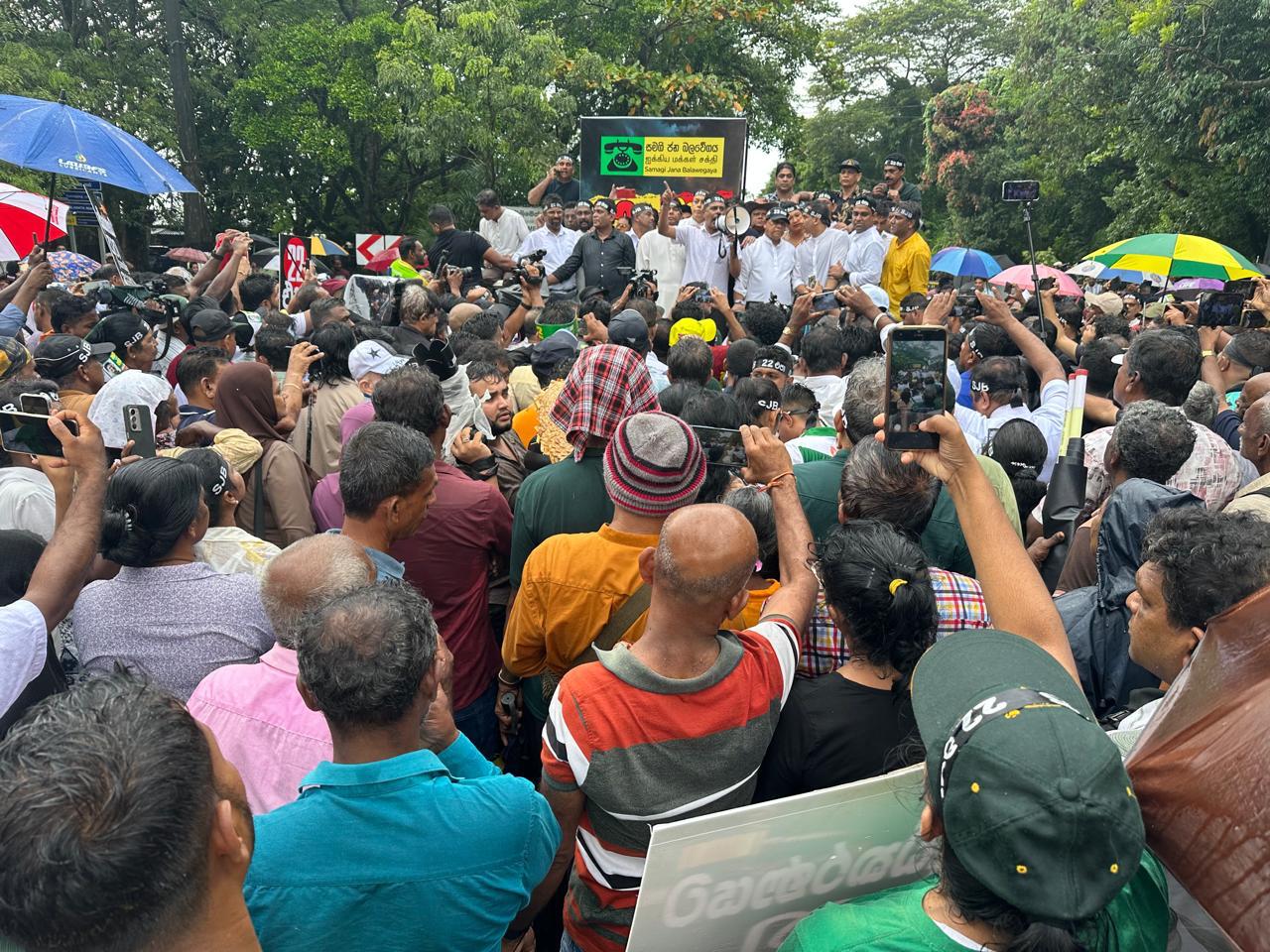
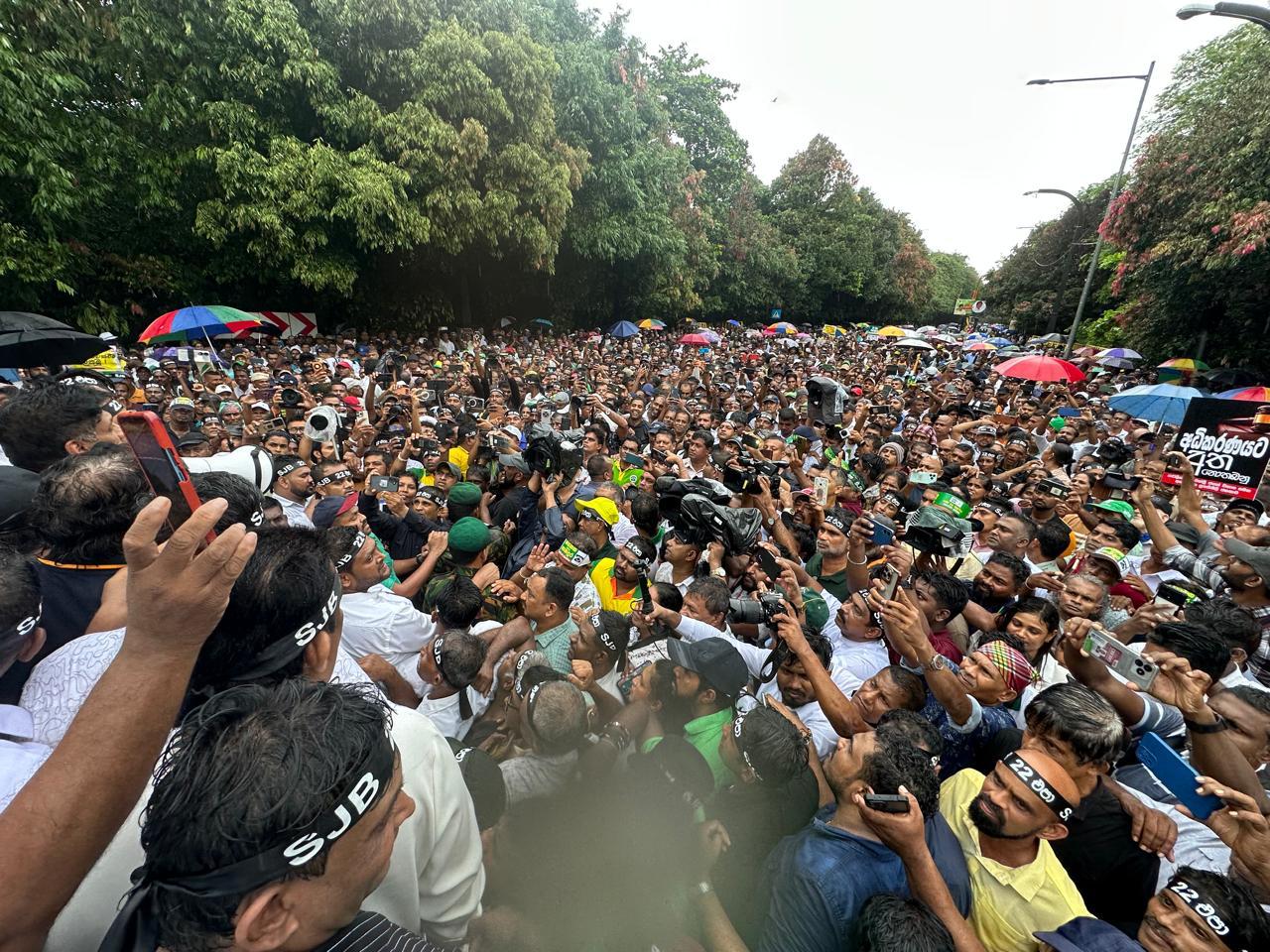
The main opposition Samagi Jana Balawegaya (SJB) organised a protest march and rally at Polduwa Junction in Battaramulla this morning to demand that the government immediately withdraw the proposed 22nd Constitutional Amendment.
A large crowd gathered on the Parliament access road despite adverse weather and torrential rain. The demonstration caused heavy traffic congestion in the surrounding area. Reports had circulated over recent days stating that various groups would refrain from participating, yet opposition activists and civil society representatives attended the event.
Opposition stance on constitutional amendment
Opposition Leader Sajith Premadasa recently outlined the core reasons behind the agitation.
He stressed that the proposed 22nd Constitutional Amendment threatens to cause a severe setback to the democratic structure of Sri Lanka, judicial independence, and the rule of law.
The Opposition Leader noted that protecting public fundamental rights and the independence of state institutions remains essential in a democracy, even though the government holds a two-thirds majority in Parliament.
Representatives at the rally emphasized that governance must not be confined to a single political centre.
They also stressed that constitutional checks and balances must operate without hindrance.
Future steps
The Opposition maintains that constitutional reform demands broad public consultation, advice from legal experts, and adherence to democratic traditions.
Opposition activists declared their intention to challenge the draft amendment through upcoming parliamentary debates as well as through legal and democratic avenues.
Former Deputy Minister’s Wife Arrested Over Alleged Rs. 50,000 Bribe
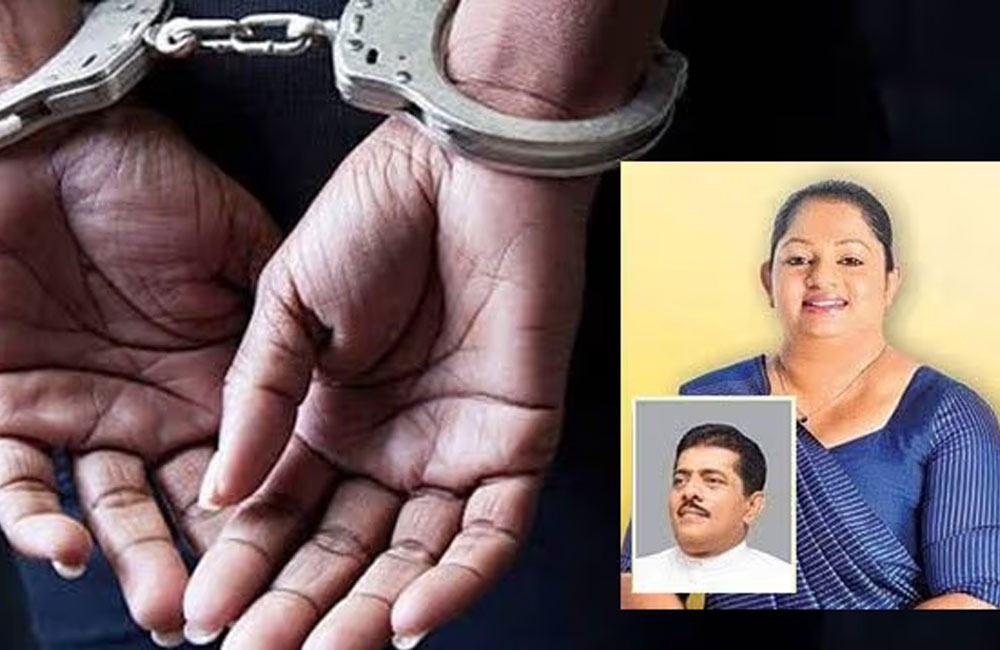
Chinari Lakmanthi Hettiarachchi, the wife of former Deputy Minister Sarana Gunawardhana, has been arrested by officers of the Commission to Investigate Allegations of Bribery or Corruption (CIABOC) over an alleged bribery offence.
According to the allegations, Hettiarachchi provided Rs. 50,000 to an office assistant attached to the Colombo High Court.
The alleged payment was intended to influence a judge to impose a suspended prison sentence in connection with a case pending against former Deputy Minister Sarana Gunawardena.
Hettiarachchi is due to be produced before the Colombo Chief Magistrate’s Court later today, where further legal proceedings are expected.
The bribery allegations are currently under investigation by the Bribery Commission.
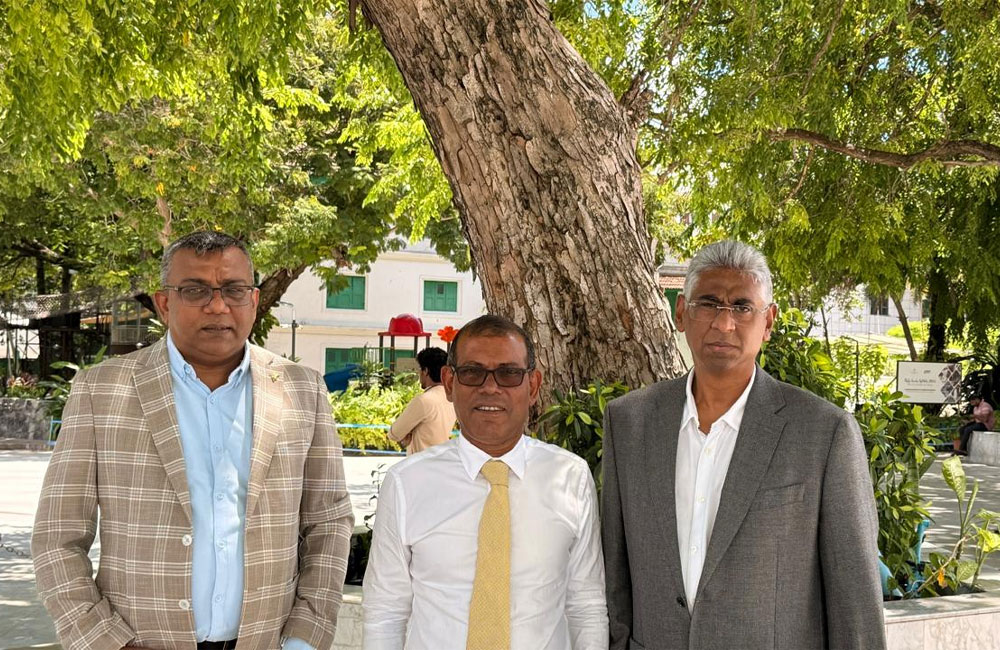
Senior legal envoys launch self-funded diplomatic mission to save Sri Lankan youth on death row
Parliamentarian Faiszer Musthapha (PC) and Upul Kumarapperuma (PC) have launched a high-level diplomatic intervention to save Anojan Sivarasa, a Sri Lankan youth sentenced to death in Saudi Arabia over a social media post.
The decision to send the senior legal experts as special diplomatic envoys followed direct intervention by the President Anura Kumara Dissanayake and Foreign Minister Vijitha Herath, who officially announced the mission in Parliament yesterday (22).
Funding the critical diplomatic mission out of their own personal resources rather than state funds, the envoys are scheduled to fly to Saudi Arabia in the coming days to plead for the young man's life.
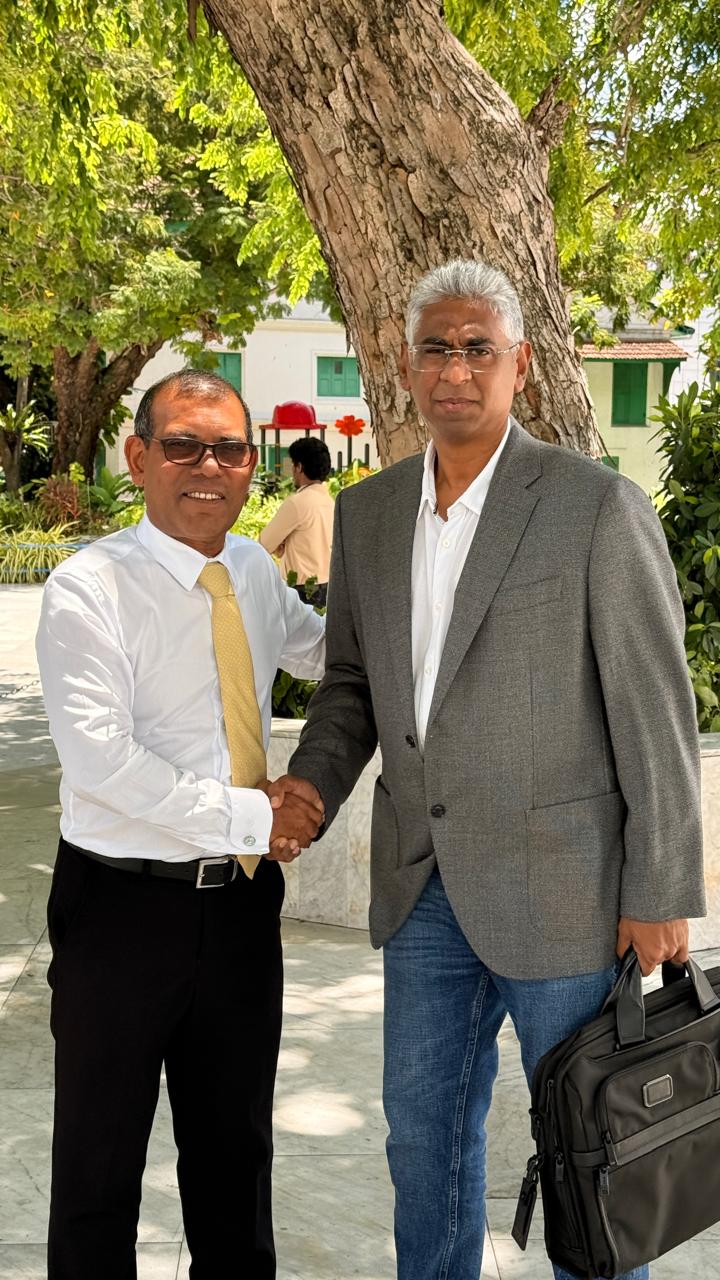
Former Maldivian President Mohamed Nasheed has also pledged his complete backing during a meeting with the two special envoys in the Maldives today (23).
During the discussions, former President Nasheed acknowledged that while the social media post posed a serious grievance to the Muslim community, he would intervene on strictly humanitarian grounds to assist the youth.
The crucial meeting in the Maldives marked the first official step in the international effort to secure royal clemency or a sentence reduction prior to the legal team's arrival in Saudi Arabia.

Two Separate Knife Attacks Leave Three Dead in Northern and Eastern Sri Lanka
Three people have died in two separate incidents involving sharp weapons reported in Panichchankulam and Sittandi, police said.
In Panichchankulam, within the Mankulam Police Division, an elderly married couple was fatally injured during an attack at their residence yesterday morning (24).
Police said the couple suffered serious injuries after being assaulted with a sharp weapon. They were subsequently taken to the Mankulam Base Hospital, where both later died.
The victims were identified as a 70-year-old man and his 68-year-old wife, both from Panichchankulam in the Mankulam area.
The circumstances surrounding the attack and the motive for the killings remain unclear. Mankulam Police are continuing investigations to determine the circumstances of the incident and locate those responsible.
Meanwhile, a separate fatal attack was reported in Sittandi, under the Santhively Police Division.
According to police, a man attacked his wife with a sharp weapon yesterday afternoon, causing fatal injuries. The victim was a 32-year-old woman from the Sittandi area.
Initial investigations indicate that the incident may have stemmed from a family dispute.
Police have arrested the suspect and recovered the knife allegedly used in the attack. Santhively Police are conducting further investigations into the circumstances surrounding the woman's death.

15 Convicted in Easter Sunday Case as Accused Receives 260-Year Sentence
The Colombo Permanent High Court Trial-at-Bar has convicted 15 accused in the long-running case over the 2019 Easter Sunday terror attacks, with one defendant receiving 260 years of rigorous imprisonment.
The three-member bench, comprising High Court Judges Navaratne Marasinghe, Ramanathan Kannan and Sujeewa Nissanka, delivered the final judgment yesterday (22).
The court found that the prosecution had established beyond reasonable doubt the charges against the 15 accused, including allegations relating to conspiracy, providing assistance and support, and conducting extremist lectures.
Five of the convicted accused were sentenced to 200 years of rigorous imprisonment each, while another five received 220 years each. Four others were sentenced to 240 years each.
Abdul Manaf Mohamed Firdous received the longest individual sentence, with the court imposing 260 years of rigorous imprisonment.
Those sentenced to 200 years each were Mohamed Anwar Mohamed Rizkan, Mohamed Mansoor Mohamed Samsudeen, Huseinul Rizvi Khalid Sameer, Mohamed Hanifa Zainul Abdeen and Kachchi Mohamed Mohamed Jemsith.
Naufar Moulavi, identified in the case as an ideological mentor of Zahran Hashim and a subsequent leader of the extremist group, was among those sentenced to 220 years. Mohamed Ramish Mohamed Sajith, Abdul Latheef Mohamed Safi, Mohamed Mustafa Mohamed Haris and Rasiq Raza Hussein also received 220-year sentences.
Mohamed Saribu Adam Lebbe alias Gafoor Mama, Hayathu Mohamed Ahmed Milhan, Mohamed Ibrahim Sadiq Abdullah and Mohamed Ibrahim Zahid Abdul Haq were each sentenced to 240 years.
In addition to the prison terms, the court ordered the confiscation of all movable and immovable property belonging to the 15 convicted accused, effective from the time the judgment was delivered.
The case was instituted in 2019 against 25 individuals, including Mohamed Ibrahim Mohamed Naufar alias Naufar Moulavi, over offences connected to the Easter Sunday attacks.
More than 23,270 charges had been filed against the accused, relating to alleged conspiracy, assistance and other activities connected to the attacks, which targeted three Catholic churches and three major hotels in Colombo, along with other locations.
During the lengthy trial, 2,309 prosecution witnesses gave evidence, with the recording of evidence concluding on August 24.
Delivering the judgment, the presiding judge said the three-member bench had reached its decision unanimously after carefully considering the evidence presented during the proceedings.
The court, however, acquitted and ordered the release of nine other accused after determining that the prosecution had failed to prove the charges against them beyond reasonable doubt.
Following the sentencing proceedings, the 15 convicted accused were taken into the custody of prison officials and transported to Welikada Prison at around 2.30 a.m. today.
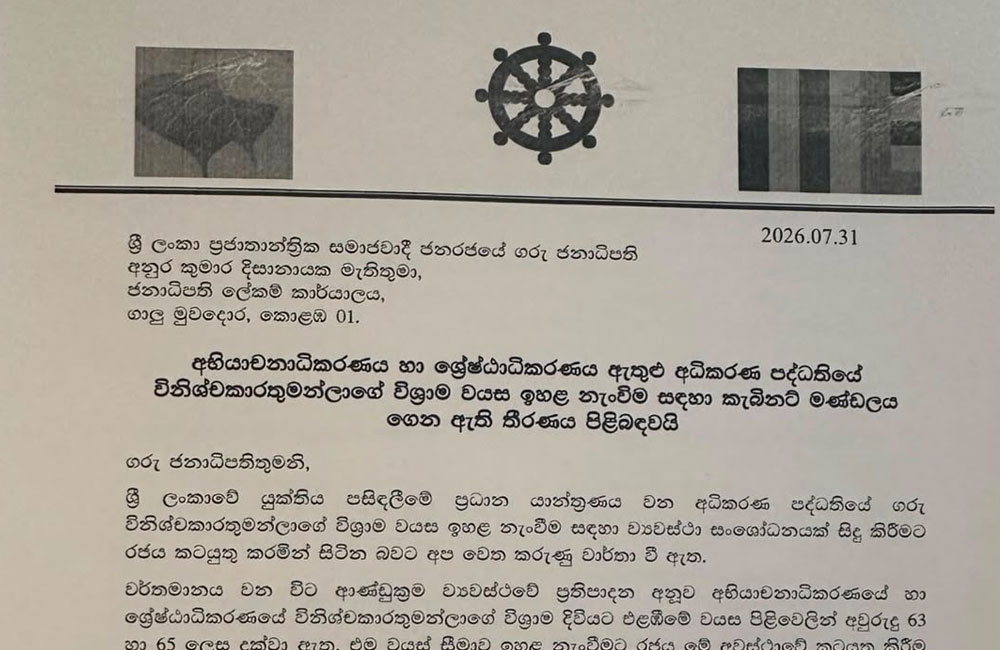
Future SJB Govt will repeal 22A - Sajith
Leader of the Samagi Jana Balawegaya (SJB) Sajith Premadasa has pledged that his party would repeal the 22nd Amendment to the Constitution if it forms the next government.
Premadasa made these remarks while addressing thousands of SJB supporters who gathered near Parliament at Polduwa Junction, Battaramulla, yesterday (24) to protest against the proposed amendment, coinciding with the Bill being taken up for debate in the House.
The Opposition Leader said that even if the amendment was passed, an SJB government would move to scrap it.
He noted that the proposed changes would undermine democracy and judicial independence while enabling an excessive concentration of political power within the Executive.
He further alleged that the amendment was designed to pave the way for a one party state, placing the country under the control of a single political force.
Speaking to the large crowd despite heavy rain, Premadasa said the protest had been conducted peacefully and that there was no intention among demonstrators to resort to violence, adding that they had assembled solely to protect democracy.
He challenged the government to prove its confidence in facing the electorate by holding long delayed Provincial Council elections.
He also accused groups aligned with the government of attempting to suppress turnout at the rally through public statements and other discouraging measures.
Premadasa said the SJB remained open to working with any democratic and corruption free political force committed to the country's progress and public welfare, referring to ongoing discussions on cooperation among Opposition parties, including the United National Party.
SJB General Secretary Ranjith Madduma Bandara said the protest had been organised specifically against the proposed amendment, which the party viewed as a measure capable of opening the door to authoritarian rule.
The protest began around 9 a.m. and ran alongside parliamentary proceedings on the Bill, which are set to continue today.
The Supreme Court has ruled that the amendment does not require approval by referendum and can be passed with a special majority in Parliament.
The protest led to considerable traffic congestion on roads surrounding Parliament and Polduwa Junction, while security was significantly tightened across the parliamentary complex, with a heavy police presence visible at both the junction and the main entrance to Parliament.
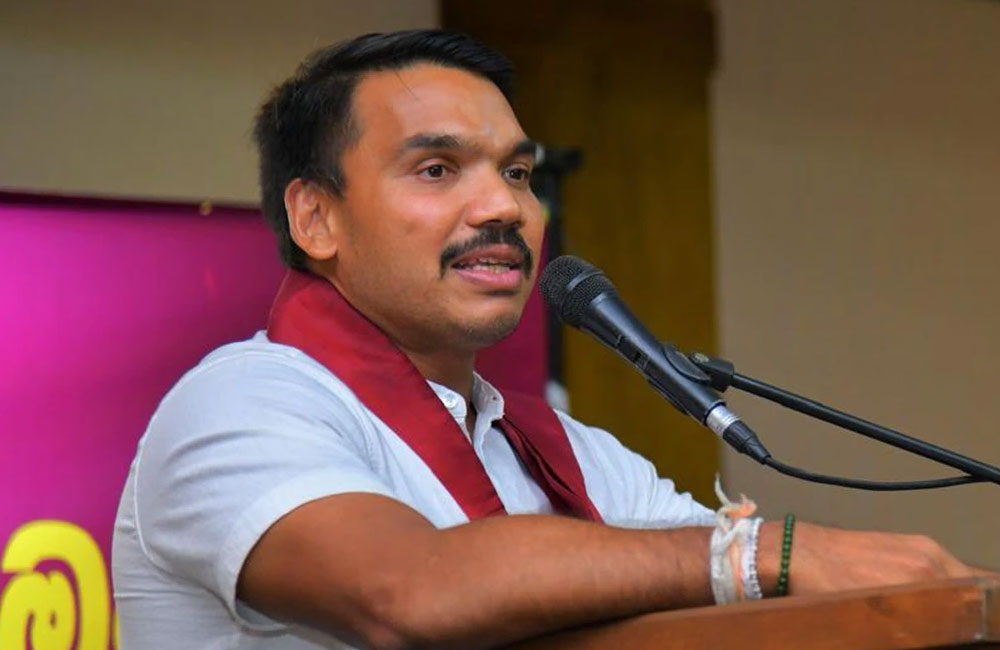
Namal Rajapaksa Further Remanded Until September 30 Over Airbus Case
Sri Lanka Podujana Peramuna (SLPP) Parliamentarian Namal Rajapaksa has been further remanded until September 30 in connection with a money laundering investigation linked to the procurement of Airbus aircraft for SriLankan Airlines.
The order was issued by Fort Magistrate Pasan Amarasena today (23), after Rajapaksa was produced before the court.
The court had been scheduled to deliver its decision on the MP’s bail application today. However, the Magistrate ordered that he remain in remand custody until September 30.
The case was filed by the Criminal Investigation Department (CID) under the Prevention of Money Laundering Act in relation to alleged financial irregularities surrounding the acquisition of Airbus aircraft by SriLankan Airlines.
Rajapaksa was previously ordered to remain in remand custody until September 23 after being named as a suspect in the investigation.
The Airbus-related proceedings are separate from another case being investigated by the Commission to Investigate Allegations of Bribery or Corruption (CIABOC) concerning the same transaction. Rajapaksa was also remanded in that case following his arrest earlier this month.

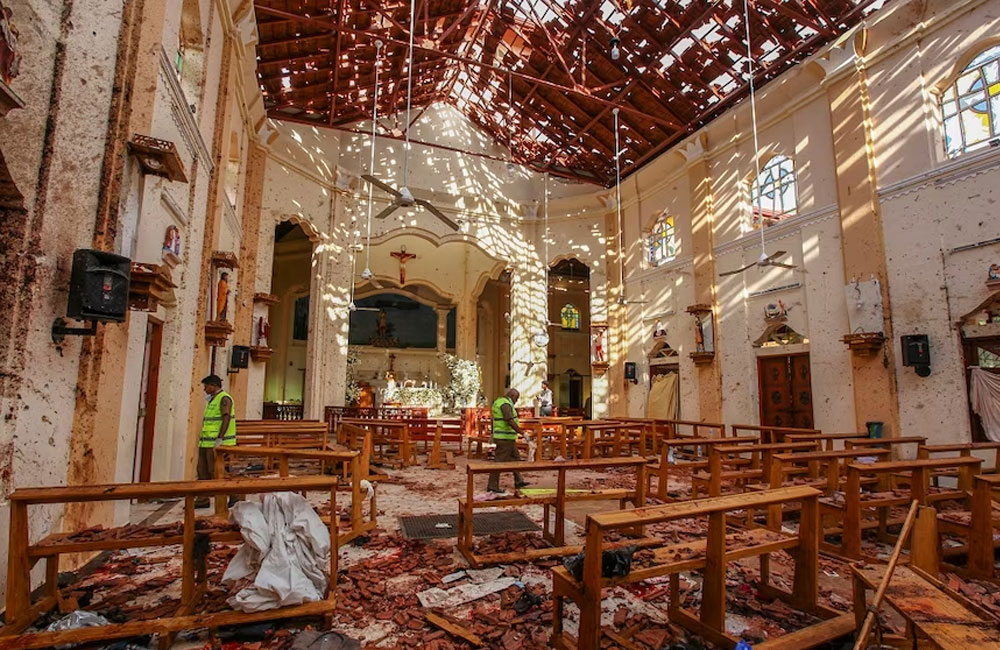
15 Convicted in Easter Sunday Attacks Case, Sentences Reach Up to 260 Years
A High Court Trial-at-Bar has convicted 15 accused in the case concerning the 2019 Easter Sunday terror attacks, imposing lengthy prison sentences ranging from 200 to 260 years.
The verdict was delivered by a three-member Trial-at-Bar comprising High Court Justices Navaratne Marasinghe, Ramanathan Kannan and Sujeewa Nishshanka.
The first accused was sentenced to 220 years of rigorous imprisonment, while the second, third, fourth and fifth accused were each sentenced to 240 years.
The sixth and seventh accused received 200 years each, while the eighth accused was sentenced to 260 years. The ninth and tenth accused were each given 220 years.
The eleventh and fifteenth accused were sentenced to 200 years each, while the sixteenth, eighteenth and nineteenth accused received 220, 220 and 200 years respectively.
The court also ordered the confiscation of the properties belonging to all 15 convicted accused.
At the same time, nine other individuals who had been indicted in connection with the attacks were acquitted and released. They were identified as Husainul Rizvi Khalid Sameer, Mohamed Sawahir Mohamed Hassan alias Abu Dawood, Mohamed Iftikhar Mohamed Insaf alias Abu Mohamed, Zainul Abdeen Mohamed Jaseen, Mohamed Mustafa Mohamed Rizwan, Meera Zaheed Mohamed Nafli alias Abu Sana, Mohamed Ameen Ayantullah, Mohamed Ansardeen Hilmi and Mohamed Akram Ahakkam.
The judgment relates to the Easter Sunday attacks of April 21, 2019, in which suicide bombers targeted three Catholic churches and three major hotels in Colombo. The attacks killed 269 people and injured more than 500 others.
Nine suicide bombers, including National Thawheed Jamaath leader Zahran Hashim, carried out the coordinated attacks, which drew widespread international attention.
Legal proceedings were initiated in 2019 against 24 accused over more than 23,270 charges. The charges included allegedly conspiring to carry out the attacks, providing assistance and abetment, promoting extremist ideologies and creating discord between communities.
The prosecution presented evidence from 2,309 witnesses in the case filed by the Attorney General, which included former National Thawheed Jamaath figure Naufer Moulavi among the accused.
The reading of the judgment began before the Trial-at-Bar at around 12.30 p.m. yesterday. Presiding Judge Navaratne Marasinghe told court that, given the extensive nature of the judgment, only the key matters would be read out in open court.
He noted that the indictment served on the accused consisted of nine volumes and approximately 8,900 pages.
The court considered allegations relating to the conduct of workshops, the maintenance of safe houses and activities involving extremist lectures and weapons training prior to the Easter Sunday attacks.
Explaining the court’s consideration of the alleged conspiracy, Judge Marasinghe said that individuals involved in a conspiracy did not necessarily have to be physically together or participate at the same stage. He noted that an agreement to commit an offence could be formed directly or implicitly and that individuals who became involved at different stages could all become parties to the conspiracy.
The Trial-at-Bar subsequently considered the individual defence submissions made by the accused.
The court rejected the defence pleas of 15 accused, resulting in their convictions, while the defence pleas of the nine acquitted accused were accepted.
Page 3 of 780