News

Extreme heat costs Sri Lanka $6.5 billion in lost economic output
Escalating heat stress driven by climate change threatens to strip Sri Lanka of hundreds of thousands of productive working years over the coming decades.
A new report published by the International Labour Organisation reveals that rising temperatures could eliminate the equivalent of up to 349,000 full-time jobs each year by 2060.
The study benchmarks future projections against historical data from 1985 to 2014, warning of severe economic consequences across multiple sectors as extreme heat curtails daily labour capacity.
Severe economic hits across key industries
The economic damage caused by thermal discomfort is already registering across the island.
In 2023 alone, heat-induced productivity drops cost the national economy an estimated USD 6.5 billion in fixed 2015 terms, translating to a loss of more than 120,000 full-time positions.
While outdoor manual labourers in agriculture and construction face extreme physical strain, the service sector absorbed the largest direct hit to economic output, accounting for nearly 42 percent of total financial losses.
Transport, trade, and manufacturing also suffered notable downturns as excessive heat forced employees to slow their pace or take frequent breaks to avert heat-related illnesses.
Proposed policy measures
To safeguard the domestic workforce, the report advises authorities to adopt comprehensive national workplace regulations that align with international safety standards.
It emphasizes the enforcement of ILO Convention No. 155 on occupational safety and health, alongside Convention No. 161, to ensure employers implement preventive measures against heat illness.
The severity of future working-hour losses will depend on global greenhouse gas reduction efforts and local adaptation measures.
Under a low-emissions scenario based on Shared Socioeconomic Pathways, annual job losses could be limited to 158,000, whereas unchecked emissions will push productivity decline to its upper forecast.
Sri Lanka risks losing donor trust over sluggish capital expenditure, warns UNDP
Sri Lanka risks weakening its global leverage with international creditors and donors if public project implementation and capital fund disbursement remain inefficient, the United Nations Development Programme (UNDP) said.
Speaking at a lecture organized by the Belt and Road Initiative of Sri Lanka, UNDP Country Economist Dr. Vagisha Gunasekara warned that low execution rates undermine external funding requests.
Figures from the World Bank and the national government revealed that public investment has stalled despite healthier revenue collection and Treasury reserves.
Official data showed that authorities had spent just under seventeen percent of the allocated capital budget by the middle of the year.
Dr. Gunasekara noted that external lenders will question requests for additional financing when allocated funds remain unused in state accounts.
The economist highlighted that the national economic recovery remains exposed to ongoing Middle Eastern tensions, rising global fuel prices, and a returning current account deficit.
Recent economic statistics indicated that domestic inflation climbed to eight percent in August.
Financing needs are further strained by lingering recovery costs from Cyclone Ditwah, which struck late last year and generated estimated damages of three billion four hundred million US dollars.
Impending climate disruptions, including predicted El Nino rainstorms and extended droughts, threaten agricultural output, energy supplies, and overall food security.
Debt statistics reflect a gradual easing of domestic obligations, with interest costs falling from eighty rupees per hundred collected in tax during previous years to forty-six rupees by last year.
The government aims to reduce interest expenses further to thirty-five percent of total revenue by the end of the decade through domestic bank borrowing and extended repayment maturities.
Reallocating debt servicing savings into national priorities grants the state greater fiscal flexibility to improve living standards across the country.
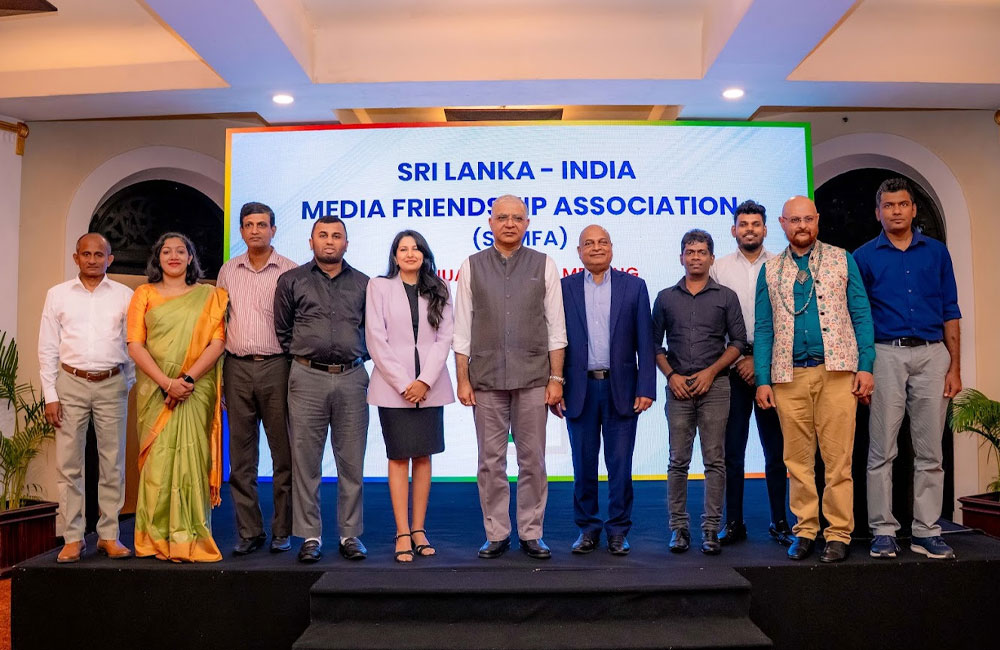
Indian envoy calls for deeper media collaboration between India and Sri Lanka
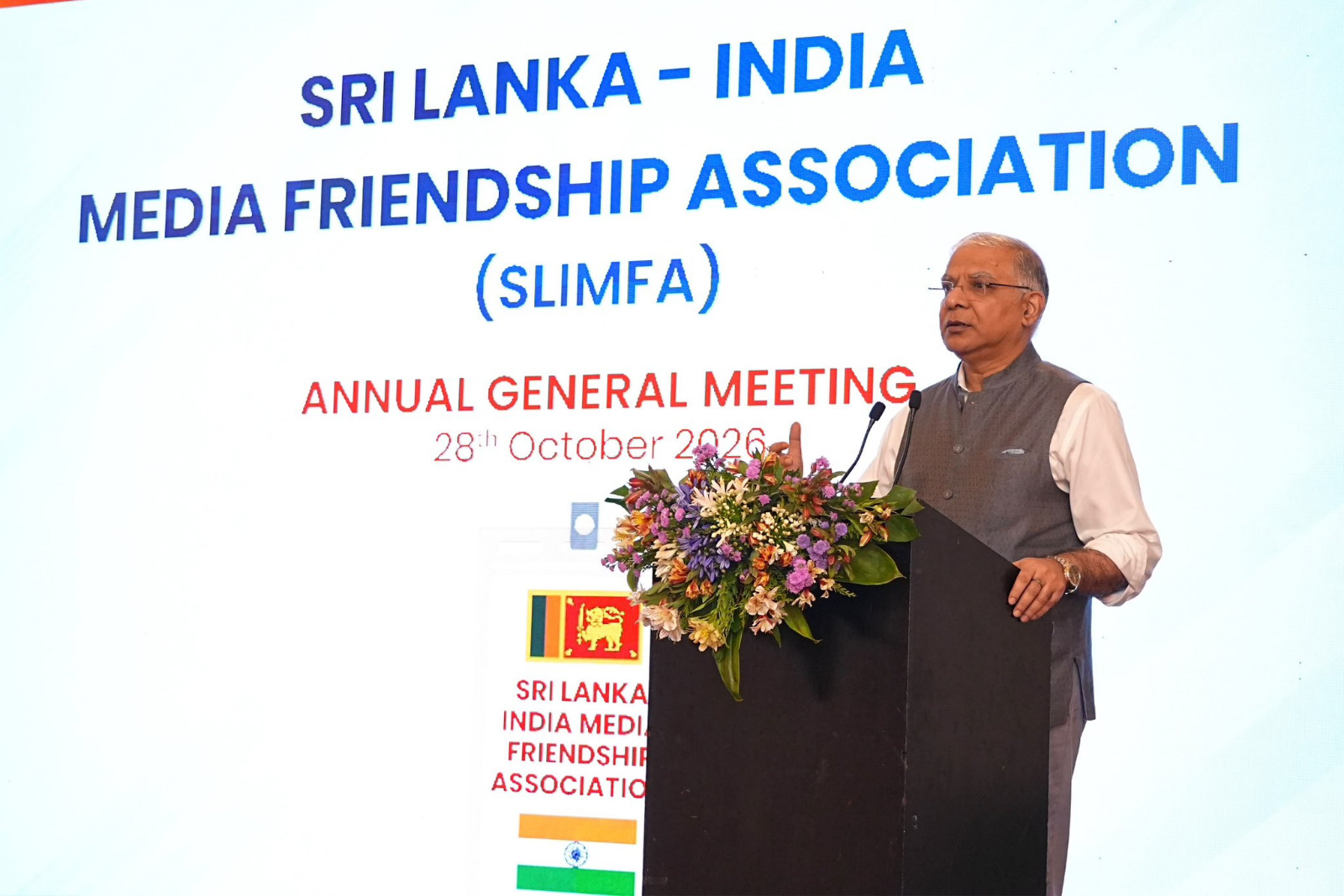
The Sri Lanka India Media Friendship Association (SLIMFA) held its Third Annual General Meeting on 28 October 2026 in Colombo, with the participation of the Patron of SLIMFA and High Commissioner of India to Sri Lanka, Santosh Jha and the members of SLIMFA.
The meeting saw the election of the new Executive Committee for the coming year.
Nisthar Cassim was re-elected as President, while Shehan Baranage, Kalani Kumarasinghe, Rifthi Ali, Santosh Menon, Dinesh De Alwis, Arosha Fernando, Robert Anthony, Dilrukshi Hadunnetti and Mahesh Bandara were elected to serve as members of the Executive Committee.
The President thanked members for their continued support and expressed his hope for continued collaboration in strengthening media ties.
The High Commissioner highlighted the important role played by SLIMFA in fostering deeper engagement and collaboration between the media communities of India and Sri Lanka.
He also congratulated the Association on organizing impactful initiatives within a short period since its establishment.
The High Commissioner wished SLIMFA success in their endeavours to further strengthen media cooperation, encourage professional exchanges and deepen the bonds of friendship between India and Sri Lanka.
Established in May 2024, SLIMFA brings together Sri Lankan journalists who have visited India under Government of India supported programmes, providing a platform for sustained engagement and knowledge-sharing between the media communities of both countries.
Since its establishment, the Association has organized several initiatives, including Sri Lanka’s first-ever Media Fest and its second edition in 2026, an AI Masterclass for media professionals, interactions with visiting Indian journalists, an Editors’ Roundtable, and discussions on media practices and election coverage.
These initiatives have provided opportunities for media professionals to exchange experiences, explore emerging trends and share best practices.
Through its continued engagement, SLIMFA seeks to strengthen professional networks and facilitate greater collaboration between media professionals in India and Sri Lanka, further reinforcing the longstanding friendship and people-to-people ties between the two countries.

SJB demands Speaker face 50 charges or resign immediately
Sri Lanka's main opposition party has accused the government of undermining democratic principles by refusing to debate a no-confidence motion against the parliamentary Speaker.
The Samagi Jana Balawegaya (SJB), along with forty-four opposition lawmakers led by Sajith Premadasa, submitted a fifty-point motion against Speaker Dr. Jagath Wickramaratne earlier this month.
The Parliament Secretariat subsequently scheduled a debate on a revised version of the motion for November 3.
Lawmakers from the opposition say that the Speaker must step down or allow the debate to proceed to address the half-century of charges against him.
They rejected government attempts to alter or drop any of the severe allegations detailed in the document.
The government argued during a party leaders meeting that the matter is sub judice and that the motion could only move forward if the opposition modified its claims.
Legal experts consulted by the opposition disputed that legal barrier, noting the charges stem directly from an internal parliamentary inquiry into a confidential information leak.
Although ministers previously agreed to consult the Attorney General on potential conflicts with ongoing court cases, they later dismissed that step as unnecessary.
Opposition members warned that the Speaker faces an active investigation by the bribery commission, rendering his continued presence in office unethical.
They said that the government's unilateral refusal to allow the debate sets a dangerous precedent for the nation's democratic institutions.

Court fixes February 2027 date for Namal Rajapaksa money laundering case
The Colombo Magistrate’s Court has scheduled a money laundering case against Parliamentarian Namal Rajapaksa and several other suspects for February 11, 2027, after the Police Financial Crimes Investigation Division (FCID) informed the court that it had yet to receive instructions from the Attorney General on how to proceed.
The case involves an alleged money laundering offence concerning Rs. 15 million reportedly invested in a company named N.R. Consultancy. The suspects are accused of investing funds allegedly obtained through unlawful means while Namal Rajapaksa was serving as a Member of Parliament.
The allegations fall under the Prevention of Money Laundering Act.
The investigation was initiated during the tenure of the good governance government and concluded in 2016. Following its completion, the relevant investigation files were forwarded to the Attorney General for further action.
The case was taken up before Colombo Chief Magistrate Asanga S. Bodaragama on October 29. However, Namal Rajapaksa, who was reportedly in remand custody, was not produced before the court.
The other suspects, Sujani Bogollagama, Nithya Samaranayake and Sudarshana Bandara, who have been released on bail, appeared before the court.
During the proceedings, the FCID informed the court that the investigation had been completed and the relevant files had been submitted to the Attorney General. However, the division said it had not received instructions regarding further legal proceedings.
The Magistrate subsequently ordered that the case be called again on February 11, 2027, and directed the authorities to inform the court of any progress in obtaining the Attorney General’s instructions.
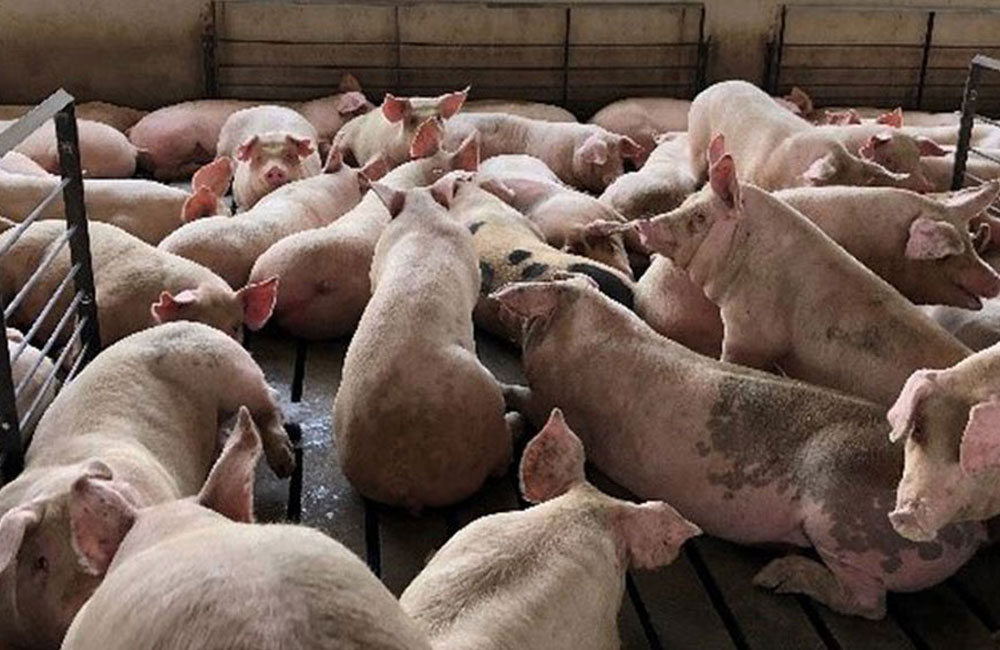
African swine fever detected at pig farms in six Sri Lankan districts
African Swine Fever (ASF) has been detected at pig farms in six districts across Sri Lanka, with nearly 200 pigs testing positive for the virus, according to the Department of Animal Production and Health.
The department’s Chief Epidemiologist, Dr. Pradeep Lakpriya Kumarawadu, said the cases were identified during inspections conducted at 48 pig farms in Colombo, Gampaha, Kalutara, Anuradhapura, Kandy and Puttalam.
Nearly 1,200 pigs were examined during the inspections, with a significant number found to be infected. Dr. Kumarawadu said the findings indicated a resurgence of the disease in certain areas, despite progress made in controlling its spread last year.
Authorities are raising awareness among farmers and advising them to follow recommended technical guidelines and preventive measures to limit further transmission.
Dr. Kumarawadu stressed that African Swine Fever is not a zoonotic disease and cannot be transmitted from pigs to humans. He also said the virus does not infect humans, meaning pork is not considered a human health risk from ASF itself.
However, he warned that the improper disposal of animal waste could accelerate the spread of the disease.
Some small-scale pig farmers reportedly slaughter animals at their homes and dispose of the resulting waste in or near water bodies, potentially creating conditions that allow the virus to spread.
Farmers and members of the public have therefore been urged to dispose of animal waste responsibly and follow recommended procedures.
Authorities have also called on pig farmers to remain alert, seek veterinary advice and maintain proper hygiene and biosecurity measures to help contain the outbreak.
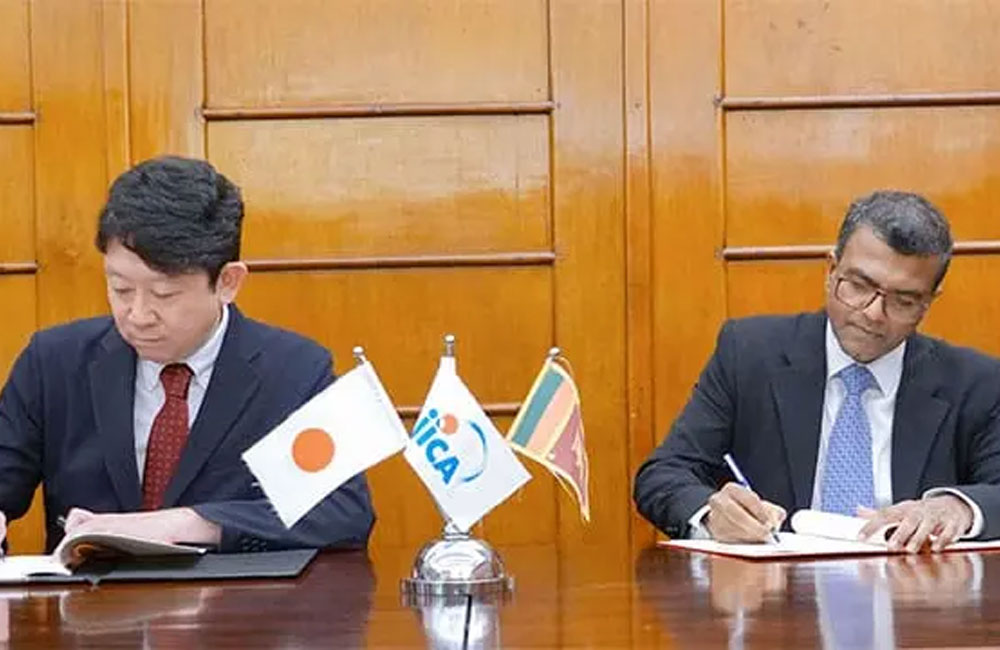
Japan grants Rs. 4.56 billion to reduce flood risks in Wattala and Peliyagoda
Japan has agreed to provide a grant of 2.179 billion Japanese yen, equivalent to approximately Rs. 4.56 billion, to Sri Lanka to improve flood management in Wattala and Peliyagoda.
The funding will support the Project for the Improvement of the Pump Station in the Kelani River basin under Japan’s Economic and Social Development Programme, with assistance from the Japan International Cooperation Agency (JICA).
The Exchange of Notes for the grant was signed at the Ministry of Finance, Planning and Economic Development. Dr. Harshana Suriyapperuma, Secretary to the Ministry, signed on behalf of Sri Lanka, while Japanese Ambassador to Sri Lanka Akio Isomata represented the Japanese government.
A separate grant agreement was also signed by Dr. Suriyapperuma and Shigeo Honzu, Chief Representative of the JICA Sri Lanka Office.
According to the Finance Ministry, the project aims to address recurring flooding in the Mudun Ela sub-basin, which covers parts of Wattala and Peliyagoda. Rising water levels in the Kelani River can obstruct stormwater drainage, increasing the risk of flooding in nearby areas.
As part of the project, a new pumping station with a discharge capacity of 15 cubic metres per second will be installed. The facility will also feature a modern Supervisory Control and Data Acquisition (SCADA) system to improve monitoring and operational control.
The new infrastructure is expected to improve stormwater discharge when water levels in the Kelani River rise, helping reduce flood risks for surrounding communities.
The project is also expected to safeguard residential neighbourhoods, businesses, industries and transport infrastructure while supporting sustainable urban development and creating a more favourable environment for investment.
Peliyagoda, a major commercial, logistics and transportation hub, is among the areas expected to benefit from improved flood management and increased resilience to climate-related risks.
The Sri Lanka Land Development Corporation will implement the project under the supervision of the Ministry of Transport, Highways and Urban Development.
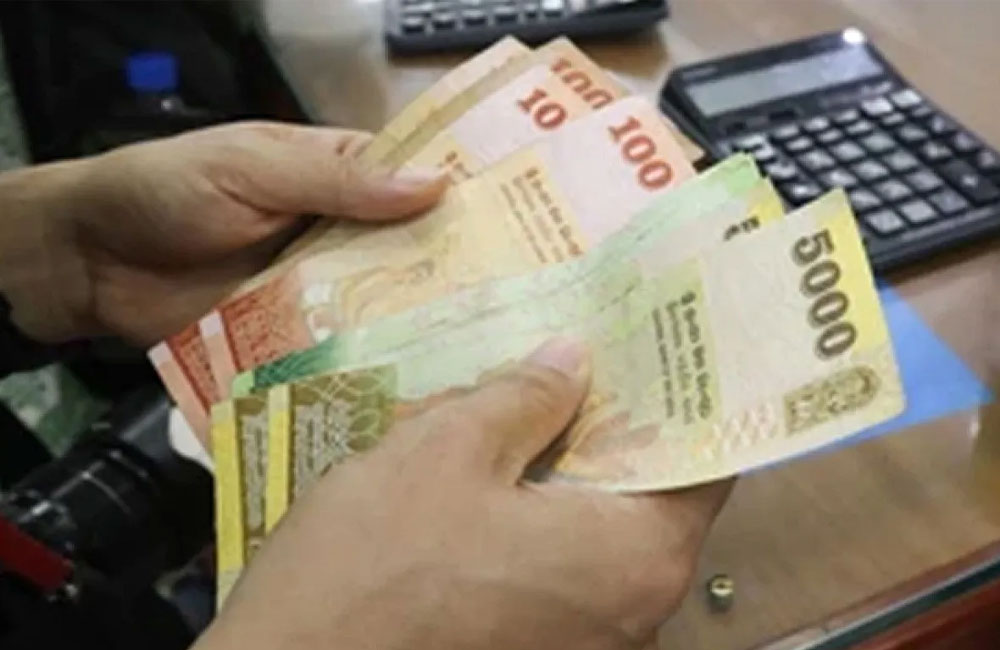
Over 1.39 million beneficiaries to be removed from revised Aswesuma list
The Welfare Benefits Board has taken steps to remove 1,391,830 beneficiaries from the Aswesuma welfare benefits programme following a revised selection process.
According to Government Gazette No. 2497/03, issued on December 15, 2025, financial assistance under the programme will now be limited to individuals classified under the “Extremely Poor” and “Poor” categories.
Following an update of beneficiary information, a total of 991,800 individuals have qualified under the first list. Of these, 363,142 beneficiaries have been classified as “Extremely Poor” and are eligible to receive a monthly allowance of Rs. 17,500 each.
Another 628,658 beneficiaries have qualified under the “Poor” category and will receive a monthly allowance of Rs. 10,000 each.
Meanwhile, the Welfare Benefits Board expects approximately 740,127 families to be selected for the second list of beneficiaries, which is scheduled to be published in December.
The current list of eligible beneficiaries has been displayed on notice boards at all Divisional Secretariat offices and Grama Niladhari offices.
Members of the public who wish to appeal or raise objections regarding the published list can do so from October 29 to November 11.
The Board is expected to release the second list of newly eligible beneficiaries in December, following the completion of the information-updating process.
New organised crime bill risks Sri Lanka EU GSP+ trade concessions - HRW
International rights watchdog Human Rights Watch (HRW) has urged the Sri Lankan government to withdraw its newly proposed organized crime legislation, warning that the draft bill risks replicating the abusive powers of the country's notorious counterterrorism laws.
The call was made in an official statement issued on 29 October following the submission of the Prevention of Organised Crimes Bill to Parliament on 20 October, which rights advocates argue contradicts election promises made by President Anura Kumara Dissanayake to abolish oppressive state security frameworks.
Replicating abusive legal frameworks
HRW highlighted that the proposed law, alongside the Protection of the State from Terrorism Bill submitted earlier in October, shifts draconian provisions outside standard criminal procedure.
Although introduced to meet obligations under the 2003 United Nations Convention against Transnational Organised Crime, the draft bill establishes broad definitions for serious crimes and organized groups that lack legal certainty.
Under the proposed terms, individuals could face criminal charges based on subjective factors such as physical association, meeting locations, style of dress, hand gestures, or tattoos, effectively penalizing personal association rather than proven unlawful conduct.
Sweeping executive detention and police surveillance
HRW said that the draft legislation empowers the Secretary to the Ministry of Public Security to issue two-month detention orders for up to a year without magistrate discretion, restricting bail exclusively to the High Court under exceptional circumstances.
The bill retains the admissibility of police confessions in court, a practice long linked to coercive interrogation, ill-treatment, and systemic torture.
Law enforcement agencies would also gain expansive authority to conduct warrantless searches, stop vehicles, and demand owner identity, location, and call records directly from digital and telecommunication service providers without prior judicial approval.
Freedom of Expression
"Sri Lanka’s organized crime bill would enable prolonged detention without adequate judicial oversight or evidence of criminal conduct, and could encourage torture by allowing convictions based on confessions obtained by the police," said Elaine Pearson, Asia director at Human Rights Watch.
Rights monitors further warned that clauses prohibiting media reporting on court proceedings without judicial permission, alongside restrictions on identifying crime victims, threaten freedom of expression and public oversight.
Failure to align the proposed laws with international human rights standards could also jeopardize Sri Lanka's duty-free market access to the European Union under the GSP+ trade scheme.
HRW said that the government should immediately withdraw the draft legislation to conduct open, inclusive public consultations that guarantee robust judicial safeguards and preserve fundamental civil liberties.
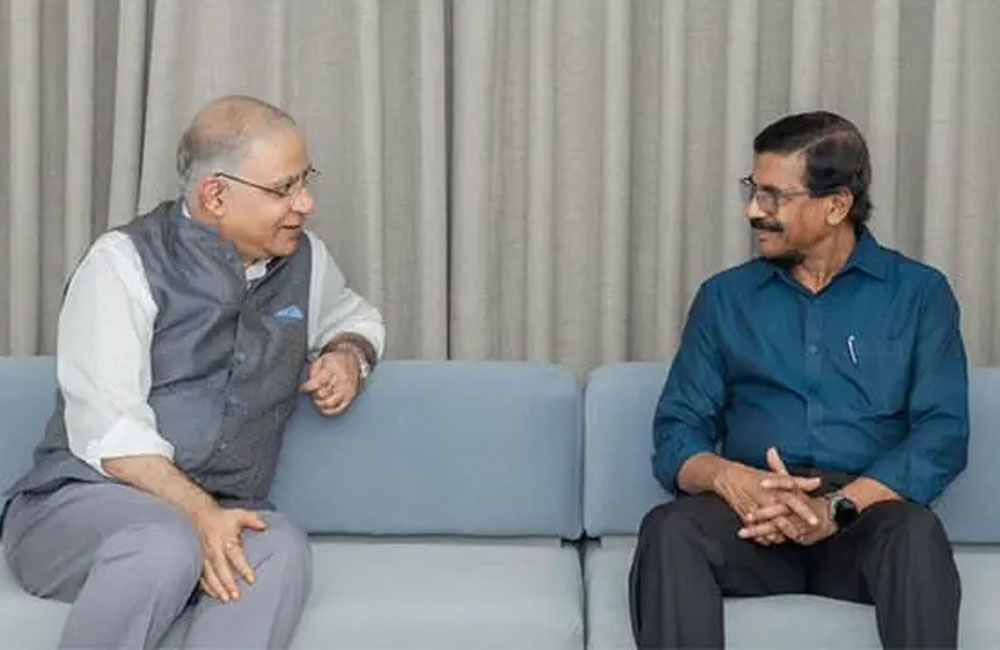
Indian High Commissioner meets JVP General Secretary Tilvin Silva
Indian High Commissioner to Sri Lanka Santosh Jha has met Janatha Vimukthi Peramuna (JVP) General Secretary Tilvin Silva to discuss bilateral relations and current developments.
Announcing the meeting in a post on X, Jha said the discussions covered India-Sri Lanka relations and contemporary developments.
The meeting comes as the two countries continue to engage on matters of mutual interest, including bilateral cooperation and regional developments.
Misguided deployment of unarmed staff directly contributed to officer deaths during prison mutiny - HRCSL
Senior management at the Prisons Department made flawed operational decisions that directly contributed to the deaths of ten officers during a deadly riot at Negombo Prison, a Rights Commission inquiry has revealed.
The Human Rights Commission of Sri Lanka (HRCSL) released its investigation report into the July outbreak of violence, which resulted in thirty-two deaths and left over one hundred people injured.
Inquiry findings showed that senior officials sent unarmed Emergency Response Tactical Force personnel and assessment staff into volatile ward sectors on 6 July without conducting risk evaluations or providing tactical protection.
The Commission concluded that long-standing structural failings, lax administrative control, and severe overcrowding made the tragedy inevitable.
Records indicated that the Negombo facility housed 2,418 inmates at the time of the incident despite having a maximum design capacity of 900.
Staffing shortages worsened the vulnerability, with only 178 officers available against an authorized strength of 435, forcing guards to work continuous ten-day shifts.
Prison guards lacked basic non-lethal riot control equipment, such as body armour and tear gas, when factional clashes erupted across Wards Two and Four on 5 July.
Authorities failed to isolate the initial disputes or take prompt disciplinary action against ringleaders, allowing tensions to escalate into a full-scale mutiny overnight.
Unrest originally broke out over resentment towards informal inmate networks, specifically prisoners accused of informing officials about illicit drug trading within the facility.
Inmates killed two fellow prisoners during the initial clashes before raiding the medical store, leading to widespread drug intoxication across the prison population.
Guards subsequently fired Type-56 assault rifles to prevent prisoners from breaching the main perimeter gate, with final ballistic verifications still pending post-mortem reports.
Following the suppression of the riot, authorities transferred hundreds of prisoners across eleven facilities, where arriving inmates were allegedly subjected to beatings with heavy cables and wooden truncheons.
Rights investigators documented visible contusions on transferred prisoners and opened formal inquiries into two deaths that occurred in custody at the Boossa and Angunukolapellessa facilities.
The rights body recommended criminal prosecutions under the Penal Code for all officers and inmates responsible for murder, torture, or unlawful force.
State officials were urged to fully implement national prison reform plans, expand non-custodial sentencing, and provide full compensation to affected families.

Central Bank bans 27 companies and applications over illegal schemes
The Central Bank of Sri Lanka (CBSL) has declared 27 companies, applications and organisations to be prohibited schemes following investigations conducted under Section 83(C) of the Banking Act, No. 30 of 1988, as amended.
According to the CSBL, investigations found that Max App Media Ltd., together with its affiliated companies Max LK (Pvt) Ltd. and Max Media Lanka (Pvt) Ltd., had engaged in, conducted and promoted a prohibited scheme.
The following companies, applications and organisations have also been identified and declared prohibited schemes under the relevant provisions of the Banking Act.
1. Tiens Lanka Health Care (Pvt) Ltd
2. Best Life International (Pvt) Ltd
3. Mark-Wo International (Pvt) Ltd
4. VML International (Pvt) Ltd
5. Global Lifestyle Lanka (Pvt) Ltd
6. Fast3Cycle International (Pvt) Ltd
7. Sport Chain App and Sport Chain ZS Society Sri Lanka
8. OnmaxDT
9. MTFE App, MTFE SL Group, MTFE Success Lanka and MTFE DSCC Group
10. Fastwin (Pvt) Ltd
11. Fruugo Online App / Fruugo Online (Pvt) Ltd
12. Ride to Three Freedom (Pvt) Ltd
13. QNet / Questnet
14. Era Miracle (Pvt) Ltd and Genesis Business School
15. Ledger Block
16. Isimaga International (Pvt) Ltd
17. Beecoin App and Sunbird Foundation
18. Windex Trading
19. The Enrich Life (Pvt) Ltd
20. Smart Win Entrepreneur (Pvt) Ltd
21. Net Fore International (Pvt) Ltd / Netrrix
22. Pro Care (Pvt) Ltd and Shade of Procare (Pvt) Ltd
23. SGO / sgomine.com
24. I.C.A.N. Advertising (Pvt) Ltd and its affiliated websites: icanonlineadvertising.com, bannercuts.com, bannercuts.lk, bannercusts.net and bannercuts.org
25. Infinity Rover (Pvt) Ltd
26. TM App
27. Max App Media Ltd and its affiliated companies, Max LK (Pvt) Ltd and Max Media Lanka (Pvt) Ltd.
Page 4 of 796