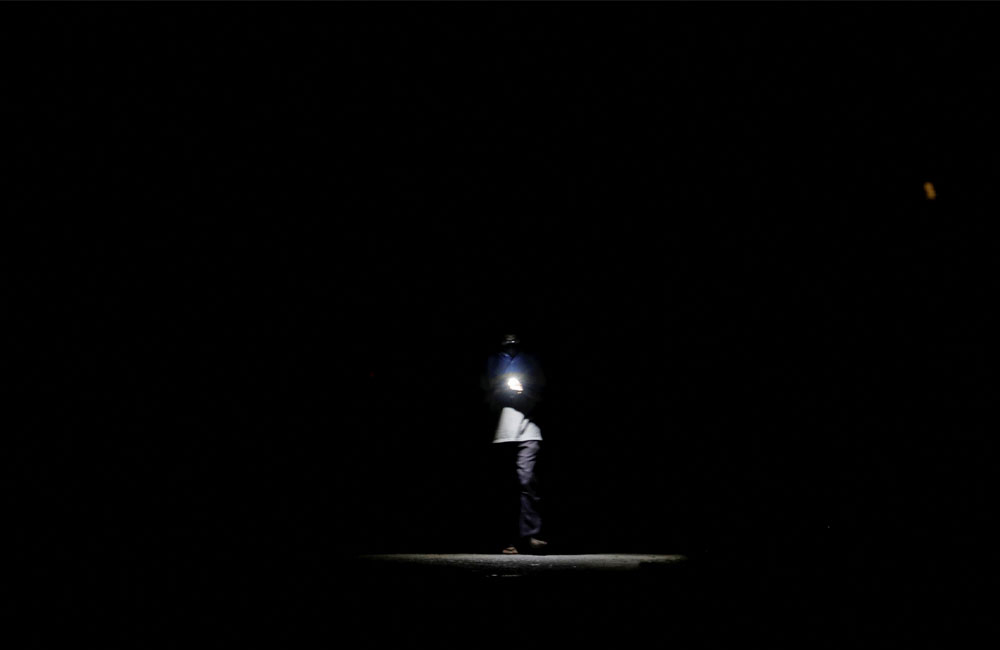
Sri Lanka’s 17 October nationwide blackout has opened another troubling chapter in the country’s electricity-sector crisis, shifting attention from the immediate technical failure to the financial consequences, emergency power procurement and accountability of institutions responsible for protecting the national electricity supply.
While the government has assured consumers that electricity tariffs will not increase during the final quarter of 2026, the wider economic costs of the breakdown remain a matter requiring public scrutiny.
The preliminary investigation by the National System Operator, submitted to the Public Utilities Commission on October 31, identifies the sudden collapse of Norochcholai Lakvijaya Unit 1 as the immediate cause of the nationwide outage. The unit’s generation fell from 187MW to just 5MW within 450 milliseconds because of a critically low boiler drum-water level.
The resulting frequency instability triggered the disconnection of major generating stations, leaving millions of consumers without electricity. However, the financial consequences extended well beyond the hours of darkness.
When Norochcholai’s generating capacity becomes unavailable, the Ceylon Electricity Board must depend more heavily on alternative thermal and diesel-based generation to maintain supply. These emergency arrangements can be substantially more expensive than electricity generated by coal, hydropower or renewable sources under normal operating conditions.
For an economy still struggling with public debt, fiscal constraints and pressure to reduce state-enterprise losses, repeated dependence on emergency electricity purchases could create additional financial liabilities.
The controversy is particularly significant because Sri Lanka has previously experienced allegations that private power suppliers benefited financially from electricity shortages and emergency procurement arrangements. Such allegations should not automatically be treated as evidence of deliberate sabotage. Nevertheless, the circumstances surrounding emergency purchases demand transparent disclosure.
The CEB should publish the quantities of emergency electricity purchased, contractual prices, suppliers selected, procurement procedures and the additional costs incurred following the October 17 incident. The public also deserves to know whether competitive procurement was possible under the circumstances and whether existing standby-generation agreements offered value for money.
Another unresolved issue concerns the government's renewable-energy strategy. The Energy Minister attributed part of the grid instability to approximately 1,700MW of rooftop solar generation operating without adequate monitoring and control arrangements. Yet expanding renewable energy without simultaneously investing in grid-management technology, battery storage and frequency regulation raises questions about planning priorities.
The October 30 trip involving Norochcholai Unit 3, which forced Stage III load shedding, reinforces concerns about the financial and operational risks associated with excessive dependence on a limited number of large generating stations.
Meanwhile, the Minister has rejected opposition allegations that substandard coal from earlier procurement arrangements caused the breakdown, maintaining that previous coal stocks had been exhausted by early September. This explanation makes an independently verified examination of coal quality, procurement records, plant maintenance and equipment performance particularly important.
The government's assurance that consumers will not face immediate tariff increases does not eliminate the underlying economic burden. Financial liabilities absorbed by the CEB or Treasury will eventually affect taxpayers through expanded state expenditure, accumulated utility losses, or reduced public investment capacity.
Sri Lanka therefore requires a comprehensive financial audit alongside its technical investigation. Parliament, the Public Utilities Commission, and the Auditor General must examine all emergency expenditures, plant maintenance decisions, and financial exposure arising from repeated grid failures.
The October blackout cannot become another episode where consumers receive technical explanations while institutions avoid scrutiny. Electricity security remains a national economic priority, and every rupee spent recovering from preventable failures ultimately comes out of the public purse.
Leave your comments
Login to post a comment
Post comment as a guest