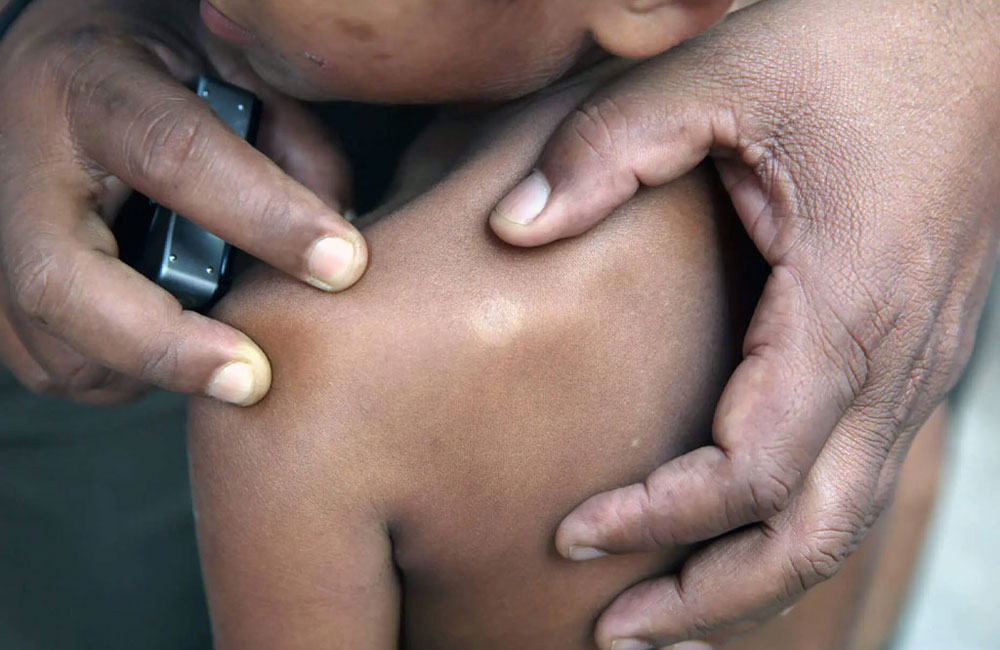
sri Lanka reported 1,282 new leprosy cases in 2025, with nearly one in ten patients being children under the age of 15, health authorities revealed, underscoring the continued public health challenge posed by a disease often clouded by fear and misinformation.
Speaking at a media briefing held to mark World Leprosy Day on January 25, Director of the Leprosy Eradication Campaign at the Ministry of Health, Dr. Yasoma Weerasekara, said that 123 of the newly detected patients were children below 15 years, a figure that highlights ongoing community transmission and the need for heightened vigilance.
Dr. Weerasekara noted that around eight per cent of new and relapsed patients already suffer from disabilities by the time they seek treatment, largely due to delayed diagnosis. “Leprosy is a curable disease, but delays can lead to irreversible complications,” she stressed, adding that the Ministry has intensified efforts to prevent disability through early detection and prompt medical intervention.
As part of this push, the Leprosy Control Campaign has rolled out a special early-detection programme aimed at identifying cases at an early stage, screening close contacts of confirmed patients, and providing comprehensive testing, treatment, and follow-up care. The initiative, she said, is designed not only to treat patients but also to break the chain of transmission at the community level.
Dr. Weerasekara emphasized that treatment for leprosy is provided free of charge at government hospitals across the country, including care for close contacts of patients. She urged individuals experiencing symptoms such as skin patches with loss of sensation, numbness, or muscle weakness to seek medical attention without fear or hesitation from government hospitals, Public Health Inspectors, or Medical Officers of Health.
Calling on the public to challenge long-standing myths, she said stigma remains one of the biggest barriers to timely treatment. “Misconceptions surrounding leprosy continue to prevent people from coming forward early. This disease is treatable, and early care can prevent disability,” she said.
Adding medical perspective, Dr. Chathurarya Siriwardena, Dermatologist at the Central Leprosy Clinic of the Colombo National Hospital, explained that leprosy is not a highly contagious disease and often takes years to develop after the bacteria enter the body.
“Leprosy primarily affects the skin, but in advanced stages it can involve other organs such as the eyes and nose,” he said. Dr. Siriwardena explained that transmission may occur when bacteria are released into the environment through coughing or sneezing by an untreated patient, and subsequently inhaled by others.
However, he reassured the public that about 95 per cent of Sri Lanka’s population has natural immunity to the leprosy-causing bacteria. “Only around five per cent of those exposed are likely to develop the disease,” he noted, underscoring that fear and social exclusion are often disproportionate to the actual risk.
Health officials say the focus this year is not only on medical treatment, but also on public awareness, early reporting, and stigma reduction, particularly in communities where children are being affected. As Sri Lanka continues its journey toward eliminating leprosy, authorities stress that knowledge, early care, and compassion remain the most effective tools in defeating a disease that is both preventable and curable.
(Source:lankanews.lk)
Leave your comments
Login to post a comment
Post comment as a guest