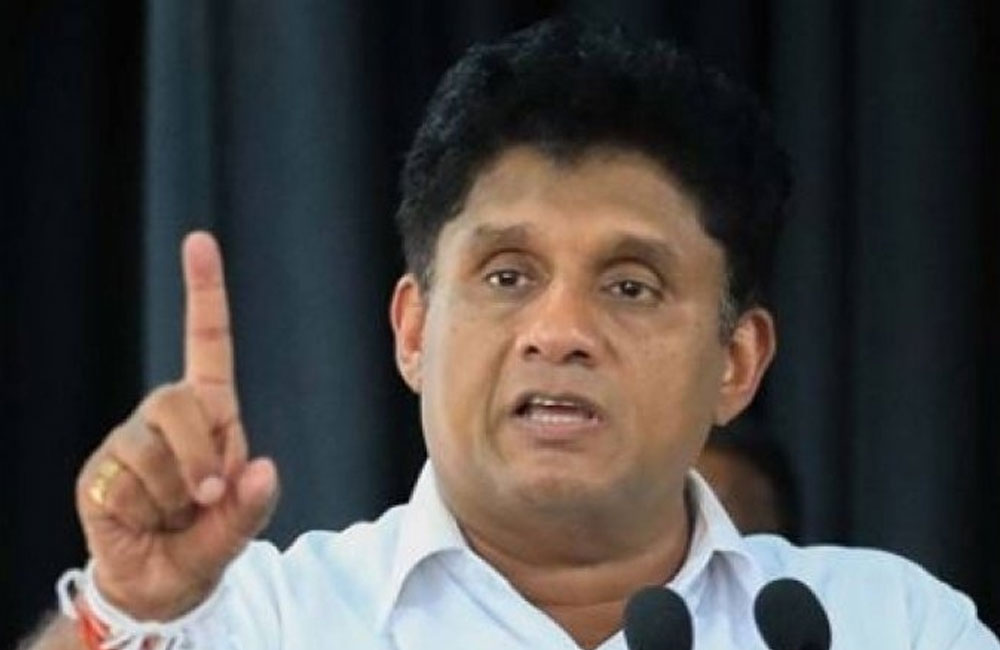
Opposition Leader Sajith Premadasa on Tuesday raised strong objections in Parliament to the government’s proposal to increase electricity tariffs, warning that such measures would further strain the public at a time when many are already struggling due to natural disasters and rising fuel costs.Speaking under Standing Order 27(2), Premadasa said the current administration came to power with a clear pledge to cut electricity bills by 30 percent within three years by shifting away from fuel-based power generation toward more affordable renewable energy sources such as solar, wind, and hydropower. However, he argued that the government has since abandoned these commitments and is acting contrary to the expectations of the people.
The Opposition Leader noted that the Ceylon Electricity Board (CEB) has sought approval from the Public Utilities Commission for an 11.57 percent tariff increase for the first quarter of 2026, citing financial losses. He questioned whether the government had properly evaluated the impact of such an increase on low- and middle-income families, as well as public institutions.
Premadasa also asked why the administration has failed to honor its promise of reducing electricity tariffs by one-third through a transparent pricing formula. He added that the limited timeframe allocated for public feedback on the proposed energy policy was unreasonable, particularly while the country is dealing with multiple crises.
He further warned that removing competitive tariff structures for industries would be unfair to large-scale consumers using more than five million units of electricity, calling for comparative studies to be made public if subsidies are to be withdrawn.
The Opposition Leader also criticized the recent fuel price increases, pointing out that they come despite declining global prices. He accused the government of repeatedly breaking its election pledges and claimed it is constrained by International Monetary Fund conditions, leading to higher fuel and electricity costs that continue to worsen the financial burden on the public.
Leave your comments
Login to post a comment
Post comment as a guest