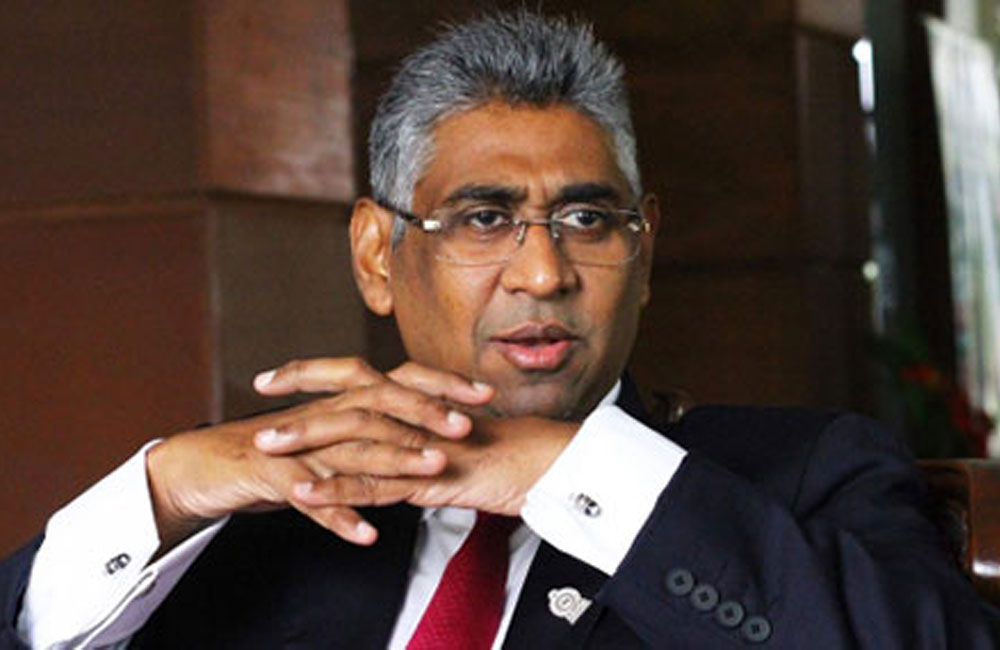
Opposition MP and President’s Counsel Faiszer Musthapha has called for wide-ranging reforms to Sri Lanka’s divorce, marriage, and personal laws, including the introduction of no-fault divorce, an increase in the minimum marriage age, and strengthened women’s rights under Muslim and Tesawalamai legislation.
At present, Sri Lanka’s divorce system is fault-based, requiring couples to prove a recognized matrimonial offense to obtain a decree of divorce. Critics argue the framework is outdated, encourages false allegations, burdens courts, and intensifies conflict between parties. Musthapha’s proposed reforms would allow divorce on the basis of irreconcilable differences, creating a no-fault system aimed at more humane and efficient resolution of marital breakdowns.
He also recommends amending the Muslim Marriage and Divorce Act to raise the minimum age of marriage to 18 years. Under current law, girls under 12 may be married with the consent of a Quazi, a provision Musthapha says conflicts with modern child protection standards.
In addition, he proposes transferring maintenance claims under Muslim law from exclusive Quazi Court jurisdiction to Magistrates’ Courts under the general Maintenance Ordinance. Musthapha said this would improve accessibility, consistency, and procedural fairness, particularly for women seeking timely relief.
The lawmaker also advocates allowing women to serve as Quazis, noting that the current male-only restriction is outdated and inconsistent with Sri Lanka’s record of female leaders, including Chief Justices and Presidents.
Musthapha further highlighted entrenched gender inequality under Tesawalamai law, which prevents married women from disposing of immovable property without their husband’s written consent. He said such restrictions undermine constitutional equality and violate Sri Lanka’s international obligations. His reforms would remove these barriers, recognizing women’s full legal capacity over their property.
Drawing on his experience as former Minister of Provincial Councils and Local Government, where he helped introduce a 25% quota for women in local authorities, Musthapha said the proposed reforms would modernize Sri Lanka’s matrimonial and personal laws, strengthen gender equality, and align national legislation with international standards.
Leave your comments
Login to post a comment
Post comment as a guest