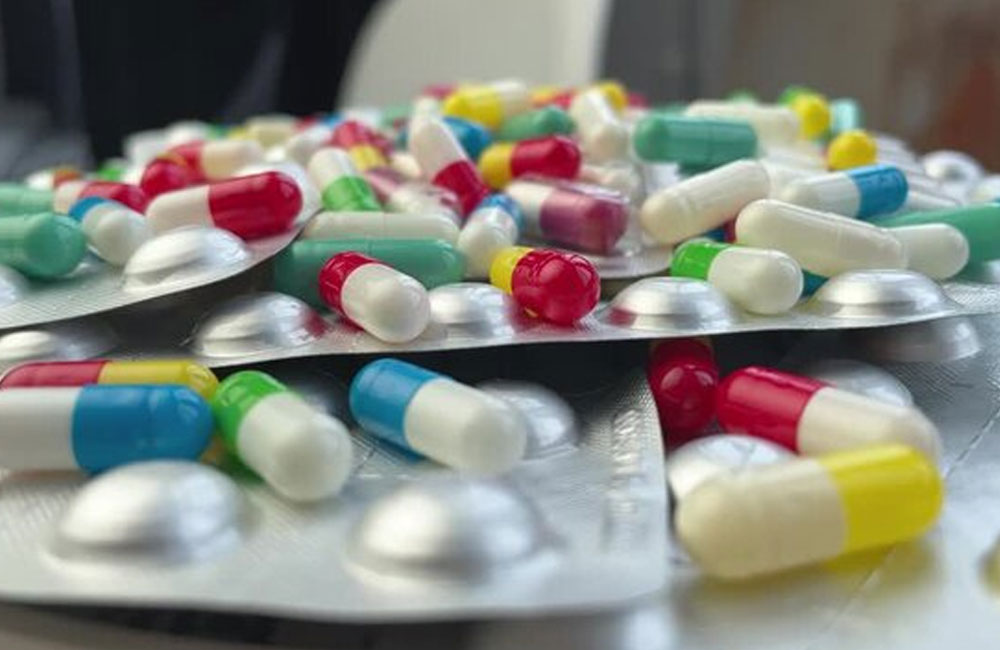
Sri Lanka’s Health Ministry has reported that 93 pharmaceutical products have failed mandatory quality testing during 2025, raising renewed concerns over the safety of medicines in circulation.
Data released by the Medical Supplies Division show that imported drugs accounted for the majority of the failures. Of the total, 42 medicines were manufactured in India, while 25 were produced locally. The remaining substandard products originated from several other countries, including China, Pakistan, Japan and Bangladesh.
Health officials said that affected drugs have either been withdrawn from use, placed on hold, or permanently discontinued, depending on the severity of the quality issues identified.
The Ministry noted that drug quality failures have been a persistent problem over the years. Since 2017, around 600 medicines have failed quality assessments. The highest annual figure was recorded in 2019, when 96 products did not meet required standards. In comparison, 86 failures were reported in 2022, followed by 83 cases in 2024.Concerns over pharmaceutical safety intensified in 2023 after reports linked certain medicines to serious complications and deaths, triggering widespread public debate and calls for tighter regulation.
Nearly two years later, the issue has again drawn attention following reports of two recent deaths allegedly associated with complications involving the anaesthesia-related drug Ondansetron. Authorities have stressed that investigations into these incidents are ongoing and that no final conclusions have yet been reached.
Leave your comments
Login to post a comment
Post comment as a guest