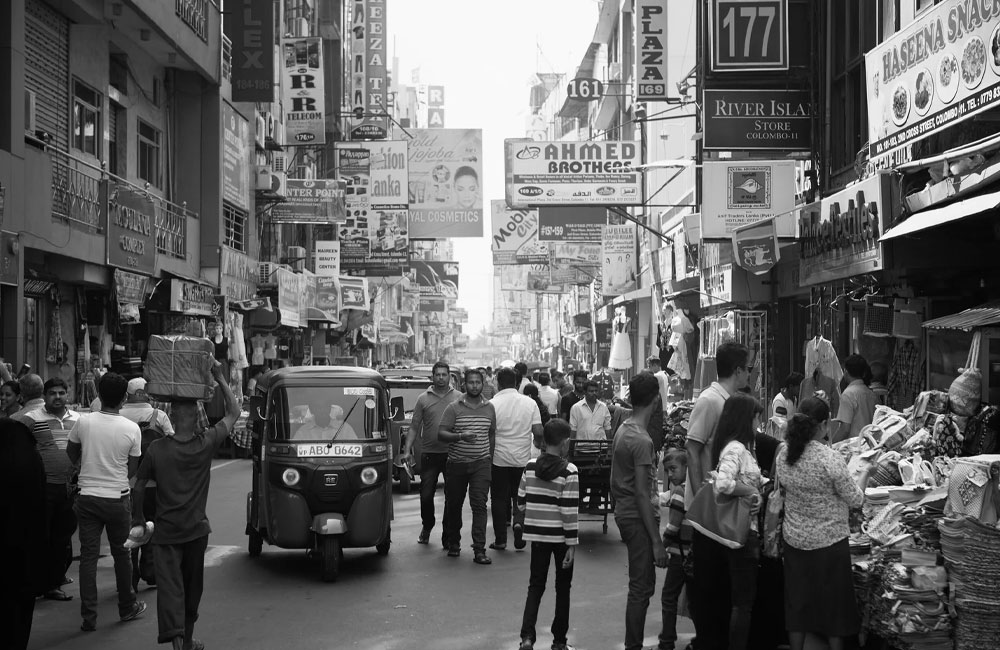
Cyclone Ditwah has laid bare the fragility of Sri Lanka’s MSME sector, raising concerns that rebuilding may prove harder than the initial clean-up. Fresh data from the Industrial Disaster Support Centre show that tens of thousands of businesses have sought assistance, underscoring the breadth of the impact.
Micro and small enterprises dominate the affected pool, reflecting their exposure to flooding, power outages and transport disruptions. While some firms have resumed activity, many are operating below capacity, struggling with damaged equipment, depleted inventories and weakened demand.
The recovery challenge is not just financial. Delays in restoring utilities, supply-chain interruptions and labour displacement are slowing restarts, particularly for enterprises outside major urban centres. Medium-sized firms, though better capitalised, also face rising repair costs and uncertain cash flows.
Officials say relief schemes will be prioritised using IDSC data, but business groups argue that speed is critical. Without rapid disbursement of funds and flexible credit terms, the risk of closures and job losses will rise. The cyclone, they warn, could become a turning point for the MSME sector either accelerating reform and resilience, or deepening long-standing structural weaknesses.
Leave your comments
Login to post a comment
Post comment as a guest