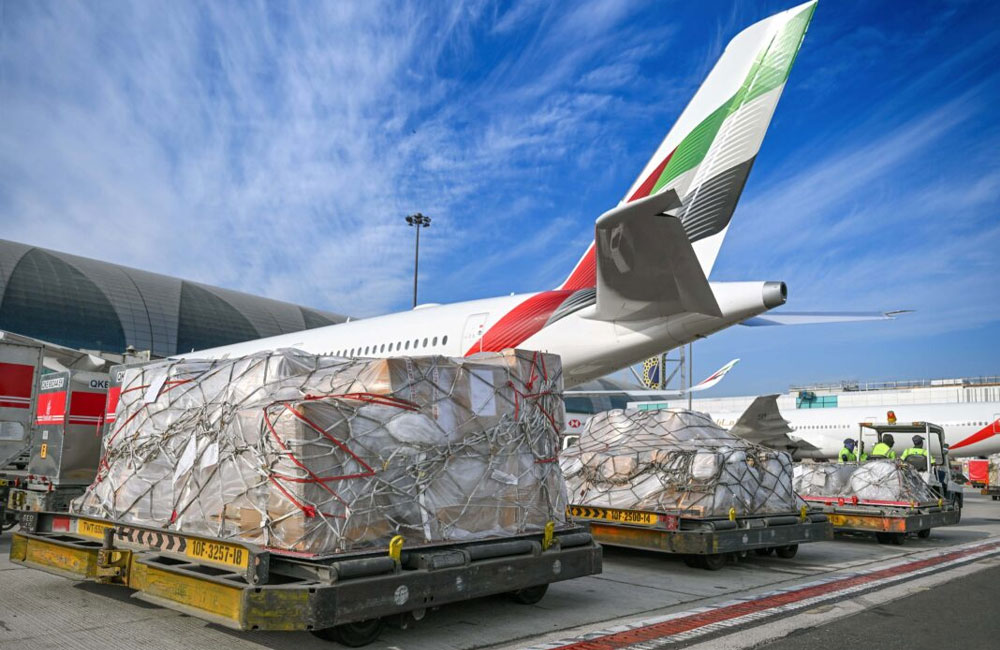
As images of foreign aircraft unloading relief supplies dominate social media, a misleading narrative has emerged that Sri Lanka has received an unprecedented wave of international assistance following Cyclone Dithwa. The reality, however, is far more alarming. Despite widespread publicity, actual foreign aid received so far accounts for only 0.17% of the estimated cost of rebuilding the devastation caused by the cyclone.
According to Essential Services Commissioner Prabath Chandrakirthi, Cyclone Dithwa has inflicted damage requiring between USD 6-7 billion for reconstruction. Taking the midpoint estimate of USD 6.5 billion, Treasury Secretary Dr. Harshana Suriyapperuma confirmed that as of 13 December, total assistance received both domestic and foreign amounted to only USD 11 million. Even if this entire sum is generously treated as foreign aid, the shortfall remains staggering.
The contrast with Sri Lanka’s experience during the 2004 tsunami is striking. At that time, the estimated reconstruction cost was USD 1.5 billion, of which nearly USD 1.3 billion, or 87%, was mobilised through foreign assistance. The current collapse to 0.17% is not a marginal decline but a catastrophic failure of disaster diplomacy and international engagement.
A critical factor behind this gap appears to be weak policy action and poor communication by the current NPP-led government. During the tsunami, then Foreign Minister Lakshman Kadirgamar personally engaged the international community, facilitated global media coverage, and ensured that the scale of the tragedy resonated worldwide.
Today, despite written appeals, the government has failed to convene a major international donor conference or generate global urgency through sustained international media engagement.
This failure raises serious questions about leadership capacity. While the President is widely recognised for strong rhetoric and stated willingness to work for the country, effective governance demands more than speeches. “Walking the talk” requires strategic diplomacy, coordinated messaging, and credible engagement with donors. The absence of these elements has left Sri Lanka struggling to attract meaningful reconstruction support at a time of extreme vulnerability.
The confusion between relief aid and reconstruction aid has further distorted public understanding. Goods arriving by air medicines, food, equipment, and clothing constitute immediate relief, not long-term rebuilding funds. Even in this category, assistance has been far lower than in 2004. China’s contribution has dropped from 50 million yuan during the tsunami to 10 million yuan this time, while U.S. assistance has fallen from USD 134 million to around USD 2 million.
Ironically, some of the most significant solidarity has come from the Maldives, where citizens raised over USD 2.4 million, supplemented by a government donation of USD 50,000. Such gestures underscore a painful truth: Sri Lanka risks being pushed into deeper difficulty not by the cyclone alone, but by ineffective governance, weak communication, and the absence of decisive international leadership at the highest levels.
Leave your comments
Login to post a comment
Post comment as a guest