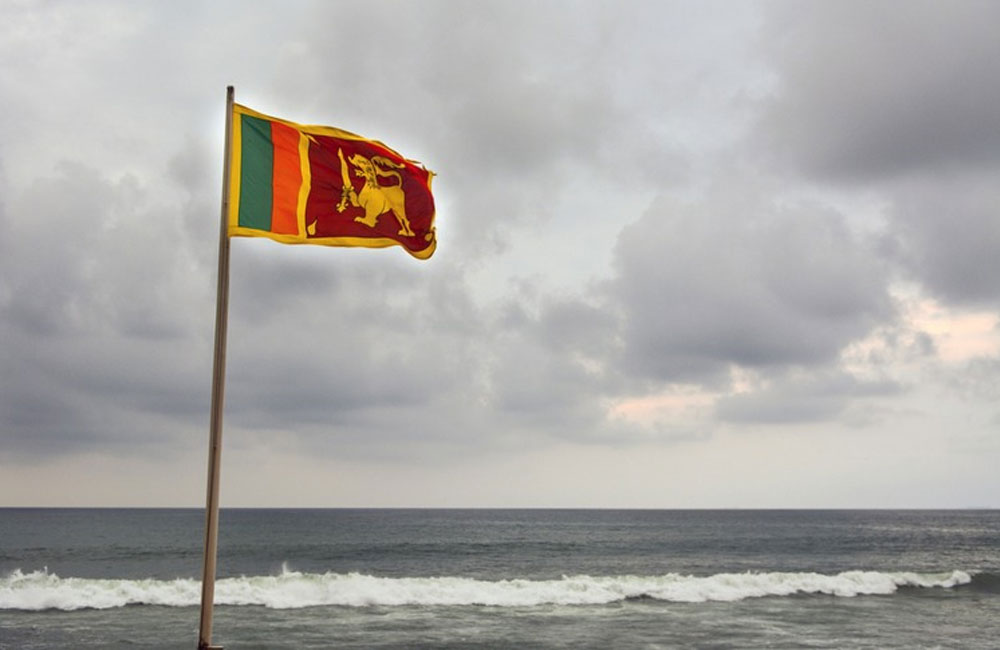
The Cabinet-approved GEF-funded coastal conservation project marks an important policy signal, but it also raises deeper questions about Sri Lanka’s institutional readiness to protect its marine and coastal ecosystems amid mounting environmental and economic pressures.
With US$ 2.66 million in grant financing and technical support from the IUCN, the four-year initiative aims to quantify and integrate the economic value of coastal and marine ecosystems into national development plans. Targeting key coastal districts such as Galle, Mannar, Puttalam and Trincomalee, the project seeks to generate data-driven evidence on the contribution of ecosystems like mangroves, coral reefs and seagrass beds to livelihoods, climate resilience and economic stability.
From a governance perspective, the project arrives at a critical moment. Over the past year, the Government has focused heavily on macroeconomic stabilisation, debt restructuring and fiscal consolidation, often leaving environmental governance on the periphery. Coastal conservation agencies remain under-resourced, while enforcement of existing regulations continues to lag behind policy intent.
The absence of quantified natural capital values has historically made it easier for development priorities to override environmental concerns. Coastal roads, ports, hotels and aquaculture ventures have frequently proceeded without fully accounting for long-term ecological damage. By attempting to assign measurable economic value to ecosystems, the new project could strengthen the hand of regulators and planners in negotiating trade-offs between development and conservation.
Yet challenges remain. Sri Lanka’s coastal management framework is fragmented across multiple institutions, including the Coast Conservation Department, the Marine Environment Protection Authority and local authorities. Coordination gaps, political interference and capacity shortages have limited the effectiveness of conservation measures, even when strong policy frameworks exist on paper.
The Government’s one-year performance shows incremental progress rather than structural reform. While international partnerships and donor-funded projects continue to play a central role, domestic investment in marine research, monitoring and enforcement remains modest. Without parallel efforts to strengthen institutions and accountability mechanisms, natural capital valuation risks becoming a technical exercise with limited real-world impact.
Moreover, coastal communities particularly small-scale fishers and lagoon-dependent households face immediate pressures from climate change, declining fish stocks and pollution. Translating ecosystem valuation into tangible benefits for these communities will be essential for maintaining public trust and long-term conservation outcomes.
The initiative therefore represents a starting point rather than a solution. If the Government can embed its findings into budgetary processes, environmental impact assessments and coastal zoning decisions, it could mark a shift toward evidence-based marine governance. Failure to do so would reinforce concerns that Sri Lanka’s conservation agenda remains project-driven rather than policy-driven.
Leave your comments
Login to post a comment
Post comment as a guest