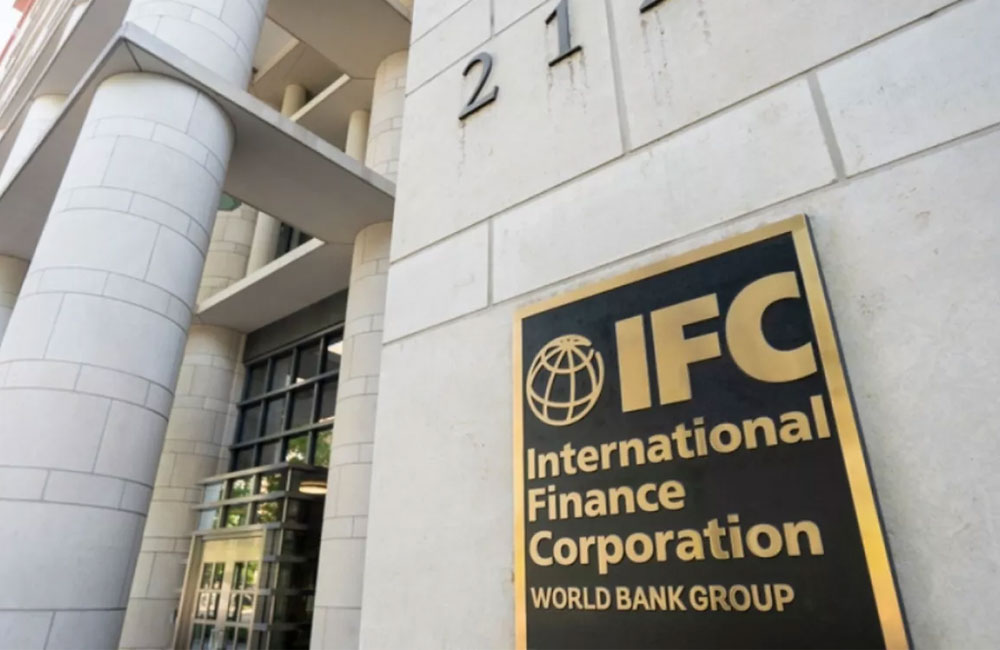
Sri Lanka’s economic recovery narrative was sharply challenged this week by a stark warning from a senior global development financier: prosperity will remain elusive as long as the country continues to look inward.
The comment, made by International Finance Corporation (IFC) South Asia Regional Director Imad Fakhoury, has reignited debate about the direction of governance one year into the current administrationan era critics describe as marked by backward thinking, policy hesitation and an arrogance that masks failure with excuses.
Speaking at the Sri Lanka Economic Summit, Fakhoury argued that Sri Lanka must decisively reposition itself as an outward-looking, export-driven and sustainable investment destination.
His message stands in contrast to the prevailing tone of governance, where ministers frequently cite past administrations, global shocks and institutional constraints to justify slow reform and weak delivery.
“Sri Lanka cannot get rich by looking inward,” Fakhoury implied, pointing to decades of stop-start policies that have repeatedly eroded investor confidence.
While acknowledging Sri Lanka’s impressive social indicators low poverty levels, strong human development outcomes and one of South Asia’s highest per-capita incomes he described the country as trapped in a damaging paradox: notable development gains repeatedly undone by policy inconsistency and recurring economic crises, most recently in 2022.
The IFC’s assessment is uncomfortable for a government that came to power promising competence and renewal. One year on, business leaders complain of an administration overly focused on managing optics rather than confronting structural weaknesses.
Protectionist instincts, regulatory overreach and delayed decisions have reinforced perceptions of an inward-looking mindset, despite official rhetoric about competitiveness and reform.
Fakhoury stressed that Sri Lanka’s international brand must pivot toward green sustainability, export orientation and openness to global capital.
He highlighted the country’s potential to function as a regional transshipment hub while developing “islands of excellence” in digital services, agribusiness, specialised manufacturing and diversified tourism. However, he was clear that none of this ambition is achievable without policy predictability and continuous improvement in the business environment.
Despite governance concerns, the IFC continues to maintain a significant presence in Sri Lanka, with around $270 million in long-term investments across roughly a dozen companies, alongside advisory work and short-term financing. This commitment reflects confidence in the country’s underlying potential rather than approval of current policymaking.
Fakhoury’s message amounts to a direct challenge to Sri Lanka’s leadership: stability alone is not success. Without outward-looking policies, credible reforms and humility in governance, Sri Lanka risks repeating a familiar cycle temporary recovery followed by renewed decline.
Leave your comments
Login to post a comment
Post comment as a guest