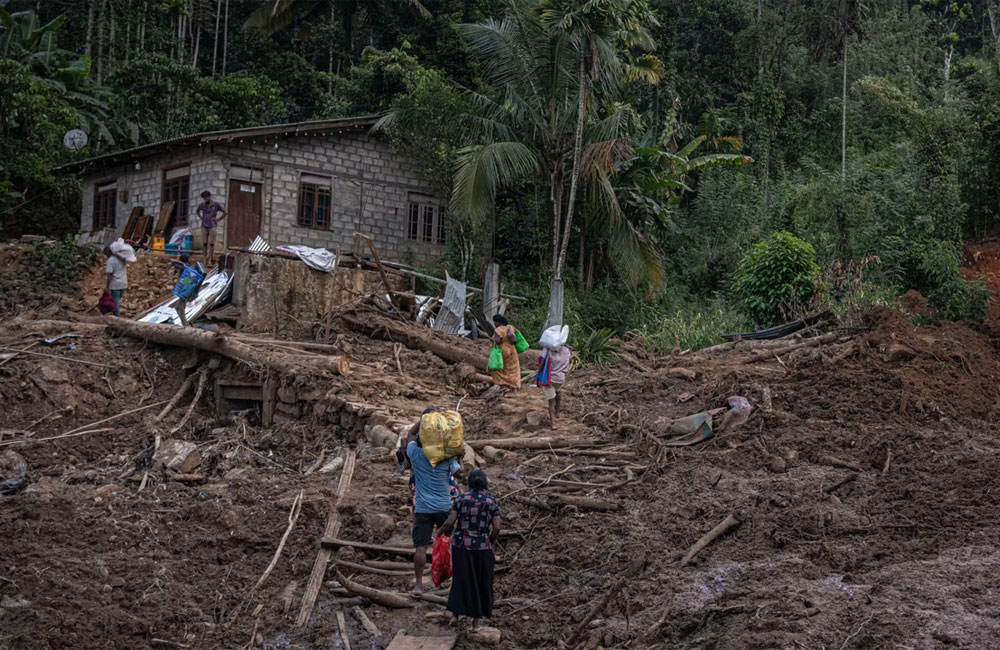
Mental Health and Resilience: How Sri Lankans Can Rebuild After Cyclone Ditwah Cyclone Ditwah has recently swept across Sri Lanka, leaving many families without homes, livelihoods, and the sense of security we often take for granted. Across the island, the Government, armed forces, disaster-response teams, international agencies, and countless volunteers have worked tirelessly to restore electricity, clear roads, provide shelter, and distribute essential supplies. Their dedication is helping communities rebuild the physical structures damaged by the disaster.
Yet recovery is not only about repairing buildings and roads. Disasters also affect our emotions, thoughts, and overall well-being, and caring for these inner experiences is just as essential.
This article aims to guide readers on how to nurture their mental health and strengthen inner resilience after a disaster. We will explore common emotional and physical reactions people may experience, practical ways to cope with them, and how individuals and communities can support one another. We will also introduce the concept of resilience- the inner strength that helps us recover and adapt and provide simple strategies to cultivate it in everyday life. By understanding these aspects, Sri Lankans can heal not only their homes and surroundings but also their minds and hearts. What People Often Feel After a Disaster? — Normal Reactions to a Crisis According to WHO (2011), almost everyone affected by emergencies such as natural disasters experiences psychological distress in the days and weeks that follow.
Here are some of the common reactions - emotional, cognitive, physical, and behavioral -that people may go through after a cyclone, flood, landslides or similar disaster. Understanding them helps us recognize that these feelings are normal, not a sign of weakness.

Emotional and Internal Responses
• Fear and anxiety, especially when reminded of the disaster.
• Sadness, grief or a heavy sense of loss - particularly when people have lost homes, property, or loved ones.
• Irritability, anger or frustration -sometimes emerging even without an obvious trigger.
• Emotional numbness, emptiness or hopelessness - especially when overwhelmed by the scale of loss.
Cognitive Changes
• Difficulty concentrating or making decisions - a temporary confusion or inability to focus that affects daily life.
• Recurring memories, thoughts or nightmares about the disaster - involuntary mental replay of frightening events.
Physical and Behavioral Reactions
• Sleep disturbances - trouble falling asleep, waking often, nightmares, or oversleeping.
• Loss of appetite or other somatic complaints (headaches, stomach problems, general fatigue) - stress often manifests in the body.
• Withdrawal, reduced interest in daily activities, or emotional distancing - people may lose motivation and avoid social contact.
When Reactions Go Beyond the Short-Term: Persistent or Long-Term Distress For many, these reactions gradually ease over time as life stabilizes.
However, especially for those who experienced strong trauma (loss of loved ones, severe destruction, repeated exposure, or ongoing hardships) some may develop more lasting conditions such as:
• Post Traumatic Stress Disorder (PTSD) - characterized by intrusive memories, avoidance of reminders, heightened arousal or hypervigilance.
• Prolonged depression or persistent anxiety - interfering with everyday functioning, work, relationships, sleep or appetite.
• Complicated grief - when feelings of loss don’t fade and start disrupting daily life and emotional well-being.
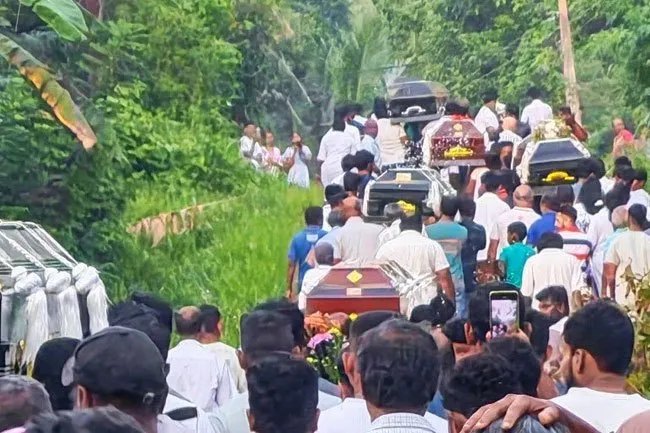
These are not “rare exceptions” - global disaster‑mental‑health research shows that a significant portion of people may go through such follow-up struggles Disasters shake not only our environment but also our emotional world. Understanding the normal reactions to crisis and knowing how to cope can help us heal faster as individuals, families, and communities.
Why It’s Important to Understand These Reactions Now?
By recognizing these reactions as common, understandable, and expected, individuals and communities can:
• Avoid self‑stigma (“Why am I feeling this way - is there something wrong with me?”)
• Respond with compassion and patience - for themselves and others
• Identify when someone may need more support (if reactions persist for weeks or worsen)
Our goal in this article is to reassure people that these feelings are part of the healing process and to offer ways to manage them, strengthen inner resilience, and support one another safely.
Practical Strategies to Cope and Heal After a Disaster Recovering from a disaster is not only about rebuilding homes and roads, it is also about healing our minds and hearts. While emotional reactions are natural, there are effective strategies that individuals and communities can use to manage stress and strengthen resilience.
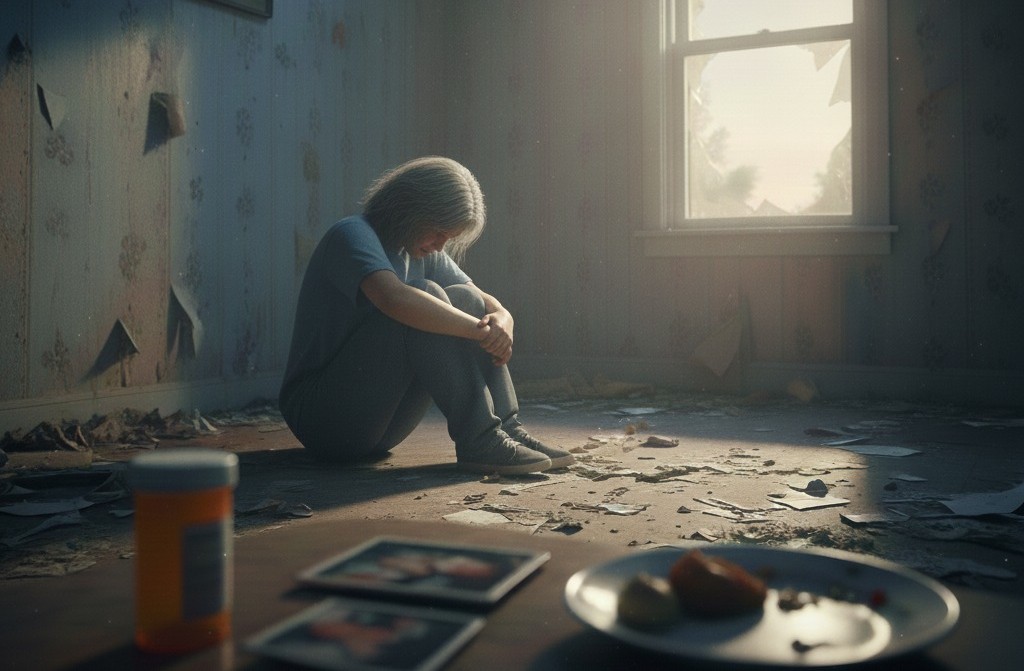
1.Personal Strategies: Caring for Your Own Mental Health
• Even small, daily actions can make a big difference
• Acknowledge your feelings: It is normal to feel fear, sadness, or anger. Naming your emotions reduces their intensity.
• Maintain routines: Regular meals, sleep, exercise, and family time restore a sense of stability.
• Connect with trusted people: Talking with friends, family, or community members helps process emotions and reduces isolation.
• Limit exposure to distressing news: While staying informed is important, too much news or social media can heighten anxiety.
• Practice calming techniques: Deep breathing, gentle walking, meditation, prayer, or cultural rituals can help soothe stress.
• Set small, achievable goals: Even minor tasks like cleaning a room, cooking a meal, or helping a neighbor can restore a sense of control.
• Help others if you can: Even when you are affected, offering small acts of support—like assisting a neighbor or sharing resources-can bring a sense of purpose and inner peace.
• Seek professional help if needed: Persistent sadness, anxiety, nightmares, or physical symptoms may require support from a counsellor, psychologist, or mental health professional.
2.Social Strategies: Supporting Each Other
Disasters affect entire communities, and recovery is faster when people come together. Simple acts of support can make a lasting difference:
• Offer emotional support carefully: Listen patiently and reassure others that their reactions are normal. Do not pressure anyone to talk about their experiences, they should only share if they are willing.
• Share accurate information: Help people access reliable news, resources, and services.
• Provide practical help: Assisting with meals, temporary shelter, or transportation eases stress and strengthens community bonds.
• Encourage participation: Involve community members in rebuilding efforts, cultural activities, or religious gatherings to foster a sense of belonging and purpose.
Psychological First Aid (PFA): Simple Steps Anyone Can Take Psychological First Aid (PFA) is a practical approach that can be used by anyone in a position to support people during or after a crisis-not only mental health professional. Relief workers, volunteers, health staff, teachers, community leaders, and even local officials can apply its basic principles. You do not need specialized training in psychology to provide PFA; the essential skills can be learned easily and integrated into everyday helping roles during emergencies.

Basic characteristics of PFA:
• An easy, practical approach recommended by WHO to help people in the immediate aftermath of a disaster:
• Ensure safety: Help people feel physically and emotionally secure.
• Offer comfort: Provide reassurance and a calm presence.
• Connect to support: Help individuals reach family, friends, or community resources.
• Provide information: Share reliable updates and resources.
• Foster hope: Remind them that emotional reactions are normal and recovery is possible.
Important: Do not pressure people to recount traumatic experiences. Only allow them to share their story if they are willing, and avoid insisting they “talk about it” as part of their healing.
Building Resilience: The Secret of Inner Strength Stress and difficult situations are a natural part of life, yet many people are able to maintain their mental well-being despite these challenges. What makes them different? It’s not only major life events such as serious accidents, violence, or the loss of a loved one that can affect our mental health. Even smaller stressors, if they occur repeatedly or over a long period, can take a significant toll. People who are resilient, however, seem to have strategies that help them cope and stay mentally strong, even in tough circumstances. Neuroscience research provides insight into these strategies. A study led by Professor Raffael Kalisch at Mainz University, one of Europe’s leading centers for resilience research, found that a key factor is how people perceive stress. Those who view stress with a sense of optimism and believe they can manage challenges are more likely to recover and adapt. Developing this positive outlook, believing that situations will likely improve and that one can handle difficulties can reduce vulnerability to stress. In essence, resilience is the capacity to adapt, recover, and emerge stronger after adversity. It doesn’t mean never feeling fear, sadness, or anxiety; rather, it is the ability to bounce back and find hope, even in the most challenging times.
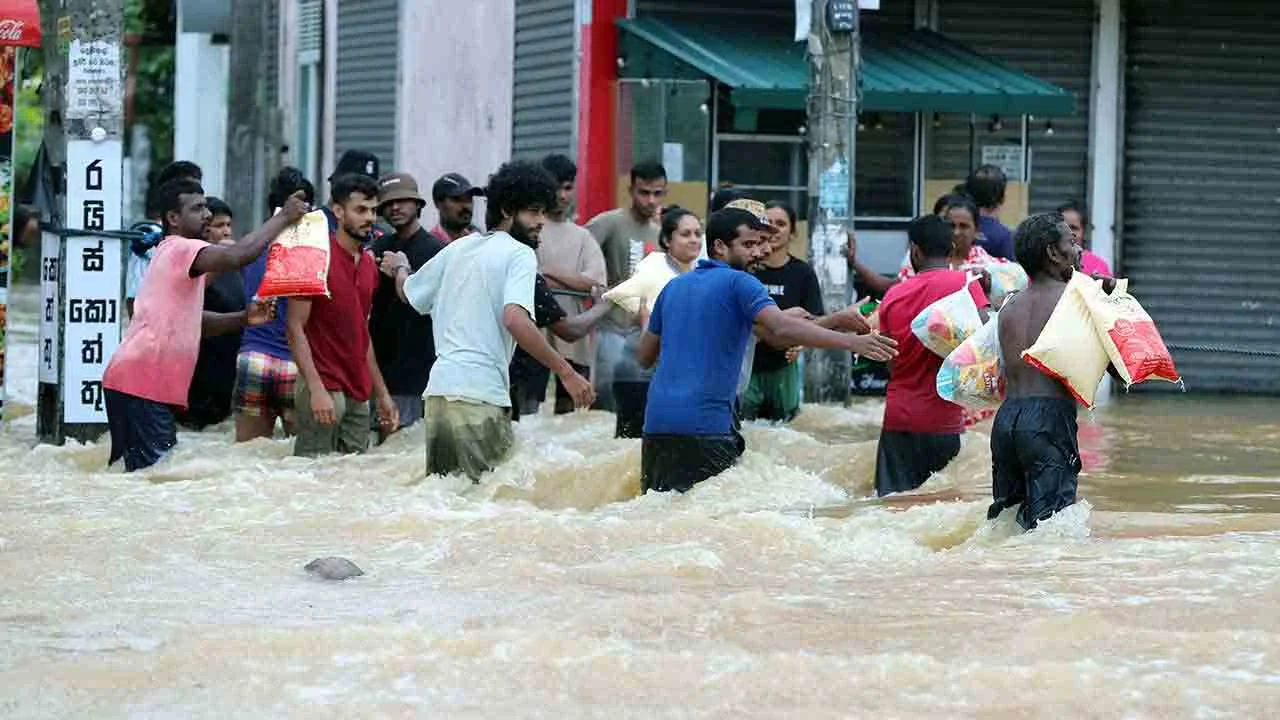
Ways to Strengthen Resilience
• Stay connected with family, friends, and your community. Social support provides emotional stability and a sense of belonging.
• Practice gratitude for small blessings in everyday life.
• Engage in cultural or spiritual practices that give meaning and comfort.
• Help others, even in small ways, which strengthens your own sense of purpose and inner peace.
• Learn from challenges rather than seeing them as purely negative. Reflecting on what each difficulty teaches us can increase confidence and coping skills.
A Message of Hope Cyclone Ditwah has reminded us of both our vulnerability and our strength. Recovery is not only about rebuilding homes and infrastructure, it is also about restoring balance in our lives and communities. This disaster carries an important lesson about our relationship with nature. Living in harmony with the environment-protecting forests, rivers, and coastlines, and making thoughtful choices in construction and development-can help reduce the impact of future disasters. By learning from this experience, we have the opportunity to emerge stronger, wiser, and more mindful of the world around us. Let us rebuild our villages, communities, and lives in ways that honor both human resilience and the natural environment that sustains us.

Darshika Thejani Bulathwatta
Psychologist and researcher
Leave your comments
Login to post a comment
Post comment as a guest