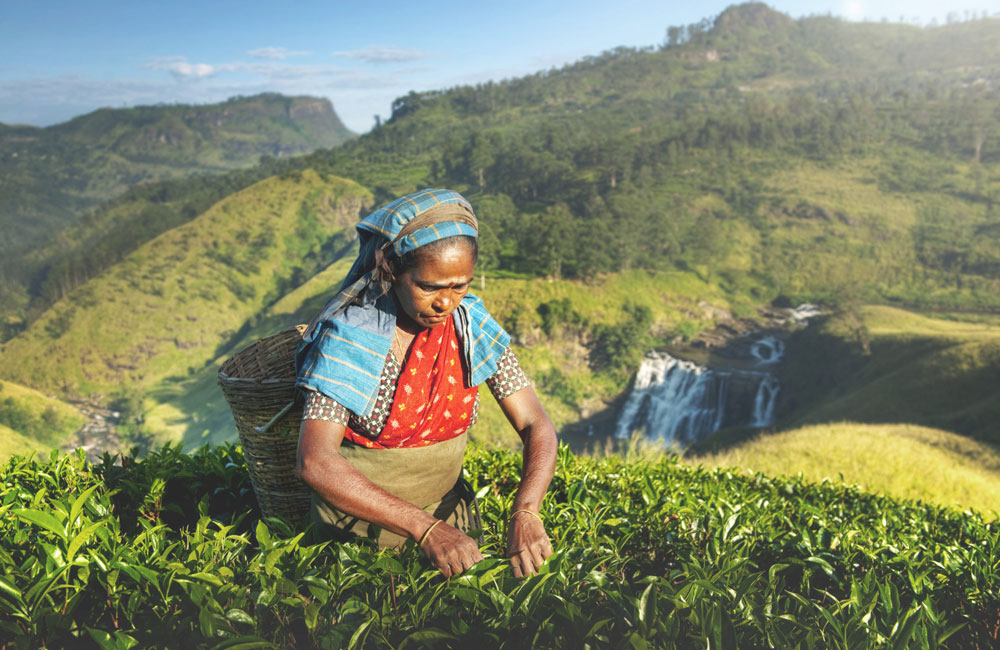
Sri Lanka’s tea industry has once again proven its resilience, with the Colombo Tea Traders’ Association (CTTA) confirming that Cyclone Ditwah caused only limited disruptions, leaving manufacturing untouched and allowing harvesting, transportation, and Colombo Tea Auction activities to steadily return to normal.
In a statement issued yesterday, the CTTA acknowledged that some tea-growing regions in Uva and Central Province experienced minor impacts. However, the Association emphasized that there were no losses in manufacturing capacity, thanks to a highly coordinated industry network prepared to confront natural challenges. “The cyclone presents yet another challenge, but it is by no means insurmountable,” the statement said.
While some roads connecting plantations to Colombo were temporarily affected, the majority have now reopened. Harvesting operations are gradually resuming, aided by temporary access roads constructed to ensure the smooth transport of green leaves and tea produce. Most plantations in the southern regions and along major transport networks were spared, ensuring that the flow of goods continues largely uninterrupted.
Tea auction activities at Colombo continue with minor adjustments. The auction originally scheduled for the first week of December has been rescheduled to the last week of the month, ensuring uninterrupted financial flows to producers, including smallholders. Floods caused by the Kelani River affected a few exporters’ offices and warehouses, with some tea bagging machinery damaged. The industry is actively restoring equipment to maintain timely delivery for overseas clients.
Sri Lanka’s tea production from January to October reached 220.97 million kilograms, an increase of over 3.3 million kilos compared to the same period last year and surpassing the 2023 output. This demonstrates the industry’s ongoing capacity to maintain growth despite environmental and economic challenges.
The CTTA underscored the industry’s history of resilience, citing past crises such as the COVID-19 pandemic, when the tea auction was successfully digitalized, and periods of severe economic strain, during which production, sales, and exports continued uninterrupted.
Comprising key stakeholders, including the Planters’ Association of Ceylon, Sri Lanka Tea Factory Owners’ Association, Colombo Brokers Association, Tea Exporters’ Association, and Tea Smallholding Development Authorities, the CTTA serves as the apex private sector body of the tea industry. Its collaborative approach ensures that challenges—from natural disasters to logistical disruptions are addressed effectively.
The CTTA concluded by reaffirming its commitment to supplying ‘Ceylon Tea’ globally, highlighting the unity and dedication of all stakeholders in overcoming obstacles and maintaining the industry’s international reputation.
Leave your comments
Login to post a comment
Post comment as a guest