Sri Lanka’s economic recovery has been shaken by revelations that the Central Bank is excluding billions in short-term domestic forex swaps from its reserve calculations, prompting accusations from Parliament’s Committee on Public Finance (COPF) that the Bank may be overstating the country’s true financial safety net.
At a heated session, COPF Chairman Dr. Harsha de Silva confronted Central Bank officials over why domestic dollar swaps with local and foreign banks operating in Sri Lanka are kept off the books when computing Net International Reserves (NIR).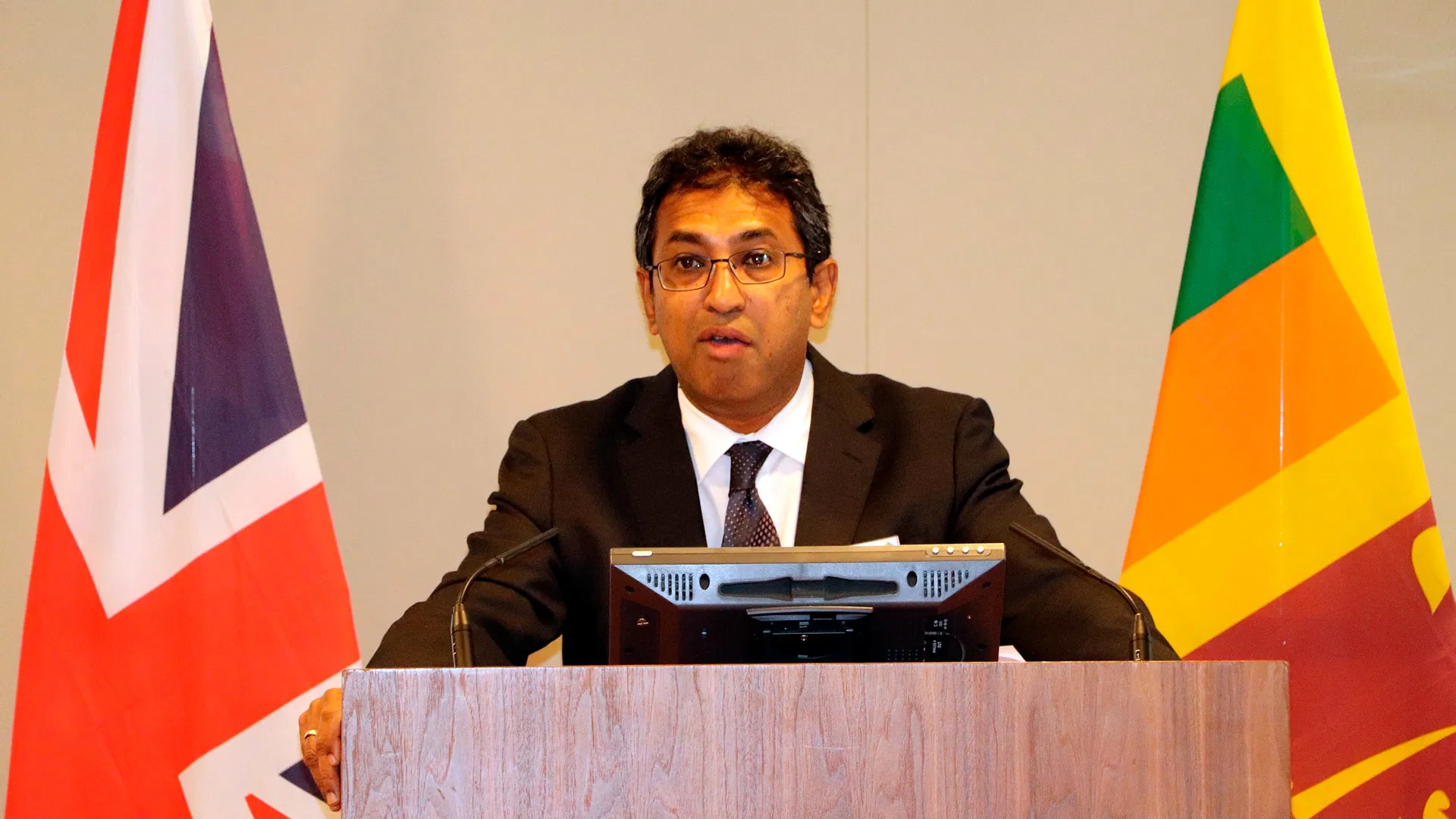 COPF Chairman Dr. Harsha de Silva
“These may be domestic obligations but they are liabilities in dollars,” he emphasized. “You still need forex to settle them.”
CBSL Director of Economic Research Sujatha Jegajeevan confirmed the omission. “We only deduct external liabilities,” she said.
The Bank currently deducts the PBoC (US$1.36 bn), RBI (US$880 mn), and IMF (US$580 mn) obligations to arrive at an NIR figure of US$ 3.4 billion from US$ 6.2 billion gross reserves.
But COPF members say the domestic swaps could amount to a massive hidden liability not reflected in headline figures.
COPF member MP Ravi Karunanayake a former finance minister blasted the arrangement:“That is more of a hot money operation.”
De Silva added that similar schemes were used in the past to “inflate” reserves artificially, claiming that the practice “misleads policymakers and the public.”
Why the Omission Matters
In simple terms:A swap is a loan the central bank takes dollars today and promises to return them later.If these loans are hidden or underreported, Sri Lanka’s reserve strength could be overstated by hundreds of millions of dollars.
Analysts say such swaps: expand rupee liquidity,fuel imports,weaken the rupee, and ultimately force the central bank to lose reserves defending the currency.
In 2022, CBSL booked Rs. 788 billion in forex losses from reserve-related debt, much of it linked to swap-driven instability.
Governor Weerasinghe’s Defence
Central Bank Governor Dr. Nandalal Weerasinghe insisted the swap lines are short-term liquidity tools for banks and part of standard reserve management.
“These instruments provide rupee liquidity. If banks have an opportunity, they use swaps,” he said, adding that swaps help build gross reserves “on a short-term basis” while genuine market purchases continue.
In the last three years, the Bank claims to have purchased: US$ 1.8 billion in year one,US$ 2.8 billion in year two, US$ 1.4 billion in 2025 up to November.
However COPF members argue that such purchases cannot mask the structural weakness created by swap-driven liquidity injections.
A Systemic Risk That Could Trigger another Crisis, Economists caution that swap-driven liquidity expansion can trigger a dangerous cycle:
Liquidity boosts credit and imports.
Dollars leave the economy.
CBSL must intervene, losing reserves.
More liquidity must be injected to prevent a credit collapse.
The rupee comes under pressure, causing further losses.
This dynamic worsened several Asian crises in the 1990s, where central banks relied heavily on swaps that later blew up when currencies fell.
A Call for a Full Audit of Swap Liabilities
COPF members now want the Central Bank to disclose:the total value of outstanding domestic swaps,the maturity profile,settlement risks, and how these obligations impact the NIR.
Dr. de Silva stressed that transparency is the only way to prevent “another disaster created by misreported reserve strength.”
Karunanayake added that “hot money flows give a false sense of stability,” warning that if swap liabilities are large, the country’s true reserve buffer may be significantly weaker than publicly stated.
As Sri Lanka navigates its post-default recovery, the COPF revelations highlight a hard truth: a country cannot stabilise its currency with temporary borrowed dollars especially when those dollars remain hidden behind accounting gaps.
Leave your comments
Login to post a comment
Post comment as a guest