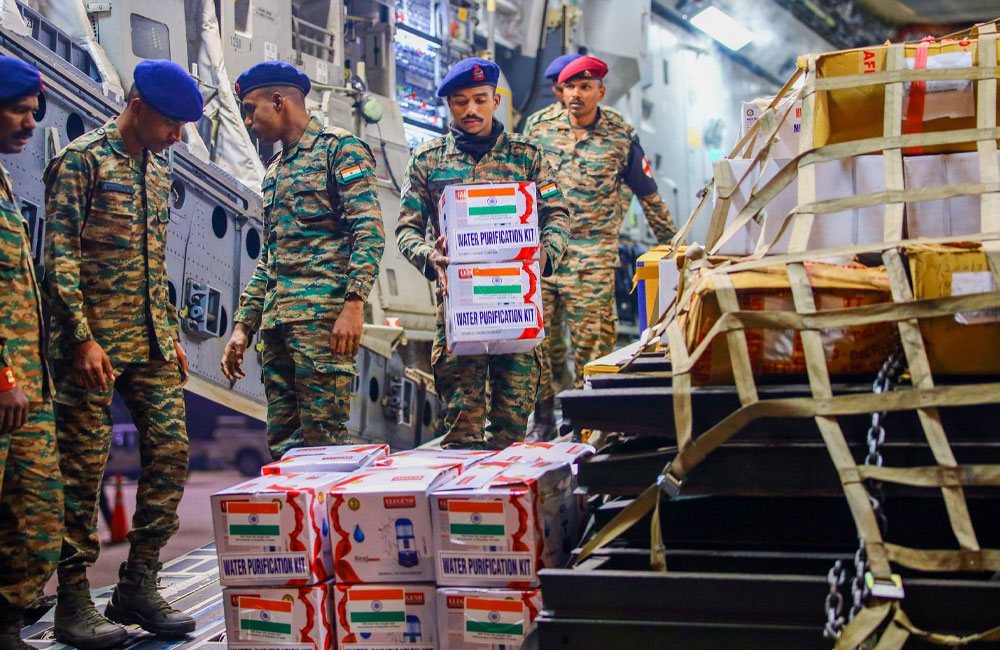
India’s relief mission to disaster-stricken Sri Lanka is being hailed as a humanitarian necessitybut beneath the emergency response lies a deeper strategic narrative reshaping power dynamics in the Indian Ocean. As floodwaters recede and the scale of destruction becomes clearer, foreign-policy specialists say the crisis has opened a critical window for New Delhi to reinforce its influence at a time when global rivals are also vying for economic and political space in Sri Lanka.
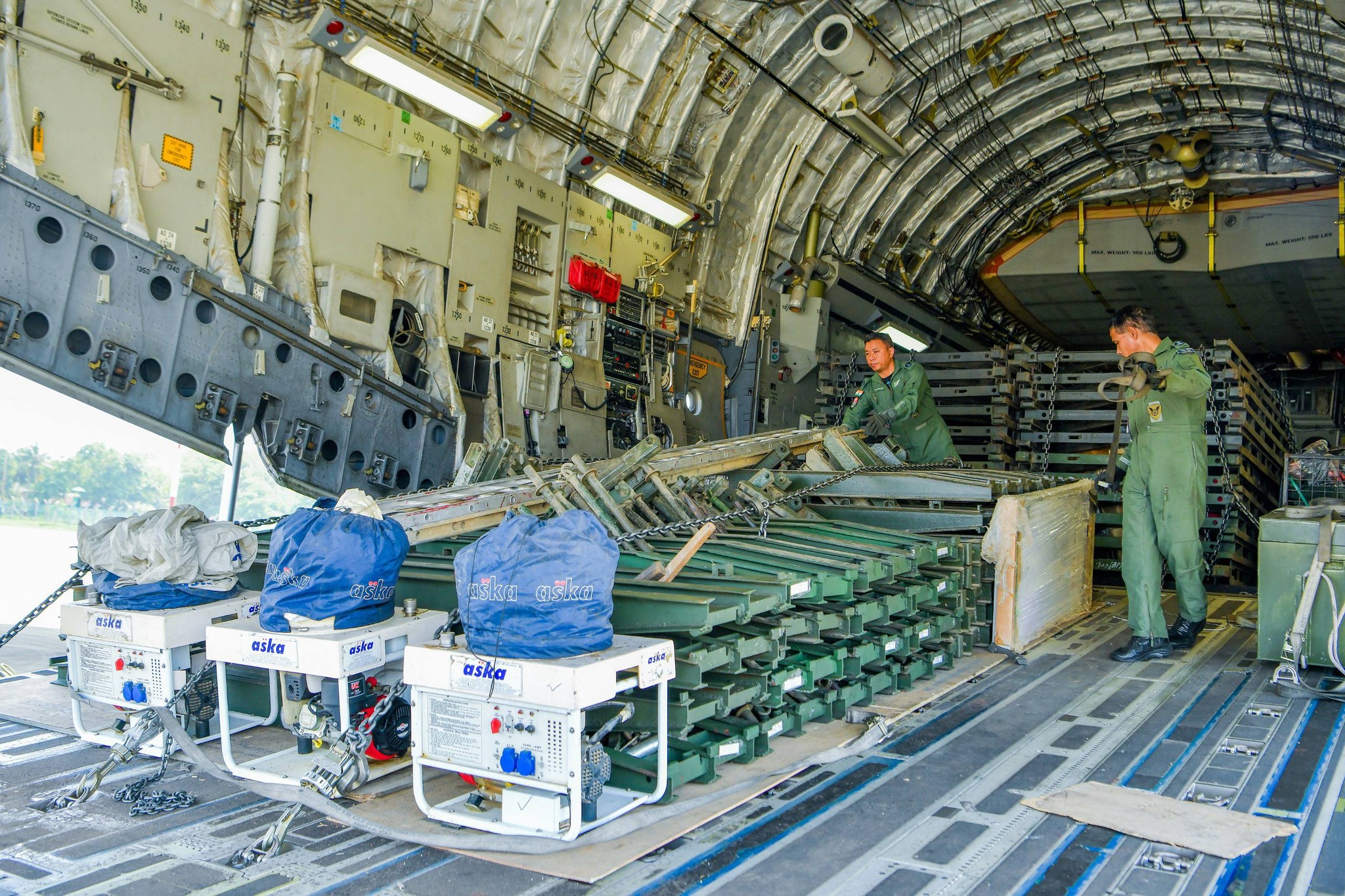
Following Cyclone Ditwah’s devastation, India moved with exceptional speed: military aircraft mobilised within hours, naval units placed on alert, and emergency supplies dispatched in successive waves. The arrival of the rapidly deployable Bailey bridge system aboard an Indian Air Force C-17 Globemaster was the most visible symbol of New Delhi’s intent to become Colombo’s indispensable first responder.
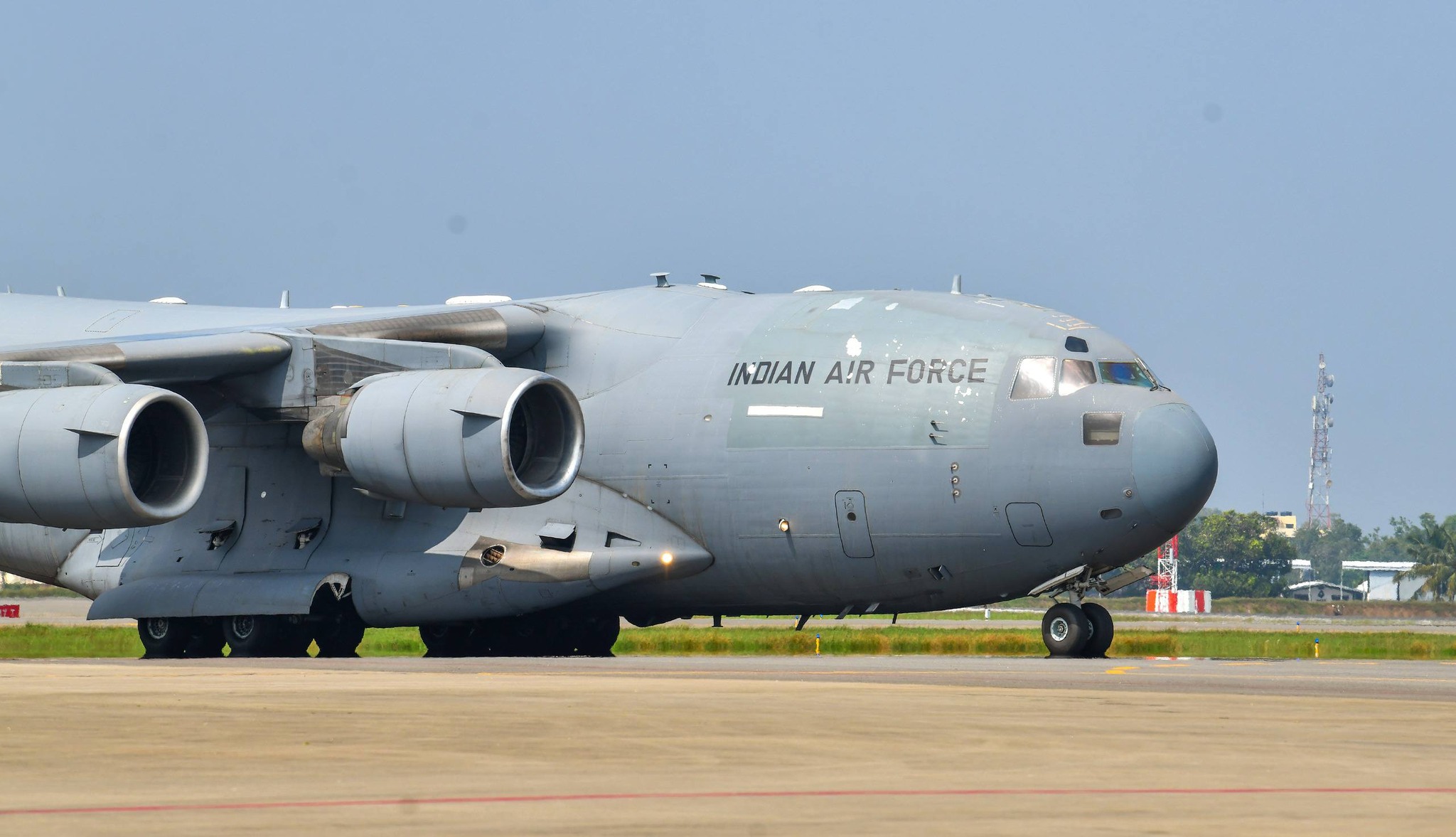
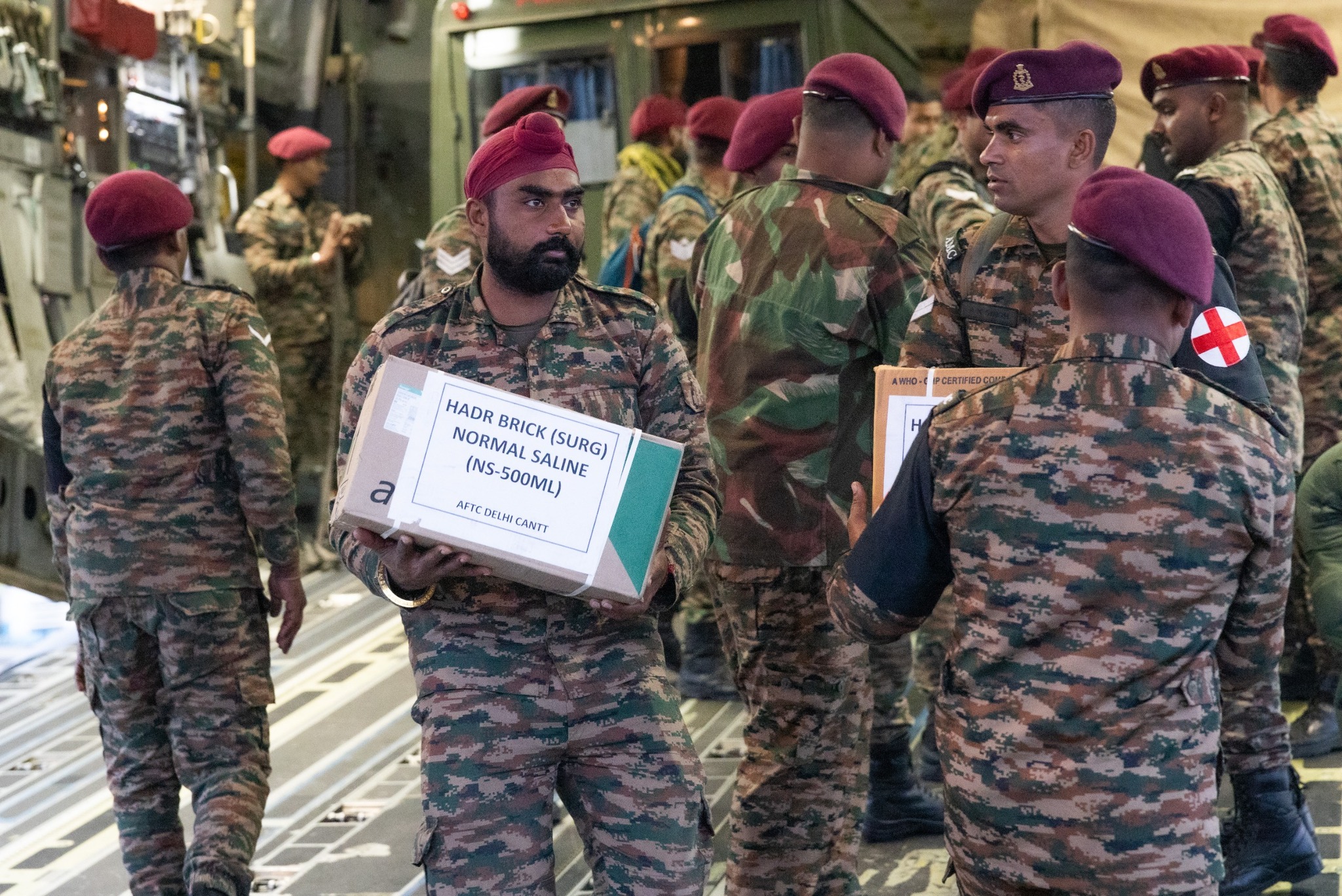
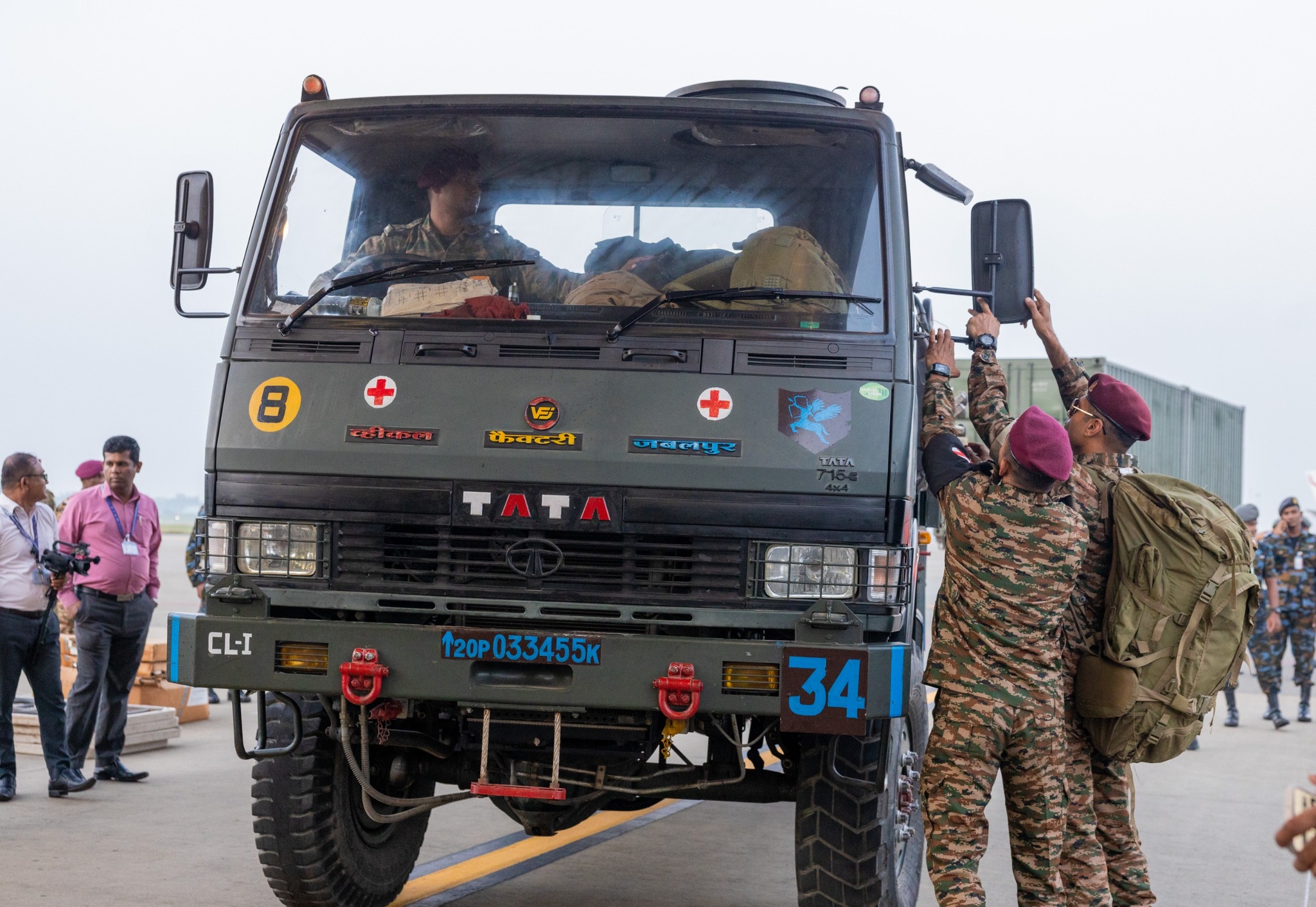
But foreign affairs experts argue that India’s actions must be read within the broader context of regional competition with China, whose infrastructural footprint in Sri Lanka has grown over the past decade. By delivering highly visible assistance military logistics, engineering teams, medical equipment, and multiple plane loads of relief suppliesIndia is signalling that its presence is not merely historical or cultural, but strategically essential.
Diplomatic insiders note that New Delhi has deliberately kept the relief highly public, highlighting its capacity to mobilise quickly and at scale. Each incoming aircraft reinforces a narrative of reliability at a time when Sri Lanka faces the dual burden of disaster recovery and a fragile economic revival. With the island’s estimated losses reaching 1–3 percent of GDP, external support will shape not only the humanitarian response but future economic alignments.
India’s approach also aligns with its “Security and Growth for All in the Region (SAGAR)” doctrine, which frames the Indian Ocean as a sphere where New Delhi must ensure stability and counterbalance external powers. Disaster relief, analysts say, has become a soft-power extension of this strategy building goodwill, strengthening institutional partnerships, and positioning India as the go-to regional guarantor during crises.
In Sri Lanka, public reaction to India’s assistance has been largely positive, contrasting earlier periods when bilateral relations were strained by political mistrust. The emphasis on practical, life-saving support bridges, generators, and medical units has shifted perceptions, presenting India as both empathetic and efficient.
As the reconstruction phase begins, India is likely to seek deeper engagement: infrastructure collaboration, credit lines for rebuilding, and expanded development cooperation. For New Delhi, disaster assistance is more than charityit is a strategic investment in long-term influence, executed at a moment when Sri Lanka needs external partners the most.
INDIA’S RELIEF ASSISTANCE TO POST-CYCLONE SRI LANKA
INDIA’S EMERGENCY AID – AT A GLANCE
Flights & Logistics
Total Indian relief flights: 6 confirmed sorties (C-17 Globemaster, C-130J, AN-32)
Additional flights on standby: 4
Air assets deployed: Heavy-lift transport aircraft + engineering teams
Relief Cargo (Estimated)
Total tonnage delivered: Approx. 240–280 metric tonnes
Bailey bridge System: 1 complete modular unit
Engineering crew: 12-member rapid deployment bridge team
Humanitarian Materials
Emergency shelters / tents: 3,500 units
Water purification systems: 48 units
Portable generators: 62
Medical emergency kits: 4,200
Family ration packs: 18,000
Inflatable rescue boats: 10
Satellite communication units: 14
Blankets & clothing: 22,000 items
Financial & Technical Support
Indicative value of assistance so far:
USD 6–8 million (LKR 2.0–2.7 billion)
Additional credit lines under consideration: For reconstruction materials & heavy machinery
Technical support: Structural engineers, disaster-management teams
Infrastructure Impact
Bridges destroyed in Sri Lanka: 15
Roads affected: 254
Roads reopened with aid-supported access: 159 (as of Dec 3)
Leave your comments
Login to post a comment
Post comment as a guest