Sri Lanka’s financial system is taking on a critical role in the national response to Cyclone Ditwah and the floods that swept across multiple districts, displacing thousands and devastating homes, agriculture, and small businesses. As authorities rush to stabilise communities and restore functioning markets, the Treasury is engaging the banking and insurance sectors to mobilise liquidity, accelerate claims settlements, and cushion vulnerable groups from further economic shock.
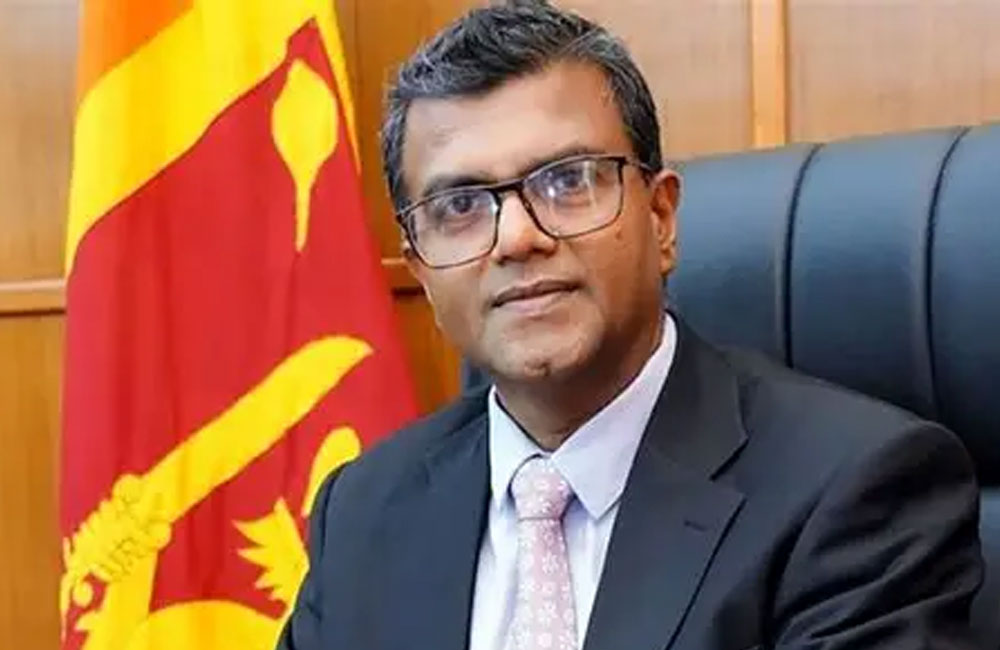
Treasury Secretary Dr. Harshana Suriyapperuma told the Sri Lanka Economic and Investment Summit that the Government is working closely with financial institutions to ensure households, SMEs, and businesses receive swift relief. With rural families, micro-entrepreneurs, and small industries bearing the brunt of the disaster, the challenge lies in preventing a secondary economic collapse triggered by loan defaults, uninsured losses, and disrupted income streams.
According to Dr. Suriyapperuma, banks and insurers have already been approached to evaluate the scale of exposure within their portfolios. The Treasury is pushing for temporary moratoria, flexible repayment schedules, concessional recovery loans, and fast-tracked insurance payouts. He is expected to meet the insurance regulator and industry leaders this week to coordinate sector-wide responses, emphasising the urgency of getting businesses back on their feet.
Emergency fiscal measures are also being activated. Nearly Rs. 30 billion from pre-provisioned disaster reserves has been earmarked for immediate relief, while Rs. 7.5 billion has already been released to support housing repairs and reconstruction. Spending authority has been decentralised, allowing District Secretaries to use up to Rs. 50 million and Ministry Secretaries Rs. 150 million without bureaucratic delays.
A rapid damage assessment is underway with World Bank assistance, expected to deliver initial figures within two weeks. Early estimates indicate massive loss to housing, roads, agriculture, and small-scale industries sectors heavily dependent on bank credit.
Financial institutions, telecom operators, and private-sector partners have also stepped in, contributing to relief funds that have already surpassed Rs. 300 million, with over 100,000 individual transactions, many in foreign currency. Banks have opened special donation windows and are preparing concessional loan schemes for affected customers.
Customs has simplified clearance procedures for disaster-relief consignments, while the Government has approved a multi-stakeholder Rebuilding Sri Lanka Fund to channel private and state financing into long-term reconstruction.
Despite the scale of destruction, Dr. Suriyapperuma insists the 2026 macroeconomic reform path remains intact, arguing that strong financial discipline and anti-corruption measures created the fiscal buffers needed to withstand shocks of this magnitude. He stressed that SMEs the backbone of employment will remain at the centre of the recovery strategy, supported by multilateral partners already coordinating with the Treasury.
While the cyclone’s economic fallout is significant, the Government maintains that with coordinated public–private action and disciplined financial management, the disaster will not derail Sri Lanka’s recovery trajectory
Leave your comments
Login to post a comment
Post comment as a guest