Sri Lanka’s economic growth is expected to slow in the coming years, according to the Asian Development Bank, as external pressures and rising inflation begin to weigh on the country’s recovery.
In its latest outlook, the ADB projects growth to ease from 5.0% in 2025 to 4.0% in 2026, before inching up to 4.2% in 2027. At the same time, inflation is forecast to rise sharply from -0.5% to 5.2% in 2026, before settling at 4.0% the following year.
These projections, published in the Asian Development Outlook (ADO) April 2026, are based on an early stabilization scenario of the ongoing Middle East conflict. Despite challenges such as the late impact of Cyclone Ditwah, Sri Lanka’s economic recovery in 2025 remained resilient.
The ADB noted that private consumption played a key role in driving growth, supported by low inflation and easing interest rates. Remittances reached record levels, while the country also recorded a primary budget surplus. Meanwhile, the current account achieved a third consecutive surplus, and official reserves climbed to their highest levels in years.
However, the outlook for 2026 is expected to be shaped by global uncertainties. The Middle East conflict is likely to influence key economic indicators, even as reconstruction spending following Cyclone Ditwah provides some support.
Private consumption is projected to remain the main engine of growth, though rising inflation may reduce household purchasing power. Investment activity is also expected to recover gradually amid ongoing uncertainty.
The ADB warned that higher energy costs, potential declines in remittance inflows, and disruptions to trade and tourism could place additional strain on household incomes and external stability, ultimately slowing growth.
“Sri Lanka has come a long way since the recent economic crisis, and its economic performance over the last two years is a major achievement,” said Shannon Cowlin. “However, the risks ahead are real and significant. This is not the moment to ease up on reforms.”
She emphasized the need to maintain fiscal discipline, strengthen resilience against external shocks, and scale up public investment to sustain the country’s recovery.
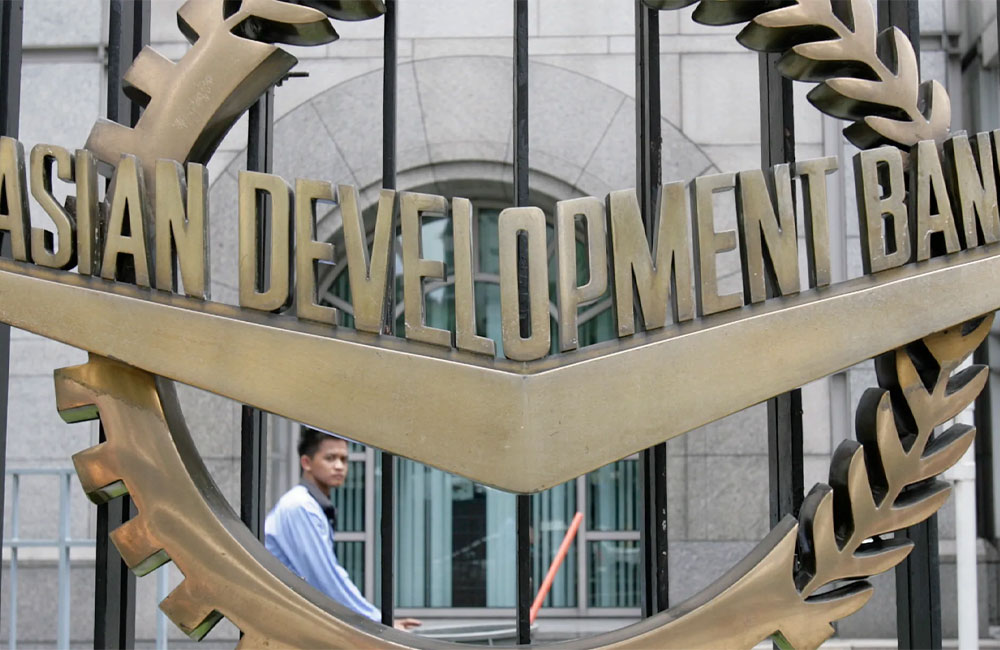
Founded in 1966, the Asian Development Bank is a leading multilateral institution that supports sustainable and inclusive growth across Asia and the Pacific, working with 69 member countries to address complex economic challenges.
Leave your comments
Login to post a comment
Post comment as a guest