A woman in her 40s has died from Nipah virus infection in Bangladesh, the World Health Organisation (WHO) has confirmed, but says the risk of the disease spreading internationally remains low.
According to the WHO, the patient, who lived in Naogaon district in Rajshahi Division, developed fever and neurological symptoms on January 21.
She was admitted to the hospital on January 28, where throat swabs and blood samples were collected. Laboratory tests confirmed Nipah virus infection the following day.
She had no recent travel history but had reportedly consumed raw date palm sap, a known source of infection.
On February 3, Bangladesh officially notified WHO of the confirmed case through the International Health Regulations system.
Health officials have identified and tested 35 people who came into contact with the patient, and no additional cases have been detected so far.
The announcement comes shortly after two cases were reported in India’s West Bengal state, raising regional concern. Some neighbouring countries have increased health screening at airports, although the WHO has not recommended any travel or trade restrictions.
“WHO assesses the overall public health risk posed by Nipah virus to be low at the national, regional, and global levels,” the agency said. “The risk of international spread is considered low.”
Bangladesh has reported 348 cases since 2001, with nearly half linked to the consumption of raw date palm sap. Outbreaks typically occur between December and April, a period that coincides with the harvesting and drinking of fresh palm sap.
There are currently no licensed vaccines or specific antiviral treatments for the virus. The disease has a high fatality rate, estimated at between 40 and 75 per cent.
WHO Director-General Tedros Adhanom Ghebreyesus recently described Nipah as a “rare but serious disease”, noting that authorities are strengthening disease surveillance, improving infection prevention in health facilities, and educating the public on protective measures.
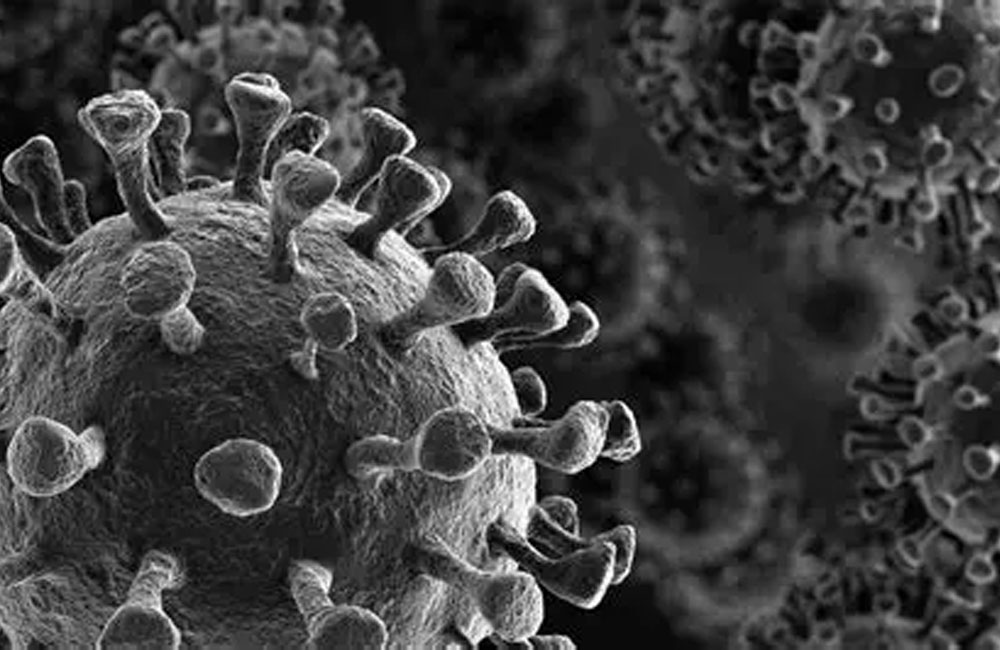
What is the Nipah virus?
The virus is carried by fruit bats and can spread to humans through contact with infected animals, consumption of contaminated fruits or raw fruit products, or close contact with an infected person’s bodily fluids, especially in homes or healthcare settings.
Symptoms can appear between three and 21 days after infection and include fever, headache, confusion, cough, breathing difficulties, vomiting, or diarrhoea. Severe cases may cause brain inflammation and can be fatal, though early medical care improves survival.
While outbreaks have occurred in parts of Asia, no cases have been confirmed in Sri Lanka.
Outbreaks and deaths
Since it was first identified in 1998, the virus has caused a relatively small number of outbreaks globally, but with a very high death rate. The initial outbreak in Malaysia and Singapore recorded nearly 300 cases and over 100 deaths, mainly among pig farmers.
Since then, most infections have been reported in Bangladesh and India, where outbreaks occur almost every year, often linked to contact with fruit bats or consumption of raw date palm sap.
Several hundred cases have been documented worldwide, with overall fatality rates typically ranging between 40 and 75 per cent, depending on the outbreak and the level of medical care available.
Bangladesh has recorded the highest number of recurring outbreaks and deaths, while India has experienced periodic clusters, especially in West Bengal and Kerala.
Despite its limited geographic spread, the Nipah virus remains a serious public health concern because of its severe symptoms, potential for person-to-person transmission, and lack of a licensed vaccine or specific treatment
(Source:Adaderana.lk)
Leave your comments
Login to post a comment
Post comment as a guest