News

22-Year-Old Arrested Over Mahiyanganaya Sharp-Weapon Murder
Sri Lanka Police have arrested a 22-year-old man in connection with the murder of an individual who was allegedly attacked with a sharp weapon in front of a house in the Aluketiyawa area of Mahiyanganaya.
The incident occurred on September 10, with officers of the Mahiyanganaya Police Station subsequently launching a special investigation to identify and apprehend the suspect.
Police said the suspect was arrested last night (10) following the investigation.
The arrested individual is a resident of the Mapakadawewa area, police said.
Mahiyanganaya Police are continuing investigations into the incident.

Two Arrested Over Series of Thefts in Katunayake
Two men have been arrested by Katunayake Police in connection with a series of alleged thefts involving motorcycles, copper wires and mobile phones.
Police launched the investigation after officers received information about a suspicious man allegedly dismantling a motorcycle in the Andiambalama area.
The suspect was searched by police, who reportedly found 11 grams and 200 milligrams of heroin in his possession.
During questioning, investigators learned that the motorcycle being dismantled had allegedly been stolen from Veyangoda on September 8.
Police then traced and arrested a second suspect in the Seeduwa area over his alleged involvement in assisting the theft.
The suspects, aged 22 and 25, are residents of Andiambalama and Seeduwa respectively, according to police.
Further questioning reportedly uncovered information linking the suspects to two separate copper wire thefts and a mobile phone theft in Katunayake, as well as another alleged motorcycle theft in Seeduwa.
Katunayake Police are continuing investigations into the suspects and the reported thefts.

Unidentified Man’s Body Recovered from Kelani River in Jalthara
The body of an unidentified man has been recovered from the Kelani River in the Jalthara area, which falls under the Hanwella Police Division.
According to police, the body was recovered yesterday evening (11) after the Hanwella Police Station received information regarding the incident.
The identity of the deceased has not yet been determined.
A magistrate’s inquiry is scheduled to be held in connection with the recovery of the body.
Hanwella Police are conducting further investigations into the incident.

Two Children Killed in Dehiwala Hand Grenade Attack
Two brothers have died following a hand grenade attack on a residence in the Sirisangabo Mawatha area, within the Dehiwala Police Division, early this morning (11).
According to Sri Lanka Police, an unidentified person carried out the attack, leaving a 55-year-old man and his two children injured.
The injured father and his two sons, aged 11 and 17, were rushed to the Kalubowila Teaching Hospital for treatment. However, the two children later succumbed to their injuries.
The 55-year-old man, identified as the father of the two deceased boys, remains under medical care.
Police have not yet established the motive behind the attack or identified the person responsible.
Three police teams have been assigned to the investigation and are currently working to identify and apprehend those behind the attack.

Ven. Ampitiye Sumanarathana Thero Released on Bail
Ven. Ampitiye Sumanarathana Thero was granted bail by the Batticaloa Magistrate’s Court today (11), following his arrest by Batticaloa Police.
The court ordered his release on two personal bail bonds of Rs. 200,000 each.
He was taken into custody on September 7 over an alleged incident involving the obstruction of duties carried out by officials at the Geological Survey and Mines Bureau office in Batticaloa.
The court order allows the Buddhist monk to remain on bail while proceedings relating to the incident continue.
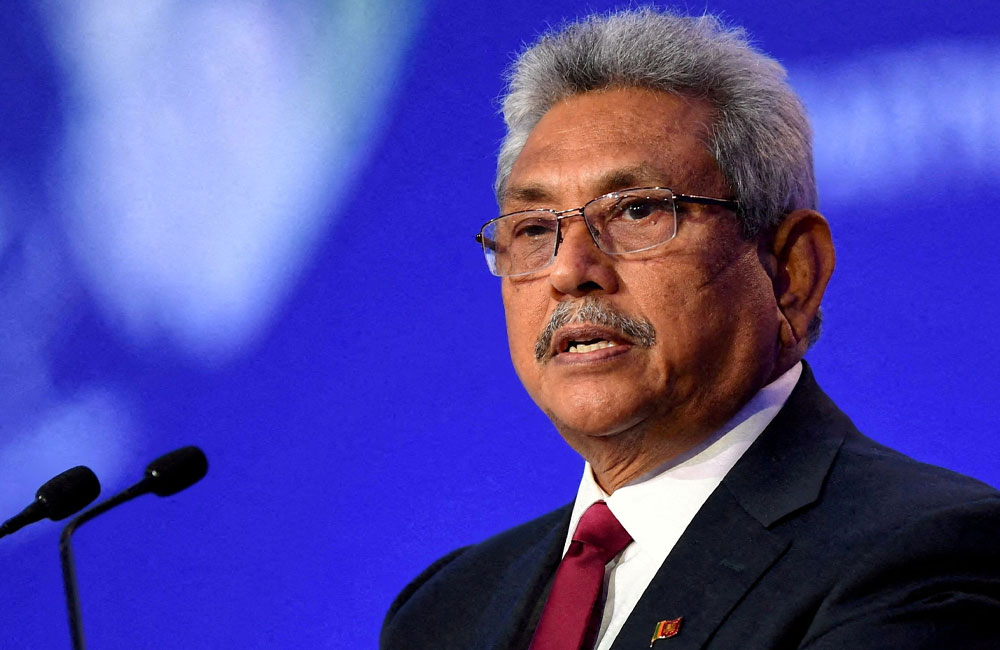
Gotabaya Rajapaksa Gives Statement to FCID Over MiG Aircraft Deal
Former President Gotabaya Rajapaksa appeared before the Financial Crimes Investigation Division (FCID) today (11) to provide a statement as part of an ongoing investigation into the controversial MiG aircraft transaction.
Rajapaksa had been summoned by investigators to answer questions relating to the deal, which remains under investigation by the financial crimes authorities.
The development follows the appearance of former Air Force Commander Air Chief Marshal Roshan Goonetileke before the FCID yesterday (10).
Goonetileke was questioned for more than five hours in connection with the same investigation before leaving the FCID premises.
The statements from the former President and the former Air Force Commander form part of the continuing inquiry into the MiG aircraft deal.

No Electricity Tariff Increase Planned for Upcoming Quarter
Sri Lanka will not seek an increase in electricity tariffs for the upcoming quarter, Energy Minister Anura Karunathilaka told Parliament today (11).
The Minister attributed the decision partly to recent rainfall levels, which exceeded expectations and helped reduce the pressure on electricity generation costs.
He said the improved availability of water resources had allowed authorities to manage generation expenses to some extent, making a tariff increase unnecessary at this stage.
Minister Karunathilaka also assured Parliament that arrangements have been made to maintain an uninterrupted electricity supply during the first three months of next year.
He said the Ministry of Energy has already implemented the measures required to support continuous power generation and supply during that period.
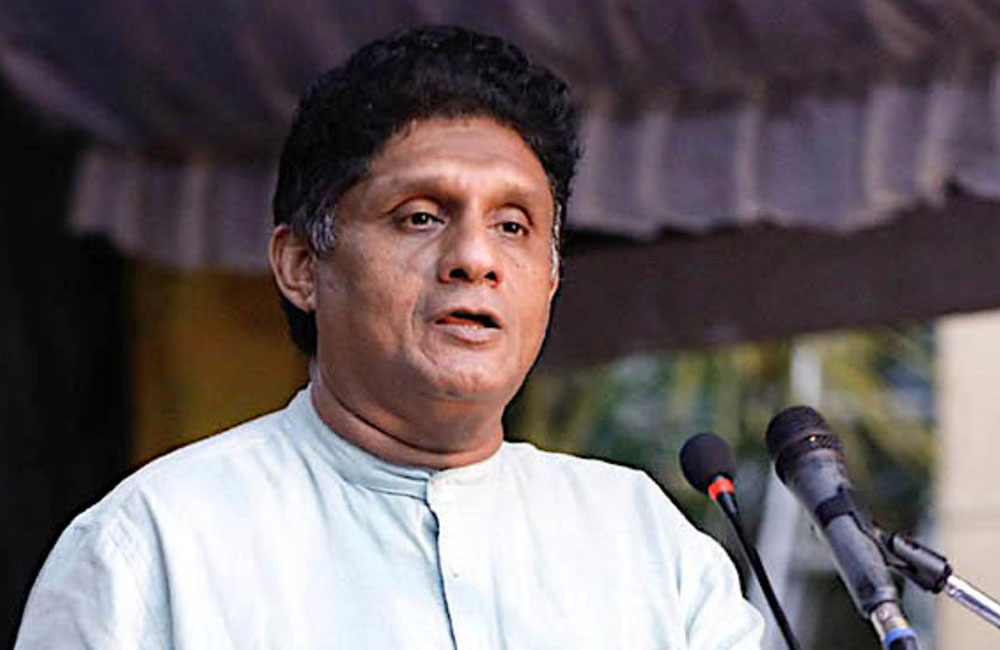
Leader of the House commends Opposition Leader over early climate warnings
Leader of the House Minister Bimal Rathnayake commended Opposition Leader Sajith Premadasa in Parliament yesterday (10) for his early warnings regarding the severe impacts of the El Niño and La Niña climate phenomena on Sri Lanka.
Rathnayake acknowledged that Premadasa had raised critical concerns regarding potential water, food, and energy crises nearly six months before the United Nations Climate Organisation issued its official global confirmation on June 2.
The government expressed its respect for the opposition leader's proactive stance, noting that continuous legislative debate on impending climate threats remains essential for national preparedness.
Demanding full government transparency under Standing Order 27(2), Premadasa called for the immediate public release of official forecasts produced by the Meteorology Department and submitted to the cabinet.
He noted that while internal estimates point to a 63 percent likelihood of severe impact, global data from the World Meteorological Organization indicates the probability could reach 80 percent.
Highlighting the creation of a special ministerial subcommittee and an officials committee on June 22, 2026, Premadasa urged the government to publish district-wise data from the Disaster Management Centre detailing drought-affected populations.
He raised specific concerns over whether the approaching October and November monsoon would trigger compound disasters including floods and landslides, demanding early warning systems for high-risk zones such as the Northern, Eastern, Badulla, Monaragala, Ampara, Hambantota, and Batticaloa districts.
The opposition leader also questioned the economic fallout on public utilities and agriculture.
Premadasa requested detailed disclosures regarding Mahaweli reservoir levels, the financial burden of generating expensive thermal power to cover depleted hydropower reserves, and the resulting pressure on monthly household electricity bills.
Turning to the agricultural sector, he pressed the government to reveal the exact extent of crop damage across paddy fields, demanding confirmation on whether affected farmers had received adequate compensation, insurance payouts, seed paddy, and fertilizer subsidies ahead of the upcoming Maha cultivation season.

Shiran Basik’s Father Arrested Over Rs. 30 Million Property
Abdul Razak Mohomed Basik, the father of suspected major drug trafficker Shiran Basik, has been arrested by the Central Crime Investigation Bureau (CCIB) in connection with an investigation into a property valued at around Rs. 30 million.
Police said the arrest was made under the provisions of the Prevention of Money Laundering Act.
The investigation reportedly concerns an apartment at a luxury residential complex in the Gampaha area. According to investigators, the apartment had allegedly been purchased by Shiran Basik but was registered under his father’s name.
Abdul Razak Mohomed Basik had been summoned to the CCIB today (11) to provide a statement regarding the property.
Following his appearance before investigators, he was taken into custody in connection with the ongoing inquiry.
The investigation comes after Shiran Basik, who is suspected of major involvement in drug trafficking, was recently brought back to Sri Lanka from Dubai.
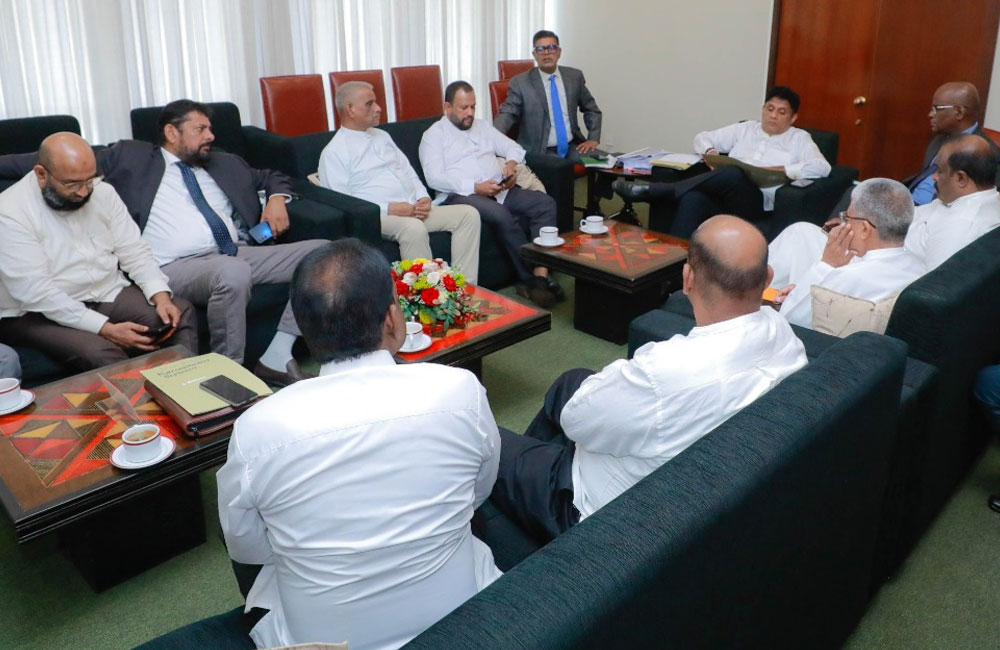
Sajith rallies Opposition MPs over North-East, plantation crises
Opposition Leader Sajith Premadasa held discussions with Members of Parliament representing the North, East and Malaiyaham communities on Thursday (10) to address the mounting economic and social difficulties confronting these regions.
The talks took place at the Opposition Leader's Office in Parliament and brought together MPs concerned with the welfare of these communities, focusing on issues ranging from household incomes to public services.
The discussion gave considerable attention to healthcare provision, with participants examining the state of access to quality medical services in these regions alongside broader concerns about school education and child nutrition among vulnerable families.
Infrastructure shortcomings, which continue to hamper development in these areas, also featured prominently in the deliberations.
Rising living costs and persistent inflation formed another major strand of the conversation, with the MPs weighing how these pressures have eroded household incomes across the North, East and Malaiyaham regions.
Premadasa told the gathered legislators that sustained political intervention remained essential to resolving the long-standing social and economic challenges affecting these communities and to lifting their living standards.
He also said that closer coordination among opposition MPs would be necessary going forward, so that problems could be identified at the grassroots level and addressed through practical, workable solutions.
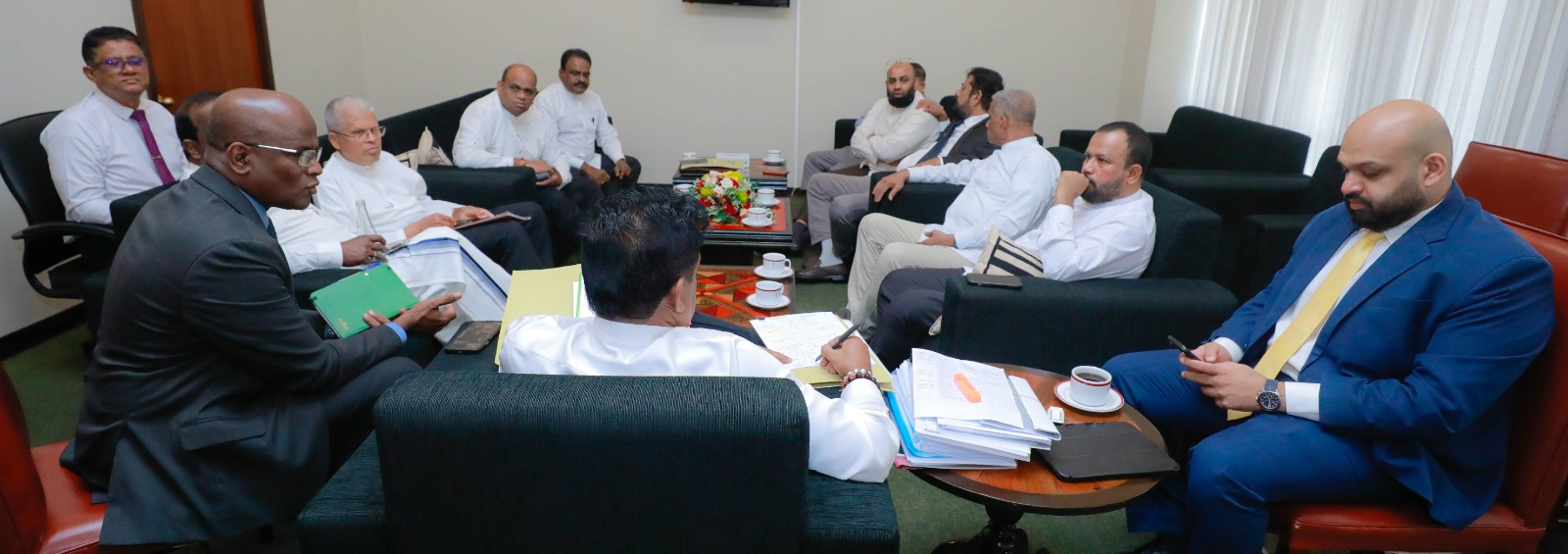

How procurement loopholes allowed a defaulting firm to re-bid for Colombo’s bus halt tender
A multi-million rupee procurement process to modernise passenger bus halts and billboards in Colombo on a public-private partnership basis has stalled following serious administrative and legal irregularities.
Under tender ME/ME/ML/34/2025, the Colombo Municipal Council (CMC) planned a four-year project to renovate 128 bus halts and 250 billboards while constructing 20 new bus halts and 20 billboards.
However, controversy surrounding the initial award forced municipal authorities to cancel the contract and call for fresh bids, sparking intense concern among procurement experts.
Price formula discrepancy and shift in position
Disagreements over project valuation surfaced shortly after municipal officials issued a Letter of Award on 7 July 2026 to a joint venture comprising Emerging Media (Pvt) Ltd and Hammer BTL (Pvt) Ltd.
Addendum 1 of the tender document mandated that bidders add ground rent to the minimum annual value set by the CMC.
The joint venture later claimed its Rs. 75,750,000 bid covered all mandatory fees, whereas CMC calculations placed the required total at Rs. 102,948,500.
Attempting to reduce agreed prices after winning an award violates standard bidding rules and undermines procurement discipline.
Is a bid bond of Rs. 500,000 sufficient?
Industry analysts have questioned the overall commercial design of the tender, particularly the low bid bond requirement. Despite the total project value exceeding Rs. 400 million, authorities set the bid bond at just Rs. 500,000.
Standard national procurement guidelines recommend setting bid securities at roughly one percent of estimated project value.
Observers note that setting an abnormally low security threshold may have discouraged established investors from competing while exposing the council to financial default.
Finance Committee intervention and legal contradictions
Controversy escalated on 13 August when the Standing Committee on Finance submitted its recommendations to the CMC.
The committee reported that the defaulting joint venture could bid in the upcoming re-tender because the firm had not undergone official blacklisting, despite failing to furnish a performance bond within seven days.
This recommendation directly contradicts Clause 10.1(2) of the municipal tender guidelines, which explicitly disqualifies any entity that directly or indirectly fails to execute a previous council contract.
Urban infrastructure and the future of PPP projects
Bus stops serve as critical daily infrastructure for thousands of commuters across the capital.
Mismanaged procurement procedures, commercial oversights, and questionable committee interventions have deprived the municipal council of vital revenue while delaying modern facilities for the public.
Failing to resolve these administrative flaws risks delaying future urban transport initiatives and harming ordinary passengers across Colombo.

Suspect Arrested Over Alleged US$80 Million Overseas Money Transfers
A suspect accused of transferring approximately US$80 million, equivalent to around Rs. 23 billion, to overseas accounts has been arrested in Maradana by the Financial Crimes Investigation Division (FCID) of the Sri Lanka Police.
According to police, the suspect allegedly carried out the transfers through telegraphic transactions between 2023 and 2025.
The arrest was made as part of an ongoing FCID investigation into the alleged movement of a substantial amount of money from Sri Lanka to foreign accounts.
Investigators are now examining the source of the funds, the purpose behind the transactions and the individuals or entities connected to the overseas accounts.
Further investigations are being conducted to establish the full circumstances surrounding the alleged transfers.
Page 1 of 771