News
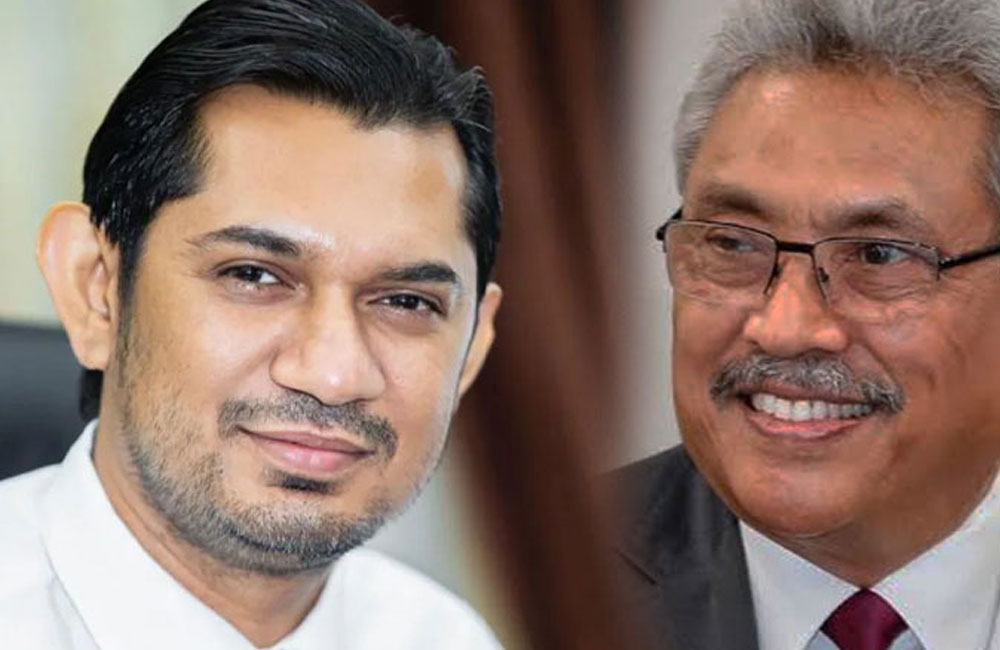
Sugeeshwara Bandara further remanded till July 22; police reveal conflicting statements from ex-president
Sugeeshwara Bandara, the former private secretary to former President Gotabaya Rajapaksa, has been further remanded by the Colombo Fort Magistrate’s Court following his arrest over allegations of receiving two salaries from two separate government institutions.
During the court proceedings today (08), Colombo Fort Magistrate Pasan Amarasena rejected the bail application filed on behalf of the suspect.
The Magistrate stated that no exceptional circumstances had been presented by the defence to justify releasing Bandara on bail.
The Central Crime Investigation Bureau presented a further report on the case, informing the court that two statements have been recorded from former President Gotabaya Rajapaksa.
According to the police, the former President initially stated that he used money from a presidential expenditure head for his private secretary's salary, but later claimed in a second statement that the funds were actually handed over to another individual.
Investigators also revealed that statements have been taken from three directors of the Special Projects division who claimed they did not know each other.
The police requested the court to deny bail because releasing the suspect could lead to witness intimidation, noting that it will take considerable time to record statements from more than 120 employees attached to the Special Project.
The Magistrate questioned the police on whether a definitive list of tasks carried out under the Special Project exists, to which investigators replied that inquiries are ongoing.
The court also questioned the police regarding allegations that project funds had been deployed for politicians, prompting the Magistrate to order a detailed report on that matter for the next hearing before remanding the suspect until 22 July.

NWSDB Announces Water Supply Disconnection Week to Recover Outstanding Bills
The National Water Supply and Drainage Board (NWSDB) has announced that a special ‘Water Supply Disconnection Week’ will be conducted from July 13 to 19, 2026, to recover outstanding water bill arrears.
The programme will cover customers in Colombo 01 to Colombo 15, as well as the Maharagama and Kotte areas.
The NWSDB has requested consumers with overdue water bills to settle their outstanding payments on or before July 13 to avoid having their water supply disconnected.
The Water Board further urged all customers to make their payments on time to ensure uninterrupted water supply services.
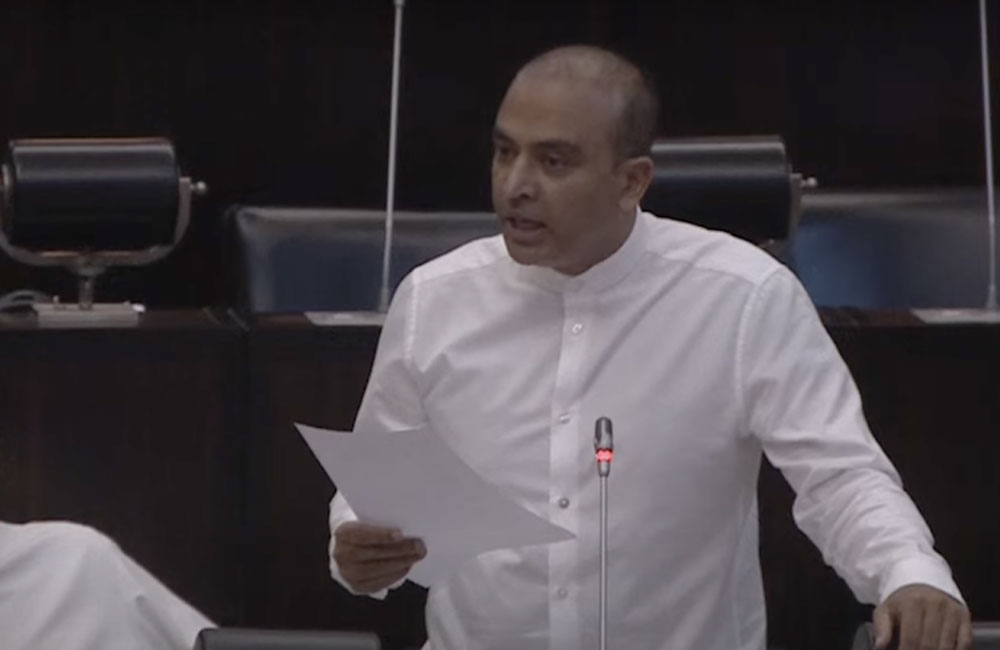
Govt ignored advance intelligence on Negombo prison unrest - Harshana Rajakaruna
Samagi Jana Balawegaya (SJB) MP Harshana Rajakaruna said that government authorities failed to act despite receiving intelligence reports about the volatile situation at the Negombo prison three to four days before the unrest erupted.
Speaking in parliament yesterday (07), he stressed that the incident did not occur unexpectedly.
He pointed out that officials were fully aware of the rising tensions but failed to implement proper management or make decisive choices to prevent the violence.
According to the opposition lawmaker, the failure at Negombo prison reflects a weakness in current national leadership and management.
He drew parallels to what he described as the government’s inefficient handling of previous crises involving both the farming and business communities.
Noting that the government lacks the experience required to identify or address national problems effectively, he said that failing to prevent such destruction when intelligence was already in the hands of authorities indicates a serious administrative failure.
Are govt bigwigs ‘high caste’ to call farmers ‘low caste’? – Marikkar
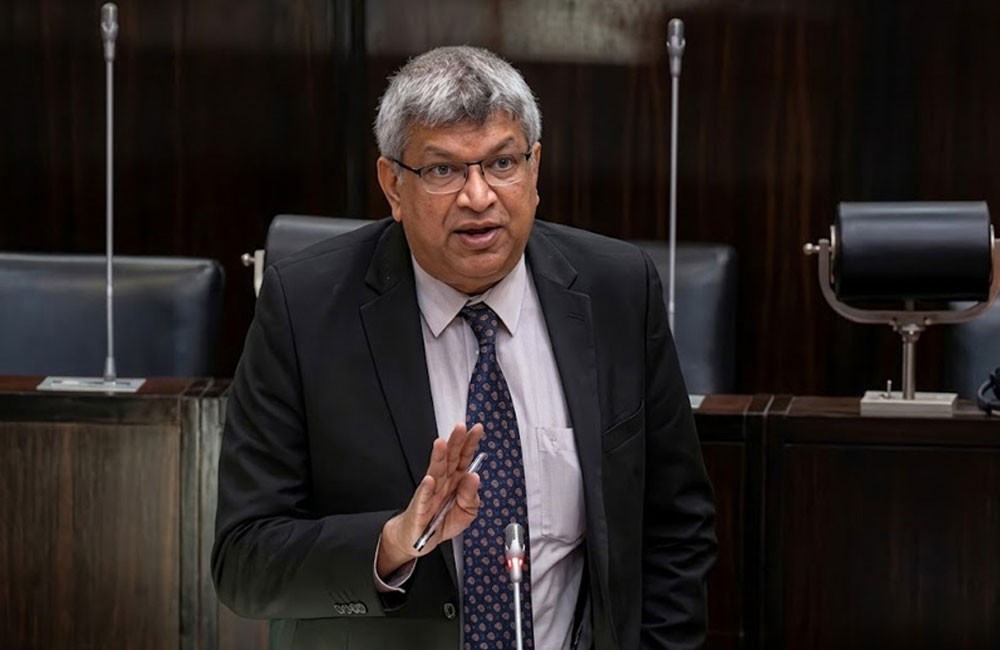
The government that swept to power on the back of farmers' struggles is today insulting those very farmers by branding them as "low caste", SJB MP S.M. Marikkar said.
He recalled that prior to the election, government leaders had declared that once the mud is washed off, a farmer is fit even for kingship.
Marikkar further noted that by denigrating the farming community as "low caste", government leaders are behaving as though they themselves belong to the "high castes".

Negombo prison clash a planned underworld operation - Justice Minister
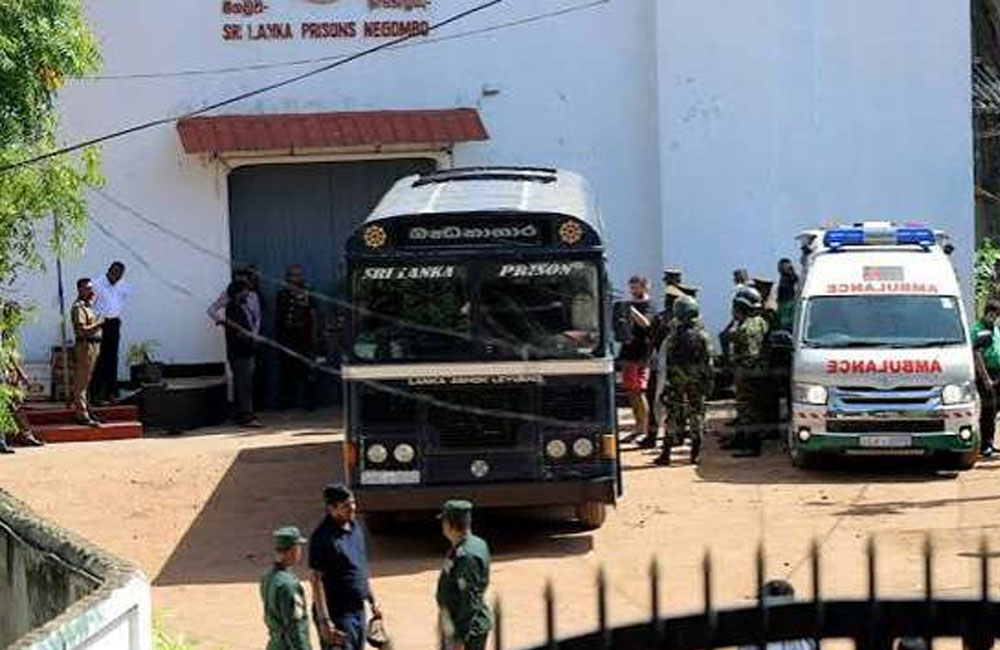
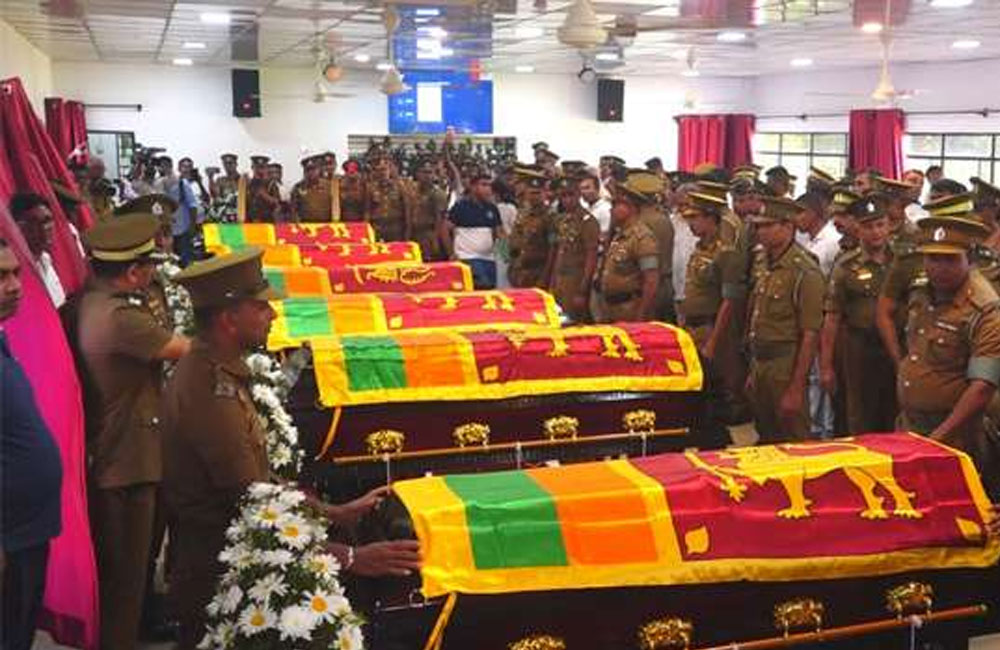
A major clash at the Negombo Prison was a planned operation driven by deep-seated rivalries between underworld figures and drug gangs, Parliament was told yesterday.
Justice and National Integration Minister Harshana Nanayakkara, addressing the House, revealed that the violence specifically targeted an inmate who had tipped off security authorities about illicit drugs inside the facility.
During the targeted unrest, which broke out on 5 July, rioting prisoners systematically destroyed internal security infrastructure, including the prison's CCTV cameras and the scanning machines used to detect contraband.
The initial clashes left 35 people injured and resulted in the deaths of two prisoners. Although guards managed to bring the situation under control over the weekend, tensions flared again on Monday.
Minister Nanayakkara detailed how prisoners attacked two guards, leading to fatal injuries when other officers attempted a rescue.
The rioters managed to break through iron doors to escape their immediate holding area, prompting security forces to open fire to ensure public safety and regain control.
Investigations are now underway to determine how firearms were smuggled into the hands of the inmates.
Expressing deep regret over the loss of life, the Minister stated that the government fully understands the tragedy and accepts responsibility for the incident.
He rejected opposition claims of government inaction, confirming that 734 prisoners have already been transferred to other facilities to defuse the situation, while security measures across all national prisons have been heavily fortified.
A special committee, chaired by Justice Priyantha Fernando, has been appointed to conduct a thorough investigation, and the Prisons Department has formally lodged a complaint with the Criminal Investigation Department (CID).
The Minister highlighted severe systemic challenges contributing to the crisis, noting that the country's prisons are critically overcrowded, holding 27,000 inmates despite only being designed for 10,000. He blamed previous administrations for failing to address the capacity crisis early on.
The overcrowding is further exacerbated by lengthy judicial delays caused by a massive backlog at the Government Analyst’s Department.
Suspects routinely spend months in remand waiting for laboratory reports. Minister Nanayakkara explained that the department was inherited with 118 vacancies, though 78 positions have recently been filled to expedite the process.
Compounding the issue is a severe staffing shortage within the prison system itself, driven by low recruitment interest among young people.
The government is currently reviewing a proposal to extend the service periods of active prison officers to manage the personnel deficit.
Negombo Prison unrest exposes Govt's security failure, says Opposition Leader
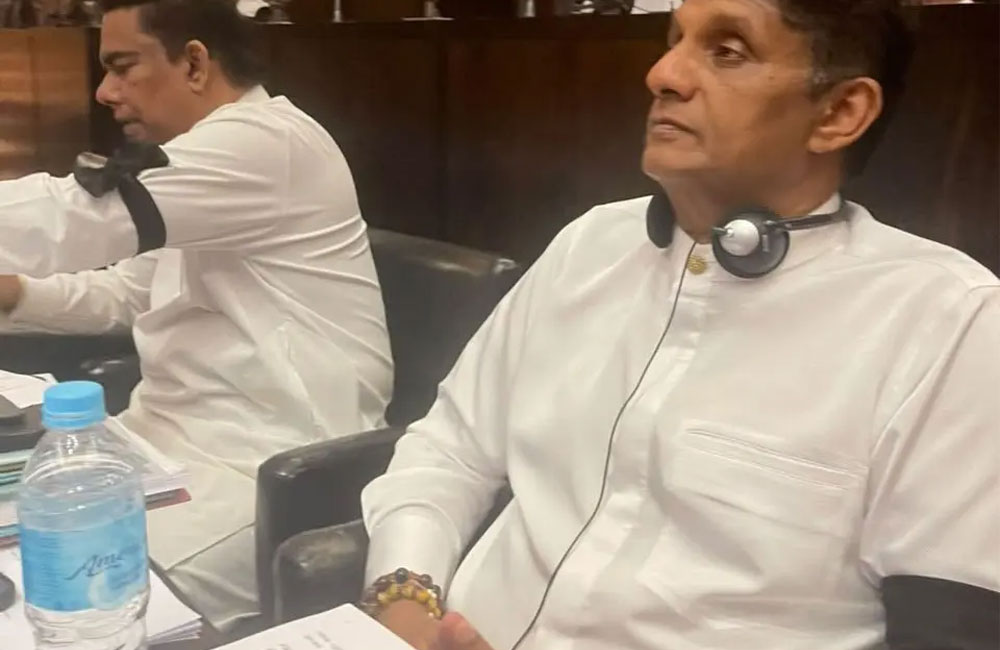
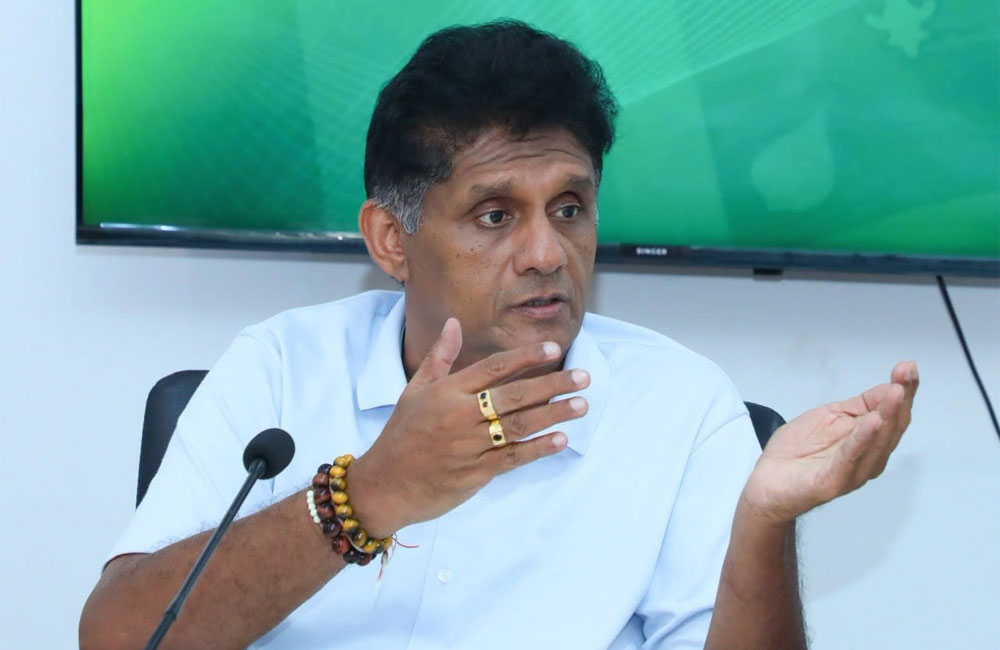
Opposition Leader Sajith Premadasa on Tuesday (07) said the recent deadly unrest at Negombo Prison exposed the Government's failure to ensure national security, questioning how it could protect the public if it could not guarantee security within prisons.
Speaking during the adjournment debate in Parliament on the Negombo Prison incident, Premadasa said the Government bore full responsibility for the deaths and injuries sustained during the violence.
"How can a Government that cannot ensure security inside a prison guarantee the national security of 22 million people?" he asked.
Premadasa said all prisoners and remand detainees remained under State custody regardless of their legal status, which meant the Government was responsible for ensuring their safety.
He recalled that President Anura Kumara Dissanayake had made the same argument while he was in the Opposition.
He also questioned whether the Ministry of Justice and National Integration had adequately addressed longstanding issues in the prison system, including overcrowding, prison reforms and rehabilitation programmes.
Premadasa said media reports had indicated that nearly 40,000 inmates were being held in facilities designed to accommodate only around 10,000 prisoners, and questioned whether the Government had carried out any proper risk assessment despite the severe overcrowding.
He further accused the Government of failing to learn lessons from previous incidents at the Welikada and Mahara prisons, and criticised the continued absence of a permanent Commissioner General of Prisons.
Premadasa also alleged that the Government had failed to deliver on its pledge to reform the prison system, despite commitments made in its election manifesto.
He went on to criticise Minister of Justice Harshana Nanayakkara, alleging that the Minister was focusing on proposals to extend the retirement age of Supreme Court judges instead of addressing urgent issues within the prison system.

Court of Appeal Upholds Eight-Year Sentence for Man Convicted of Abusing Six-Year-Old Girl
The Court of Appeal has upheld the conviction and eight-year rigorous imprisonment sentence imposed on a man found guilty of sexually abusing a six-year-old girl in Moneragala in 2010.
A two-judge bench comprising Justices P. Kumaratnam and Pradeep Hettiarachchi dismissed the appeal filed by S.M. Jayantha, confirming the judgment delivered by the Moneragala High Court.
The accused had been convicted of committing grave sexual abuse under Section 365B(2)(b) of the Penal Code after being indicted by the Attorney General for sexually abusing the child, who was his neighbour.
Following the trial, the Moneragala High Court sentenced the accused to eight years of rigorous imprisonment, imposed a fine of Rs. 20,000, and ordered him to pay Rs. 50,000 as compensation to the victim.
Challenging the conviction and sentence, the accused had appealed to the Court of Appeal, arguing that the trial judge had improperly evaluated the prosecution’s evidence and failed to adequately consider inconsistencies in the case.
However, the Court of Appeal rejected the arguments, stating that the victim’s testimony was supported by clear and convincing evidence from independent witnesses.
The appellate court ruled that the trial judge had correctly determined that the prosecution had proven the charges beyond reasonable doubt and found no grounds to interfere with either the conviction or the sentence.
Accordingly, the Court of Appeal dismissed the appeal and affirmed the decision of the Moneragala High Court.
Page 3 of 737