News
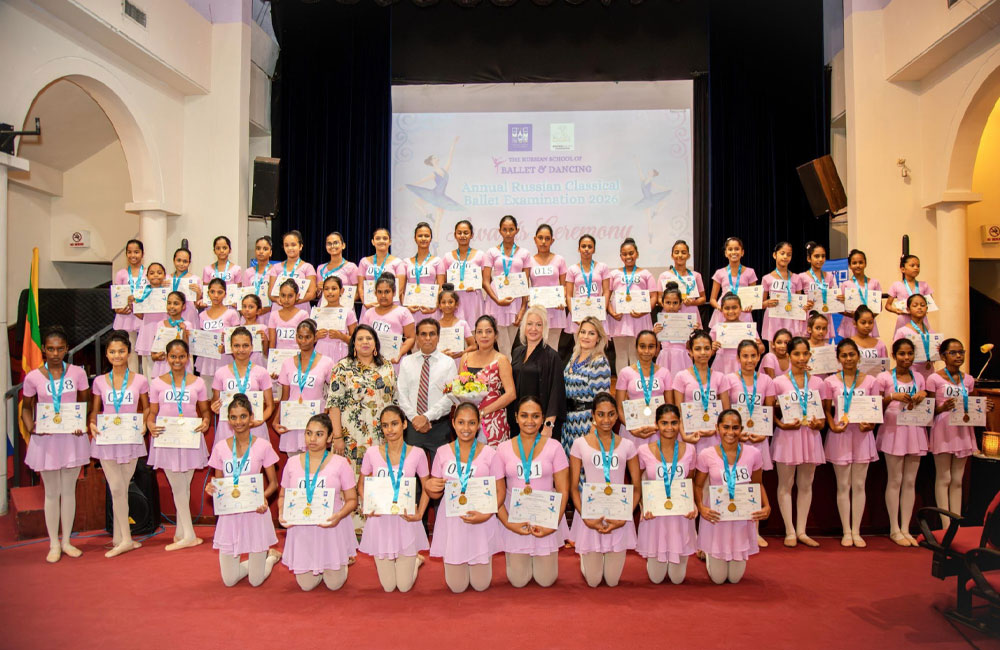
Over 1,600 dancers complete record-breaking Russian ballet examination
A record breaking cohort of over 1,600 young dancers has participated in Sri Lanka’s annual Russian Classical Ballet Examination.
The nationwide testing sessions took place in Colombo from 5 to 18 October, with additional assessments conducted in Galle on 10 October.
Candidates aged four and above travelled from across fourteen major districts, including Kandy, Ratnapura, Bandarawela, Badulla, Kurunegala, Matara, and Negombo.
The candidates were evaluated by Dr. Oxana Karnovich, a prominent curator and academic affiliated with the Moscow State Academy of Choreography.
Instruction across the island was provided by fifteen specialized dance tutors trained in the world-renowned Vaganova method of classical ballet instruction.
Founded in 2001 by Michael Ustinov, Buddhapriya Ramanayake, and Chandi Aluvihare alongside founding instructor Galina Pleshakova, the institution is currently directed by Madam Maria Popova, Counsellor of the Embassy of the Russian Federation in Sri Lanka.
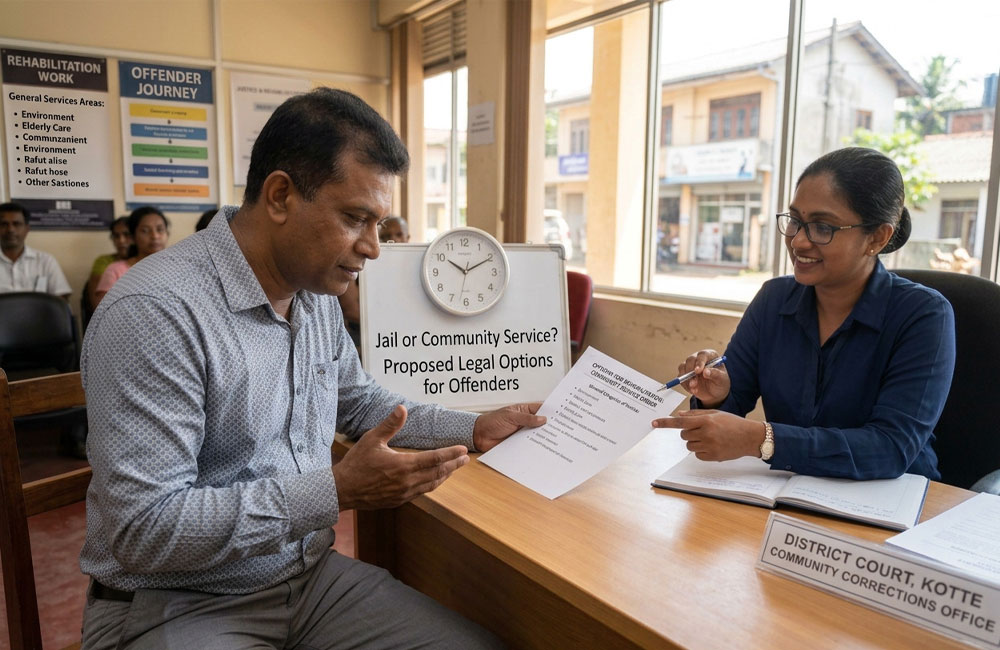
What the proposed Community Corrections Bill means for non-custodial sentences
Sri Lanka’s government has introduced legislative amendments to reform the country's non-custodial sentencing framework by tightening offender supervision and increasing financial penalties.
The Community Based Corrections Amendment Bill was published in an official Gazette supplement on 13 October 2026 by the Minister of Justice and National Integration.
The proposed legislation seeks to modernize the original 1999 law to enhance community service procedures and ensure stricter compliance across the judicial system.
Revised Penalties and Mandatory Supervision
Under the new provisions, judges will refer eligible candidates to a designated community corrections officer, who must outline the conditions of non-custodial rehabilitation before the offender agrees to participate.
Accused individuals will receive a continuous window of 48 hours to formally submit their consent to the court, excluding weekends and public holidays.
The bill significantly increases non-compliance penalties, raising the maximum statutory fine from 5,000 rupees to 25,000 rupees under Section 14 of the original statute.
In addition, a structured schedule maps unpaid community labor directly to the severity of court sentences.
Offenders facing prison terms of one year or more can be ordered to complete between 200 and 300 hours of community work over twelve months.
Sentences ranging from six months to a year carry 100 to 200 hours of unpaid work over a six-month duration, while terms under six months involve 50 to 100 hours within three months.
Financial penalties are scaled similarly, with maximum fines of 50,000 rupees requiring up to 300 hours of community service spread over two years, whereas fines under 20,000 rupees require 50 to 75 hours over three months.
Newly appointed corrections officers will oversee these community work assignments, conduct background investigations, and report directly to local judicial authorities.
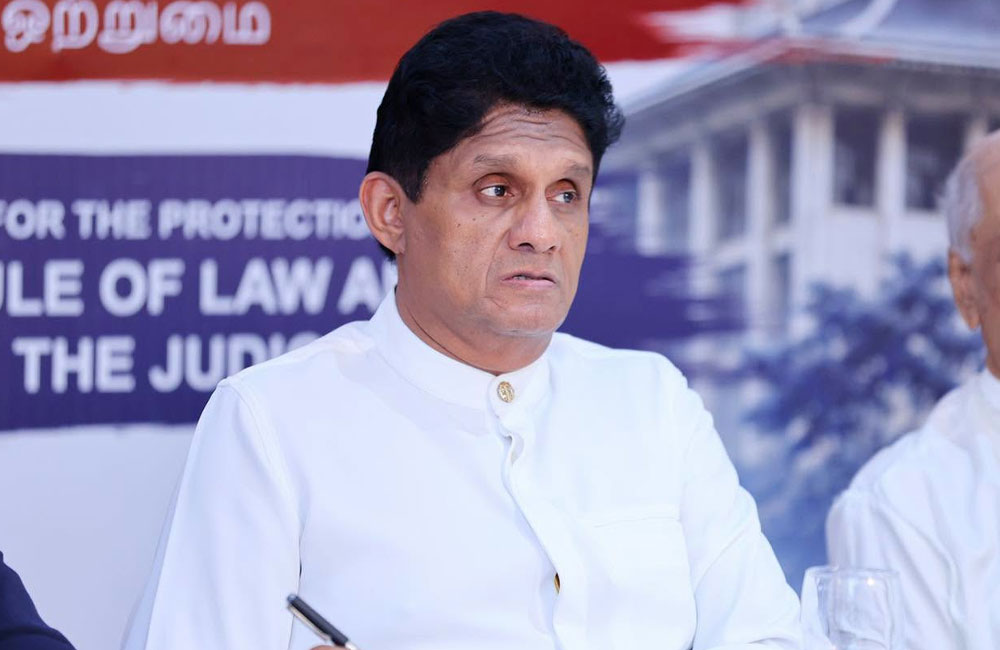
Opposition Leader warns HSBC exit could cost Sri Lanka 3,500 jobs
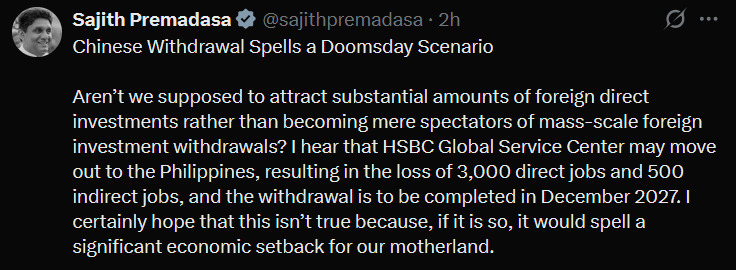
Opposition Leader Sajith Premadasa has expressed grave concern over reports that HSBC Global Service Centre is planning to shift its Sri Lankan operations to the Philippines.
The Samagi Jana Balawegaya (SJB) leader released a statement on social media platform X highlighting growing threats to foreign investment in the country.
He warned that the potential departure of the multinational financial entity by December 2027 could eliminate 3,000 direct positions alongside 500 indirect jobs.
The Opposition Leader expressed hope that reports regarding the banking giant were unfounded while questioning the stability of the national investment climate.
He urged the government to focus on securing substantial foreign direct investment rather than overseeing the exit of major international corporate entities.
These warnings follow the official cancellation of a USD 392 million logistics hub development at the Port of Colombo involving China Merchants Port Holdings.
The Chinese operator formally disclosed the termination of the South Asia Commercial and Logistics Hub project to the Hong Kong Stock Exchange on 15 October 2026.
Designated as a Strategic Development Project in December 2023 with accompanying tax incentives, the five-storey complex faced severe execution delays, regulatory hurdles, and land allocation issues.
The Chinese firm held a 70 per cent stake via Fortune Centre Group Limited, while Access Engineering PLC and the Sri Lanka Ports Authority each held 15 per cent under a 50-year build-operate-transfer framework.
In its regulatory filing, the firm attributed the closure to shifting external circumstances, operational difficulties, and revised commercial priorities.
Under the resulting settlement agreement, the Sri Lanka Ports Authority agreed to disburse 21.905 million US dollars to the project entity.
Port authorities are now expected to call for fresh investment proposals to utilize the strategically located land parcel.
Sustaining investor confidence through stable policies remains essential to preventing further capital flight and safeguarding local employment opportunities.
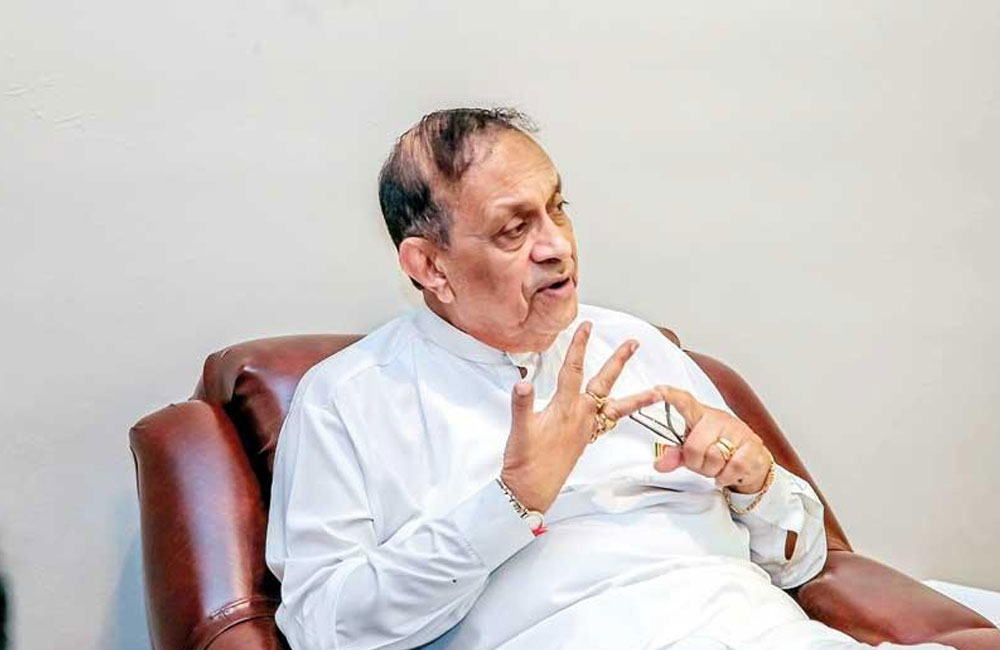
Delayed institutional reforms threaten national recovery, warns former Speaker
Former Speaker Karu Jayasuriya has warned that delays in executing institutional and economic reforms under the Economic Transformation Act of 2024 threaten Sri Lanka's long-term economic stability.
Posting on X, he highlighted critical shortfalls in export growth, foreign direct investment, and structural changes within key state bodies.
He stressed that while the 2024 legislation establishes binding national performance metrics and requires annual reporting to Parliament, implementation has faltered significantly.
Examining the national economic data, Jayasuriya observed that Sri Lankan exports currently hover around 16 per cent of gross domestic product, falling far short of the 25 per cent target mandated by the act.
He pointed out that foreign direct investment inflows continue to severely underperform against official projections.
Furthermore, foreign exchange reserves have remained stagnant at USD 6.85 billion, while planned restructuring efforts at the Board of Investment have ground to a halt.
The former Speaker urged authorities to either execute the statutory reforms immediately or engage with stakeholders to amend the legislation openly.
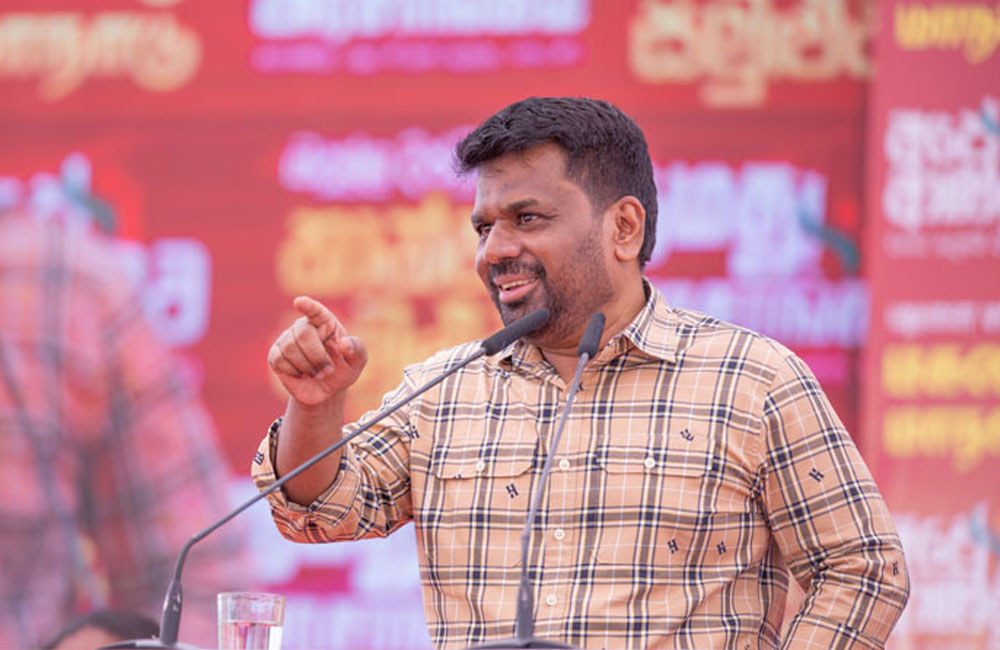
President rules out executive intervention to overturn court verdicts
President Anura Kumara Dissanayake has affirmed that the government will strictly abide by judicial rulings and refused to intervene to overturn Supreme Court decisions.
Addressing the National People’s Power (NPP) women’s convention in Badulla on Sunday, the President stressed that state executive powers will not be used to override judicial determinations.
He noted that political figures who previously enjoyed systemic impunity are now staging public protests due to heightened anxieties over legal accountability.
The President detailed the division of statutory responsibilities, explaining that Parliament enacts legislation while independent institutions including the Attorney General’s Department, the Commission to Investigate Allegations of Bribery or Corruption, the Criminal Investigation Department, and the Police manage investigations and legal proceedings.
He reiterated that delivering final verdicts remains the sole constitutional prerogative of the judiciary, headed by the Supreme Court.
Rebuffing public demands by political figures for the executive branch to reverse adverse court decisions, the President stressed that judicial independence cannot be compromised to accommodate aggrieved parties.
He asserted that establishing equal application of the law without political interference is essential to creating a secure future for the nation's children
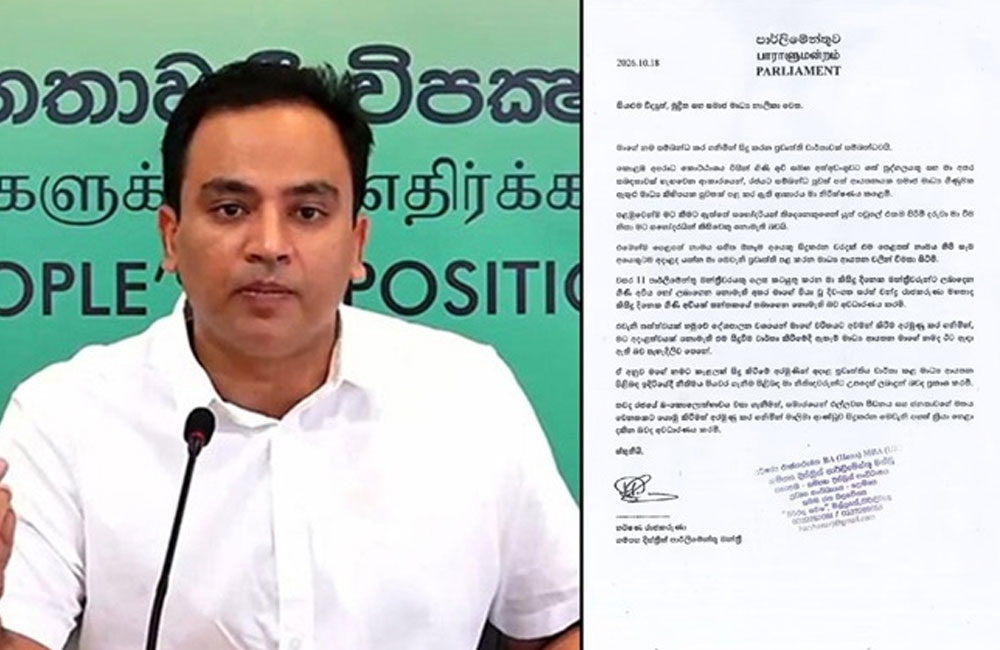
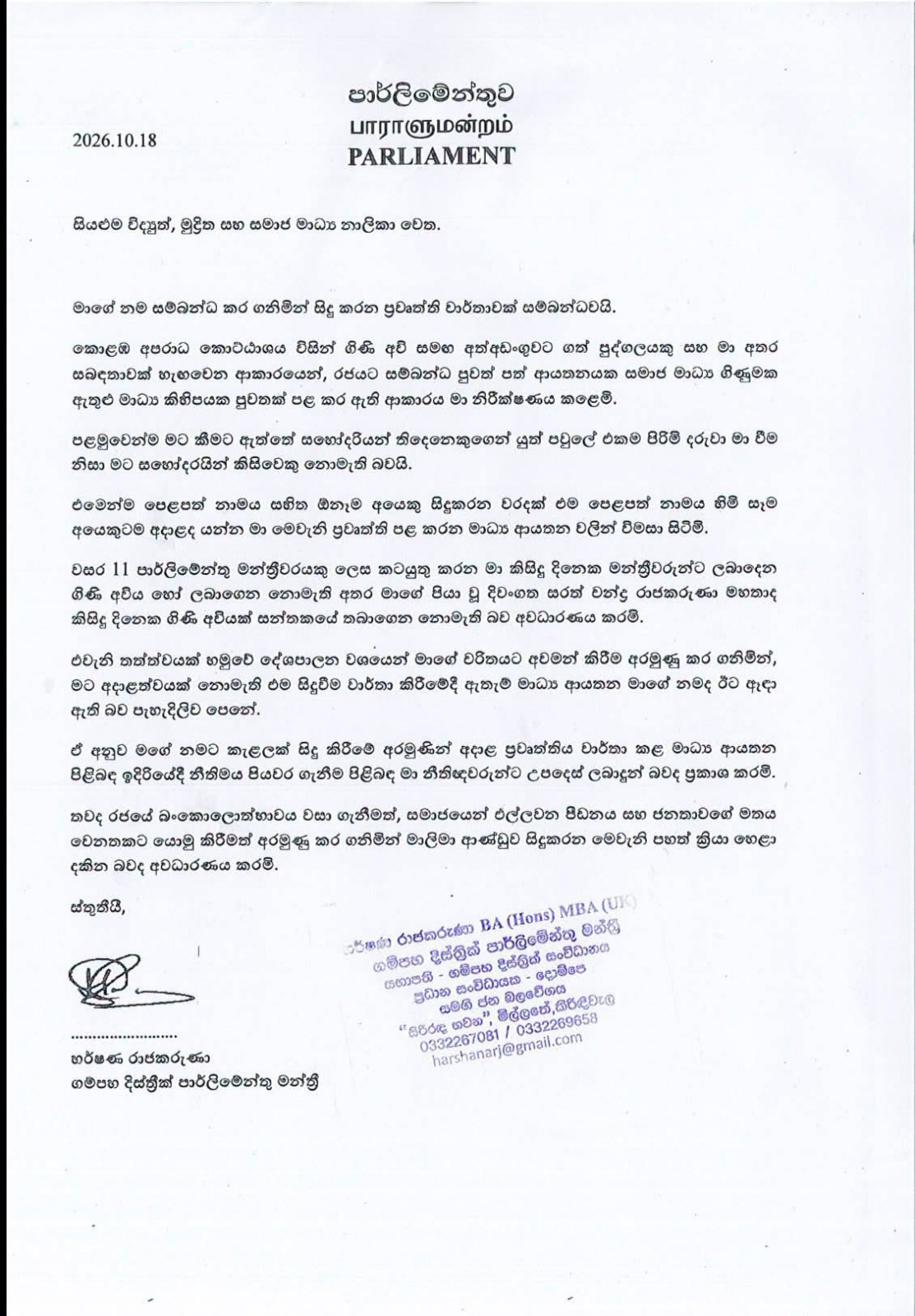
Harshana Rajakaruna denies ties to arrested gun suspect, accuses govt of smear campaign
Samagi Jana Balawegaya (SJB) Member of Parliament Harshana Rajakaruna has refuted media reports attempting to link him to a suspect arrested with firearms by the Colombo Crimes Division, saying he has instructed his legal team to initiate proceedings against the outlets responsible.
Issuing a statement on Sunday, the opposition lawmaker clarified that he has no connection whatsoever to the individual taken into custody.
The public clarification addresses reports circulated by several news entities, including a social media platform associated with a state-affiliated newspaper network, which implied a relationship between the politician and the suspect.
Rajakaruna rejected the allegations by noting that he is the sole son in his family alongside three sisters.
He questioned the journalistic practice of associating a criminal offense committed by an individual with everyone sharing the same surname.
Demonstrating a long-standing personal stance on weapons, he highlighted that he had never drawn his official parliamentary firearm throughout his eleven years in office, adding that his late father, former minister Sarath Chandra Rajakaruna, had similarly never owned a gun.
He charged that political opponents and select media institutions deliberately fabricated the association to tarnish his public standing and damage his reputation.
The Opposition MP further asserted that the ruling National People’s Power administration is leveraging targeted media attacks to distract the electorate from rising social dissatisfaction and growing government criticism.
PM announces major drive to recruit 30,000 teachers by March 2027
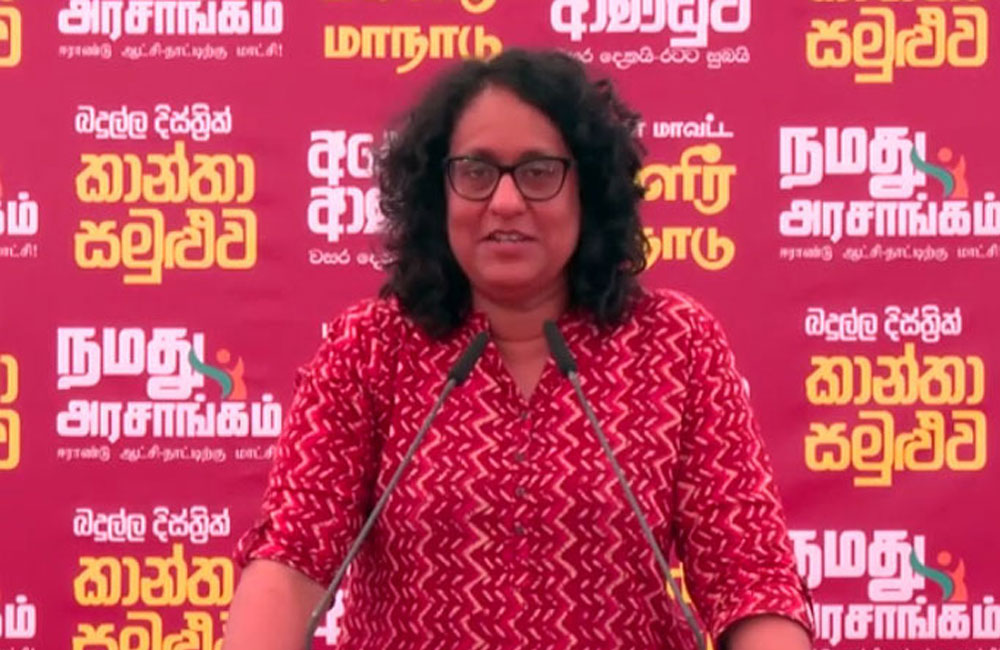
Prime Minister Dr. Harini Amarasuriya has announced a major state recruitment drive to induct 30,000 new teachers into the national education system by March 2027.
Speaking at a National People’s Power women’s convention in Badulla on Sunday (18), the Prime Minister outlined the government's phased timeline to address critical staffing deficits across public schools.
Formal interviews to select 23,000 graduate teachers will commence nationwide on 20 November as part of the initial recruitment phase scheduled for completion before the end of the year.
The intake will expand early next year with the absorption of 6,000 diploma holders graduating from Colleges of Education into the teaching service by February.
Selection processes for degree holders possessing Bachelor of Education qualifications will follow immediately after, bringing total new appointments to 30,000 by the March deadline.
The large-scale induction aims to strengthen classroom teaching capacity and streamline official appointments across rural and urban administrative districts.
By systematically integrating university graduates and trained diploma holders, the Ministry of Education seeks to enhance academic standards and resolve long-standing teacher shortages.
Maheel Bandara highlights shared heritage to boost Sri Lanka-India ties
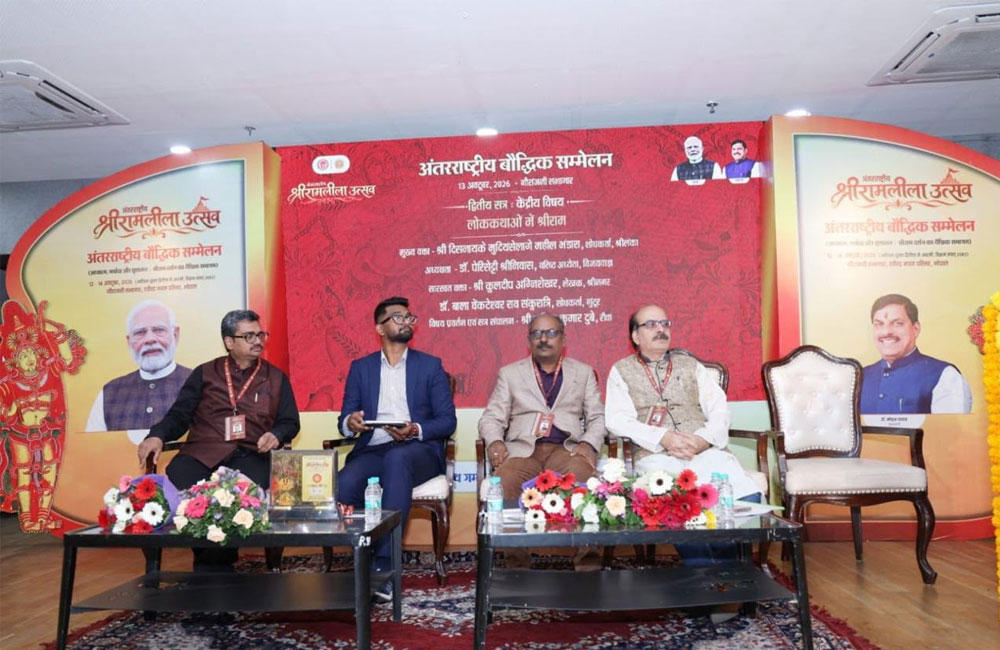
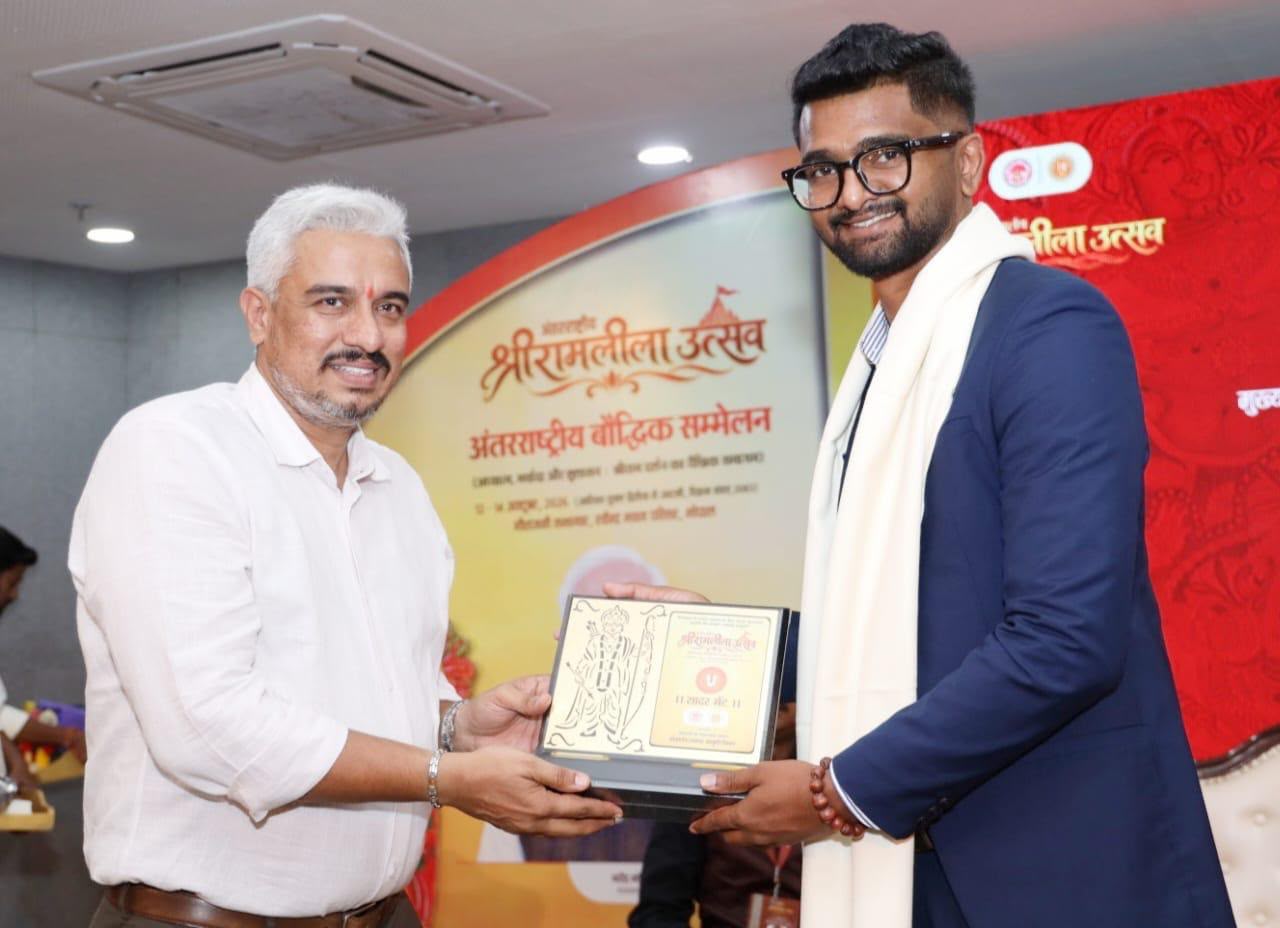
Sri Lankan international relations and cultural diplomacy researcher Maheel Bandara highlighted the enduring cultural, philosophical and civilizational connections between Sri Lanka and India through his participation in the Bhopal Intellectual Conference and subsequent engagements with prominent Indian cultural and public figures in New Delhi.
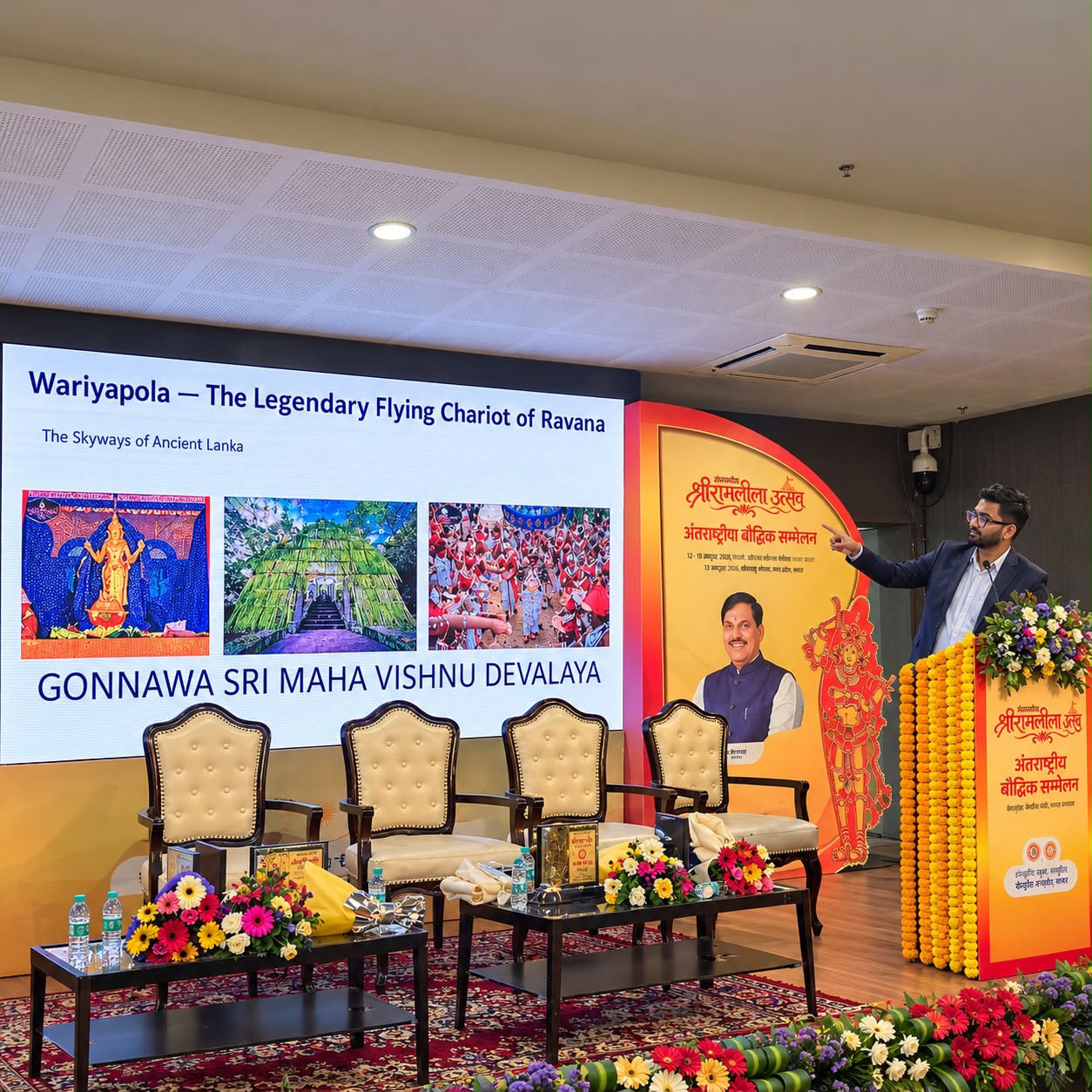
At the International Intellectual Conference held in Bhopal on October 13, Bandara delivered a presentation titled “Rama - Rawana in Folk Narratives in Sri Lanka,” exploring the influence of the ancient epic on Sri Lanka’s indigenous folklore, sacred geography, religious traditions and collective cultural memory.
His address examined how narratives associated with Rama, Sita, Lakshmana, Hanuman and Ravana have evolved through generations of storytelling, acquiring distinctive meanings within Sri Lankan communities while retaining their connections to the broader cultural heritage of the Indian subcontinent.
Addressing an international audience, Maheel Bandara emphasized that the relationship between Sri Lanka and India extends beyond contemporary diplomacy and geographical proximity, reflecting centuries of religious exchange, philosophical inquiry, cultural interaction and shared traditions.
He highlighted the importance of understanding Sri Lankan folklore as a living cultural heritage rather than merely a reproduction of established literary narratives.
Reflecting on the philosophical achievements of ancient South Asian civilizations, Maheel Bandara drew attention to the intellectual traditions associated with Buddhism, Hinduism and other religious philosophies, particularly their explorations of consciousness, spirituality and the relationship between the mind and the physical body.
“Most of us in Sri Lanka are Buddhists, just as many people in India follow Hinduism, alongside other religious traditions. Thousands of years ago, our civilizations were already exploring profound questions about the distinction between the mind and the physical body. Understanding such a complex concept demonstrates how intellectually advanced the civilizations of the Indian subcontinent were thousands of years ago. If a Western philosopher or anyone else claims that they came here to civilize us, show them the Ramayana,” Bandara remarked.
He argued that the Ramayana represents more than an enduring literary and religious tradition, serving also as an important gateway to understanding the philosophical depth, cultural achievements and intellectual heritage of ancient South Asia.
His presentation explored Sri Lankan traditions associated with Lord Vishnu, Vibhishana and God Sumana Saman, alongside the legendary four communities of ancient Hela—the Yaksha, Raksha, Naga and Dewa—which are traditionally associated with the term “Siv Hela” and its later linguistic connection with “Sinhala” in Sri Lankan cultural narratives.
Bandara also examined regional folklore surrounding King Ravana and the legendary kingdom of Lankapura, highlighting the cultural significance of geographical landmarks such as Lakegala, Yahangala and Kaikawala. Through these examples, he illustrated how sacred landscapes, indigenous beliefs and oral traditions continue to shape Sri Lanka’s cultural identity and collective memory.
He further explored traditional accounts of ancient technologies and indigenous knowledge attributed to Ravana’s era, including legends of flying chariots associated with Wariyapola and stories of underground tunnels connecting distant caves and mountainous regions.
In discussing the Wariyapola traditions, he also highlighted the continuing religious and cultural significance of the Gonnawa Sri Maha Vishnu Devalaya, an ancient shrine traditionally associated with royal patronage, which remains a place of worship and a living link to Sri Lanka’s heritage.
He connected these narratives with the island’s longstanding traditions of indigenous medicine and the cultural importance of locations associated with medicinal plants, including Mihintale Osu Uyana. While distinguishing folklore and traditional beliefs from historically established evidence, Bandara emphasized that such narratives remain valuable for understanding the island’s ancestral memory, spiritual traditions and cultural imagination.
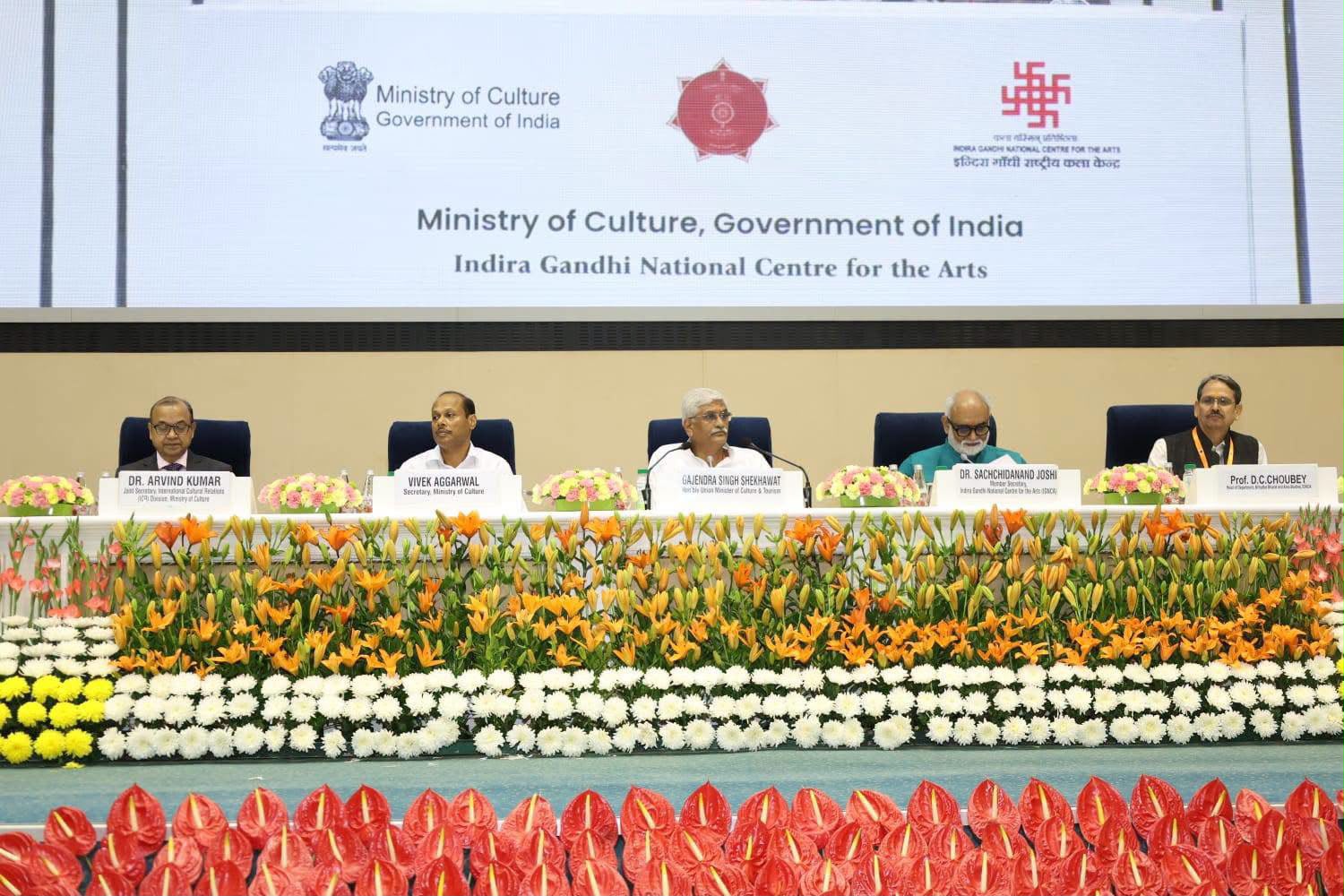
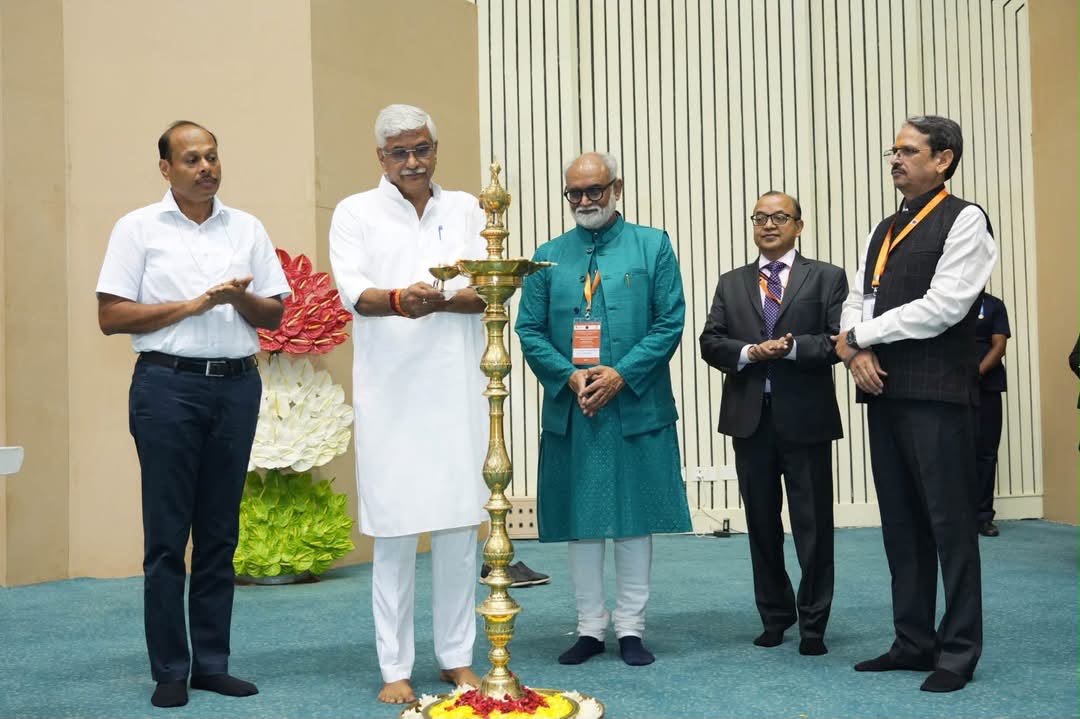
Following the Bhopal Intellectual Conference, Maheel Bandara attended the launch of the Brihattar Bharat – Global Engagement Scheme in New Delhi, an initiative aimed at strengthening India’s cultural connections with communities across the world.
The programme was launched under the leadership of Hon. Gajendra Singh Shekhawat, India’s Minister of Culture and Tourism, and chaired by Dr. Sachchidanand Joshi, Secretary of the Indira Gandhi National Centre for the Arts (IGNCA).
Bandara described the initiative as a significant step towards deepening international cultural engagement, promoting shared civilizational heritage, and fostering meaningful cultural connections between India and the global community.
During the event, Bandara had the opportunity to meet Gajendra Singh Shekhawat, India’s Minister of Culture and Tourism, and Dr. Sachchidanand Joshi, Secretary of the Indira Gandhi National Centre for the Arts (IGNCA). On the occasion, he shared a photograph of Ram - Setu taken by Dr. Bala Sanskurati, drawing attention to the enduring cultural and civilizational connections between India and Sri Lanka.
Joining Bandara was the Secretary General of the International Buddhist Confederation (IBC), Venerable Shartse Kensur Jangchub Choeden Rinpoche Thero.
Their participation further reflected the importance of dialogue between cultural, religious and intellectual communities in strengthening regional and international understanding.
Bandara also expressed his pleasure at meeting Honarable Sudha Murty, the distinguished Indian author, philanthropist and nominated Member of the Rajya Sabha, India’s upper house of Parliament, appointed by the President of India.
He described the encounter as an honour and a privilege, highlighting the warmth of their conversation and her affection for Sri Lanka.
During their interaction, Honarable Sudha Murty spoke warmly about the island, describing it as “a beautiful country.”
He appreciated her longstanding contributions to literature, education and philanthropy, noting that encounters of this nature create valuable opportunities to strengthen personal connections and reinforce the longstanding friendship between the two countries.
The engagements in Bhopal and New Delhi formed part of Maheel Bandara’s interest in international relations, cultural research and the promotion of Sri Lanka’s heritage on international platforms.
Through his conference presentation and interactions with Indian political, cultural and intellectual figures, he sought to emphasize the importance of recognizing the diverse traditions that connect the two nations.
Bandara expressed his belief that initiatives such as the Brihattar Bharat – Global Engagement Scheme can contribute significantly to preserving shared heritage, encouraging cultural research and fostering meaningful relationships among nations. He also underscored the value of strengthening people-to-people connections alongside formal diplomatic relations, particularly between countries whose histories have been intertwined for millennia.
As Sri Lanka and India continue to explore opportunities for closer cooperation, the preservation and interpretation of their shared cultural heritage remain important avenues for mutual understanding.
Sri Lanka to produce insulin locally following completion of Rs. 3bn Galle factory
Sri Lanka will begin domestic production of insulin for the first time following the completion of a Rs. 3 billion manufacturing facility in Galle.
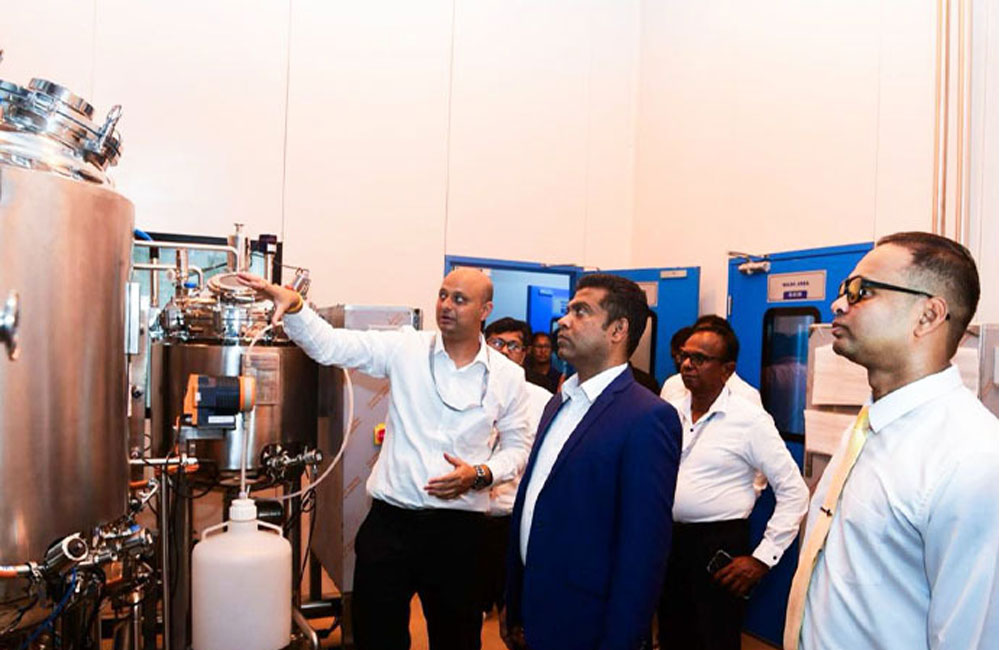
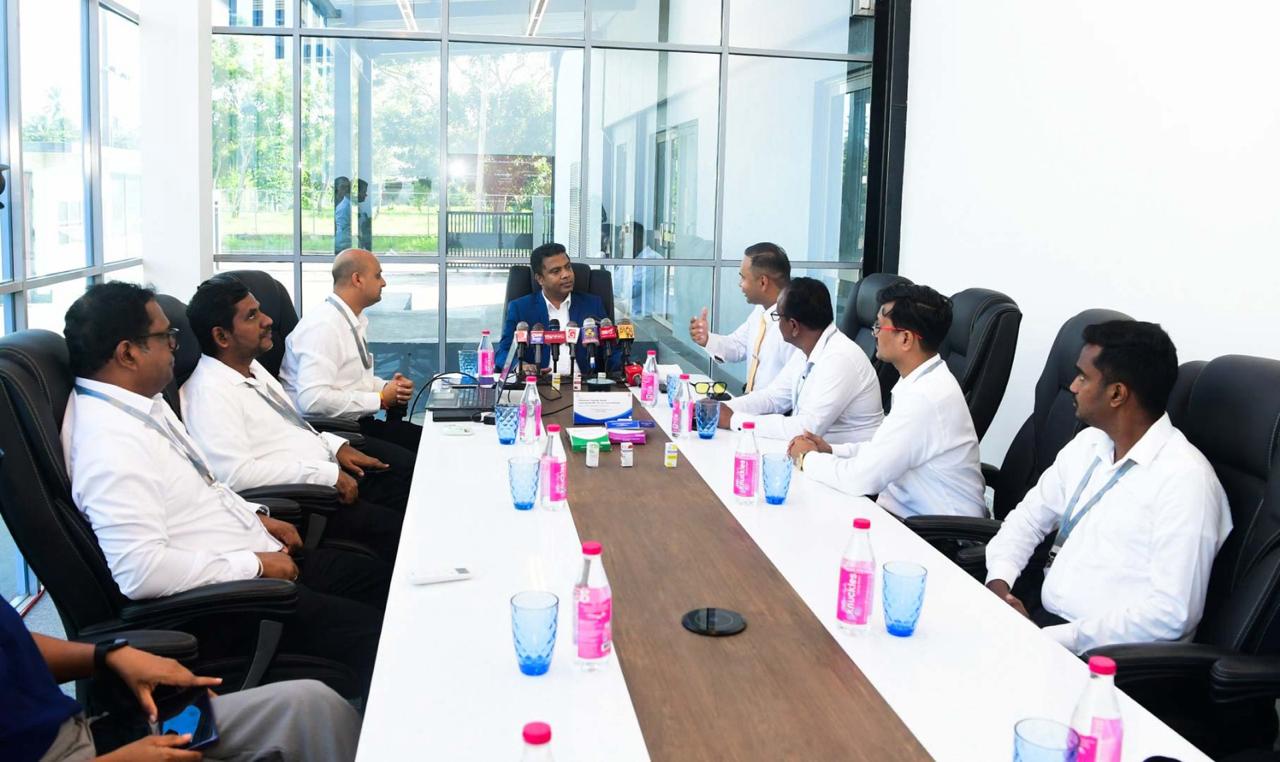
Health and Mass Media Minister Dr. Nalinda Jayatissa announced the project timeline on 17 October during an official inspection of the site at the Koggala Export Processing Zone.
Operated by Premium International Injectable Private Limited in a joint venture with the State Pharmaceuticals Manufacturing Corporation, the factory is slated to start operations in 2027 once final validation procedures conclude.
Expanding local production and reducing imports
The state has entered into a 15-year pharmaceutical supply agreement with the company to secure domestic distribution.
While initial manufacturing will focus on insulin, anaesthetic drugs, and pain relief medication, operations are planned to scale up to thirty-three distinct pharmaceutical products.
The Health Minister stated that Sri Lanka currently relies on foreign imports for eighty-five to ninety per cent of its hospital drug supply, with local production accounting for just ten to fifteen per cent.
He noted that public healthcare facilities have secured ninety-six per cent of their required drug supplies, though procurement bottlenecks persist for thirty-seven types of medicine owing to vendor shortages.
Dr. Jayatissa highlighted that strengthening domestic drug manufacturing over the next decade will serve as a primary policy objective to curb import dependence.
Export opportunities
Boosting local production capacity is expected to conserve vital foreign currency reserves while creating new revenue streams through international trade.
The operating company confirmed plans to export surplus pharmaceuticals once local market demand is fully met.
Government authorities are holding bilateral discussions to export state manufactured medicines to the Maldives through the State Pharmaceuticals Manufacturing Corporation.
International supply requests have also been submitted by several other nations, including Timor-Leste.

Adverse Weather Affects 7,651 People in Sri Lanka as Dry Conditions Hit Over 137,000
A total of 7,651 people from 2,106 families have been affected by adverse weather conditions across Sri Lanka since September 19, according to the Disaster Management Centre (DMC).
The latest situation report issued by the DMC on October 19 states that the impact has extended to 183 Divisional Secretariat divisions in 20 districts, with fatalities, injuries and damage to residential properties reported.
Eight people have died as a result of the adverse weather, while 12 others have sustained injuries. One person has also been reported missing.
The weather-related incidents have completely destroyed 26 houses and caused partial damage to another 1,390 homes, highlighting the impact on communities across the affected areas.
Meanwhile, 46 people from 13 families have been relocated to two safety centres, where they are currently staying, the DMC said.
Dry Weather Affects More Than 137,000 People
In a separate development, dry weather conditions have affected 137,953 people from 41,725 families in several parts of the country.
The affected communities are spread across 30 Divisional Secretariat divisions in 12 districts: Ampara, Anuradhapura, Badulla, Batticaloa, Hambantota, Jaffna, Mannar, Matale, Monaragala, Mullaitivu, Polonnaruwa and Vavuniya.
Drinking Water Supplied to Affected Communities
As part of the response to the ongoing dry conditions, drinking water has been distributed to 110,174 people from 32,688 families.
According to the DMC, the water distribution programme covers 26 Divisional Secretariat divisions in the affected districts.
The figures highlight the challenges posed by both adverse weather and prolonged dry conditions in different parts of Sri Lanka, with thousands of families experiencing their effects.
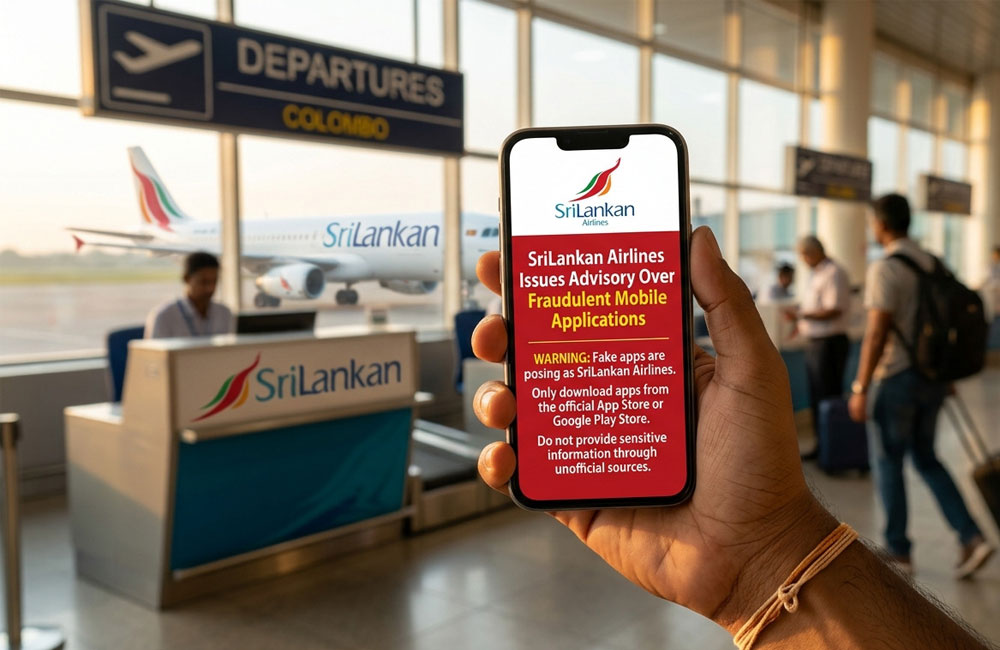
SriLankan Airlines issues advisory over fraudulent mobile applications
Sri Lankan Airlines has issued an urgent advisory warning passengers against downloading fraudulent mobile applications attempting to impersonate the national carrier.
The public notice was released in Colombo on Monday to protect travelers from financial scams and unauthorized digital platforms.
Company officials instructed the public to avoid downloading software from unverified websites, third-party app distribution platforms, social media links, or instant messaging networks.
Verification measures
The airline clarified that it does not send links via WhatsApp, text messages, emails, or social media urging customers to install software.
It emphasized that official staff will never request sensitive financial credentials, including banking personal identification numbers, credit card details, or one-time passwords from passengers.
To ensure digital safety, travelers were advised to obtain the genuine application exclusively from the official Apple App Store or Google Play Store.
Users must check that the listed publisher name displays SriLankan Airlines Limited before installing or updating any software on their devices.
The airline reiterated that authentic promotional campaigns, booking facilities, and digital services are hosted solely through its official web portal, verified social media handles, and official mobile program.
Individuals who spot suspicious software are urged to avoid entering personal data and report the platforms directly to customer support.
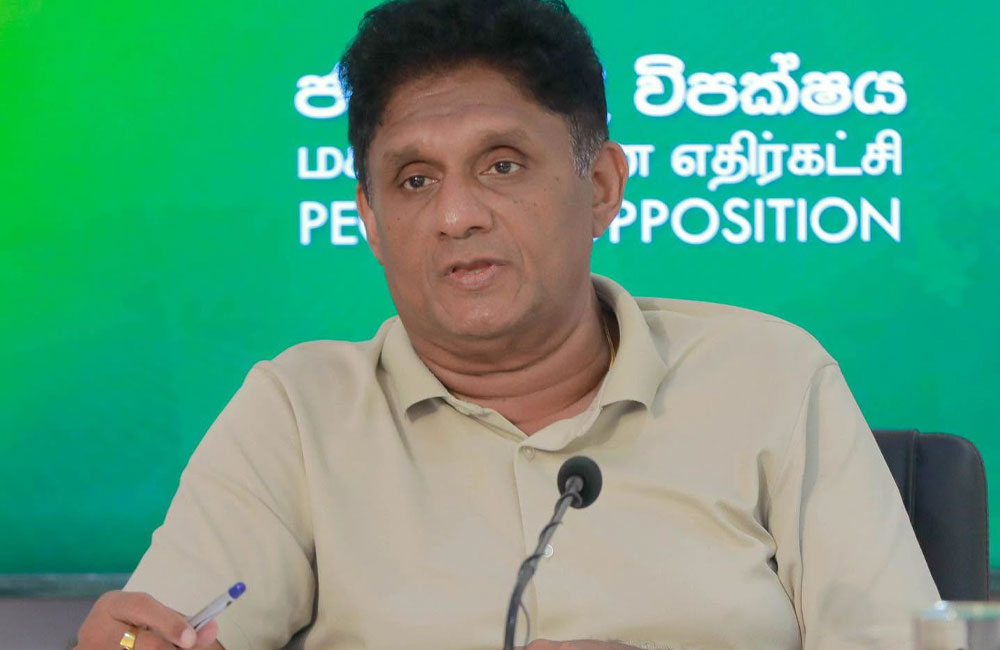
Opposition Leader proposes Constitutional amendment to grant elephants fundamental rights
Opposition Leader Sajith Premadasa has proposed amending Sri Lanka's constitution to establish fundamental rights for wildlife and the environment, allowing violations to be directly challenged in court.
The proposal was announced during a meeting with conservationists, researchers, and civil society representatives at the Opposition Leader’s Office in Colombo on Sunday (18).
The move follows the death of Kavantissa, one of Sri Lanka’s most renowned wild tuskers, who died on 16 October after weeks of treatment for a gunshot wound.
Legal Reforms
Premadasa said that existing constitutional protections remain inadequate because environmental duties under the Directive Principles of State Policy lack legal enforceability.
He argued that extending fundamental rights to animals, plants, and ecosystems would allow citizens to pursue direct judicial remedies against environmental harm.
Addressing the demise of Kavantissa, the Opposition Leader called for a full investigation involving local and international experts to examine post-mortem findings, medical records, and official management.
He confirmed that he would raise formal questions in parliament regarding the elephant's blood test results and treatment procedures.
He said that political leaders often neglect wildlife conservation because animals lack voting power, urging the public to unite across political lines to demand administrative accountability.
Infrastructure and Habitat Protection
To prevent future losses, Premadasa advocated for a dedicated elephant hospital, a specialized veterinary response team, and enhanced security units for iconic tuskers such as Mahasen and Agbo.
He highlighted the need for a national land-use plan to safeguard critical corridors and habitats across Wilpattu, Wilachchiya, Thabbowa, Anamaduwa, and Kahalla-Pallekele.
He further proposed creating a comprehensive national elephant database built on data supplied by wildlife photographers, field researchers, and local conservation groups.
The Opposition Leader pointed out that operational conflicts, severe staff shortages, and limited resources continue to hamper the Department of Wildlife Conservation.
He urged authorities to upgrade veterinary services, introduce compulsory environmental education in schools, and enforce anti-poaching laws with the same intensity applied to drug trafficking.
Stakeholder Action and Future Measures
Meeting attendees formally established the Kavantissa Elephant Protection Organization, a community-driven initiative uniting conservationists, enthusiasts, and civil society leaders.
Premadasa announced that forty-five minutes of the next Parliamentary Forum on Climate Change would be allocated specifically to wildlife protection strategies.
He invited field experts and civil society groups to submit evidence-based proposals and actionable policy guidelines ahead of the upcoming legislative session.
Page 1 of 784