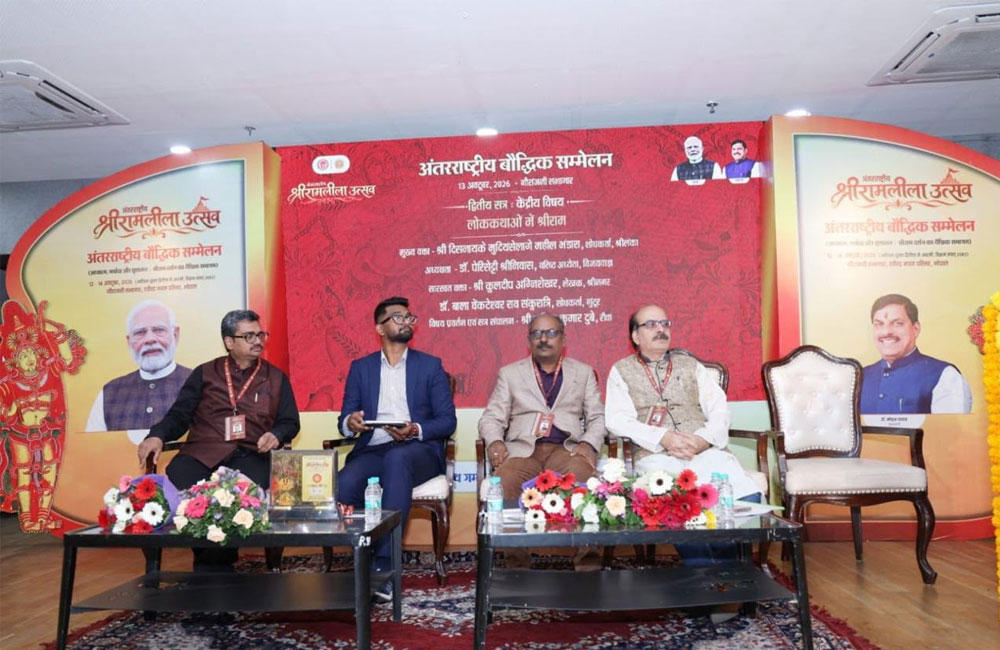
Sri Lankan international relations and cultural diplomacy researcher Maheel Bandara highlighted the enduring cultural, philosophical and civilizational connections between Sri Lanka and India through his participation in the Bhopal Intellectual Conference and subsequent engagements with prominent Indian cultural and public figures in New Delhi.
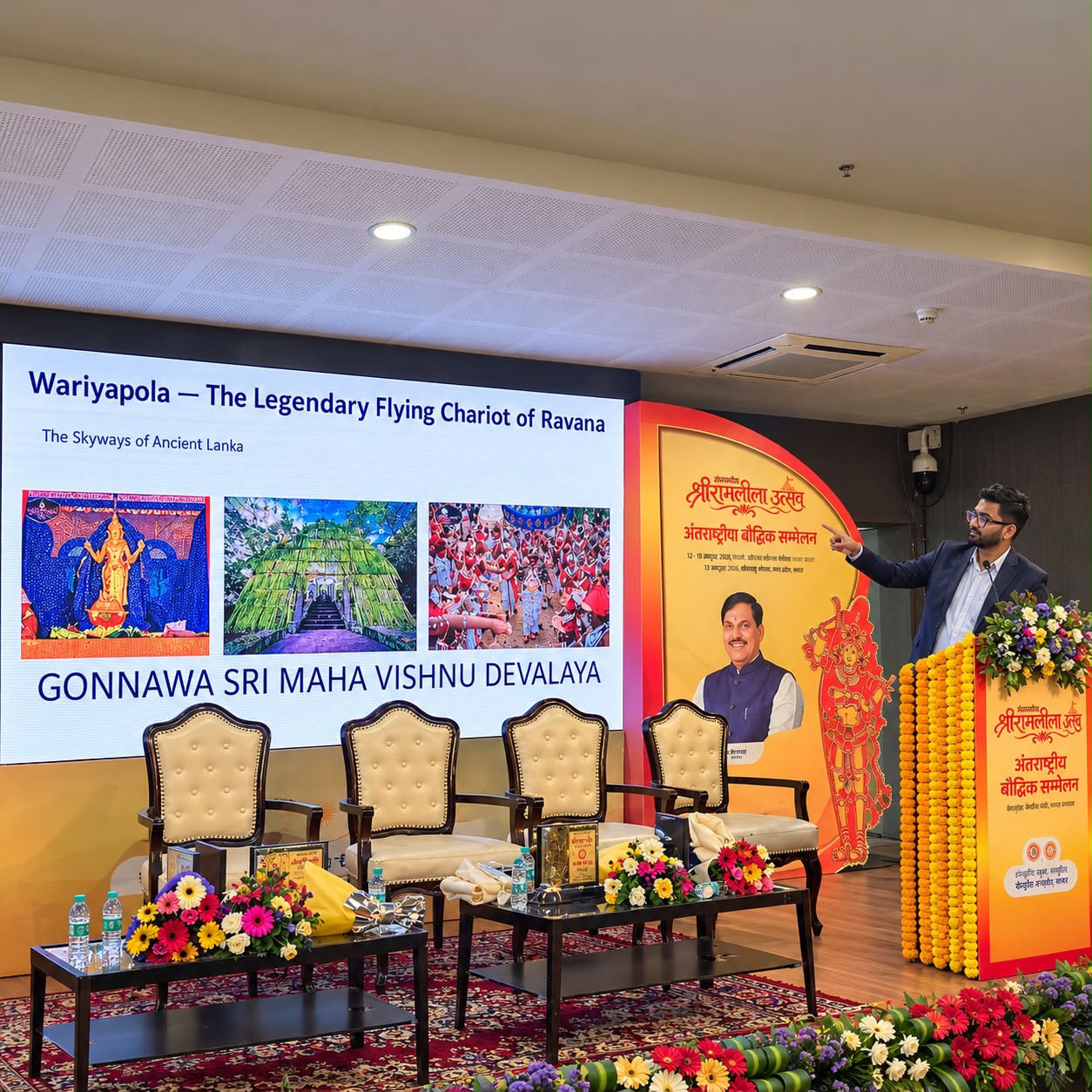
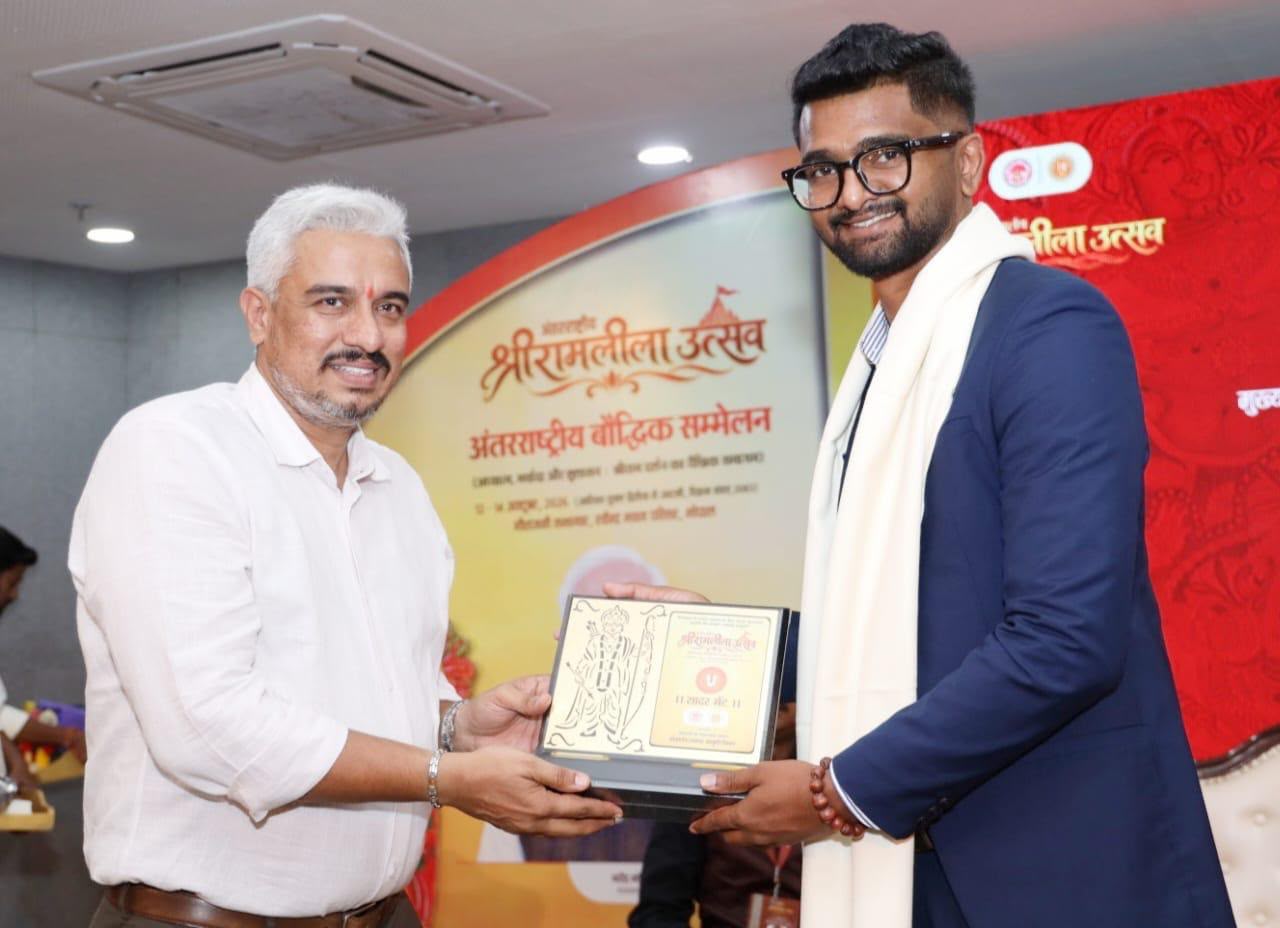
At the International Intellectual Conference held in Bhopal on October 13, Bandara delivered a presentation titled “Rama - Rawana in Folk Narratives in Sri Lanka,” exploring the influence of the ancient epic on Sri Lanka’s indigenous folklore, sacred geography, religious traditions and collective cultural memory.
His address examined how narratives associated with Rama, Sita, Lakshmana, Hanuman and Ravana have evolved through generations of storytelling, acquiring distinctive meanings within Sri Lankan communities while retaining their connections to the broader cultural heritage of the Indian subcontinent.
Addressing an international audience, Maheel Bandara emphasized that the relationship between Sri Lanka and India extends beyond contemporary diplomacy and geographical proximity, reflecting centuries of religious exchange, philosophical inquiry, cultural interaction and shared traditions.
He highlighted the importance of understanding Sri Lankan folklore as a living cultural heritage rather than merely a reproduction of established literary narratives.
Reflecting on the philosophical achievements of ancient South Asian civilizations, Maheel Bandara drew attention to the intellectual traditions associated with Buddhism, Hinduism and other religious philosophies, particularly their explorations of consciousness, spirituality and the relationship between the mind and the physical body.
“Most of us in Sri Lanka are Buddhists, just as many people in India follow Hinduism, alongside other religious traditions. Thousands of years ago, our civilizations were already exploring profound questions about the distinction between the mind and the physical body. Understanding such a complex concept demonstrates how intellectually advanced the civilizations of the Indian subcontinent were thousands of years ago. If a Western philosopher or anyone else claims that they came here to civilize us, show them the Ramayana,” Bandara remarked.
He argued that the Ramayana represents more than an enduring literary and religious tradition, serving also as an important gateway to understanding the philosophical depth, cultural achievements and intellectual heritage of ancient South Asia.
His presentation explored Sri Lankan traditions associated with Lord Vishnu, Vibhishana and God Sumana Saman, alongside the legendary four communities of ancient Hela—the Yaksha, Raksha, Naga and Dewa—which are traditionally associated with the term “Siv Hela” and its later linguistic connection with “Sinhala” in Sri Lankan cultural narratives.
Bandara also examined regional folklore surrounding King Ravana and the legendary kingdom of Lankapura, highlighting the cultural significance of geographical landmarks such as Lakegala, Yahangala and Kaikawala. Through these examples, he illustrated how sacred landscapes, indigenous beliefs and oral traditions continue to shape Sri Lanka’s cultural identity and collective memory.
He further explored traditional accounts of ancient technologies and indigenous knowledge attributed to Ravana’s era, including legends of flying chariots associated with Wariyapola and stories of underground tunnels connecting distant caves and mountainous regions.
In discussing the Wariyapola traditions, he also highlighted the continuing religious and cultural significance of the Gonnawa Sri Maha Vishnu Devalaya, an ancient shrine traditionally associated with royal patronage, which remains a place of worship and a living link to Sri Lanka’s heritage.
He connected these narratives with the island’s longstanding traditions of indigenous medicine and the cultural importance of locations associated with medicinal plants, including Mihintale Osu Uyana. While distinguishing folklore and traditional beliefs from historically established evidence, Bandara emphasized that such narratives remain valuable for understanding the island’s ancestral memory, spiritual traditions and cultural imagination.
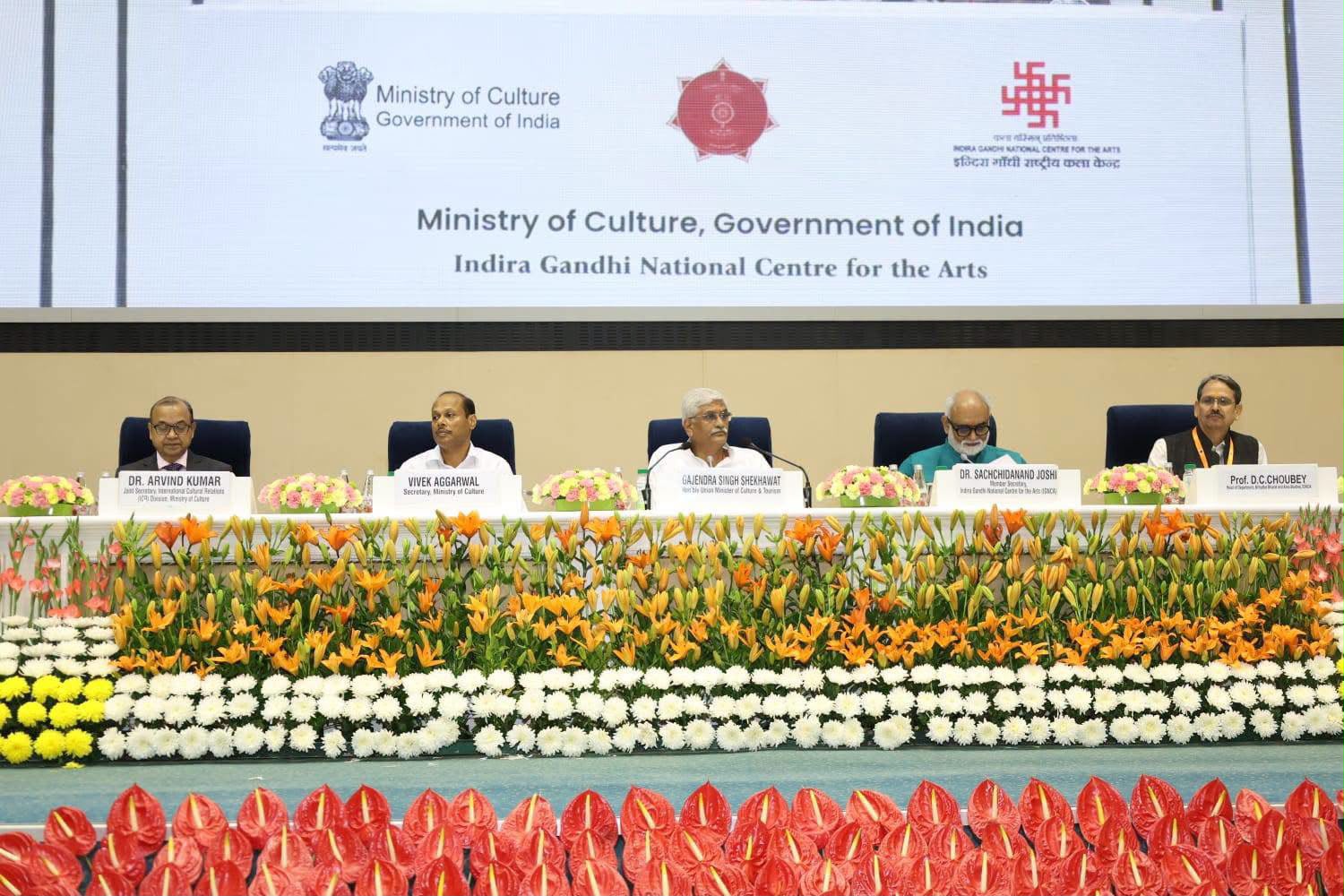
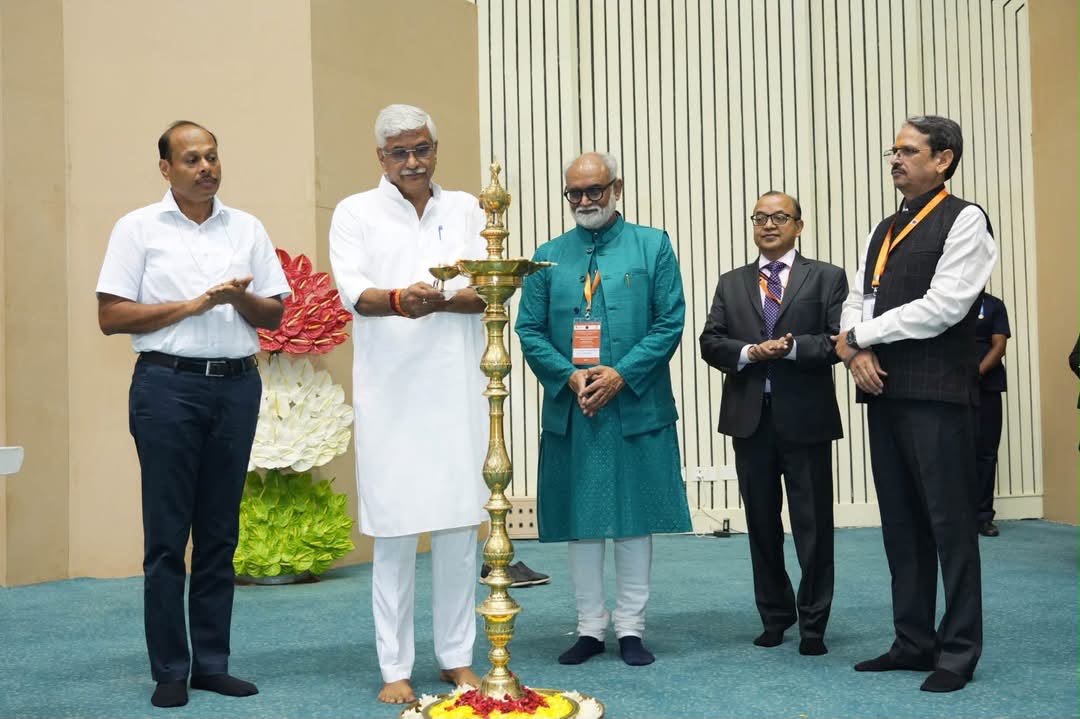
Following the Bhopal Intellectual Conference, Maheel Bandara attended the launch of the Brihattar Bharat – Global Engagement Scheme in New Delhi, an initiative aimed at strengthening India’s cultural connections with communities across the world.
The programme was launched under the leadership of Hon. Gajendra Singh Shekhawat, India’s Minister of Culture and Tourism, and chaired by Dr. Sachchidanand Joshi, Secretary of the Indira Gandhi National Centre for the Arts (IGNCA).
Bandara described the initiative as a significant step towards deepening international cultural engagement, promoting shared civilizational heritage, and fostering meaningful cultural connections between India and the global community.
During the event, Bandara had the opportunity to meet Gajendra Singh Shekhawat, India’s Minister of Culture and Tourism, and Dr. Sachchidanand Joshi, Secretary of the Indira Gandhi National Centre for the Arts (IGNCA). On the occasion, he shared a photograph of Ram - Setu taken by Dr. Bala Sanskurati, drawing attention to the enduring cultural and civilizational connections between India and Sri Lanka.
Joining Bandara was the Secretary General of the International Buddhist Confederation (IBC), Venerable Shartse Kensur Jangchub Choeden Rinpoche Thero.
Their participation further reflected the importance of dialogue between cultural, religious and intellectual communities in strengthening regional and international understanding.
Bandara also expressed his pleasure at meeting Honarable Sudha Murty, the distinguished Indian author, philanthropist and nominated Member of the Rajya Sabha, India’s upper house of Parliament, appointed by the President of India.
He described the encounter as an honour and a privilege, highlighting the warmth of their conversation and her affection for Sri Lanka.
During their interaction, Honarable Sudha Murty spoke warmly about the island, describing it as “a beautiful country.”
He appreciated her longstanding contributions to literature, education and philanthropy, noting that encounters of this nature create valuable opportunities to strengthen personal connections and reinforce the longstanding friendship between the two countries.
The engagements in Bhopal and New Delhi formed part of Maheel Bandara’s interest in international relations, cultural research and the promotion of Sri Lanka’s heritage on international platforms.
Through his conference presentation and interactions with Indian political, cultural and intellectual figures, he sought to emphasize the importance of recognizing the diverse traditions that connect the two nations.
Bandara expressed his belief that initiatives such as the Brihattar Bharat – Global Engagement Scheme can contribute significantly to preserving shared heritage, encouraging cultural research and fostering meaningful relationships among nations. He also underscored the value of strengthening people-to-people connections alongside formal diplomatic relations, particularly between countries whose histories have been intertwined for millennia.
As Sri Lanka and India continue to explore opportunities for closer cooperation, the preservation and interpretation of their shared cultural heritage remain important avenues for mutual understanding.
Leave your comments
Login to post a comment
Post comment as a guest