News

200 meningitis cases reported across country: Health Bureau
The Health Promotion Bureau today said that around 200 meningitis cases have been reported from several parts of the country, with nearly 50 patients currently receiving treatment in hospitals across four districts.
Speaking at a media briefing today, Community Health Specialist Dr. Thushani Dabarera said the disease was first identified among a group of schoolchildren in the Deniyaya area before spreading to areas including Diyatalawa, Welimada and Rikillagaskada.
She said health authorities have already issued special guidelines to all health sectors and institutions to prevent the disease from spreading further within schools and communities.
Dr. Dabarera noted that although there has been a slight reduction in the number of cases, there remains a risk of further transmission during the upcoming rainy season.
She urged the public to strictly follow health advice and preventive measures.
According to the Epidemiology Unit, the main symptoms of the disease include high fever, headache and vomiting, with symptoms usually appearing between three to seven days after exposure to the virus.
Health officials said most patients recover within seven days if proper medical advice and hygiene practices are followed.
Authorities said the disease mainly spreads through contaminated food and water, while it can also be transmitted through droplets released when an infected person coughs or sneezes, as well as through close contact.
The public has been advised to drink boiled water and avoid crowded places where infected individuals may be present.
Dr. Dabarera also called on parents to seek immediate medical attention if children show symptoms and urged them not to send sick children to school until they have fully recovered.
(Dailymirror.lk)

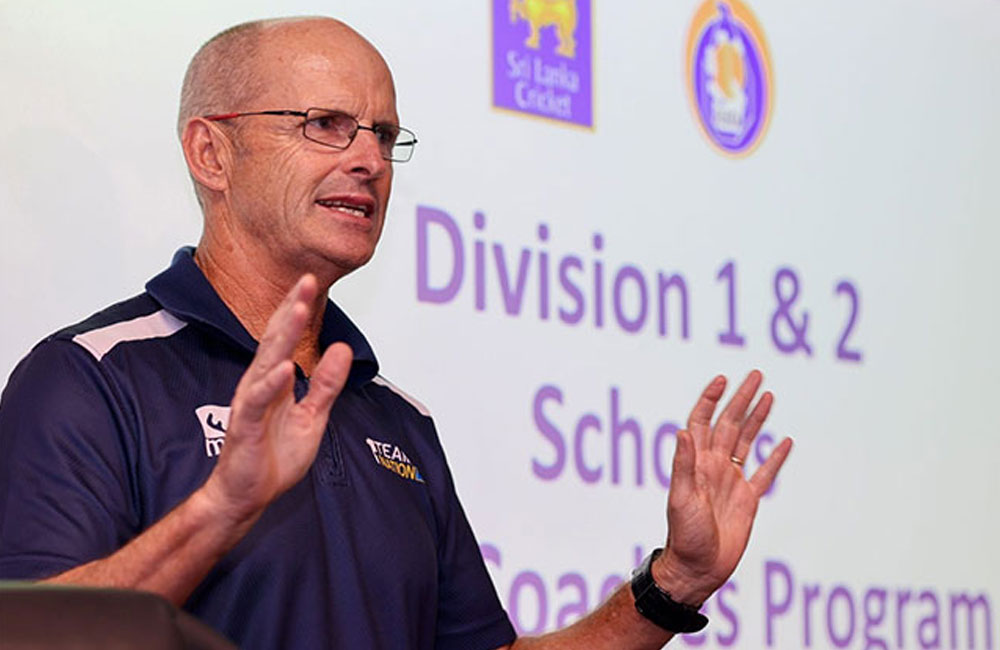
SLC launches program to enhance coaching standards of school cricket
Sri Lanka Cricket (SLC) said it has launched a special program aimed at educating and developing school cricket coaches in the country under the direction of the Cricket Transformation Committee.
The inaugural session of the program was held on Monday (25), at the High Performance Center of the SLC with the participation of 74 coaches representing Division ‘1’ and ‘2’ schools, according to a statement issued by the SLC.
The Head Coach of the Sri Lanka Men’s Team, Gary Kirsten, conducted a two-hour session for the participating coaches.
During the session, Kirsten shared valuable insights into modern coaching methods and highlighted key areas coaches should focus on in order to nurture talented and promising young cricketers, the statement said.
He emphasized the importance of creating a friendly and supportive environment for children while teaching them cricketing skills. Kirsten also noted that coaches must continuously improve their own skill levels in order to develop successful players.
He encouraged school coaches to focus more on producing good cricketers rather than simply concentrating on winning matches.
Joining Kirsten at the program were National Bowling Coach Ryan van Niekerk and National Fielding and Spin Bowling Coach Jordan Gregory, who also shared their expertise and experiences with the school coaches, SLC said.
Chairman of the Cricket Committee of Sri Lanka Cricket, Sidath Wettimuny, who is also a member of the Cricket Transformation Committee, did the introductory speech of the program.
The program also featured an interactive Question-and-Answer session, giving participants the opportunity to engage directly with Gary Kirsten and further enhance their knowledge, it added.
This program will continue periodically, with the objective of developing highly skilled and knowledgeable coaches within the Sri Lankan school cricket system.
(Adaderana.lk)
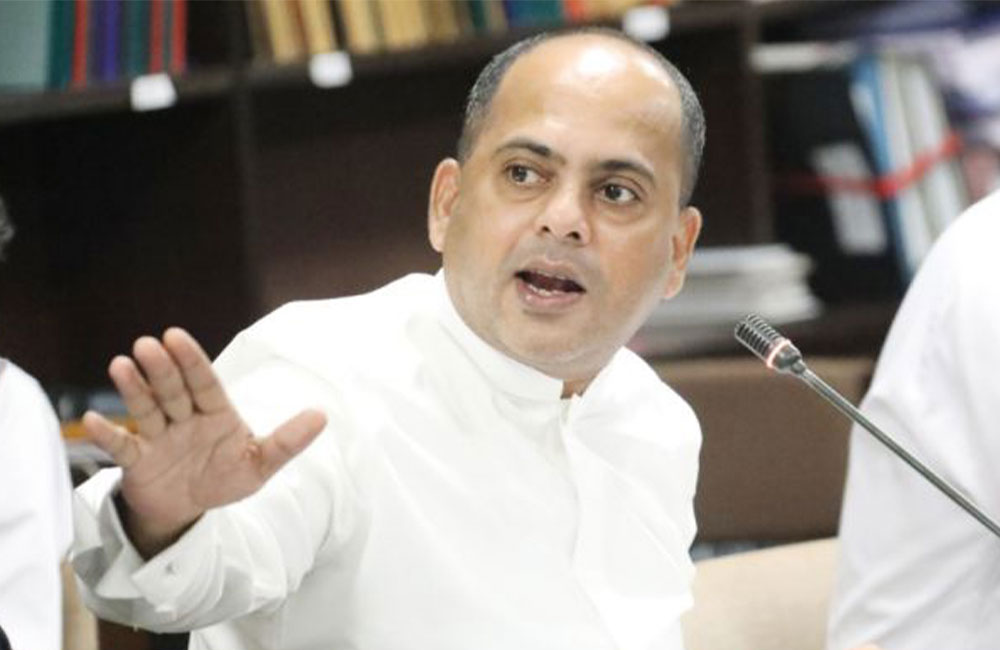

Major film union in India calls for boycott of superstar Ranveer Singh
Fans of Bollywood actor Ranveer Singh are reacting with shock after a major film workers' union asked its members not to work with him over his alleged abrupt exit from the upcoming movie Don 3.
The Federation of Western India Cine Employees (FWICE), a major Bollywood workers' association representing thousands of film and TV crew members, said producers had already spent about 450m rupees ($4.7m; £3.4m) on pre-production when Singh allegedly withdrew from the film.
FWICE said it repeatedly asked Singh to explain his position, but that he refused.
The actor has not commented on the dispute but reports say his team questioned whether FWICE had the authority to compel him to appear before it.
The BBC has reached out to Singh's team for comment.
FWICE president BN Tiwari said the union had decided to issue a "non-cooperation directive" against the actor until he agreed to meet its representatives.
"We've decided to send a message to the industry that a superstar is not bigger than the rules," he said.
The move does not amount to a formal ban, but it has still drawn widespread attention because of Singh's stardom and also because of the popularity of the Don franchise, one of the industry's best-known action series.
First made famous by Amitabh Bachchan in 1978, the films centre on a charismatic and elusive underworld figure determined to build a global criminal empire.
It was later rebooted by filmmaker Farhan Akhtar with Shah Rukh Khan in the lead role.
Don 3, announced in 2023, was set to continue the franchise with Singh taking over as the new lead.
The row has also reignited discussion around Singh himself - one of India's biggest film stars, known for hits including Padmaavat and Gully Boy, and his flamboyant, larger-than-life personality.
Most recently, he starred in Dhurandhar, a two-part spy thriller which was one of the country's biggest box-office successes in recent years.
The controversy began after Akhtar lodged a complaint against Singh with FWICE, according to union official Ashoke Pandit.
Pandit alleged Singh withdrew from the film about three weeks before shooting was due to begin, after producers had already spent a lot of money on prepping and overseas schedules.
In response, FWICE asked its members to boycott the actor until he met the union to explain his position.
In a statement carried by several Indian media outlets, a spokesperson for the actor reportedly said that Singh had the "highest regard" for the film industry and the Don franchise, and had consciously chosen to remain silent on the matter. The BBC has asked the actor's team if the statement was issued by him but has not received a response yet.
Singh is not the first Bollywood actor to face a non-cooperation directive from FWICE, although such action against major stars is relatively rare.
The union has previously urged Indian artists not to work with Pakistani performers during periods of military tension between the two countries. In 2025, it issued a similar directive against actor-singer Diljit Dosanjh after he appeared alongside Pakistani actor Hania Aamir in a popular Punjabi comedy.
Reaction online to the latest dispute has been divided. Some social media users questioned whether Singh was being unfairly targeted, pointing out that he was not the first Bollywood actor to exit a film.
Others backed the producers, arguing that large-scale productions involve major financial commitments that can be disrupted by last-minute exits, and that Singh was "paying the price for being unprofessional".
It is not the first time the actor has found himself at the centre of public controversy.
In 2025, Singh faced backlash after mimicking a ritual sequence from the hit Kannada film Kantara during a film festival event. Critics accused him of disrespecting the cultural significance of the scene. He later issued an apology.
Earlier in his career, in 2015, he was among the celebrities caught up in the fallout from a controversial comedy roast that sparked police complaints and a wider debate about obscenity and free speech.
(BBC)
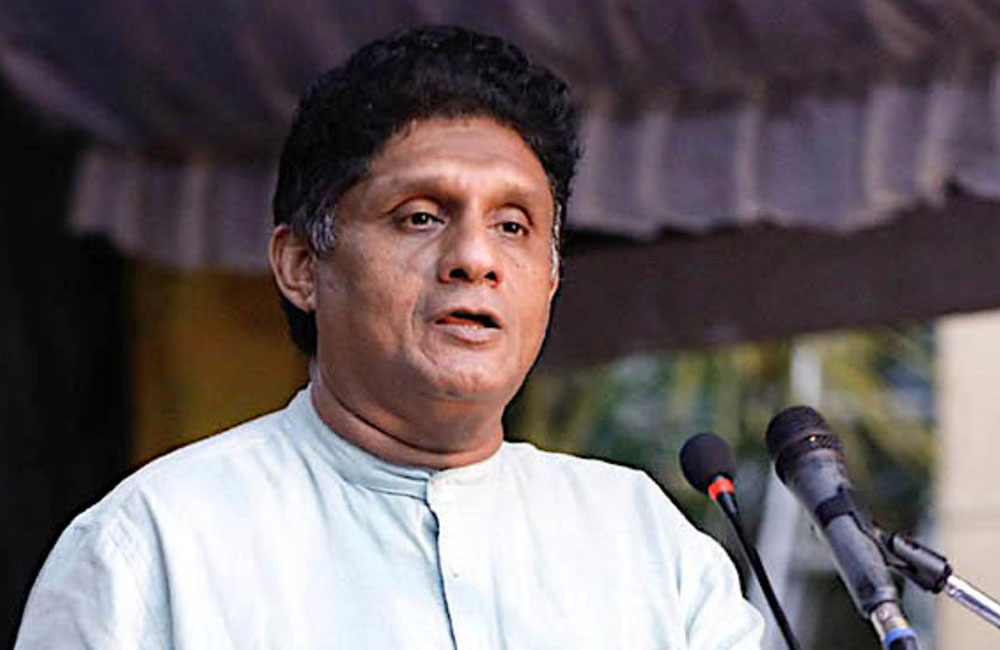
‘Sri Lanka heading toward serious economic risk,’ warns Sajith Premadasa
Opposition Leader Sajith Premadasa has warned that Sri Lanka is facing a serious economic risk, alleging that the government is misleading the public with “false statistics” instead of revealing the true state of the economy.
He made these remarks during a meeting with social media activists held at the headquarters of the Samagi Jana Balawegaya (SJB).
Premadasa claimed that the government, led by President Anura Kumara Dissanayake, continues to conceal the country’s economic vulnerabilities while increasing the prices of essential commodities such as fuel and milk powder.
He stated that rising fuel and milk powder prices are clear indicators of the prevailing economic crisis and stressed that the public must be made aware of the situation.
According to internationally accepted economic standards, foreign reserves should be sufficient to cover at least three months of imports, Premadasa stated.
He pointed out that although the President claims the country has USD 7 billion in reserves, Sri Lanka spends approximately USD 2 billion per month, meaning at least USD 6 billion is required to cover three months of imports.
Premadasa further emphasized that the depreciation of the rupee and rising fuel prices are reducing the country’s ability to maintain that level of reserves.
Premadasa also claimed that although the reserves include Chinese Yuan worth 1.2 billion, those funds are not readily usable, leaving only around USD 5.8 billion effectively available.
Referring to fuel prices, he stated that the price of Octane 95 petrol had reached Rs. 470 per liter in 2022, while it is currently being sold at around Rs. 410 per liter. He warned that any further increase in global oil prices could push the country toward bankruptcy.
The Opposition Leader further said that although foreign remittances have increased in recent months, the ongoing conflict in the Middle East could destabilize regional economies and result in job losses for migrant workers, thereby reducing remittance inflows.
He also warned that once Sri Lanka’s agreement with the International Monetary Fund (IMF) concludes in March 2027, the country will lose the stabilizing support provided by international financial institutions.
Premadasa cautioned that a decline in remittances, combined with rising oil prices and further depreciation of the rupee, could trigger a severe economic crisis.
He further noted that Sri Lanka’s foreign debt repayments are expected to increase from USD 1.5 billion to USD 3.5 billion annually from 2028 onward, emphasizing the urgent need to strengthen foreign reserves.
According to Premadasa, the IMF has recommended that Sri Lanka maintain reserves of around USD 13.4 to 14 billion, but the country currently holds only around 50% of that target.
He added that Sri Lanka would need to increase reserves by approximately USD 600 million per month to reach the target, while current monthly reserve growth stands at only around USD 60 million.
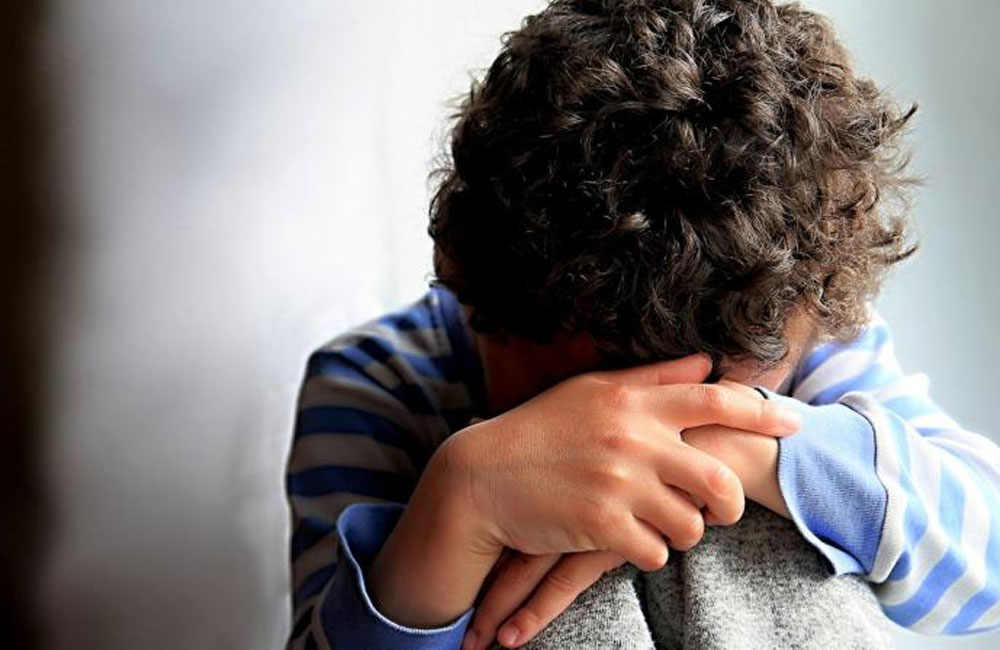
20-day-old infant allegedly sold for Rs. 100,000; mother and woman arrested
A 25-year-old mother accused of selling her 20-day-old infant for Rs. 100,000, along with a woman alleged to have bought the baby were arrested by officers attached to the Puttalam Divisional Crime Investigation Unit, the Sri Lanka Police said.
The arrests were made following investigations into an incident reported from the Kammandaluw area in Pallama. Police said the infant had allegedly been handed over to a woman residing in the Kadayamottai area of Madurankuliya, with the transaction reportedly carried out by the husband of the woman for a sum of Rs. 100,000.
Investigators revealed that the young mother had been in a relationship with a man said to be addicted to liquor and that the couple had been facing severe financial hardship. Owing to their inability to care for the newborn, the baby had allegedly been sold shortly after birth.
Police further stated that the woman who received the child had been married for over 18 years but did not have a child. Acting on information, the couple had allegedly arranged to take custody of the infant after paying the agreed amount once the woman gave birth.
However, police pointed out that the transfer of the child had taken place outside the legally accepted adoption procedures required under Sri Lankan law. As a result, the biological mother, the woman who bought the child, and several others connected to the incident were taken into custody.
Further investigations are being conducted by the Puttalam Divisional Crime Investigation Unit.
(DailyMirror.lk)
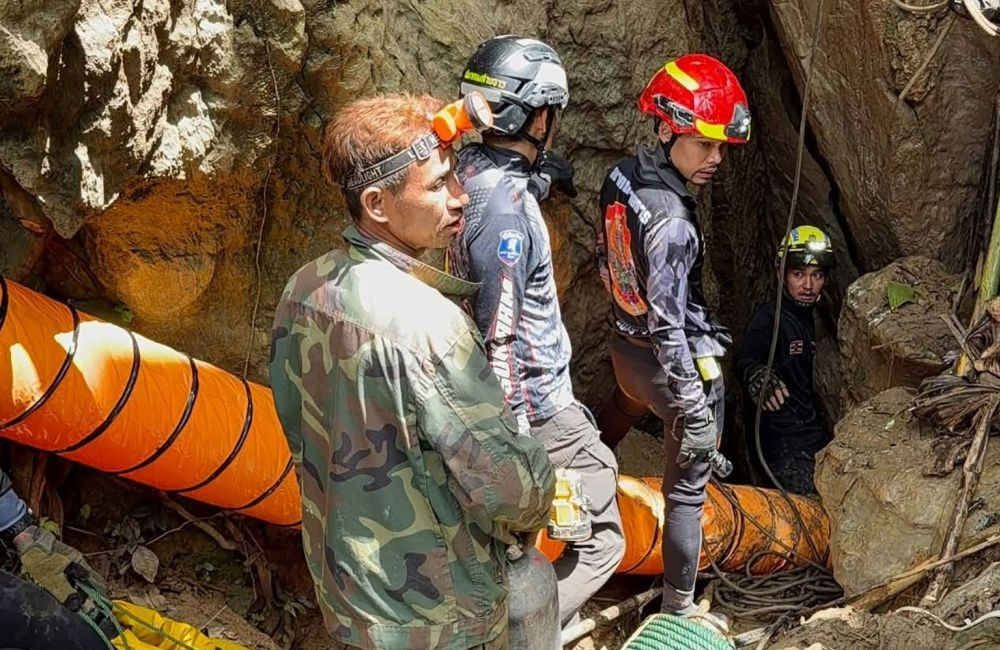
Rescuers race to free seven people trapped in flooded Laos cave
Rescuers are racing against time to free seven people who have been trapped for nearly a week in a flooded cave in Laos.
The seven were part of a group of villagers from the central province of Xaysomboun who had gone into the cave on Wednesday in search of gold and wildlife, but could not get out as rain and landslides blocked the cave’s entrance.
Footage shared by the rescue groups show the cave divers crawling into the cave through narrow, muddy passageways that are almost completely flooded.
Several experts involved in the dramatic rescue of a team of teenage footballers trapped deep inside a Thai cave back in 2018 are among those helping with the current rescue effort.
A survivor who had managed to escape alerted the authorities about those still trapped, according to reports.
The cave in question is frequented by villagers looking for gold deposits, Bounkham Luanglath, who leads the Laos’ Rescue Volunteer for People, told the Associated Press.
The cave system, which extends deep underground, is also extremely narrow, with some chambers measuring only about 50cm (20in) wide, rescuers say.
Rescuers are working to pump water out of the cave.
They managed to clear out some rocks at the front of the cave on Monday and were able to survey the deeper sections of it, but water levels have continued to rise, preventing them from going further, rescuers say.
They have not detected any signs of life so far, but Kengkard Bongkawong of the Thai rescue group Metta Tham Rescue believe they are reaching close to the point where they believe the people are trapped, saying he estimated they were ‘‘less than 20m (65ft) away’’.
‘‘All day, all night, water was still being pumped out,’’ Kengkard wrote on Facebook last night.
Kengkard was part of the team that helped bring 12 young Thai boys and their football coach to safety after they were trapped for two weeks inside a flooded cave underneath a mountain in Thailand’s Chiang Rai province in 2018.
The extraordinary rescue involved more than 10,000 experts from around the world and drew intense global attention.
Several films and documentaries have been made based on it, including the feature film Thirteen Lives and the documentary The Rescue.
Source: BBC

Vehicle Prices May Rise Temporarily Amid Import Surcharges and Leasing Rule Changes
Vehicle prices in Sri Lanka could see a temporary increase as a result of higher surcharges on imports and fluctuations in exchange rates, according to indications from the Central Bank of Sri Lanka (CBSL), raising concerns among importers over the impact on both businesses and consumers.
Representatives of the Vehicle Importers’ Association of Sri Lanka have urged authorities to provide relief for vehicles that have already been imported or for shipments where Letters of Credit (LCs) had been opened before the latest policy changes took effect.
Vice President of the Association, Arosha Rodrigo, said the reduction in the loan-to-value (LTV) ratio would weaken consumers’ purchasing power and affordability, which could directly limit vehicle imports in the market. He noted that tighter financing conditions may make it more difficult for buyers to purchase vehicles, creating added pressure on the industry.
Meanwhile, Association President Prasad Manage criticized the sudden revision of leasing regulations, pointing out that leasing facilities previously available up to 50 percent had now been reduced to 40 percent. He said the change would make it harder for importers to sell vehicles that had already been brought into the country under earlier market expectations.
Manage further stressed that policy revisions of this nature should have included concessions for vehicles already imported or for transactions where import procedures had already begun, warning that abrupt regulatory shifts could place additional strain on the vehicle import sector.
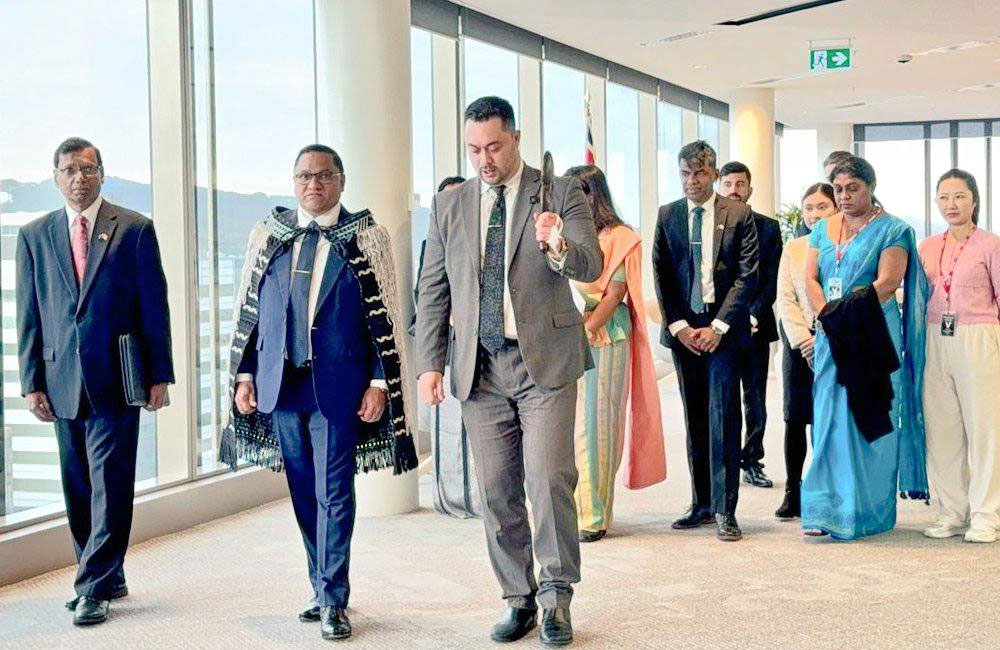
Sri Lanka’s Foreign Minister Receives Historic Māori Welcome in New Zealand
Sri Lanka’s Minister of Foreign Affairs, Foreign Employment and Tourism, Vijitha Herath, was accorded a traditional Māori “Pōwhiri” welcome at New Zealand’s Ministry of Foreign Affairs and Trade, marking a significant moment at the start of his official visit to the country.
Sharing the development on X, Minister Herath said he was honoured to receive the ceremonial welcome, noting that he is the first Sri Lankan Foreign Minister to be extended the traditional Māori reception during an official visit to New Zealand.
The Minister is currently on an official tour of New Zealand and Australia from 26 May to 3 June 2026 at the invitation of the two governments, in a diplomatic mission aimed at strengthening ties and expanding cooperation with both nations.
During the visit, Vijitha Herath is scheduled to hold bilateral discussions with New Zealand’s Minister of Foreign Affairs Winston Peters and Australia’s Minister for Foreign Affairs Penny Wong. The talks are expected to focus on areas of mutual interest and opportunities for enhanced collaboration.
In addition to high-level political meetings, the Foreign Minister will also engage with senior government officials, business leaders, academics, think tank representatives and members of the Sri Lankan community living in both countries.
One of the key highlights of the New Zealand leg of the visit will be the ceremonial opening of the Sri Lanka High Commission in Wellington, a move expected to further deepen diplomatic engagement between the two countries.
The Ministry of Foreign Affairs, Foreign Employment and Tourism stated that the visit is expected to reinforce Sri Lanka’s longstanding relations with New Zealand and Australia while paving the way for closer cooperation across several sectors.



Southwest Monsoon Gains Strength, Heavy Rain and Gusty Winds Forecast Across Sri Lanka
The Department of Meteorology has warned of increasing rainfall as the Southwest Monsoon gradually establishes across the island, with wet weather conditions expected to intensify over the southwestern parts of Sri Lanka.
Showers or thundershowers are forecast at times in the Western, Sabaragamuwa and North-Western provinces, as well as in the districts of Galle, Matara, Kandy and Nuwara-Eliya. Heavy rainfall of around 100 mm is likely at some locations in these areas, raising the possibility of water accumulation and localized disruptions.
The Met. Department also said a few showers or thundershowers may develop in parts of Uva Province and in the districts of Ampara and Batticaloa after 1.00 p.m.
In addition to rainfall, fairly strong winds of 30 to 40 kmph can be expected at times over the western slopes of the central hills, as well as in the Northern, North-Central, North-Western and Southern provinces, including the Trincomalee district.
With changing monsoon conditions bringing both rain and gusty winds, the public has been advised to take necessary precautions to minimize damage from temporary localized strong winds and lightning during thundershowers.
Page 69 of 791