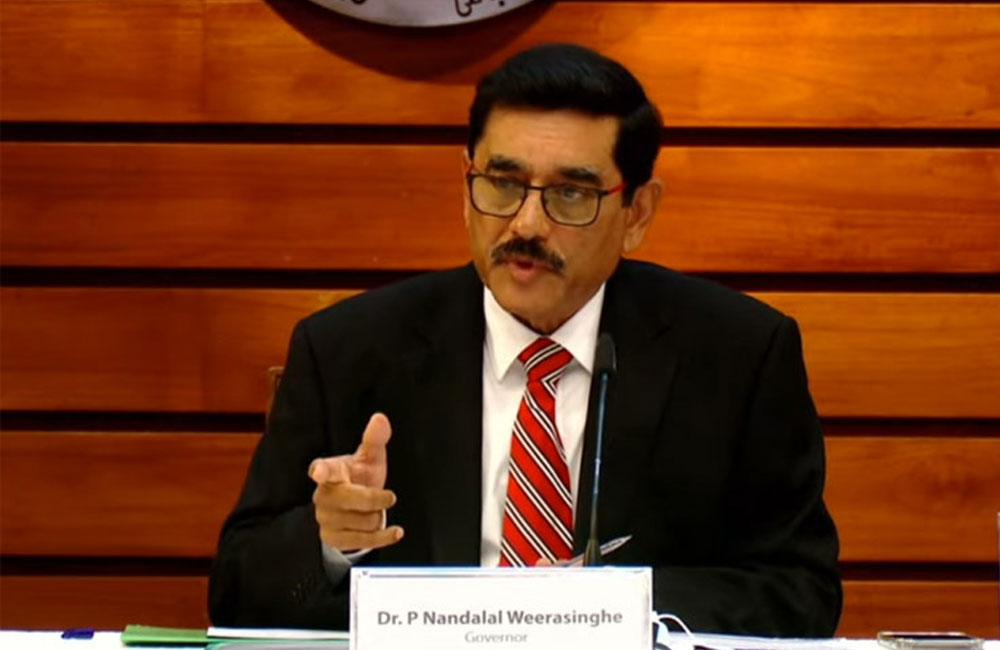
Central Bank Governor Dr. Nandalal Weerasinghe has expressed firm confidence that Sri Lanka will avoid being placed on the Financial Action Task Force grey list for a third time as international evaluators commence a critical review of the nation's financial controls.
The statement was made during an Anti-Money Laundering and Anti-Corruption Thematic Fund event held alongside the IMF-World Bank Annual Meetings in Thailand this week.
International assessors arrived in Colombo to launch a two-week on-site evaluation measuring the operational strength of national anti-money laundering and counter-terrorism financing mechanisms.
Preparatory reforms
Sri Lanka previously suffered grey-listing classifications in 2014 and 2017 before exiting the list in 2019 following technical assistance from the International Monetary Fund.
Preparations for the current assessment rely heavily on the 2023 IMF Governance Diagnostic Assessment, which identified systemic vulnerabilities in domestic governance structures.
National risk assessments conducted across 2024 and 2025 utilised those initial findings to build comprehensive policy defenses ahead of the evaluation.
A series of statutory reforms followed, including the creation of an asset recovery framework under CLIMAC alongside the implementation of a new Anti-Corruption Act.
Legislative updates to public finance laws, Customs administration, Excise management, and the National Audit Act were enacted to overhaul financial oversight.
Corporate governance guidelines were tightened through amendments to the Banking Act, while updates to the Companies Act introduced mandatory beneficial ownership disclosures.
Further statutory revisions to the Financial Transactions Reporting Act, the Prevention of Money Laundering Act, and the Convention on the Suppression of Terrorist Financing Act were implemented in 2026.
Demonstrating practical enforcement
Governor Weerasinghe stressed that enacting modern legislation represents only part of the evaluation criteria.
Enforcement bodies and regulatory institutions must prove to international assessors that statutory powers are actively enforced across the financial system.
The Governor said that demonstrating practical effectiveness remains the primary objective for domestic regulatory authorities.
Support from international development partners and local agencies has bolstered institutional readiness ahead of the final assessment findings.
Global investors, international banks, and multilateral lenders are monitoring the review closely as Sri Lanka seeks to validate its financial integrity.
A successful evaluation outcome will prove vital for maintaining foreign capital flows and sustaining long-term economic stability.
Leave your comments
Login to post a comment
Post comment as a guest