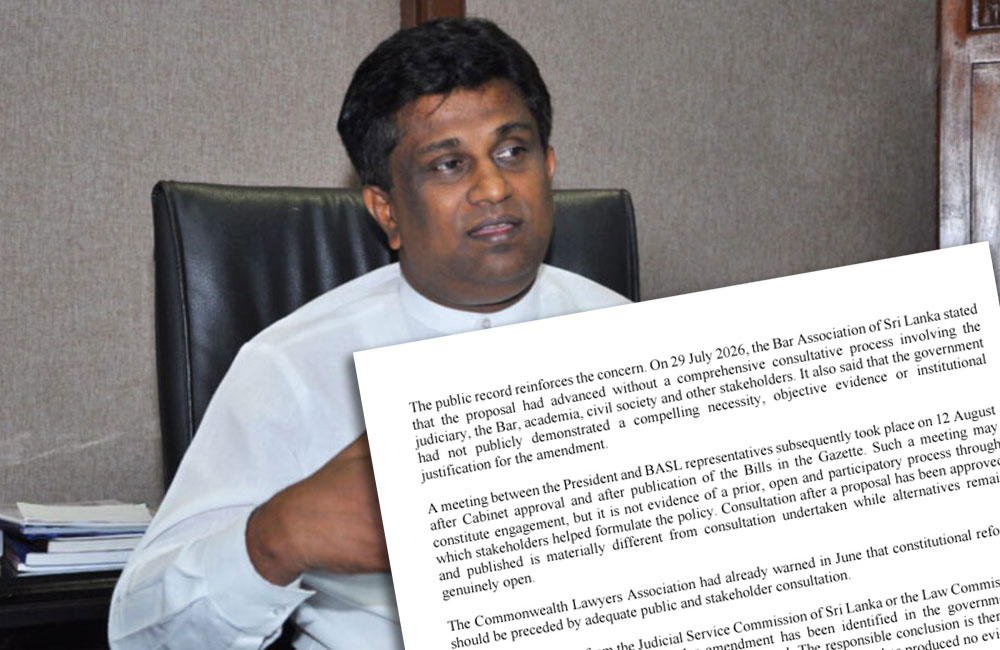
The government has failed to adequately address key international concerns regarding the proposed extension of the retirement age for superior court judges, according to a detailed analysis by Samagi Jana Balawegaya (SJB) Member of Parliament and Attorney-at-Law Ajith P. Perera.
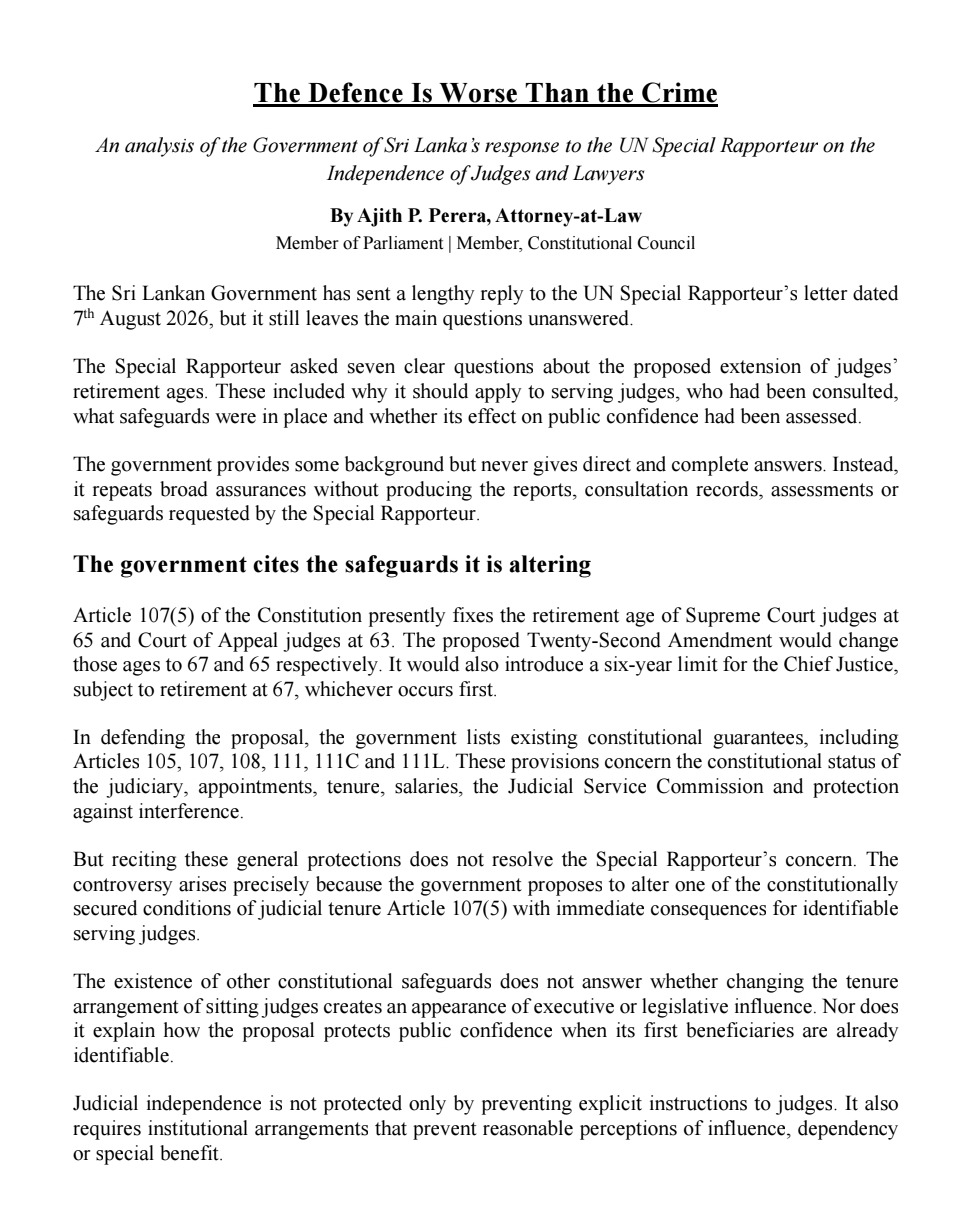
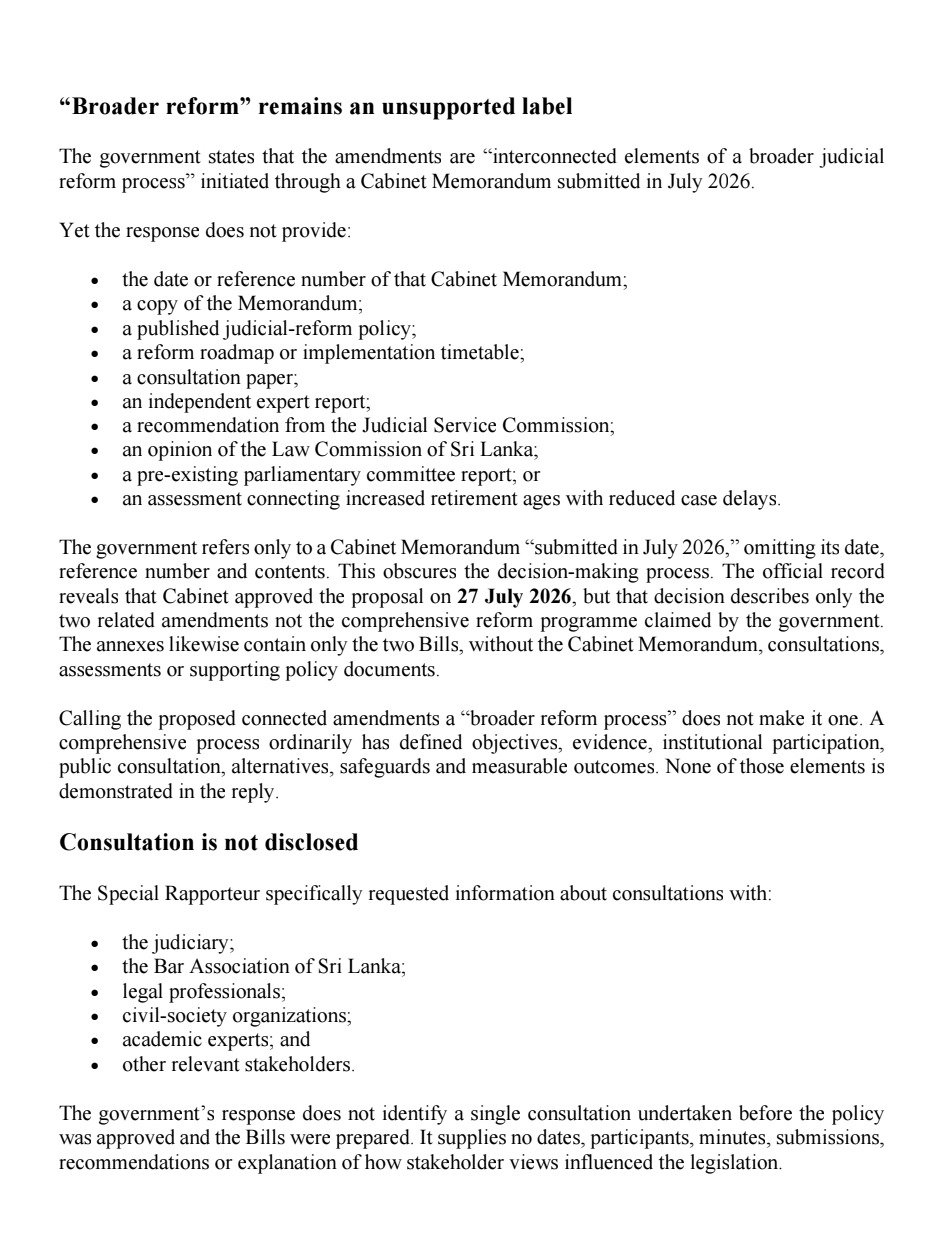
In a document titled “The Defence Is Worse Than the Crime,” which reviewed the government's response to an inquiry sent by the United Nations Special Rapporteur on the Independence of Judges and Lawyers, Perera stated that official explanations left four of the seven central questions unanswered and two only partially addressed.
The controversy centers on the proposed 22nd Amendment to the Constitution, which seeks to increase the retirement age of Supreme Court judges from 65 to 67 and Court of Appeal judges from 63 to 65, while introducing a six-year term limit for the Chief Justice subject to the mandatory retirement age of 67.
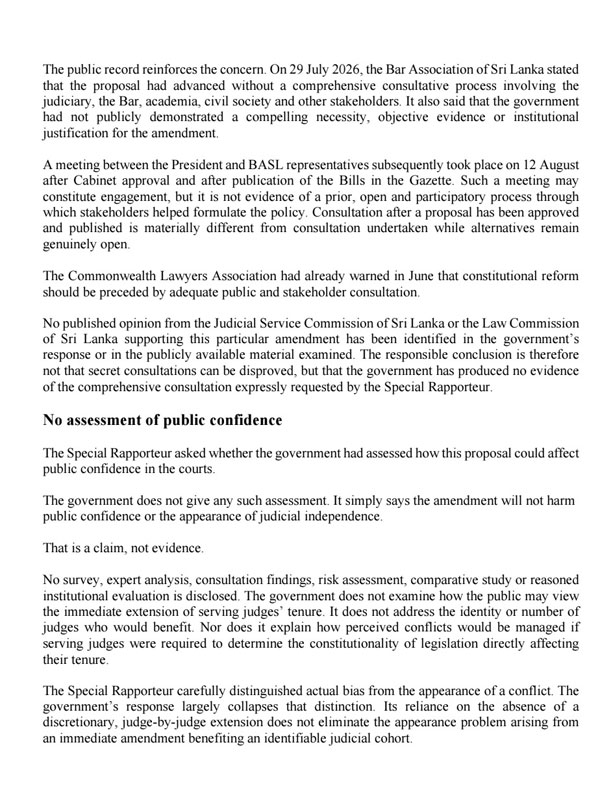
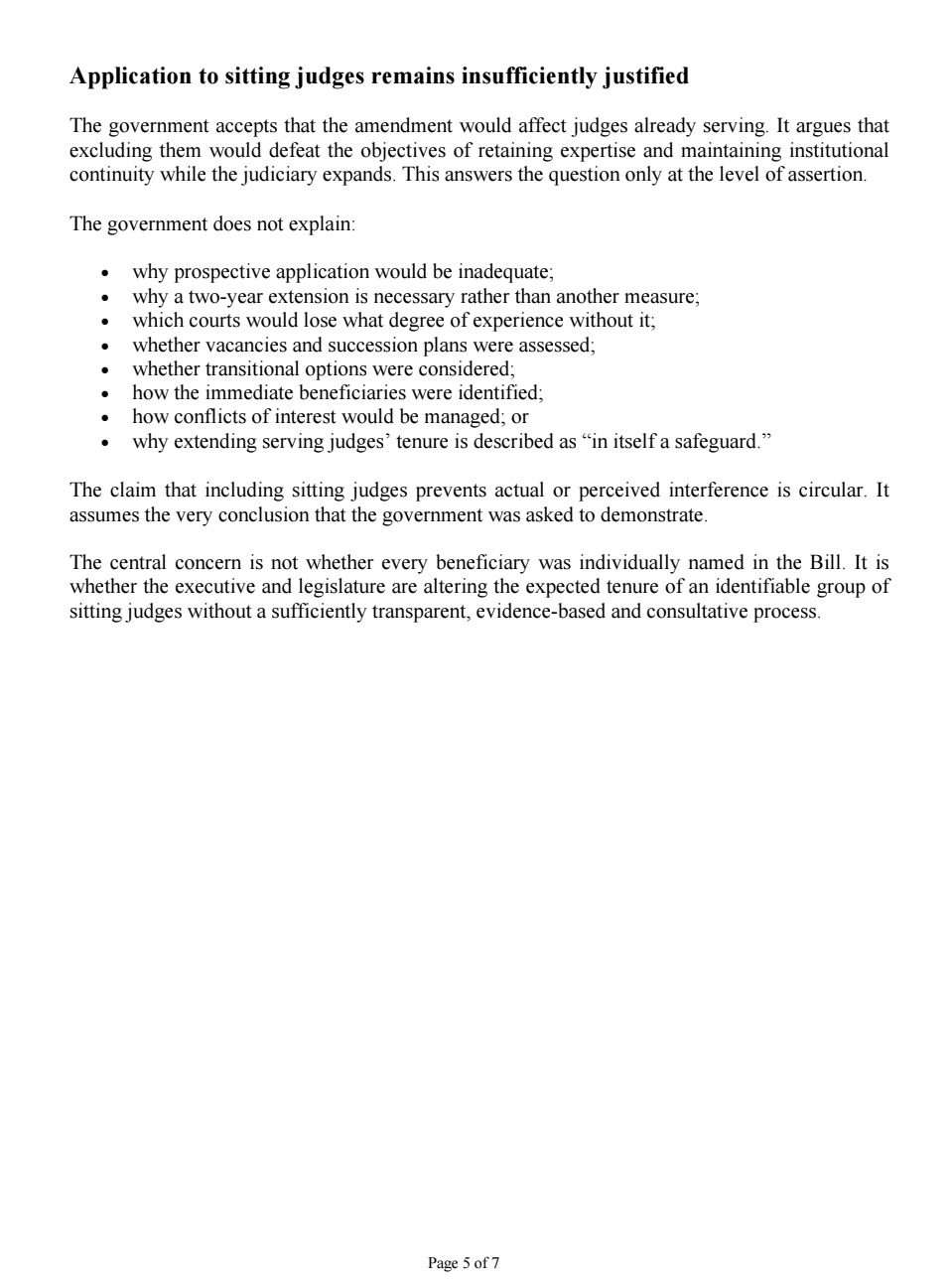
Pepera argued that executive assurances failed to provide evidence of broad-based stakeholder engagement prior to policy approval.
He noted that a meeting between President Anura Kumara Dissanayake and representatives of the Bar Association of Sri Lanka took place after Cabinet had already approved the measures and published the Bills in the Gazette, which did not constitute genuine prior consultation.
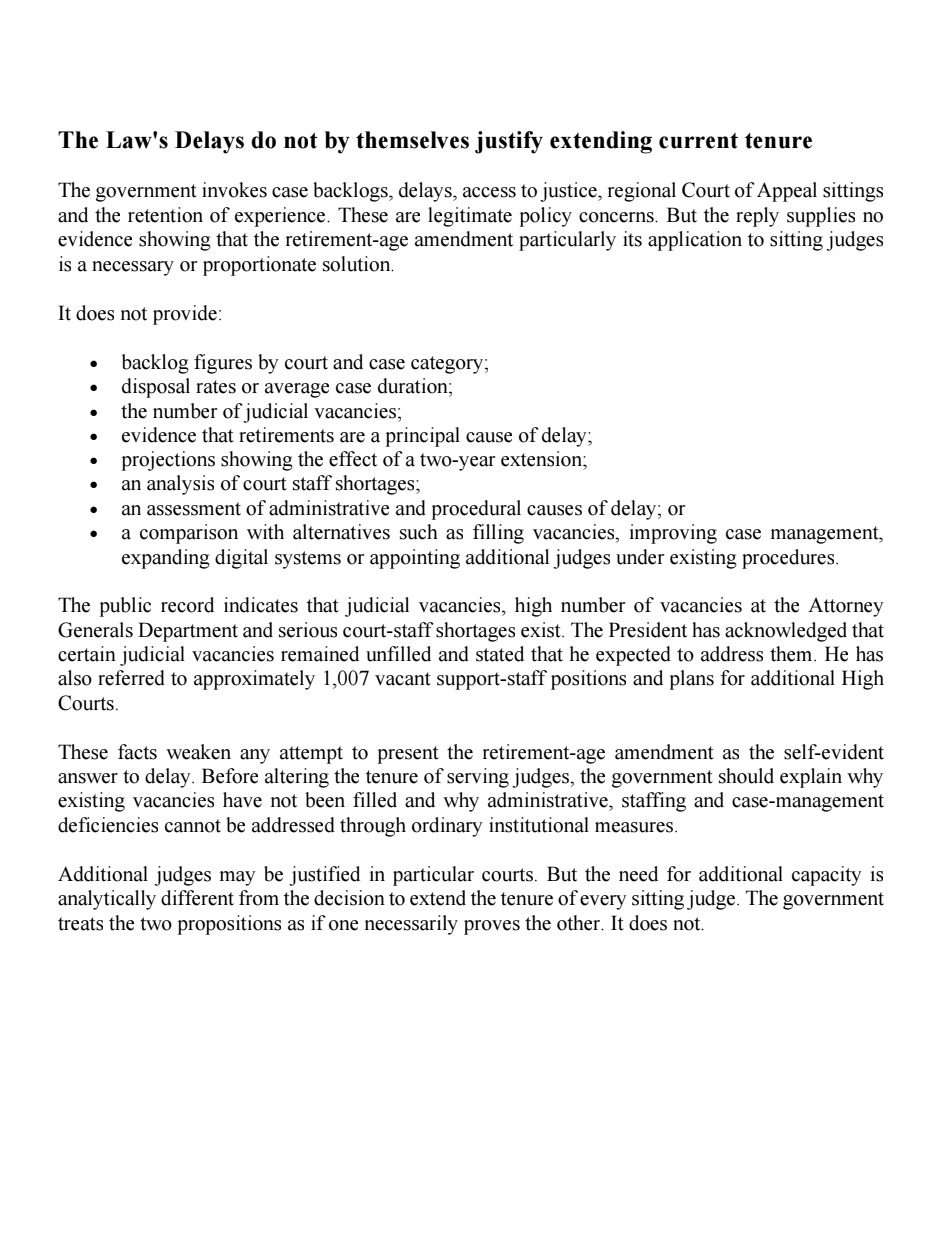
Perera also challenged the government's justification that extending judicial tenure would alleviate severe court backlogs, pointing out that official figures failed to demonstrate how a two-year extension would resolve delays.
Furthermore, he highlighted data indicating that approximately 95 percent of pending cases as of mid-2025 were concentrated in District Courts and Magistrates' Courts rather than the apex courts, leaving the primary source of judicial delay unaddressed by the amendment.
Leave your comments
Login to post a comment
Post comment as a guest