

Palm oil importers and producers along with oil palm cultivators suffered a major blow as Sri Lanka banned imports of the world’s most-consumed cooking oil and ordered to get rid of all the tropical trees in the country in phased manner.
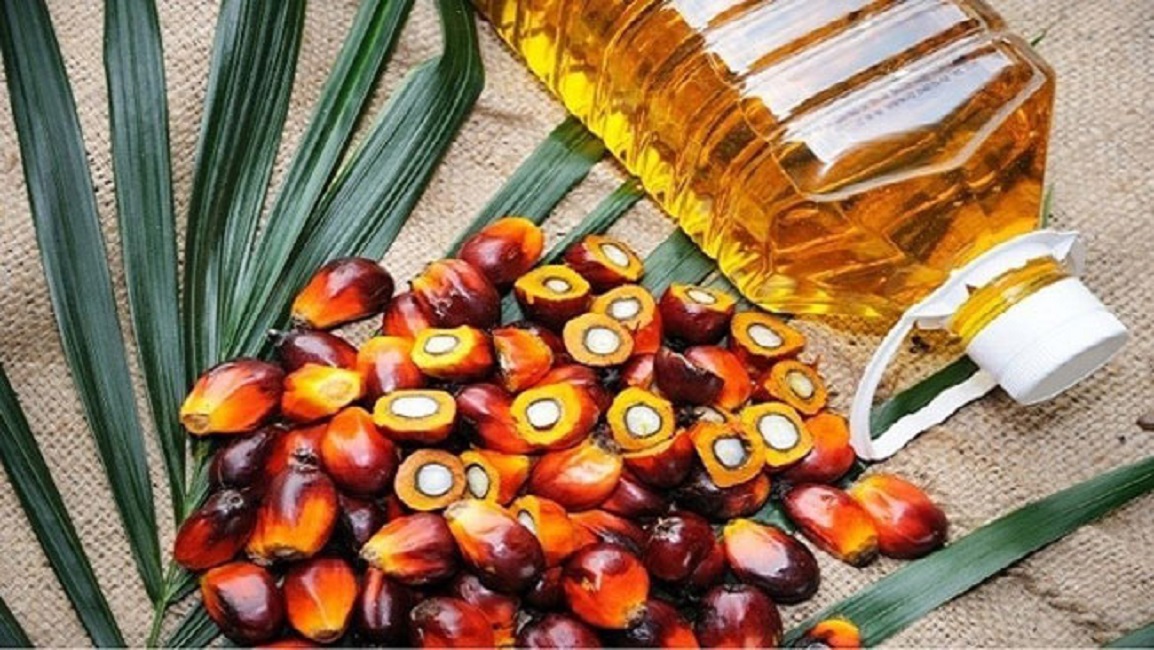
Palm oil importers and producers along with oil palm cultivators suffered a major blow as Sri Lanka banned imports of the world’s most-consumed cooking oil and ordered to get rid of all the tropical trees in the country in phased manner.
Sri Lanka will continue to operate its airports and allow tourists to enter despite the current Covid-19 pandemic, Tourism Minister Prasanna Ranatunga said, adding that the process will be carried out under the instructions issued by the health sector.
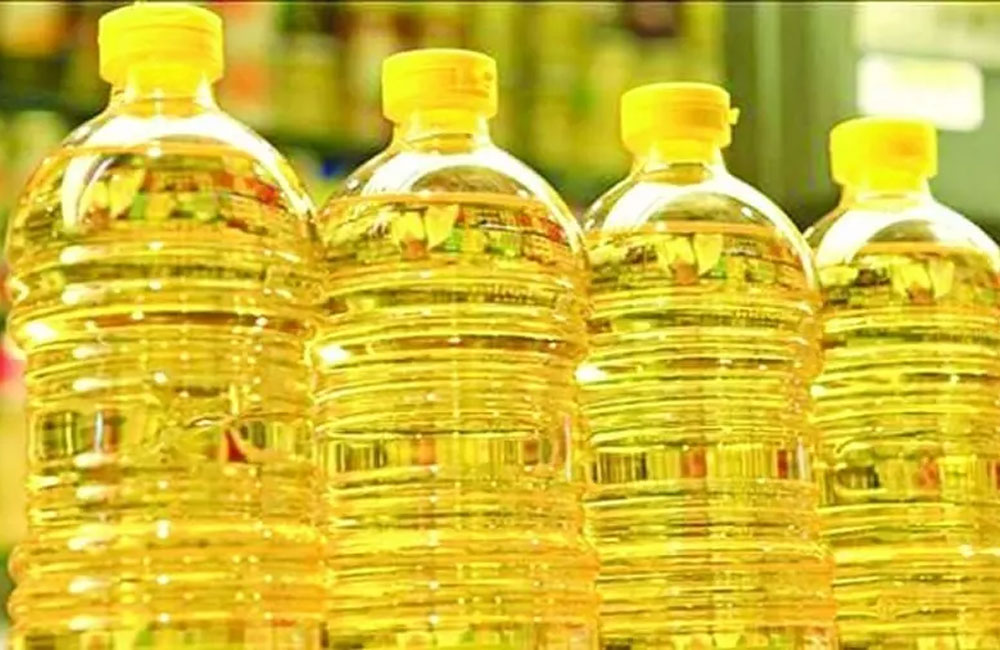
Palm oil import ban by cash strapped government issuing a gazette notification on April 06 along with guidelines without any clarity is leaving the local industry and importers in distress due to delay in implementing guidelines.
The lack of clarity in the new regulations and the delay in implementing the license scheme allowing importers continue palm oil imports has affected refiners, processors, manufacturers, marketers and sellers of palm oil and other products containing oil palm.
Small scale manufactures for local and export markets have been affected badly as the banks are refusing to open LCs for all importers to bring down palm oil due to the delay in implementation of the license scheme industrialists complained.
All bakeries, biscuit manufacturers, and confectioneries in the country will have to be closed down and more than 100,000 people will face the danger of losing their jobs.
Palm oil is used by Sri Lankans in almost every aspect of life; from toothpaste to shampoo to soap to lipstick to confectionary – palm oil is an integral component. It is in 50 percent of all consumer products and vital for industrial applications, they pointed out.
BOI companies who are allowed to import palm oil without any restrictions have also being affected due to lack of clarity in regulations industry sources said adding that the companies engaged in producing palm oil based products, bakery fat and vanaspati ghee for the Indian market are also hit by the ban
Publicly traded Hemas Holdings used palm oil to make soaps and shampoos. Ceylon Cold Stores used palm oil in iced confectionary.Other firms that were hit included Unilever, Maliban, Ceylon Biscuits and Prima.
Sri Lanka produces around 8 percent of its annual palm oil requirement and imports the remaining 92 percent, estimated at 200,000 tonnes from Indonesia and Malaysia.
The Finance Ministry has issued gazette notification on April 06 under the signature of Prime Minister Mahinda Rajapaksa introducing a licensing system to safeguard the industry easing the restrictions by allowing the importation of palm oil and its fractions which are not chemically modified subject to special license regulations, the Finance Ministry indicated in its gazette notification.
According to industry sources the formal local manufacturing industry is worth Rs. 85 billion and with the SMEs, the sector’s value is around Rs. 95 to Rs. 100 billion.
Separately, Sri Lanka exports are valued at USD 150-200 million (between Rs. 30 and Rs. 40 billion). He pointed out that baseless vilification of the local palm oil industry had resulted in the country producing just 23,000 tonnes of palm oil per annum and the import of a staggering 220,000 tonnes of crude palm oil into the country each year, at a cost of approximately Rs. 22 billion.
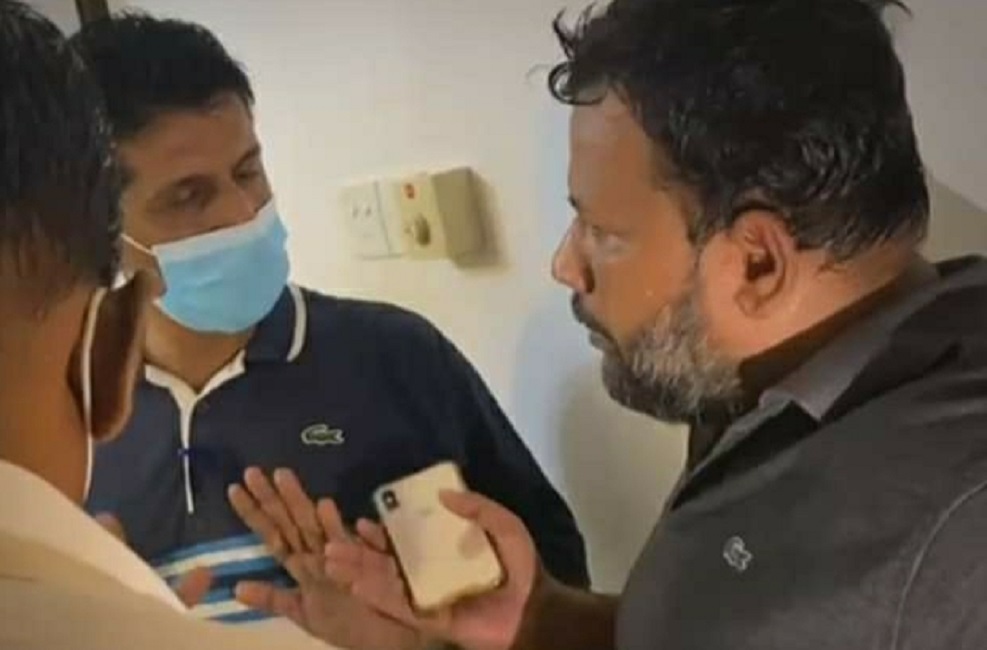
The family members of Rishad Bathiudeen MP and his brother Reyaj Bathiudeen have conveyed their shock and surprise at the sudden and unannounced arrests by officers of the Criminal Investigation Department (CID) and have stressed that the arrests are politically motivated.
The United National Party called upon the government to focus on reviving the tourism industry in the country before they attempt to amend the Tourism Act.
Sri Lankan farmers were up in arms over a severe shortage of fertilizers as they struggled to start paddy cultivations in the Yala season amidst the government‘s decision to ban the import of chemical fertilizers.

Sri Lanka has signed an agreement l to borrow 69.53 million US dollars from the World Bank to improve dams and irrigation schemes and preserve watershed with a focus on the Upper Mahaweli River in the central hills.

Commenting on the government's decision to ban all May Day rallies and processions, the general secretary of the United National Party (UNP) Palitha Range Bandara said that the working people of this country should not be deprived of their rights.

The Sri Lanka government is on an unprecedented move to acquit criminals and fraudsters through a resolution in Parliament, former State Minister of Finance and SJB lawmaker Eran Wickramaratne said.

The government is compelled to dispel the Sri Lankan public's and neighboring India’s concerns over Chinese dominance mainly in administration, military maritime and aviation issues which will crop during the implementation of the legally challenged Port City Economic Commission Bill, foreign affairs analysts said.
The Sri Lankan public is really worried about the powers vested in the commission over the Western Provincial Council and the Colombo Municipality in the governance of the newly added area spanning 269 hectares of reclaimed land from the sea.
The major issue in foreign affairs of Sri Lanka is the Indian authority's concern on China’s increasing presence in the Indian ocean and aviation advantages along with military matters, several experts and analysts of foreign and current affairs said.
The New Port City Commission Bill has renewed concern in India that the project will give China a naval base just 150 miles off India’s southeast coast.
Sri Lanka’s strategic positioning between the Strait of Malacca and China’s new base at Djibouti make Port City more than a construction project and it has become a barometer of Chinese influence in South Asia.
Conversely, the tangled history of this project shows the limits of India’s ability to project power in its immediate region, foreign affairs analysts said.
One of the serious issues which will arise in the implementation of the bill is the air space over the Chinese-held area which would be controlled exclusively by China Harbour Engineering Company (CHEC), a Chinese government-owned construction company.
According to Article 01 and 02 of the Chicago Convention on Civil Aviation, 1944 – to which Sri Lanka is a signatory – China would have exclusive rights over the air space above the reclaimed land that would constitute Colombo Port City, aviation experts pointed out.
The land had been given to China on a 99-year lease basis, they said, adding that Sri Lanka’s Civil Aviation Act No. 14 of 2010 and Air Navigation Act No. 15 of 1950 were enacted in line with the Chicago Convention of Civil Aviation, making Sri Lanka bound to the terms of the international convention, to which 191 countries are signatories.
Meanwhile, Chinese diplomatic sources noted that the reclaimed land of Port City is part of Sri Lanka's territory and therefore, Sri Lanka has complete and exclusive sovereignty over the reclaimed land and the air space above it.
Any individual or company's ownership right or right of use of land does not affect sovereignty, official sources claimed.
State Minister of Finance Ajith Nivard Cabraal on Friday (16) hailed the proposed legislation for the Port City Commission as a “turning point” for the overall economy and insisted sufficient safeguards have been built into the Bill to protect Sri Lankan interests and ensure compliance under local laws.
He pointed out that oversight of any tax concessions, licences, investment approvals or regulatory decisions, which would be done by the commission with the concurrence of regulators, such as the Central Bank or the Auditor General.
He also emphasised that such decisions would be gazetted, with the documents presented to Parliament within a period of three months, or they would become defunct.

A senior official of the Prime Minister's Media Division rejected news reports which claimed that Ministers Vasudeva Nanayakkara, Wimal Weerawansa and Udaya Gammanpila had walked out of the party leaders meeting held under the patronage of Premier Mahinda Rajapaksa today (19).

The Lawyers for Democracy Movement has expressed concerns regarding the Colombo Port City bill during a media briefing on Sunday (18).
