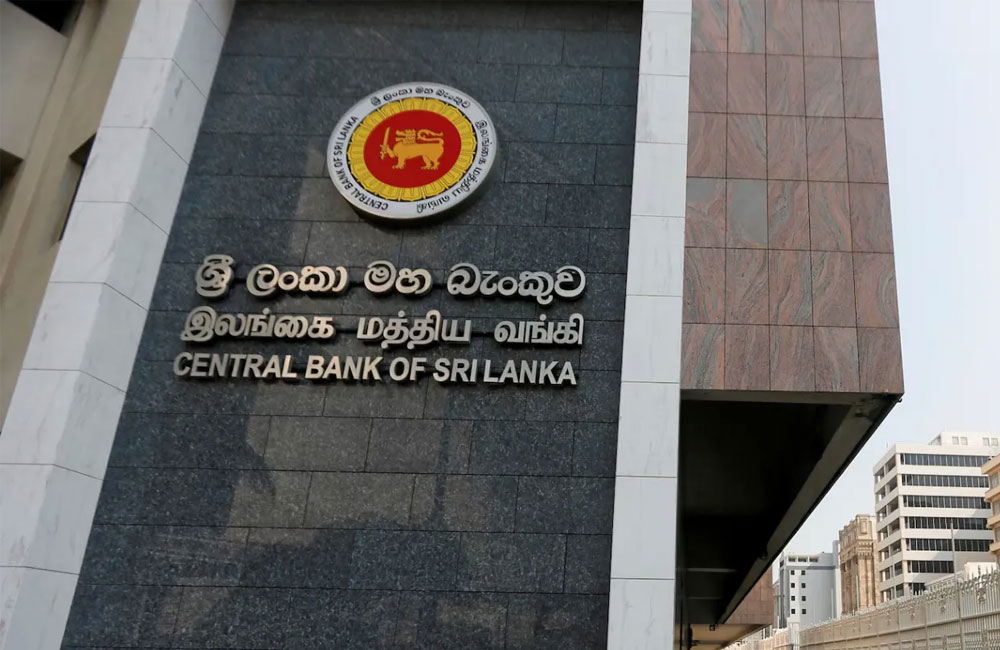
The Central Bank of Sri Lanka (CBSL) has reaffirmed that digital assets cannot be used for payments between residents, saying that letting them replace the rupee would threaten the country’s monetary sovereignty.
CBSL Governor Dr. Nandalal Weerasinghe made the remarks at the Sri Lanka FinTech Festival in Colombo. He said the existing legal framework does not allow digital assets, also known as virtual assets, to be used in domestic transactions.
His comments come as the Government tries to modernise financial services and attract technology-driven investment.
Gains already made and benefits on offer
Sri Lanka has already moved a considerable distance towards a less cash-dependent economy.
Mobile and internet banking, digital payment applications, payment cards and national infrastructure such as LankaPay have made transactions faster and more efficient for businesses and consumers alike.
Further progress could bring substantial economic gains.
Lower transaction costs would help small and medium-sized enterprises in particular, while digital identity systems and data-driven lending could open formal finance to people and firms that banks have so far left out.
Interoperable payment systems could strengthen domestic commerce and cross-border trade links, and make the country more appealing to foreign investors.
Wider digital access to capital markets could also steer domestic savings towards productive uses.
Risks, regulation and the next economic test
These benefits come with serious dangers.
Cyberattacks, online fraud, identity theft, data breaches and operational failures could erode public confidence in digital financial services.
Heavy reliance on a small number of technology providers could also leave the wider financial system exposed to disruption.
Transactions that run through overseas platforms make supervision harder. Volatile virtual assets could cause heavy losses for inexperienced investors and might be used to move illicit funds.
The Governor therefore called for regulation that is proportionate, risk-based and forward-looking.
He pointed to the Central Bank’s FinTech Regulatory Sandbox as a route for testing eligible innovations under suitable safeguards.
He also noted that recovery from the 2022 economic crisis has restored a degree of macroeconomic stability, but that stability alone will not deliver lasting prosperity.
He said productivity, investment, job creation and broader economic participation must now take priority.
Analysts warn that unless cybersecurity, consumer protection, regulatory coordination and digital literacy keep pace with technology, the gains could flow mainly to financially sophisticated firms while ordinary citizens carry the risks.
Leave your comments
Login to post a comment
Post comment as a guest