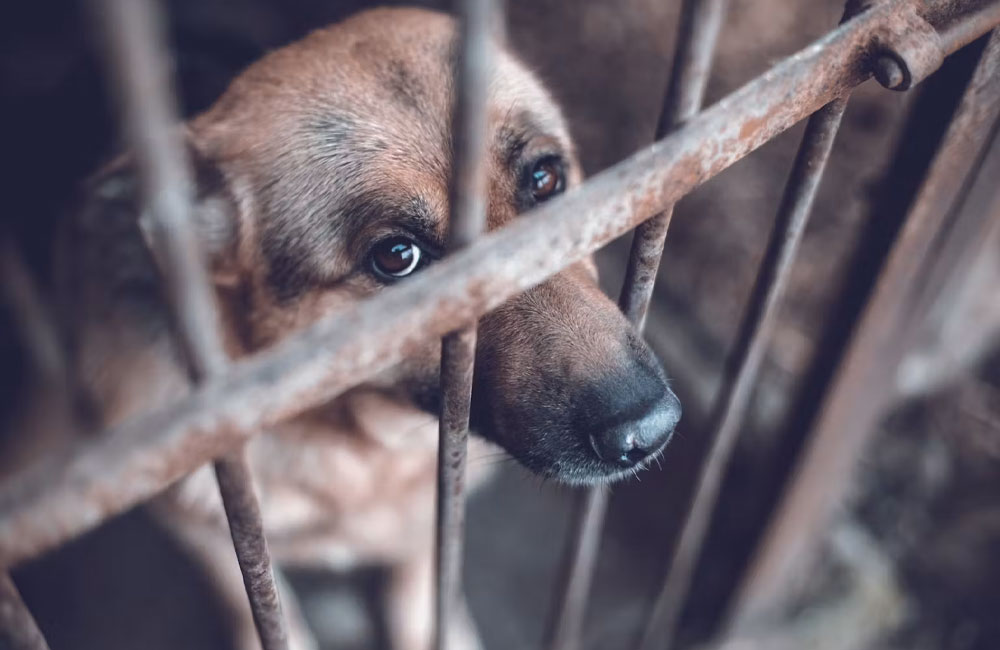
A new Animal Welfare Bill has been introduced with proposals to strengthen the laws protecting animals and prevent acts of cruelty in Sri Lanka. The draft legislation, published in the Government Gazette dated 17 July 2026, sets out provisions aimed at ensuring proper care, protection and welfare of animals, while introducing stricter penalties for violations.
Under the proposed bill, denying animals essential needs such as food, clean water and suitable shelter would be considered an offence. The legislation also seeks to hold individuals accountable for causing unnecessary suffering through neglect, overworking animals, or keeping them in unsuitable conditions.
Those found guilty of animal cruelty could face a fine of up to Rs. 250,000, imprisonment of up to two years, or both. A person convicted of cruelly killing an animal could face a fine of up to Rs. 500,000, imprisonment of up to three years, or both.
The proposed law also includes provisions to take action against the abandonment of pets, the neglect of sick or injured animals, and allowing animals to suffer without necessary treatment. Animal fights and other activities involving animals that result in injury or death are proposed to be prohibited, along with the organising, promoting or facilitating of such events.
The bill further introduces regulations governing the transportation of animals, requiring measures to prevent unnecessary pain, injury or distress. Violators of these provisions could face a fine of up to Rs. 300,000, imprisonment of up to two years, or both.
A licensing system for pet shops and animal breeding centres has also been proposed, aimed at regulating the trade and breeding of animals across the country.
The draft legislation was prepared following recommendations made by a special expert committee appointed under a Cabinet decision. It was subsequently approved by the Attorney General and published in the Government Gazette ahead of being submitted for parliamentary approval.
Authorities said the proposed law was intended not only to punish cruelty against animals but also to promote a more responsible and humane approach to animal welfare within society.
Leave your comments
Login to post a comment
Post comment as a guest