News

Chamari Athapaththu wins ICC player of the month award
Chamari Athapaththu is the ICC Women’s Player of the Month for September 2023 after inspiring Sri Lanka to a historic series triumph over England.
Athapaththu beat out South Africa pair Laura Wolvaardt and Nadine de Klerk to earn the award after an outstanding month that included leading Sri Lanka to a stunning series victory.
The Sri Lanka Women’s captain starred as her side claimed their first-ever series win over England in any format when coming out on top in two of their three Women’s T20I clashes.
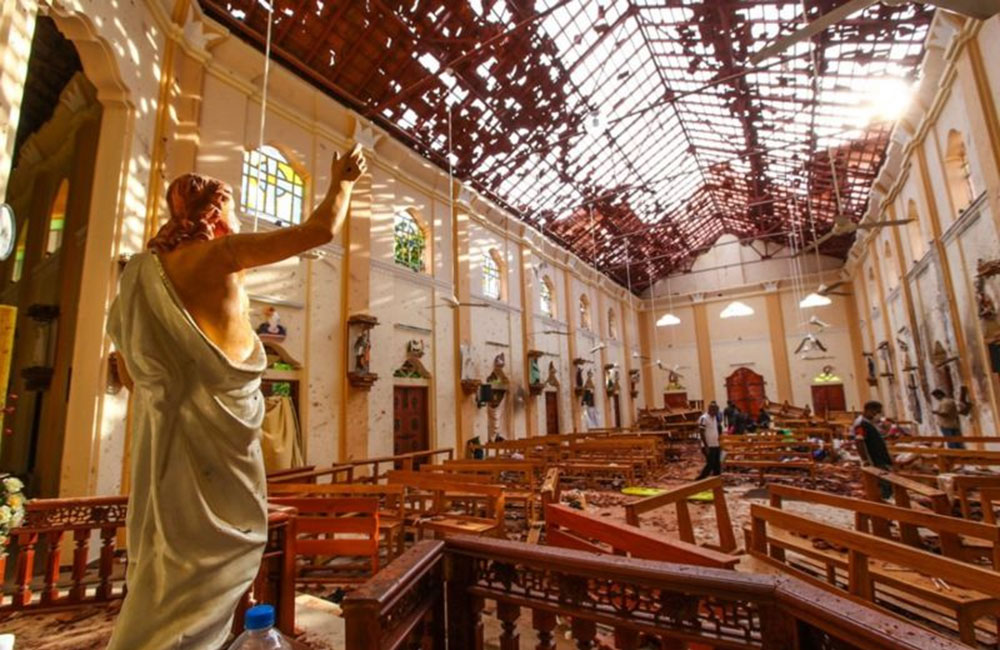
President asked to share Easter Sunday attacks probe reports
The Catholic Bishops Conference has asked president Ranil Wickremesinghe to share copies of the investigation reports into the Easter Sunday terror attacks
“since it is the first time this information is revealed in public.”
In a letter to the president, Catholic Bishops referred to Wickremesinghe’s claim in an interview with German broadcaster Deutsche Welle that foreign investigation agencies such as the Federal Bureau of Investigation, British police, the secret services of Australia, India, Pakistan, and China had given their reports on the attacks.
It also pointed out that his stand of “only dealing with Catholic Bishop Conference, not with Cardinal” undermines the “collegiality” of the collective body comprising bishops of 12 dioceses and three auxiliary bishops in the county.
“It should be noted that the cardinal being the Archbishop of Colombo is not ‘sui generis’ [existing alone] but an integral and most vital member of the Catholic Bishops’ Conference in Sri Lanka.”
“Hence, any reference to the Cardinal by Your Excellency in a singular manner undermines the collegiality of the conference,” the letter said.
Special programme launched to assist Sri Lankans in Israel
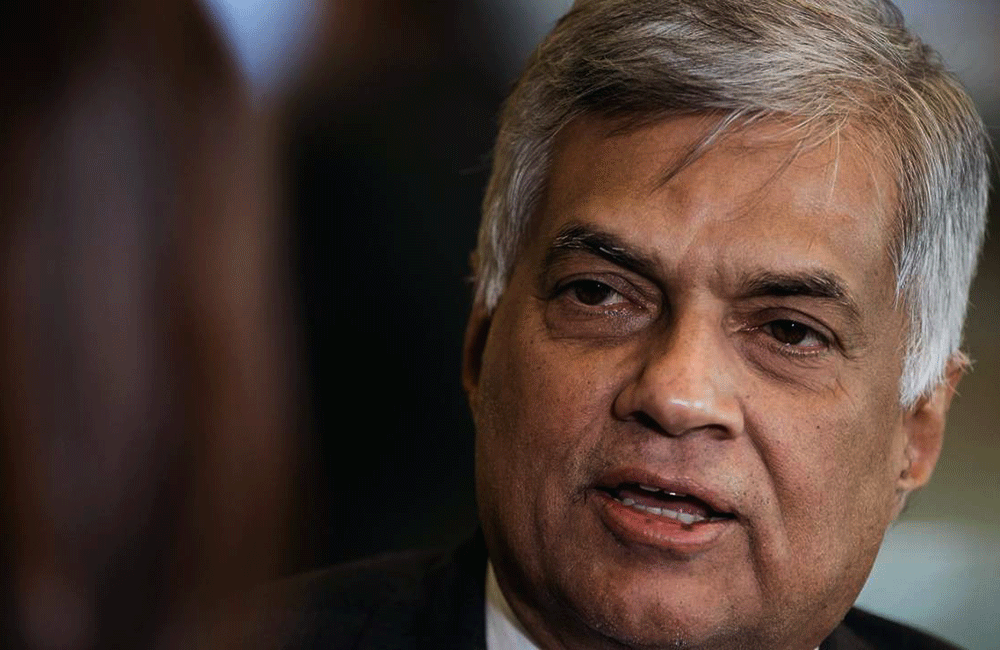
President Ranil Wickremesinghe has directed government officials to prioritize the immediate requirements of Sri Lankan citizens residing in Israel, especially their safety, in light of the ongoing conflict between Israel and Hamas.
Consequently, the Sri Lankan Embassy in Israel and relevant government departments have collaboratively initiated a special program aimed at offering the utmost possible assistance to the Sri Lankan community living in Israel, the President’s Media Division reported.
Sri Lankans working or residing in Israel for various purposes now have access to channels for directly informing Sri Lankan authorities in case of life-threatening situations or related difficulties, it said.
They could convey their needs or obtain essential information by reaching out through the following contact options:
Phone: (+94) 117966396 WhatsApp: (+94) 767463391 Email: This email address is being protected from spambots. You need JavaScript enabled to view it.
The government emphasizes that all Sri Lankans in Israel can avail of these services through established immigration procedures or any other appropriate method, the PMD said in a statement.
Earlier, the Head of State had expressed deep concern over the attacks, and its implications on Sri Lankans and Israelis residing in both countries.
Emphasising the need for immediate action to ensure the safety of Sri Lankans working in Israel, President Wickremesinghe directed the Ministry of Foreign Affairs to locate and ensure the well-being of these individuals, and called for further assistance in facilitating the return of Israelis, including tourists and employees, from Sri Lanka to Israel, urging the police to provide necessary security measures for Israelis within Sri Lanka.
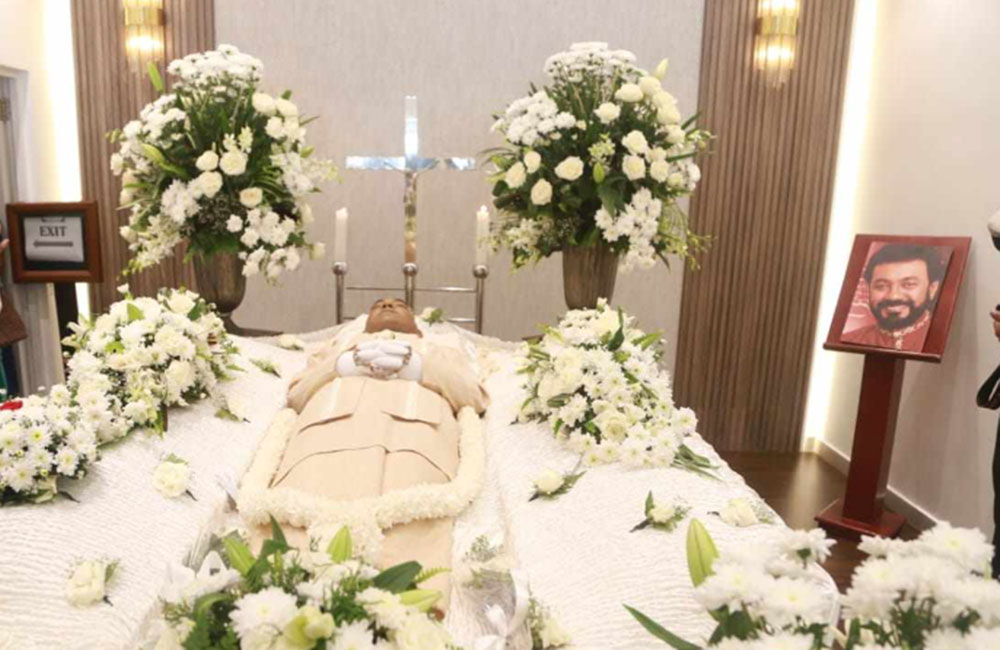
Jackson Anthony’s remains now at funeral parlour in Colombo
The remains of actor Jackson Anthony will be kept at a private funeral parlour at Bauddhaloka Mawatha in Colombo today (10) for the public to pay their last respects.
His family said the body would be taken tomorrow to his home at no. 90/A 58, Wanigasuriyawatte, Ragama Road, Kadawatha.
The funeral takes place at St. Paul’s Church at Ragama at 3.00 pm on 12 October.
Anthony passed away yesterday, aged 65 years.
In July 2022, he was seriously injured after his vehicle collided with a wild elephant at Talawa in Anuradhapura.
Anthony underwent emergency surgery and had since been receiving treatment at Colombo National Hospital.
Country plagued by corruption and authoritarian perspectives: SJB
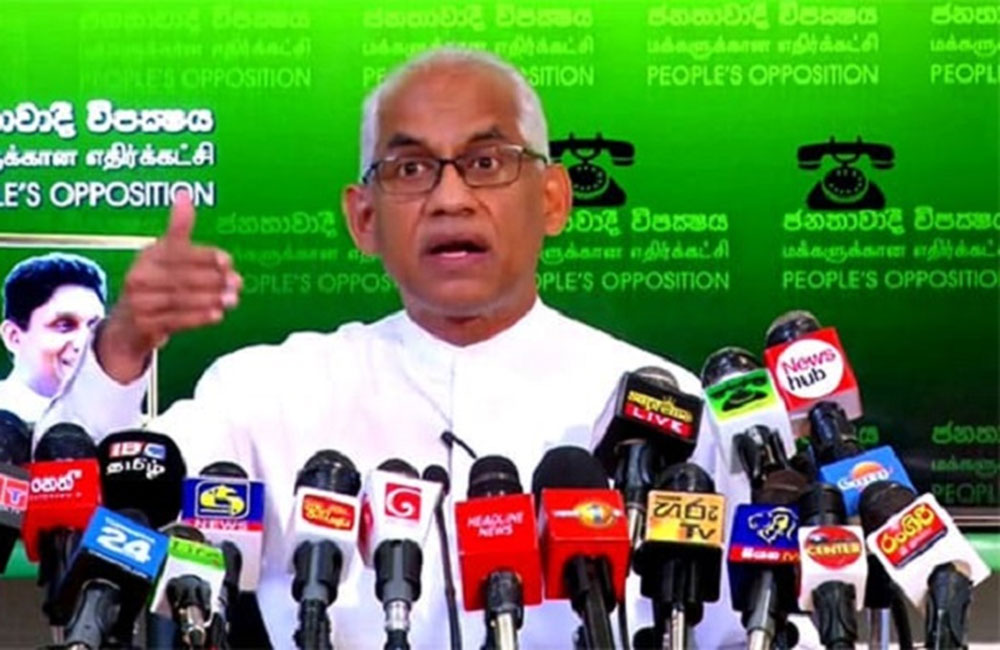
Main opposition MP Eran Wickremaratne says corruption remains a critical issue for Sri Lanka, and with the appropriation bill seeking to increase state expenditure by Rs. 300 billion, it appears the government is yet to get serious about reducing costs.
The SJB parliamentarian says the opposition supports moves to reduce other expenditure to enhance spend on education and health. But the government seeks to increase defence spending despite being the largest spender on defence in the Asian region in terms of GDP, he said.
Wickremaratne added that citing the Civil Aviation Amendment Act, the minister speaks of infusing private investment into catering and ground handling of the national airline, which are profitable entities. There was no mention of airline operations, which is over $ 1 billion in the red.
Remarking he is keen to promote competition in the industry, the SJB MP noted that notwithstanding that any possible attempts to maintain the grossly loss-making airline could well be to hide avenues of corruption.
“If you are keeping the airline for political reasons, you need to consider private participation to turn it around. Through this act, if the government is looking to dispose the two performing entities and not solve the airline issue that’s not a good way forward. You cannot develop an economy without the rule of law and that must apply similarly to everyone,” he said.
Addressing a media briefing in Colombo yesterday (11), Wickremaratne noted the IMF too said aspects such as special commodity levies must be approved in parliament as per due process, without leaving it in the hands of one person.
The SJB MP said he had presented a private member’s bill in this regard, and leaving such decisions in the hands of one is seen as dictatorial and leave room for malpractice as witnessed with the sugar tax scam.
Wickremaratne also touched on the draft Online Safety Bill, which he termed draconian and aimed at stifling freedom of expression. He noted the government is looking to rush this legislature through without adequate discourse with civil society, and that aspects of the bill could extend to mainstream media as well which now has a heavy online presence.
He added the purported independent commission to administer the proposed law is not appointed by the constitutional council, but by the President and thereby questioned its independence.
“This is a move to stifle civil society. A society has diverse views and people must have opportunity to express different views and opinions in a democratic society. It adds that any posts that lead to unrest can lead to five years in jail and a fine. People should be able to protest peacefully like they did last year. People stood against an oppressive regime. They did it peacefully and this is part of democracy,” he said.
Wickremaratne added there are other provisions available to protect vulnerable segments from online activity.
(ft.lk)
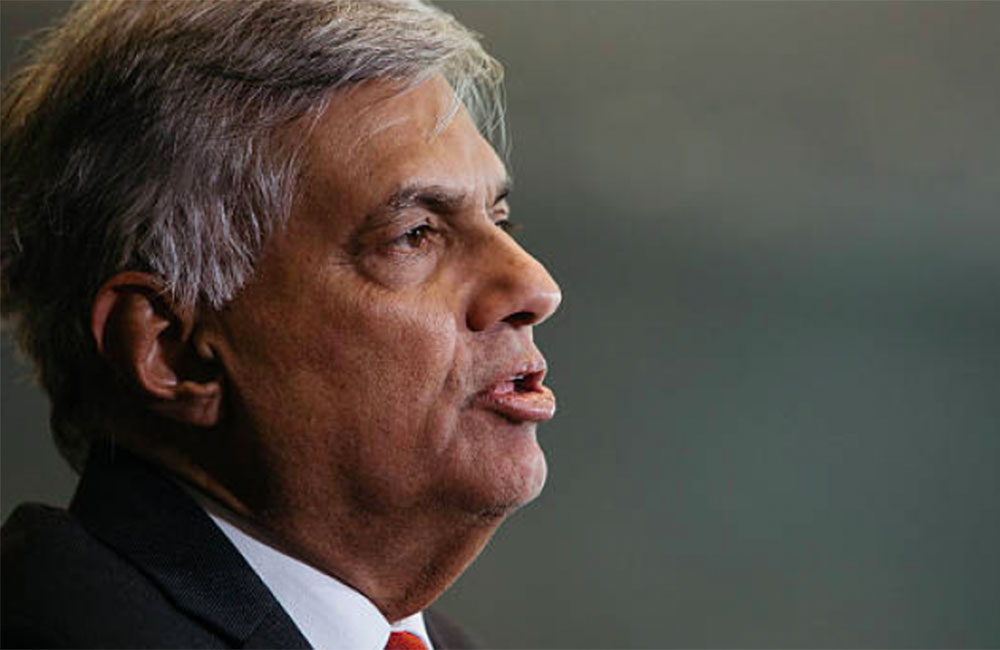
President Ranil instructs to ensure safety of Sri Lankans in Israel
In a briefing to the Cabinet, President Ranil Wickremesinghe expressed deep concern over the recent attacks in Israel and its implications on Sri Lankans and Israelis residing in both countries.
President Wickremesinghe emphasized the need for immediate action to ensure the safety of Sri Lankans working in Israel. He directed the Ministry of Foreign Affairs to locate and ensure the well-being of these individuals, the President’s Media Division (PMD) said.
Additionally, he called for assistance in facilitating the return of Israelis, including tourists and employees, from Sri Lanka to Israel and urged the police to provide necessary security measures for Israelis within Sri Lanka.
While reaffirming Sri Lanka’s longstanding support for the two-state concept of Israel and Palestine, President Wickremesinghe condemned the recent Hamas attack on Israel, which resulted in the loss of numerous civilian lives. He stressed that despite past criticisms of Israel’s actions, such attacks could not be justified, it added.
President Wickremesinghe called for an immediate cessation of hostilities in line with the African Union proposal, emphasizing the broader consequences of the crisis on global fuel prices. He noted that the ongoing conflict would likely lead to a prolonged period of high fuel prices, adversely affecting developing economies, including Sri Lanka.
The President’s statement underscores Sri Lanka’s commitment to peace and stability in the region and its concern for the safety and well-being of its citizens and foreign residents amidst the current crisis, according to the - PMD.
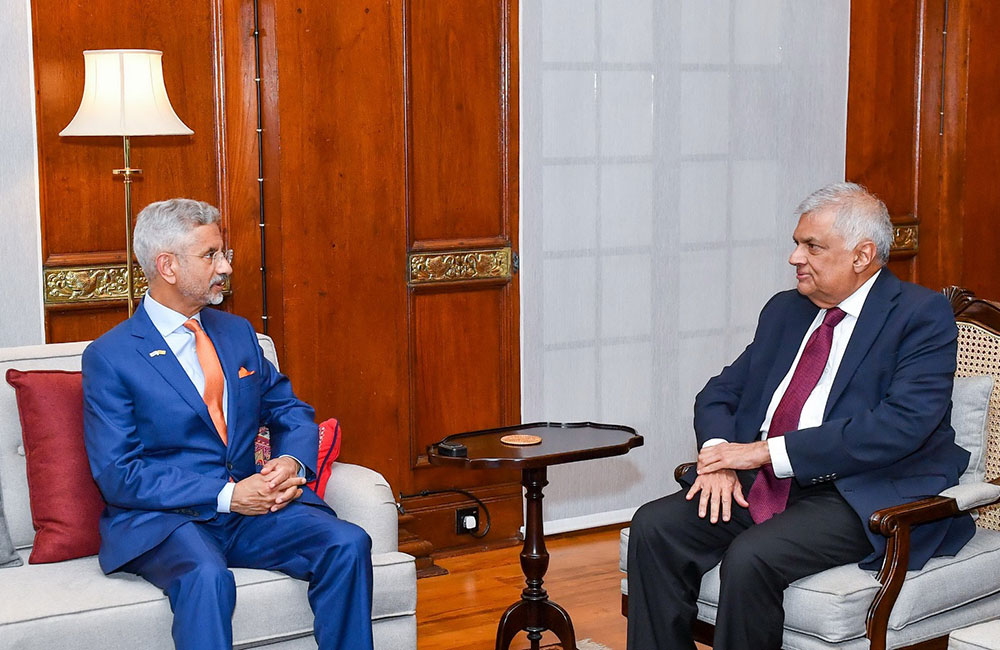
Jaishankar calls on President Ranil; India and Sri Lanka ink three new agreements
India’s Minister of External Affairs, Dr. S. Jaishankar, has met with President Ranil Wickremesinghe at the Presidential Secretariat a short while ago.
Extensive discussions were held to further strengthen Indo-Sri Lankan relations, resulting in the signing of three new bilateral agreements aimed at enhancing cooperation between the two countries, the President’s Media Division (PMD) reported.
Furthermore, the inauguration of the third phase of the housing project, supported by Indian loan assistance, was conducted during the meeting. While an initial allocation of Rs. 1.026 million had been allocated per unit for the fourth phase, it was necessary to revise the budget to Rs. 2.8 million per unit due to increased housing unit costs.
To uplift the lives of Sri Lankan citizens, the Government of India has committed to providing additional funds for the speedy completion of nine development projects in the country, which are currently supported by the Government of India. The relevant agreement for this initiative was also signed today, it said in a statement.
These projects include the modernization of 27 schools in the Northern Province, housing initiatives in Mannar and Anuradhapura, improvements to the Hatton Thondaman Vocational Training Centre and Pussellawa Saraswati Central College, the construction of a multi-ethnic trilingual school in Polonnaruwa, the establishment of 2889 rainwater harvesting projects in the Jaffna area, the promotion of vegetable cultivation in the Dambulla area and the construction of greenhouse facilities with a capacity of 5000 metric tons for fruit preservation. Additionally, a new surgical unit for the Batticaloa Teaching Hospital will be promptly built as part of these efforts.
An agreement concerning a joint project involving the Indian National Dairy Development Board, the Gujarat Cooperative Milk Marketing Federation of India (Amul), and the Cargills Group of Sri Lanka was signed with the aim of elevating Sri Lanka’s local dairy industry. This agreement emerged as a result of President Ranil Wickremesinghe’s official visit to India and allocation of funding for the modernization of Sri Lanka’s livestock sector.
The primary objective of this new project is to increase milk production by 53% within the first five years and achieve self-sufficiency in milk production for Sri Lanka within 15 years. As part of this endeavour, it is anticipated that approximately 200,000 local farmers will be empowered through the provision of facilities such as high-quality medicines, animal nutrition and technical support.
Furthermore, this initiative encompasses digitalization of the livestock sector, investments in new technologies to enhance the quality of milk-related by-products and ensuring access to milk-related products at affordable prices, the PMD mentioned.
In addition to this significant agreement, a special commemorative logo was unveiled today to celebrate the 75 years of Indo-Sri Lankan relations.
Present at the signing ceremony were Indian High Commissioner to Sri Lanka Gopal Baglay, Union Secretaries of the Indian Ministry of External Affairs Puneeth Agrawal and J. P. Singh, Indian Deputy High Commissioner to Sri Lanka Dr Satyanjal Pandey and Indian Ministry of External Affairs Deputy Secretary Raghu Puri.
From the Sri Lankan side, notable attendees included Minister of Foreign Affairs Ali Sabri PC, Minister Jeevan Thondaman, State Minister Tenuka Widanagamage, Member of Parliament M. Rameswaran, Senior Advisor to the President on National Security and Chief of Staff to the President Sagala Ratnayaka, Senior Advisor to the President on Economic Affairs Dr. R.H.S. Samaratunga, President’s Secretary Saman Ekanayake, Secretary of the Ministry of Foreign Affairs Ms. Aruni Wijewardena, Director of Presidential International Affairs Dinuk Colombage and other dignitaries.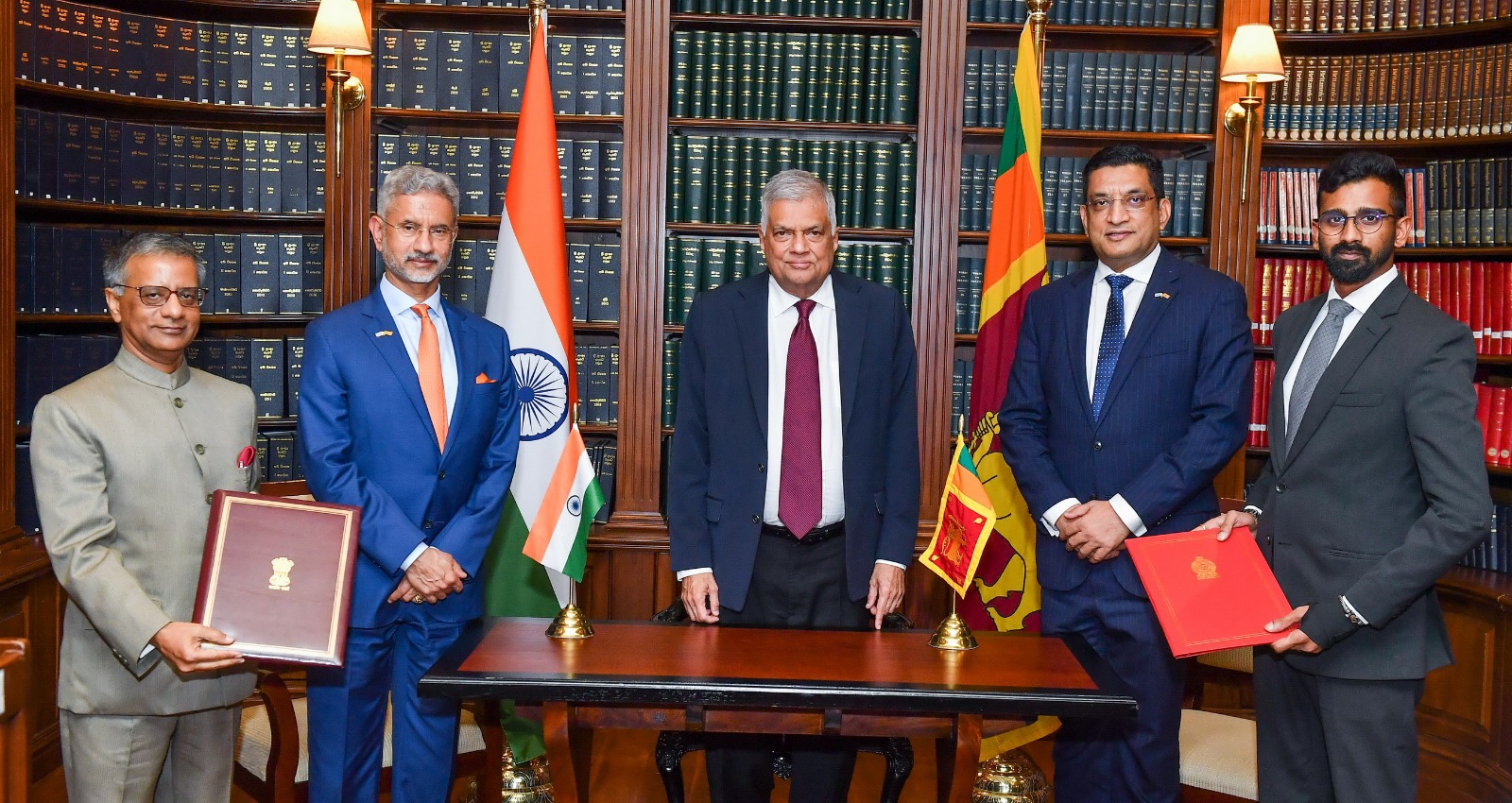

Board of Directors appointed to Sri Lanka’s Personal Data Protection Authority
President Ranil Wickremesinghe has initiated the appointment of a board of directors for the Sri Lanka Personal Data Protection Authority, established with the primary objective of safeguarding personal data within the nation.
In a significant milestone for data protection in South Asia, Sri Lanka’s Personal Data Protection Act No. 9 of 2022 (‘PDPA’) has been making strides toward full implementation.
According to the President’s Media Division (PMD), the act, certified by the Speaker in March, 2022, aims to safeguard personal data held by various entities, including government bodies, banks, telecom operators and hospitals.
This legislation, the first of its kind in South Asia, was developed through a transparent process, with draft versions made available for public comment from June 2019. The PDPA is set to be implemented in phases, with Part V brought into operation through a gazette notification on July 21, 2023.
The PMD stated that this crucial step allowed the government to appoint the Board of Directors, comprising seven individuals with expertise in engineering, accounting/finance, law and regulatory affairs.
Leading the Board of Directors is Arjuna Herath, a Senior Chartered Accountant and former Consulting Leader of Ernst & Young in Sri Lanka and the Maldives.
Other notable members include Attorney-at-Law and Former State Counsel Nisith Abeysooriya, President’s Counsel Saumya Amarasekera, Digital Law Expert & Chair of the PDPA drafting Committee Jayantha Fernando, Additional Secretary to the President Dr. Sulakshana Jayawardana, ISO Lead Auditor and Technology Management specialist Bimsara Seneviratne and Electronics Engineer and Digital Strategy specialist Shehan Wijetilaka.
The PDPA assumes paramount importance in light of the government and private sector’s digital strategies, along with global privacy law developments. It is expected to attract investment and promote the digital economy, aligning with the National Digital Strategy and the Sri Lanka Unique Digital Identity (SL-UDI) project.
President Ranil Wickremesinghe highlighted the need for data protection in his November 2022 Budget Speech, promising the establishment of the Data Protection Authority in 2023. This independent regulator will collaborate with various sectoral regulators to ensure the proper governance of personal data.
Currently, the Board of Directors is in the deliberation and planning phase for the creation of the Data Protection Authority. The first step involves recommending the operation of Part VIII (Fund of the Authority) and Part IX of the Act to design the organizational framework, recruitment procedures and roles of key officers, including the Director General.
To meet the Act’s enforcement deadline of March 19, 2025, the Authority plans to formulate policy frameworks and regulations. It will hold public consultations and engage with advisory committees representing key sectors of the economy and other stakeholders to ensure comprehensive and effective data protection measures.
The Authority is set to commence public consultations and awareness campaigns once it has the necessary capacity, a process expected to take several months.
The PMD added that Sri Lanka is on its way to establishing a robust framework for personal data protection in the digital age, making strides toward safeguarding citizens’ privacy and promoting trust in the digital ecosystem.
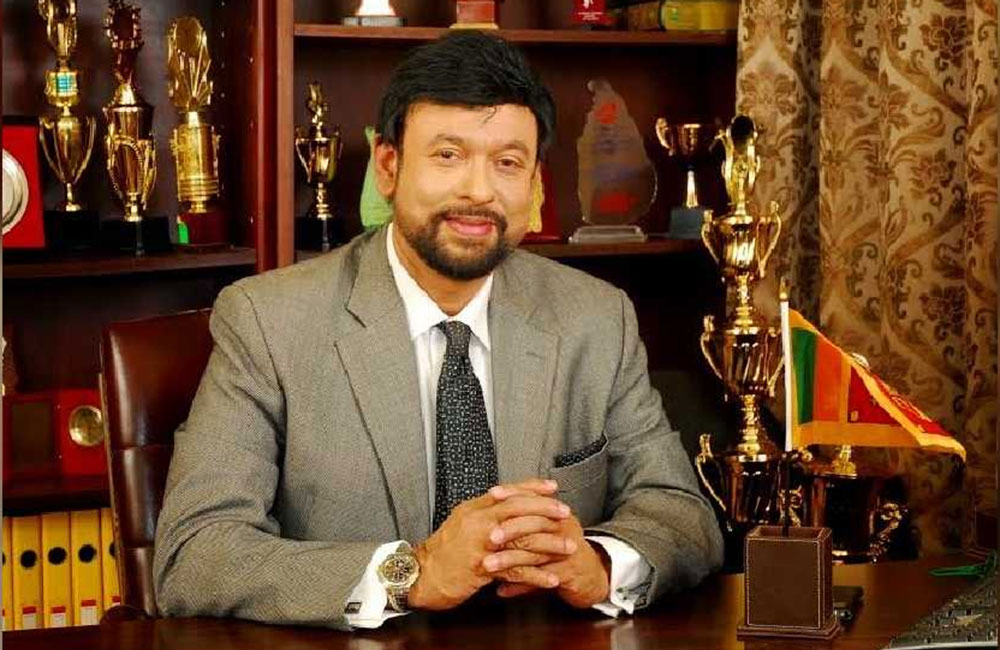
Moulana to enter parliament after Naseer disqualified
The National Election Commisison has issued a gazette declaring that Ali Sahir Moulana has been appointed to the Parliamentary seat left vacant by Naseer Ahamed.
The National Election Commission said the Parliament seat was left vacant following the expulsion of Naseer Ahamed from the Sri Lanka Muslim Congress.
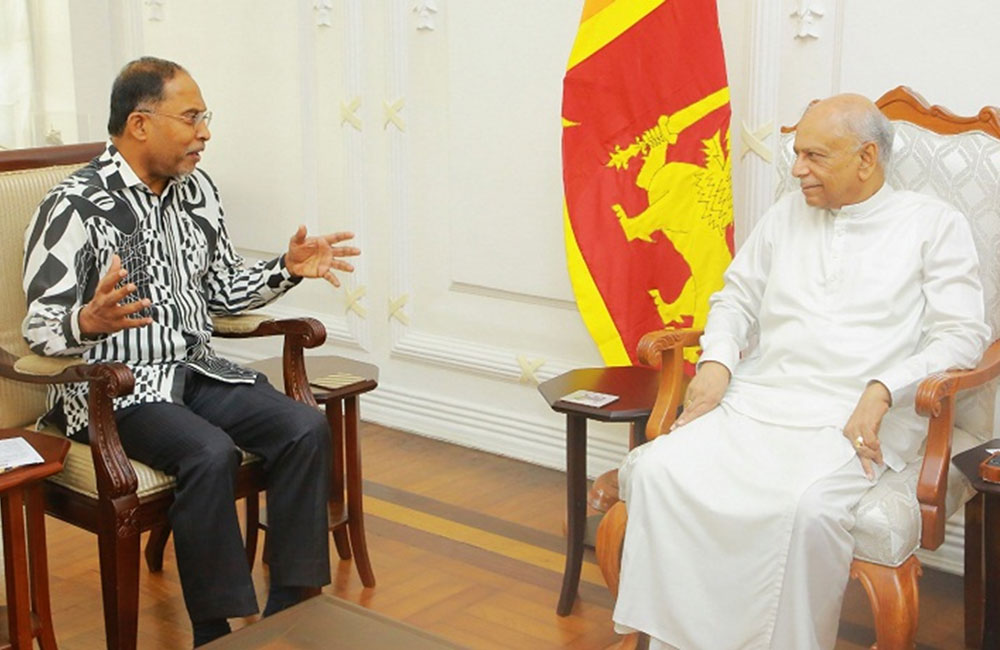
Malaysia to support Sri Lanka’s entry into RCEP
Malaysia will support Sri Lanka’s application to join the Regional Comprehensive Economic Partnership (RCEP), Malaysian Minister of Foreign Affairs, Dato Seri Diraja Dr Zambry Abd Kadir said, during discussions with Prime Minister Dinesh Gunawardena at the Temple Trees in Colombo today (09).
The Prime Minister stated that Sri Lanka’s entry into RCEP would bolster its economic connectivity within the broader South East Asian region and the Malaysian Minister assured fullest support to Sri Lanka and said, “Sri Lanka belongs to our region.” The Prime Minister affirmed the government’s alignment with the future vision of ASEAN for the Indo-Pacific area, pledging full support for the advancement of this economic perspective, the PM’s Office said.
The Prime Minister and the visiting Minister discussed bilateral relations with special emphasis on cooperation in regional groupings such as Indian Ocean Rim Association for enhancing trade and investment cooperation.
Premier Gunawardena invited Malaysian entrepreneurs to enter into new areas of investments in Sri Lanka in in the growing hospitality industry, education and pharmaceuticals industry. Malaysia was amongst the top 6th investment partner of Sri Lanka in recent years.
The Prime Minister thanked the Government and people of Malaysia for the support given during last year’s economic crisis, the statement said.
Referring to the high-level contacts, historical links, people-to-people contacts, and geographical proximity and the deepening bonds of friendship with Sri Lanka, Minister Zambry Abd Kadir said his government was looking forward to increase the economic and trade cooperation.
The high-level Malaysian delegation included Under Secretary Generals Dato Syed Mohamed Bakri Syed Abdul Rahman and Ahmed Kamrizamil Reza and High Commissioner Badli Hisham Adam.
State Minister Suren Raghavan, MP Yadamini Gunawardena and Secretary to the Prime Minister Anura Dissanayake also participated in this meeting.
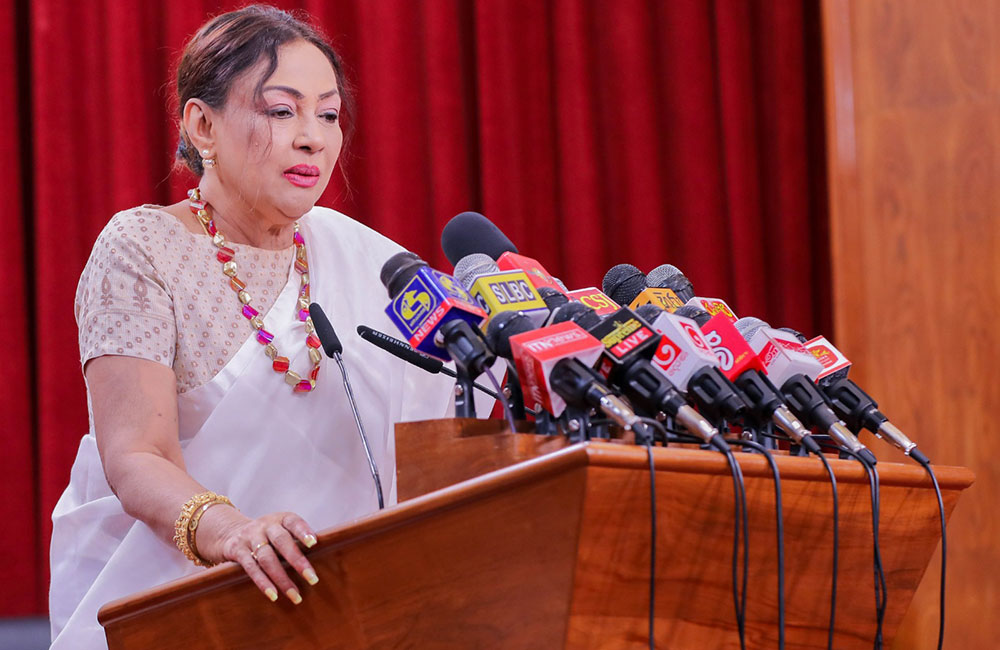
Govt to introduce new legislation to prevent gender-based violence
The government has undertaken preparations to introduce three pivotal bills aimed at preventing gender-based violence in Sri Lanka, State Minister for Women, Children Affairs, and Social Empowerment, Geeta Kumarasinghe announced.
State Minister Geeta Kumarasinghe said that these legislative measures, including the Gender Equality Act, the National Commission for Women Act, and the Women’s Empowerment Act, are vital steps in promoting gender equality and safety.
She further stressed that the measures are being taken in response to President Ranil Wickremesinghe’s directives to address gender-based violence in Sri Lanka.
According to the President’s Media Division (PMD), she made the remarks while addressing a media briefing held at the Presidential Media Centre on Tuesday (Oct 10).
Addressing the media, the State Minister said the government is also placing special emphasis on the social security of women. As part of this commitment, plans are underway to establish women’s care centres across ten districts, providing a secure environment for women in need, while a 24/7 emergency hotline, 1938, has been introduced, allowing women to seek assistance and report incidents confidentially.
To ensure the safety of children left without parental care and to protect their identities, the government has implemented the “Window” program. Recognizing the importance of women’s safety, the ministry is considering reducing taxes on sanitary napkins.
She also said a comprehensive program to prevent gender-based violence is in the pipeline. This initiative, implemented in partnership with the United Nations Population Fund (UNFPA), spans the next five years (2024 – 2028). It includes self-employment schemes to empower young women, widows, women from incarcerated families, women in the estate sector, and low-income urban women entrepreneurs. The government is actively working on the establishment of women’s care centres in ten districts to provide support and assistance to women in need.
Moreover, the Ministry of Women, Child Affairs, and Social Empowerment has undertaken numerous initiatives for children’s welfare, including a nutritional allowance program, providing Rs. 45,000 over ten months for pregnant and lactating mothers, which continues to operate. This program offers benefits for six months during pregnancy and four months during lactation.
In addition, a program has been implemented to provide breakfast to preschool children in the year 2023, and the target number of children is 155,000. Furthermore, high-nutrition biscuits are being distributed to preschool children in districts, including Monaragala, Galle, Mullaitivu, Anuradhapura, Nuwara Eliya, and Ampara, to combat nutritional deficiencies. Preschool teachers will receive a monthly stipend of Rs. 2,500 under the “Guru Abhimani” program.
State Minister Geeta Kumarasinghe added that monthly district-level meetings are being conducted to address the concerns of children and women, ensuring that these initiatives are successful.
Death of actor Jackson Anthony
The funeral of veteran Sri Lankan actor Jackson Anthony, who passed away this morning, will be held this week.
According to family sources, the body of the late actor will be placed at the ‘Jayaratne Respect Home’ Funeral Parlour in Colombo from 07.30 am to 11.00 pm tomorrow (Oct 10) and will be open to the public to pay their respects.
The body of the actor will be placed at his residence in Kadawatha on Wednesday (Oct 11) and Thursday (Oct 12).
The final rites of veteran Sri Lankan actor Jackson Anthony will be performed on Thursday (Oct. 12) at the St. Peter & Paul’s Church in Ragama at 03.00 p.m.
Jackson Anthony passed away at the National Hospital in Colombo this morning (09). He was 65 at the time of his demise.
The actor passed away after undergoing treatment at the Colombo National Hospital following an accident in July 2022.
Jackson Anthony was hospitalised after the accident in which his vehicle collided with a wild elephant in Thalawa.
Jackson Anthony is one of the most popular artists in Sri Lanka and has won the national award for Best Actor for a record sixteen times.
He was also well-known for his immense talent and versatility as a director, producer, singer, screenwriter, television host, novelist, columnist, lyricist, historian and traveller.
Page 341 of 779