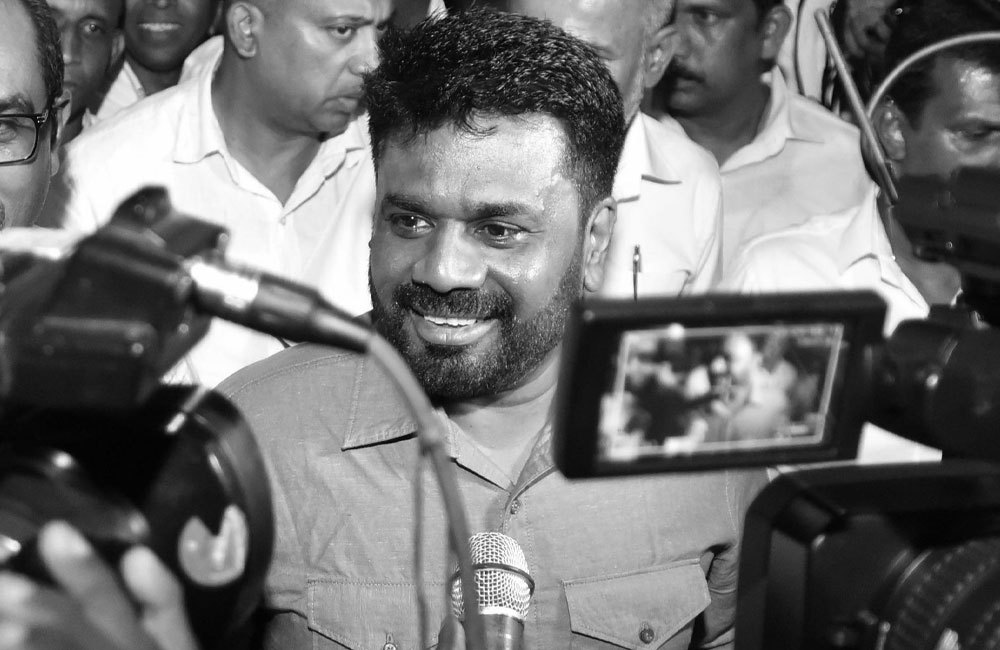
In a candid conversation with Newsweek in the stately bilateral meeting room at the President’s Secretariat in Colombo, President Anura Kumara Dissanayake laid out the realities his nation faces in the wake of a devastating cyclone that left death and destruction in an already fragile economy.
He detailed how international partners, from regional neighbors to global powers, stepped in during the crisis, and why Colombo now sees an opening to reset ties with India, manage its complicated relationship with China and deepen engagement with the United States under President Donald Trump.
Here is a transcript of questions and answers from the interview.
Newsweek: Sri Lanka has undergone major political shifts in recent years, from protest movements to a dramatic change in the 2024 election. How do you explain the public mood that brought your government to power?
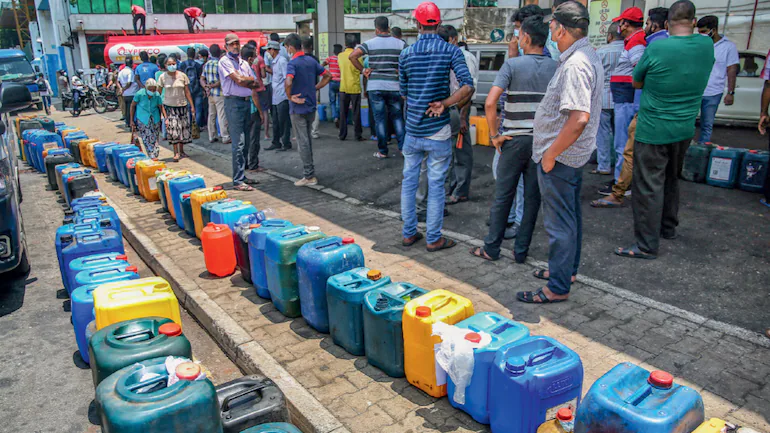
President Anura Kumara Dissanayake: The protests of 2022 were born not only from power cuts and long queues for fuel and medicine, but also from a deeper frustration with corruption, unequal opportunity and decisions made without transparency or accountability. By 2024, that public frustration had evolved into a democratic demand for a different kind of leadership. Our victory was a call for cleaner governance, economic fairness, and a break from politics as usual.
People wanted leaders who are like normal people, who would tell them the truth and accept responsibility. I see our mandate as a contract of trust—a covenant to stabilise the economy without abandoning the vulnerable, to reform institutions rather than capture them, and to prove that democracy in Sri Lanka can renew itself. We must show them that their faith was not in vain.
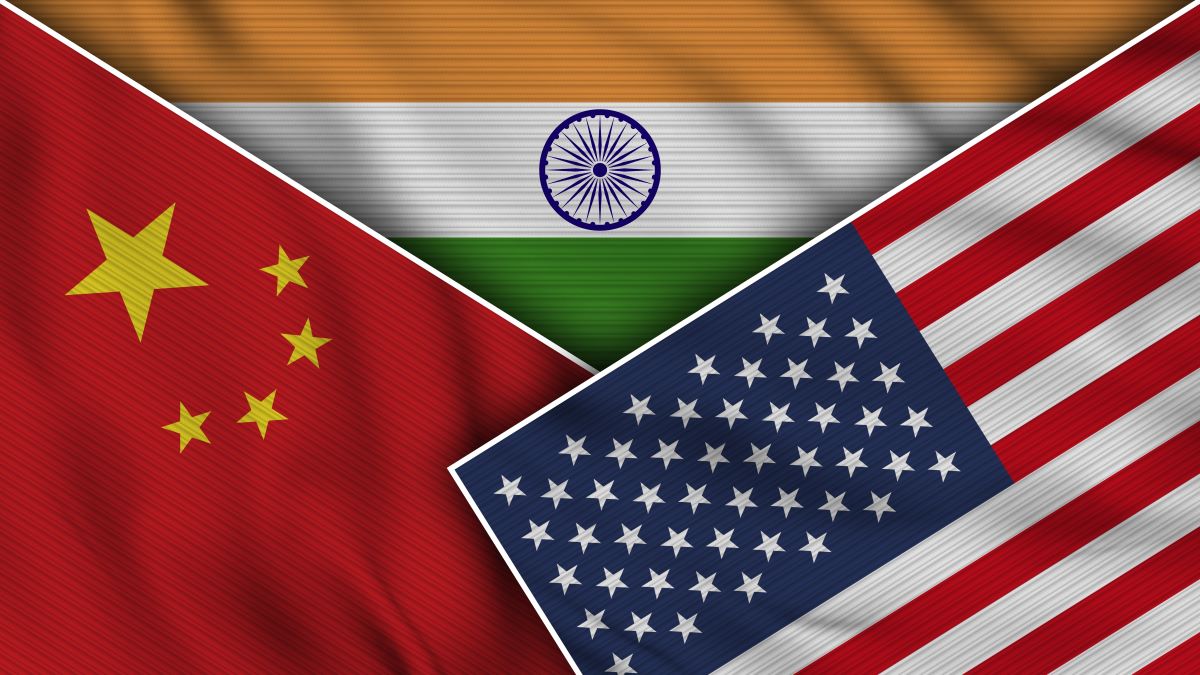
Newsweek: Sri Lanka sits at the crossroads of Chinese-built infrastructure, Indian regional influence and U.S. economic leverage. To what extent does Sri Lanka truly retain strategic autonomy, and how do you balance these relationships?
Dissanayake: India is Sri Lanka’s closest neighbour, separated by about 24 km of ocean. We have a civilizational connection with India. There is hardly any aspect of life in Sri Lanka that is not connected to India in some way or another. India has been the first responder whenever Sri Lanka has faced difficulty.
India is also our largest trading partner, our largest source of tourism and a significant investor in Sri Lanka. China is also a close and strategic partner. We have a long historic relationship—both at the state level and at a political party level. Our trade, investment and infrastructure partnership is very strong. The United States and Sri Lanka also have deep and multifaceted ties. The US is our largest market.
We also have shared democratic values and a commitment to a rules-based order. We don’t look at our relations with these important countries as balancing. Each of our relationships is important to us. We work with everyone, but always with a single purpose – a better world for Sri Lankans, in a better world for all.
Newsweek: How do you see President Donald Trump’s presidency changing Sri Lanka’s place in the changing world order?
Dissanayake: For Sri Lanka, success means market access and renewed investment flows. We are engaging with President Trump’s administration to position Sri Lanka as a stable and reliable partner and an Indian Ocean hub.
Newsweek: What exactly does Sri Lanka want from Washington, and what is it willing to deliver in return?
Dissanayake: Market access for our exports, particularly textiles and value-added products. We also need climate finance – we just lost several billions of dollars due to Cyclone Ditwah. It will take us a few weeks to assess the actual damage. We need grants for climate adaptation: early warning systems, resilient infrastructure, coastal protection. We need technology and investments – we want US companies to invest in Sri Lanka in all possible sectors including digital infrastructure, manufacturing and renewable energy.
We need technology transfer. What we offer is a strategically placed, stable, democratic partner in the Indo-Pacific. We are committed to freedom of navigation. We are keen on port and logistics collaboration. We also look forward to deepening cooperation on shared concerns like maritime security collaboration, counter-terrorism and drug trafficking.
Newsweek: With public debt still hovering above 100% of GDP, how do you plan to address this and avoid another default while avoiding pain for the poorest?
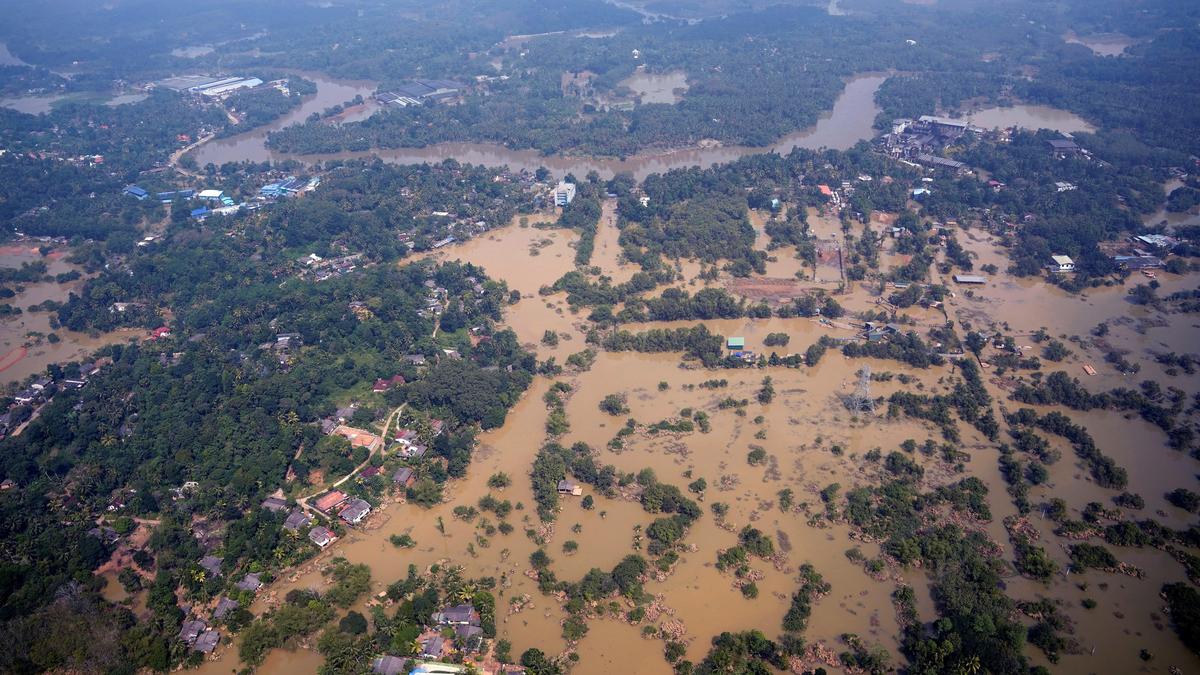
Dissanayake: We just completed a historic debt restructuring process, only to face yet another disaster – Cyclone Ditwah. Initial estimates indicate that the damage may well be beyond any natural disaster that our island has endured. So we will have to service debt while simultaneously rebuilding from climate disasters. This is why debt sustainability frameworks for climate-vulnerable countries must change.
We are pursuing export-led growth to tackle decades-long weaknesses in our economy. We are increasing government revenue, broadening our tax base through digitalization and protecting social spending. Over 20,000 people lost their homes in Cyclone Ditwah. We cannot impose austerity on people who have lost everything. We are expanding targeted cash transfers, subsidizing essential medicine, investing in agricultural recovery and rebuilding homes, schools, hospitals and public infrastructure. We have to do this while operating within the IMF programme parameters. We need support from our partners and international organisations.
Newsweek: Sri Lanka posted 5% growth in 2024 and is targeting a 2.3% primary surplus in 2025. Within the IMF framework, what policy levers can deliver visible relief to low-income families in the next 12–18 months?
Dissanayake: Cyclone Ditwah just battered nearly two million people, with approximately 55,000 houses damaged and some completely destroyed. These families need immediate, visible relief. One – we will have to help build flood-resistant homes. This will create construction jobs while protecting families. Two – we lost about 273,000 acres of rice paddies. We have to provide seeds, equipment and technical support so that farmers can replant. We will need a lot of funding just for agriculture restoration. This is not just disaster recovery but food security as well. Third – we are maintaining subsidies where they matter most to poor families: medicine, fuel, basic food items. Fourth – infrastructure repair will create jobs.
Newsweek: Your government has recently subjected large-scale foreign investment proposals to fresh scrutiny. How will Sri Lanka convince foreign investors that it is a predictable place to commit capital?

Dissanayake: We are establishing transparent, rules-based evaluation with clear criteria: environmental and climate resilience standards, economic viability, technology transfer and local capacity building, labour and social protection, and alignment with national development goals. Foreign investors want three things: clarity, consistency and confidence. We are creating a clean, predictable investment environment that protects both the investor and the interests of the Sri Lankan people. First, we have introduced a single-window investment approval system to reduce delays, eliminate hidden influence and provide a clear decision pathway.
Investors will be able to see the full process online, including timeframes, required documentation and responsible officials. In addition, we are drafting a new Investment Protection Act to guarantee fairness, legal certainty and enforceable rights for investors. Second, every large project will undergo transparent, rule-based evaluation. That means standardized tender procedures and pre-defined sustainability criteria. There will be no special treatment for insiders or politically connected groups, which is exactly what investors have long requested. Third, we are strengthening the legal and regulatory framework. Digital procurement systems, enforcing mandatory asset declarations and establishing independent oversight mechanisms are just a few of the measures we’re taking.
This ensures that approvals are made on merit, feasibility and national benefit, not personal networks. Finally, we are maintaining political stability and rule of law—the two strongest signals for investor confidence. A stable government aligned with long-term economic planning is far more attractive than a system with sudden policy changes or opaque decision-making. In short: Sri Lanka welcomes investment, but we want investment that is transparent, predictable and productive. When investors know the rules and trust that the rules will not suddenly change, they commit more capital, bring technology and create jobs. That is the environment we are building.
Newsweek: Given China’s long-term leases over Hambantota and Port City, do you see these as strategic risks Sri Lanka must manage?
Dissanayake: These projects are realities that we must manage intelligently. The Hambantota Port operates transparently, like any other port terminal in Sri Lanka. Our Navy and customs are in control. It serves Sri Lanka’s economic interests through job creation and regional development and doesn’t compromise our security. The lease is commercial, not military. We have been clear that no foreign military bases are permitted and we enforce it. Port City is primarily a commercial development. It will create jobs, attract investment and generate revenue. We have to monitor operations, ensure compliance with Sri Lankan law and maintain sovereignty over how these assets are used. The projects are realities that we must manage with a clear-eyed assessment of Sri Lanka’s interests—what serves Sri Lanka’s development. The recent floods and cyclone showed Sri Lanka remains unprepared for extreme weather.
Newsweek: How do you respond to criticisms of the government’s handling of the disaster?
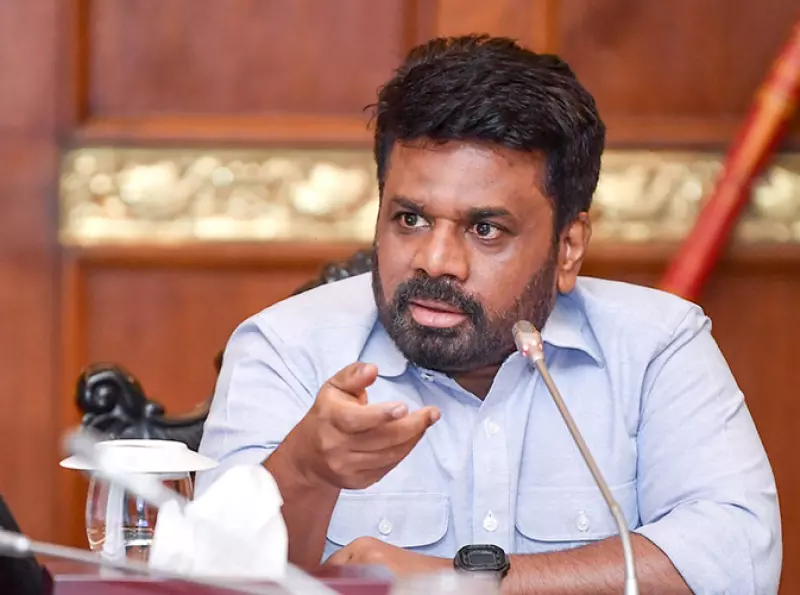
Dissanayake: Cyclone Ditwah was catastrophic—lives lost, villages submerged, infrastructure torn apart. Response was rapid, with our forces and local authorities mobilised. Our partners stepped in as well. Although the priority at the moment is to work together and ensure Sri Lanka gets back on its feet, we need meaningful criticism to guide us. Longstanding weaknesses were visible in local preparedness, land-use enforcement and speed of relief delivery.
We are in government and we want to fix the problems. We have launched a comprehensive review of our disaster management systems. Sri Lanka’s pre-monitoring and early-warning systems must improve—especially real-time weather tracking and community alert mechanisms. We have established emergency operations centres in every affected district, deployed all available military and police resources for rescue and relief, and coordinated with international partners who responded rapidly.
We are creating a National Disaster Management Authority with real resources and authority. We will improve our forecasting through better radar coverage. We are pre-positioning rescue equipment and supplies in high-risk areas. We are mapping landslide-prone areas in the central highlands. Of course these districts have experienced landslides before. With climate change, destruction of this scale should have been expected in time. But for years and years Sri Lanka has failed to prepare adequately.
At least now, our government will work with all partners to put effective, efficient and accountable systems in place. We will rebuild Sri Lanka, better than it was before.
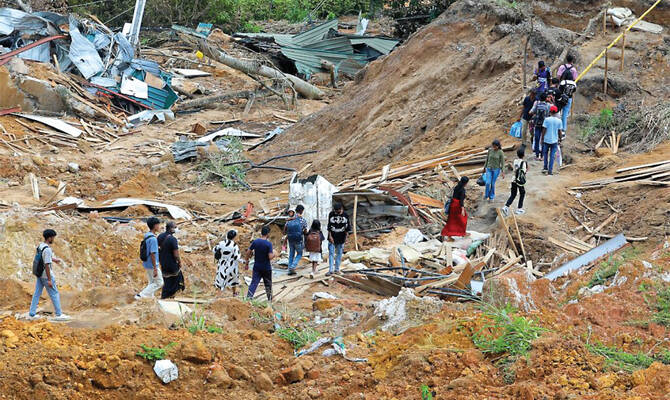
Newsweek: Is Sri Lanka trapped in a model where climate shocks keep setting the country back for years? What’s your long-term plan?
Dissanayake: We will be trapped if we don’t act now. This trap is not of our own making. Sri Lanka contributes negligibly to global emissions. But we face existential climate shocks that can destroy years of development progress overnight. But we must break this cycle. We can’t have every flood, every cyclone, every drought set us back to where we started. So we urge our partners to help us build an escape plan to get out of the trap.
Help us build climate-resilient infrastructure. This will cost more upfront but will save us from repeated reconstruction. Help us diversify our economy away from climate-vulnerable sectors to sectors like the digital economy, IT services, light manufacturing and climate-resilient industries. Share technology so that communities have time to evacuate and protect assets before disasters strike. Help us build natural climate-change mitigation infrastructure – mangrove restoration, reforestation and wetland conservation.
Newsweek: Who were the most reliable partners in the disaster response, and which countries will be indispensable to Sri Lanka’s future?
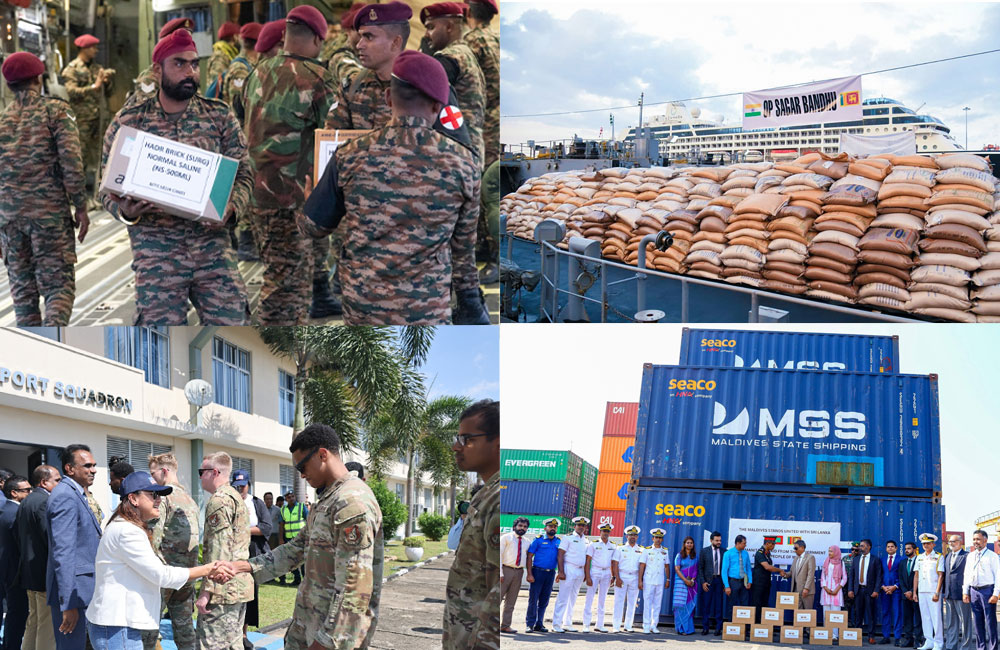
Dissanayake: So many countries came forward to support us. India responded the quickest with Operation Sagar Bandhu. They deployed aircraft, helicopters, naval vessels including aircraft carrier INS Vikrant, and National Disaster Response Force personnel. Our neighbours Pakistan and Maldives also provided invaluable support. We deeply appreciate their solidarity, as well as the solidarity extended to us by all our neighbours. We also remain deeply grateful to all other countries, international partners and individuals around the world who reached out and contributed. We will work with all partners – bilateral and multilateral – for infrastructure and economic development, and climate adaptation and technology. The honest answer is – we can’t afford to be dependent on any single partner. Our future depends on building and maintaining productive relationships with all partners who contribute to our nation’s sustainable development, growth and prosperity.
Newsweek: Sri Lanka retains sweeping powers under laws like the Prevention of Terrorism Act and restrictive online-safety legislation. What is your plan for these laws?
Dissanayake: These laws have been used as tools of repression. They are out of place in a democracy. We are committed to comprehensive reform. On the PTA, we are committed to repealing and replacing it with legislation that balances legitimate security concerns with civil liberties. This means ending indefinite detention, establishing judicial oversight for all detentions, protecting the right to legal counsel, and ensuring that anti-terrorism legislation meets international human rights standards. We are revising the Online Safety Act to protect free expression while addressing genuine harms like hate speech that incites violence and child exploitation.
The focus is to prevent real harm and not silence criticism. We want to work with civil society, international human rights experts and affected communities to draft replacement legislation. Bad laws rushed through will create new problems—we have experienced this in the past. Trust in government, both nationally and internationally, requires these reforms. We will act. And act soon.
Newsweek: How can rights-conscious partners trust Sri Lanka when its security laws resemble those of an illiberal state?
Dissanayake: Trust is earned through action. We have inherited what previous governments did. Changing that takes time. Rights-conscious partners should look at our actions – we are releasing political prisoners systematically, reviewing cases where people were detained under repressive laws without proper process, allowing space for peaceful protests and strengthening independent institutions – the judiciary, human rights commission, anti-corruption agencies. We are providing resources needed by these institutions and we are in the process of repealing and amending repressive laws. We are trying to dismantle systems that have been built over decades.
The political culture of control and institutional habits don’t change overnight. It requires sustained effort. Our partners should see whether we are moving in the right direction and whether our reforms are substantive. Also, whether we are backsliding or advancing. They should help us build accountable and rights-based systems. We are serious about building a rights-respecting democracy, and we urge everyone to support the process.
Newsweek: The UN High Commissioner for Human Rights recommended a dedicated judicial mechanism with an independent special counsel. How are you responding?
Dissanayake: Transitional justice for past rights violations is complex. Families deserve truth, accountability, justice and reparations. The nation requires reconciliation. We support accountability for past violations through a Sri Lankan-led process. We are currently working with victims’ groups, civil society organisations, local experts and international experts on what a credible domestic process should be.
Newsweek: Critics say the arrest of former president Ranil Wickremesinghe was politically motivated and no real steps are being taken against entrenched corruption. How do you respond?
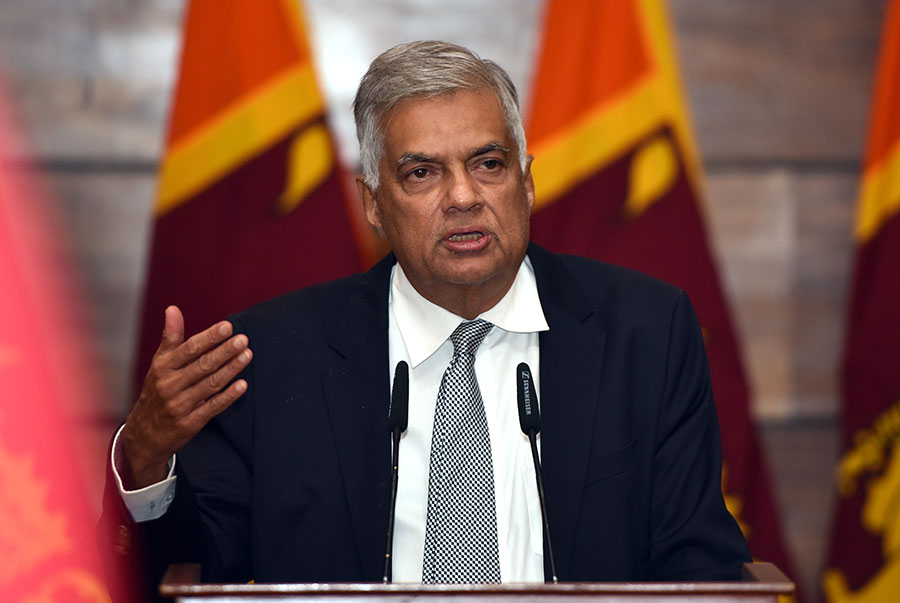
Dissanayake: Corruption investigations must be evidence-based and not politically motivated. If the evidence warrants prosecution, political status should not provide immunity. There should be no political interference in such matters. Whether Mr. Wickremesinghe’s arrest is justified depends on evidence, and that should be tested in court through proper process—not the media or political pressure.
On institutional corruption more broadly – yes, it seems as if we haven’t done enough yet. The reason it seems that way is because corruption is deeply entrenched in institutions, built over decades. This means that putting things right requires systemic change, not just arrests. We are strengthening anti-corruption agencies. The Commission to Investigate Allegations of Bribery or Corruption needs independence, resources and political backing. We are establishing transparency in procurement. Government contracts, particularly large infrastructure projects, must go through transparent, competitive processes.
We are digitalizing procurement to reduce opportunities for bribery. We are strengthening asset declaration and conflict-of-interest rules. We are pursuing major cases. We are establishing institutional reform that prevents future corruption and we are committed to creating a culture of accountability. We believe that credibility comes from process, not personalities. Justice in Sri Lanka must be governed by facts, evidence and due process—and that is exactly how we are operating.
We have also launched a five-year anti-corruption plan to strengthen these mechanisms, ensure continuity and make accountability a permanent feature of governance.
Newsweek: Over 300,000 Sri Lankans left for foreign employment in 2024. Youth joblessness is still above 20%. What reforms will convince a talented 25-year-old to stay?
Dissanayake: We must create a country where young people see a bright future full of opportunities, and this requires fundamental reform. In brief – meritocracy over connections; an entrepreneurship-friendly environment; competitive salaries and opportunities; quality education and skills training; pathways for returnees; livable cities and quality of life; climate resilience. We also want to create the regulatory frameworks and international partnerships necessary so that Sri Lanka’s economy is linked seamlessly with the global economy. This will expand the horizons of our people. The hard truth, however, is that even with all these reforms, some will still leave.
This is the reality in a globalized world. What we can do—and what we are committed to doing—is to create enough opportunities so that staying is a competitive choice and not a sacrifice. We also want to maintain strong connections with the Sri Lankan diaspora so that they contribute to Sri Lanka’s development and growth. A talented 25-year-old should stay because they believe they can build a successful career in Sri Lanka and contribute meaningfully to the country’s progress. That is what we are working to create—a stable, peaceful, reconciled and prosperous Sri Lanka where everyone can thrive.

Newsweek: Do you think you can “overcome” everything bad that happened in your country’s past?
Dissanayake: No. It is important to be honest. You can’t overcome the loss of thousands of lives in conflict. You can’t overcome disappearances, torture, trauma of families and events in the past that scarred generations. You can’t overcome the suffering incurred by economic mismanagement and collapse. You can’t overcome death and tragedy. What we can do, and what we must do, is to ensure that these horrors that happened in the past do not recur. That they are never repeated. The pain of people who lost loved ones will not disappear just because there is a new government or a new law.
The best we can do is acknowledge that pain exists and ensure that it wasn’t in vain by making sure that things like this don’t happen again. Overcoming suggests that we can move past and forget. We can’t erase the past. We can’t forget the past. We have to acknowledge the past and make those memories and painful experiences drive us to ensure non-recurrence and build a better, more inclusive nation. The question, to my mind, is not whether we can overcome something bad but whether we can break the cycles that produced those painful experiences. Whether we can build institutions that protect everyone regardless of ethnicity, language or religion.
Can we ensure that political differences don’t lead to violence? Can we create a country where citizenship is equal and all communities feel that they belong equally? Can we create a country with strong institutions where everyone is accountable? I think that this is achievable. But it requires facing the past honestly, and not pretending to overcome it. It requires constitutional reform that protects minority rights and ensures equal citizenship. It requires empowering communities and protecting the vulnerable. It requires economic opportunity for all; it requires dignity for all.
We can’t overcome the past, but we can refuse to repeat the bad things by learning from the past and reforming so they don’t get passed on to future generations.
Newsweek: What is Sri Lanka’s biggest challenge right now?
Dissanayake: Our biggest challenge is achieving sustainable and equitable development while dealing with overlapping crises. We just completed historic debt restructuring – $25 billion restructured, $3 billion forgiven. But now we are confronted with a crisis beyond our control—Cyclone Ditwah has made our challenges even bigger. It’s almost as if when we are taking two steps forward, something beyond our control has pushed us back three steps. Yet our people have extraordinary resilience. Our debt is above 100% of GDP.
Although we managed to recover from the economic crisis, our economy is still fragile, and now over a million people have just been affected by disaster, and they need immediate support. We have to move beyond the cycle where every achievement is temporary, with some crisis setting us back by several years. I think that this is our biggest challenge. We must prove that Sri Lanka remains resilient and viable. That we can withstand climate disasters.
That we can offer young people a future worth staying for. Everything else—debt management, disaster preparedness, economic reform, youth employment, climate adaptation—flows from that central challenge: proving Sri Lanka has a sustainable future. Rebuilding confidence in our people and inspiring and motivating them to take on the responsibility of building our nation as a resilient, peaceful, reconciled and prosperous nation for all is something that I am deeply committed to.
(Source - Newsweek)
Leave your comments
Login to post a comment
Post comment as a guest