News

Sri Lanka Among World’s Top 12 for IQ, Highest in South Asia
As of 2025, Sri Lanka records the highest average IQ in South Asia, with a national score of 102—placing the country among the top 12 worldwide, according to data from the International IQ Test (IIT).
The findings are based on results from 1,352,763 individuals across the globe who completed the same standardized IQ assessment on the IIT platform. The study also draws on extensive research on national intelligence levels conducted by psychologist Richard Lynn and his collaborator Tatu Vanhanen. IQ outcomes often reflect factors such as education quality, healthcare access, and environmental conditions in each region.
Sri Lanka’s average IQ score surpasses the global mean of 100. A total of 2,840 Sri Lankan participants took part in the assessment. China ranks first globally with an average IQ of 107.
Multiple elements contribute to a nation’s average IQ. Health factors—including infectious diseases—play a role, as do nutrition and intellectual engagement. A 2024 study found that children with healthier diets tend to score higher on IQ tests. Other research shows that regular participation in mentally stimulating activities, such as chess (2022 study), can improve cognitive performance. A classic 1962 study also reported that bilingual children outperform monolingual children on intelligence tests. Genetics is another major factor; a 2013 study of twins suggested that between 50% and 80% of IQ variation can be attributed to genetic influences.
According to IIT, “Countries with strong healthcare systems, healthy dietary practices, and a culture that encourages intellectual development tend to show higher average IQ scores.”
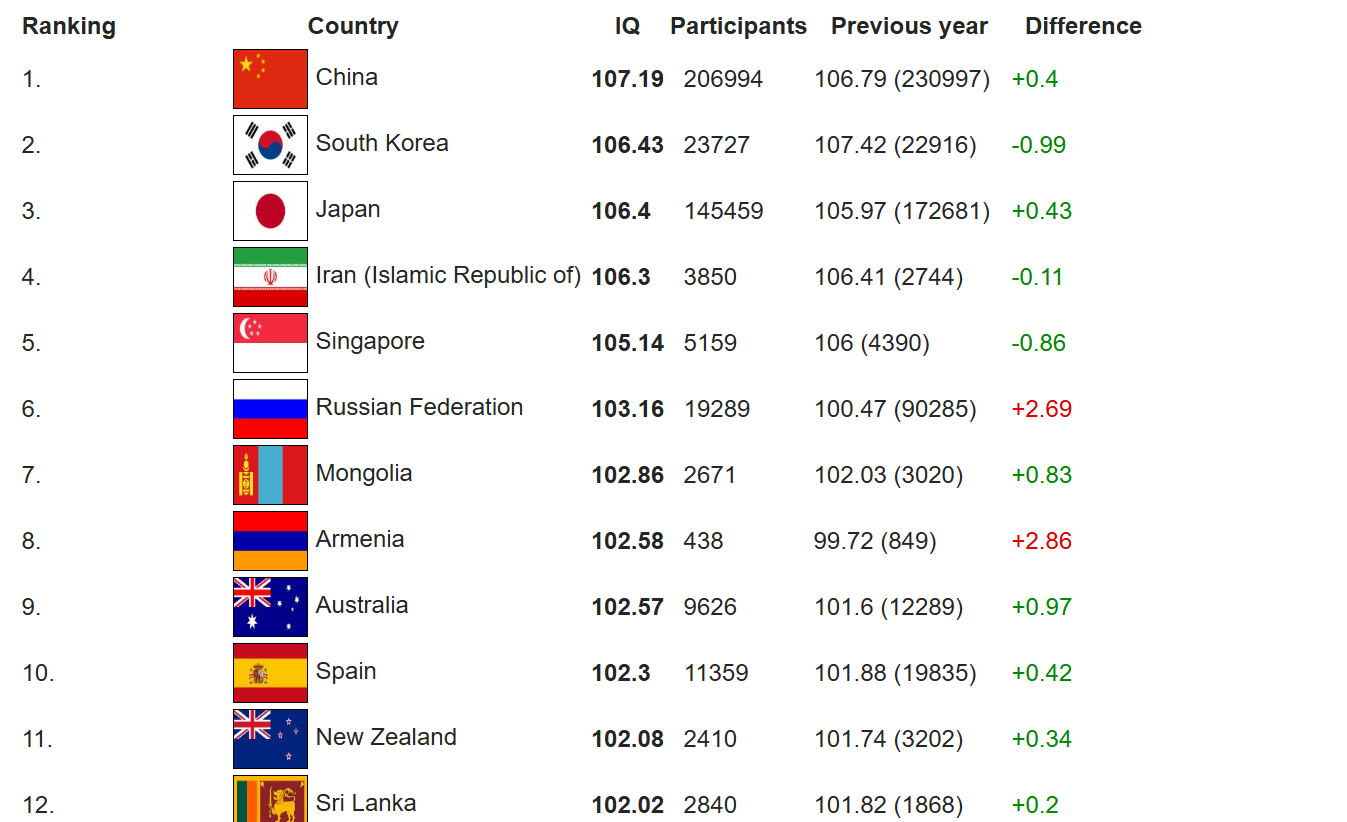 https://international-iq-test.com/en/test/IQ_by_country

Sri Lanka Tea Industry Bounces Back After Cyclone Ditwah
Sri Lanka’s tea industry has once again proven its resilience, with the Colombo Tea Traders’ Association (CTTA) confirming that Cyclone Ditwah caused only limited disruptions, leaving manufacturing untouched and allowing harvesting, transportation, and Colombo Tea Auction activities to steadily return to normal.
In a statement issued yesterday, the CTTA acknowledged that some tea-growing regions in Uva and Central Province experienced minor impacts. However, the Association emphasized that there were no losses in manufacturing capacity, thanks to a highly coordinated industry network prepared to confront natural challenges. “The cyclone presents yet another challenge, but it is by no means insurmountable,” the statement said.
While some roads connecting plantations to Colombo were temporarily affected, the majority have now reopened. Harvesting operations are gradually resuming, aided by temporary access roads constructed to ensure the smooth transport of green leaves and tea produce. Most plantations in the southern regions and along major transport networks were spared, ensuring that the flow of goods continues largely uninterrupted.
Tea auction activities at Colombo continue with minor adjustments. The auction originally scheduled for the first week of December has been rescheduled to the last week of the month, ensuring uninterrupted financial flows to producers, including smallholders. Floods caused by the Kelani River affected a few exporters’ offices and warehouses, with some tea bagging machinery damaged. The industry is actively restoring equipment to maintain timely delivery for overseas clients.
Sri Lanka’s tea production from January to October reached 220.97 million kilograms, an increase of over 3.3 million kilos compared to the same period last year and surpassing the 2023 output. This demonstrates the industry’s ongoing capacity to maintain growth despite environmental and economic challenges.
The CTTA underscored the industry’s history of resilience, citing past crises such as the COVID-19 pandemic, when the tea auction was successfully digitalized, and periods of severe economic strain, during which production, sales, and exports continued uninterrupted.
Comprising key stakeholders, including the Planters’ Association of Ceylon, Sri Lanka Tea Factory Owners’ Association, Colombo Brokers Association, Tea Exporters’ Association, and Tea Smallholding Development Authorities, the CTTA serves as the apex private sector body of the tea industry. Its collaborative approach ensures that challenges—from natural disasters to logistical disruptions are addressed effectively.
The CTTA concluded by reaffirming its commitment to supplying ‘Ceylon Tea’ globally, highlighting the unity and dedication of all stakeholders in overcoming obstacles and maintaining the industry’s international reputation.
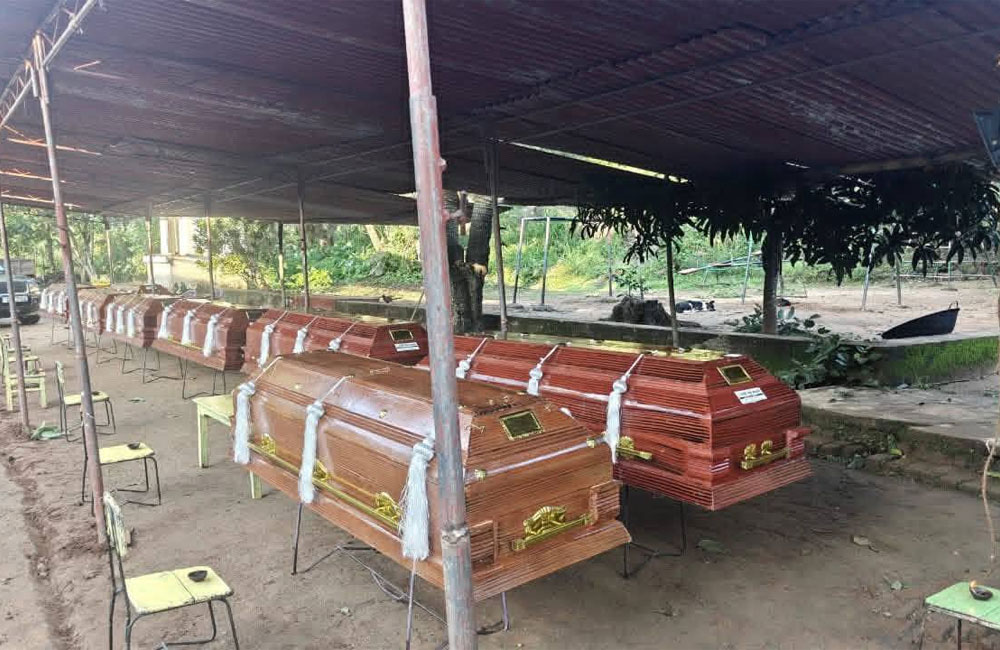
Mobile Service Launched to Issue Death Certificates for Disaster Victims
The Department of the Registrar General has decided to issue death certificates for 193 individuals who went missing due to landslides and floods triggered by Cyclone Ditwa.
According to a special gazette notification issued by the government on December 2, if a person goes missing during an emergency disaster situation and no information is received for two weeks, a death certificate may be issued. The Registrar General’s Department noted that this provision will now be applied to expedite compensation payments for the affected families.
As of now, 203 people remain unaccounted for due to the disaster. The department says all necessary legal procedures are already in place, and if a Grama Niladhari confirms that a person from the area is missing because of the disaster, the District Deputy Registrar is authorized to issue the death certificate.
If no objections are raised regarding the missing person, the application will be approved by the Deputy or Assistant Registrar General empowered by the Registrar General, following the recommendation of the Divisional Secretary.
Meanwhile, a special mobile service will be held tomorrow (13) and the day after (14) in the Central Province to issue death certificates, including those for missing persons, as well as to provide other civil registration services.
Central Province Deputy Registrar General Tharanga Subashini stated that all services at these mobile units will be provided free of charge. Copies of lost marriage, birth, and death certificates will also be issued on-site.
The mobile service locations are as follows:
December 13
Venue: Udahenthenna, No. 1 Tamil Maha Vidyalaya, Paragala Janapadaya
Time: From 9:00 a.m.
More Information: 081-2224470
December 14
Venue: Divisional Secretariat – Doluwa
Time: From 9:00 a.m.
More Information: 081-2224470

Sri Lanka Loses Billions in Tax Exemptions, Threatening Fiscal Stability
Sri Lanka continues to face significant revenue losses due to widespread tax exemptions, raising concerns about fiscal stability and the broader economic recovery. According to the latest Tax Expenditure Statement published by the Ministry of Finance in November 2025, exemptions and concessions reached Rs. 285.7 billion in the first half of 2025 alone equivalent to 57% of the total tax expenditure recorded since April 2023.
The report highlights that total exemptions since April 2023 have soared to Rs. 787.1 billion, encompassing Corporate Income Tax, Personal Income Tax, Value Added Tax (VAT), Excise Duty, Customs Import Duty, the Social Security Contribution Levy, and the Luxury Tax on Motor Vehicles. While measures to broaden the tax base and increase revenue collection have been introduced under the economic recovery program, these large-scale concessions continue to limit their impact.
The 2023/24 financial period primarily reflects income tax exemptions: Rs. 12.2 billion in Personal Income Tax and Rs. 119.3 billion in Corporate Income Tax, totaling Rs. 131.5 billion. VAT, excise, customs, and other consumption-based exemptions are reported in 2024, totaling Rs. 369.9 billion. Notably, VAT exemptions alone amounted to Rs. 333.3 billion in 2024, with Rs. 207.4 billion recorded in the first half of 2025, primarily covering essential goods, utilities, medicines, food supply chains, and priority sectors outside the Board of Investment framework.
Other significant exemptions include Rs. 61.7 billion in the Social Security Contribution Levy, largely aimed at shielding consumers from higher prices for electricity, water, fuel, and pharmaceuticals. Customs duty and excise duty exemptions, while smaller, support agricultural inputs, construction projects, and locally assembled vehicles. Luxury motor vehicle tax reliefs granted under Gazettes in 2023–2024 added to the fiscal burden, though recovery actions are underway against non-compliant beneficiaries.
These patterns have direct implications for Sri Lanka’s commitments under the International Monetary Fund program, which relies on improved revenue collection through VAT, income taxes, and enhanced administration of the Social Security levy. Analysts warn that continued high exemption volumes reduce the effectiveness of base-broadening reforms and could constrain public spending on essential services.
The Finance Ministry acknowledges these challenges and aims to integrate tax expenditure analysis into the annual budget cycle. Future efforts will include clear benchmarks, regular evaluation of high-cost exemptions, and sector-specific assessments to align tax reliefs with fiscal consolidation goals. However, the persistence of legacy exemptions from older investment regimes and transitional projects, such as Port City developments, suggests that achieving meaningful revenue gains will require careful policy recalibration.
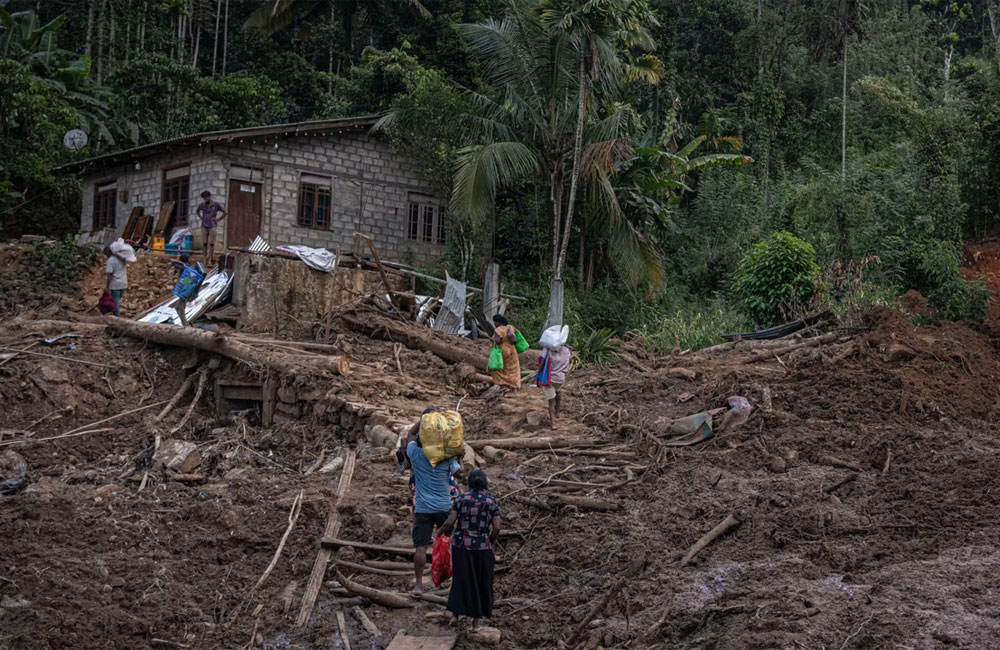
Mental Health and Resilience: How Sri Lankans Can Rebuild After Cyclone Ditwah
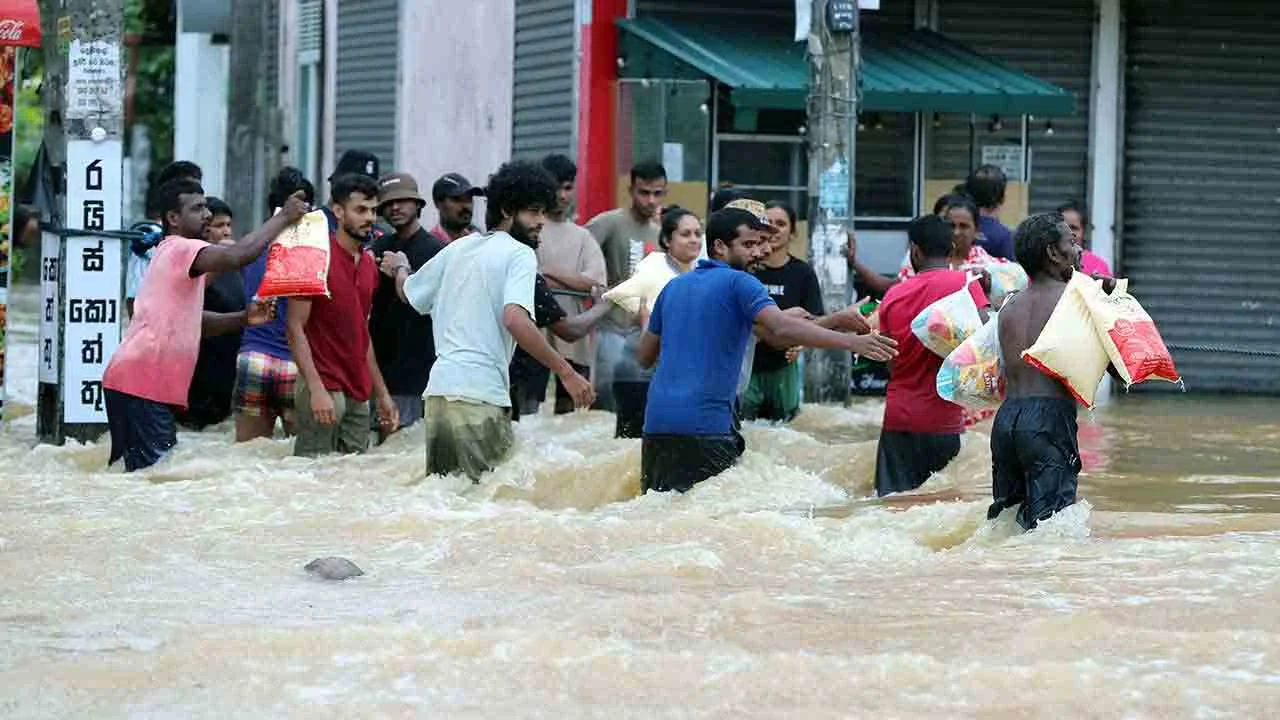
Mental Health and Resilience: How Sri Lankans Can Rebuild After Cyclone Ditwah Cyclone Ditwah has recently swept across Sri Lanka, leaving many families without homes, livelihoods, and the sense of security we often take for granted. Across the island, the Government, armed forces, disaster-response teams, international agencies, and countless volunteers have worked tirelessly to restore electricity, clear roads, provide shelter, and distribute essential supplies. Their dedication is helping communities rebuild the physical structures damaged by the disaster.
Yet recovery is not only about repairing buildings and roads. Disasters also affect our emotions, thoughts, and overall well-being, and caring for these inner experiences is just as essential.
This article aims to guide readers on how to nurture their mental health and strengthen inner resilience after a disaster. We will explore common emotional and physical reactions people may experience, practical ways to cope with them, and how individuals and communities can support one another. We will also introduce the concept of resilience- the inner strength that helps us recover and adapt and provide simple strategies to cultivate it in everyday life. By understanding these aspects, Sri Lankans can heal not only their homes and surroundings but also their minds and hearts. What People Often Feel After a Disaster? — Normal Reactions to a Crisis According to WHO (2011), almost everyone affected by emergencies such as natural disasters experiences psychological distress in the days and weeks that follow.
Here are some of the common reactions - emotional, cognitive, physical, and behavioral -that people may go through after a cyclone, flood, landslides or similar disaster. Understanding them helps us recognize that these feelings are normal, not a sign of weakness.

Emotional and Internal Responses
• Fear and anxiety, especially when reminded of the disaster.
• Sadness, grief or a heavy sense of loss - particularly when people have lost homes, property, or loved ones.
• Irritability, anger or frustration -sometimes emerging even without an obvious trigger.
• Emotional numbness, emptiness or hopelessness - especially when overwhelmed by the scale of loss.
Cognitive Changes
• Difficulty concentrating or making decisions - a temporary confusion or inability to focus that affects daily life.
• Recurring memories, thoughts or nightmares about the disaster - involuntary mental replay of frightening events.
Physical and Behavioral Reactions
• Sleep disturbances - trouble falling asleep, waking often, nightmares, or oversleeping.
• Loss of appetite or other somatic complaints (headaches, stomach problems, general fatigue) - stress often manifests in the body.
• Withdrawal, reduced interest in daily activities, or emotional distancing - people may lose motivation and avoid social contact.
When Reactions Go Beyond the Short-Term: Persistent or Long-Term Distress For many, these reactions gradually ease over time as life stabilizes.
However, especially for those who experienced strong trauma (loss of loved ones, severe destruction, repeated exposure, or ongoing hardships) some may develop more lasting conditions such as:
• Post Traumatic Stress Disorder (PTSD) - characterized by intrusive memories, avoidance of reminders, heightened arousal or hypervigilance.
• Prolonged depression or persistent anxiety - interfering with everyday functioning, work, relationships, sleep or appetite.
• Complicated grief - when feelings of loss don’t fade and start disrupting daily life and emotional well-being.
These are not “rare exceptions” - global disaster‑mental‑health research shows that a significant portion of people may go through such follow-up struggles Disasters shake not only our environment but also our emotional world. Understanding the normal reactions to crisis and knowing how to cope can help us heal faster as individuals, families, and communities.
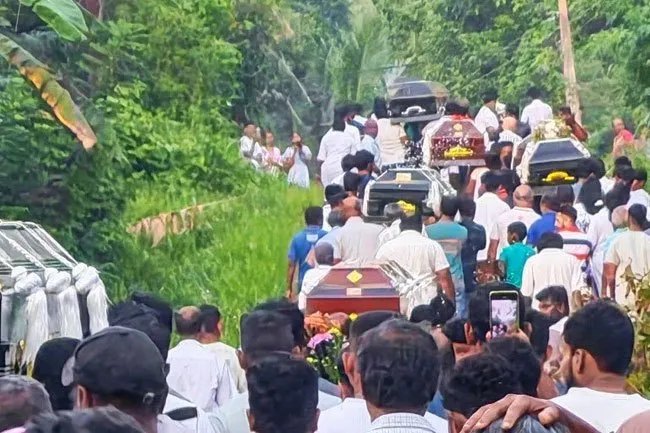
Why It’s Important to Understand These Reactions Now?
By recognizing these reactions as common, understandable, and expected, individuals and communities can:
• Avoid self‑stigma (“Why am I feeling this way - is there something wrong with me?”)
• Respond with compassion and patience - for themselves and others
• Identify when someone may need more support (if reactions persist for weeks or worsen)
Our goal in this article is to reassure people that these feelings are part of the healing process and to offer ways to manage them, strengthen inner resilience, and support one another safely.
Practical Strategies to Cope and Heal After a Disaster Recovering from a disaster is not only about rebuilding homes and roads, it is also about healing our minds and hearts. While emotional reactions are natural, there are effective strategies that individuals and communities can use to manage stress and strengthen resilience.

1.Personal Strategies: Caring for Your Own Mental Health
• Even small, daily actions can make a big difference
• Acknowledge your feelings: It is normal to feel fear, sadness, or anger. Naming your emotions reduces their intensity.
• Maintain routines: Regular meals, sleep, exercise, and family time restore a sense of stability.
• Connect with trusted people: Talking with friends, family, or community members helps process emotions and reduces isolation.
• Limit exposure to distressing news: While staying informed is important, too much news or social media can heighten anxiety.
• Practice calming techniques: Deep breathing, gentle walking, meditation, prayer, or cultural rituals can help soothe stress.
• Set small, achievable goals: Even minor tasks like cleaning a room, cooking a meal, or helping a neighbor can restore a sense of control.
• Help others if you can: Even when you are affected, offering small acts of support—like assisting a neighbor or sharing resources-can bring a sense of purpose and inner peace.
• Seek professional help if needed: Persistent sadness, anxiety, nightmares, or physical symptoms may require support from a counsellor, psychologist, or mental health professional.
2.Social Strategies: Supporting Each Other
Disasters affect entire communities, and recovery is faster when people come together. Simple acts of support can make a lasting difference:
• Offer emotional support carefully: Listen patiently and reassure others that their reactions are normal. Do not pressure anyone to talk about their experiences, they should only share if they are willing.
• Share accurate information: Help people access reliable news, resources, and services.
• Provide practical help: Assisting with meals, temporary shelter, or transportation eases stress and strengthens community bonds.
• Encourage participation: Involve community members in rebuilding efforts, cultural activities, or religious gatherings to foster a sense of belonging and purpose.
Psychological First Aid (PFA): Simple Steps Anyone Can Take Psychological First Aid (PFA) is a practical approach that can be used by anyone in a position to support people during or after a crisis-not only mental health professional. Relief workers, volunteers, health staff, teachers, community leaders, and even local officials can apply its basic principles. You do not need specialized training in psychology to provide PFA; the essential skills can be learned easily and integrated into everyday helping roles during emergencies.

Basic characteristics of PFA:
• An easy, practical approach recommended by WHO to help people in the immediate aftermath of a disaster:
• Ensure safety: Help people feel physically and emotionally secure.
• Offer comfort: Provide reassurance and a calm presence.
• Connect to support: Help individuals reach family, friends, or community resources.
• Provide information: Share reliable updates and resources.
• Foster hope: Remind them that emotional reactions are normal and recovery is possible.
Important: Do not pressure people to recount traumatic experiences. Only allow them to share their story if they are willing, and avoid insisting they “talk about it” as part of their healing.
Building Resilience: The Secret of Inner Strength Stress and difficult situations are a natural part of life, yet many people are able to maintain their mental well-being despite these challenges. What makes them different? It’s not only major life events such as serious accidents, violence, or the loss of a loved one that can affect our mental health. Even smaller stressors, if they occur repeatedly or over a long period, can take a significant toll. People who are resilient, however, seem to have strategies that help them cope and stay mentally strong, even in tough circumstances. Neuroscience research provides insight into these strategies. A study led by Professor Raffael Kalisch at Mainz University, one of Europe’s leading centers for resilience research, found that a key factor is how people perceive stress. Those who view stress with a sense of optimism and believe they can manage challenges are more likely to recover and adapt. Developing this positive outlook, believing that situations will likely improve and that one can handle difficulties can reduce vulnerability to stress. In essence, resilience is the capacity to adapt, recover, and emerge stronger after adversity. It doesn’t mean never feeling fear, sadness, or anxiety; rather, it is the ability to bounce back and find hope, even in the most challenging times.
Ways to Strengthen Resilience
• Stay connected with family, friends, and your community. Social support provides emotional stability and a sense of belonging.
• Practice gratitude for small blessings in everyday life.
• Engage in cultural or spiritual practices that give meaning and comfort.
• Help others, even in small ways, which strengthens your own sense of purpose and inner peace.
• Learn from challenges rather than seeing them as purely negative. Reflecting on what each difficulty teaches us can increase confidence and coping skills.
A Message of Hope Cyclone Ditwah has reminded us of both our vulnerability and our strength. Recovery is not only about rebuilding homes and infrastructure, it is also about restoring balance in our lives and communities. This disaster carries an important lesson about our relationship with nature. Living in harmony with the environment-protecting forests, rivers, and coastlines, and making thoughtful choices in construction and development-can help reduce the impact of future disasters. By learning from this experience, we have the opportunity to emerge stronger, wiser, and more mindful of the world around us. Let us rebuild our villages, communities, and lives in ways that honor both human resilience and the natural environment that sustains us.
Darshika Thejani Bulathwatta
Psychologist and researcher
Sri Lanka’s Weather Warnings Fail as Doppler Radar Delays Mount
Sri Lanka’s worsening climate disasters have exposed a critical weakness in the country’s early-warning system: the absence of a functioning Doppler radar, a tool regarded globally as essential for accurate real-time weather forecasting.
A Japan International Cooperation Agency (JICA)–funded radar, promised years ago, is now expected only by 2027, raising questions about government accountability after a series of devastating cyclones and floods.
A Doppler radar detects precipitation levels and wind movements, enabling meteorologists to track storm formation, direction and intensity with high precision.
For an island increasingly battered by extreme weather, the absence of such technology has had deadly consequences. Communities hit by recent cyclonic systems say warnings came too late or were too vague to prepare.
Officials privately admit that the Met Department’s limited forecasting capacity without a Doppler system severely restricts the accuracy of localised alerts.
Sri Lanka was supposed to receive two Doppler radars through a JICA grant agreed in 2017. That number was later cut to one. Even that single unit faced repeated delays due to the pandemic, the economic collapse, procurement bottlenecks and administrative mismanagement.
Construction at the Puttalam meteorological station began only after contracts with Japan Radio and Hazama Ando Corporation were signed in June 2024. Suppliers were finalised four months later, restarting a project that had been dormant for years.
This is not the first time the Met Department mishandled Doppler technology. An earlier attemptundertaken with the World Meteorological Organisation (WMO) collapsed in what auditors described as a costly “disaster.”
The National Audit Office revealed that Rs 400 million allocated in 2006–2007 for a Doppler system was effectively wasted. The radar, purchased on Sri Lanka’s instructions from the US-based Enterprise Electronics Corporation, was installed on a 20-metre tower atop the Gonagala peak in Deniyaya.
After installation, the supplier informed the WMO that the required electronic connectivity was impossible to provide.
Eighteen years later, no one knows where that radar is or why technical feasibility was never verified before purchase.
Amid the current crisis, the Met Department’s Director General was barred from speaking to media following public anger over missed warnings during the latest cyclone. The information freeze has further fuelled suspicion about systemic failures and internal accountability gaps.
Scientists warn that without Doppler radar coverage, Sri Lanka will continue to rely on outdated systems incapable of capturing rapid storm intensification now common due to climate change.
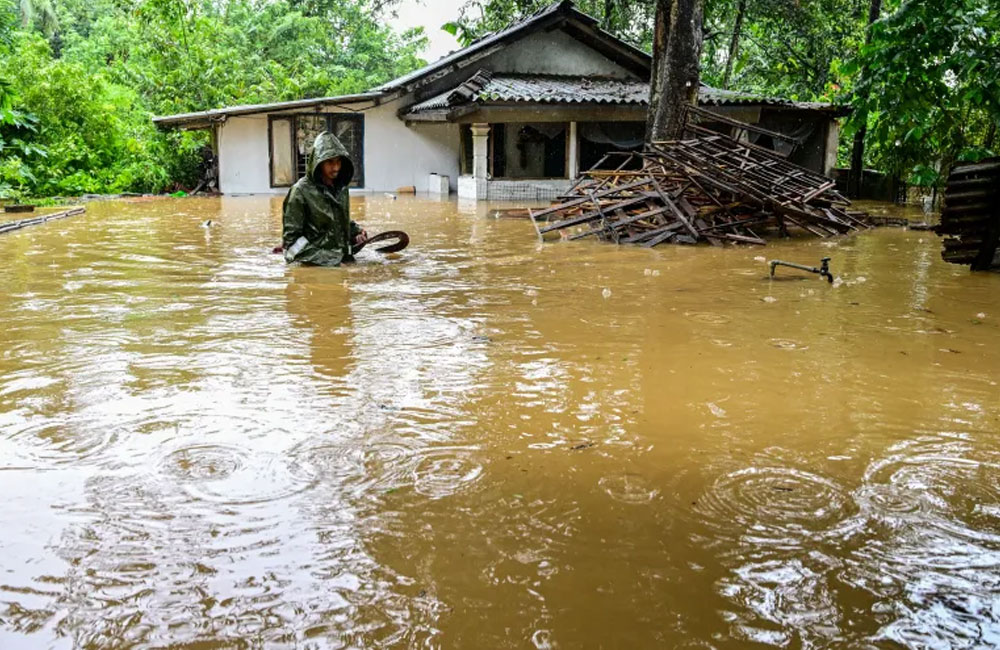
As people struggle to rebuild homes destroyed by floods, the question remains unanswered: how many more disasters will strike before Sri Lanka finally installs the technology it has been promised for nearly two decades?
"Cyclone Ditwah" proves, AKD Government no match to its "challenge"
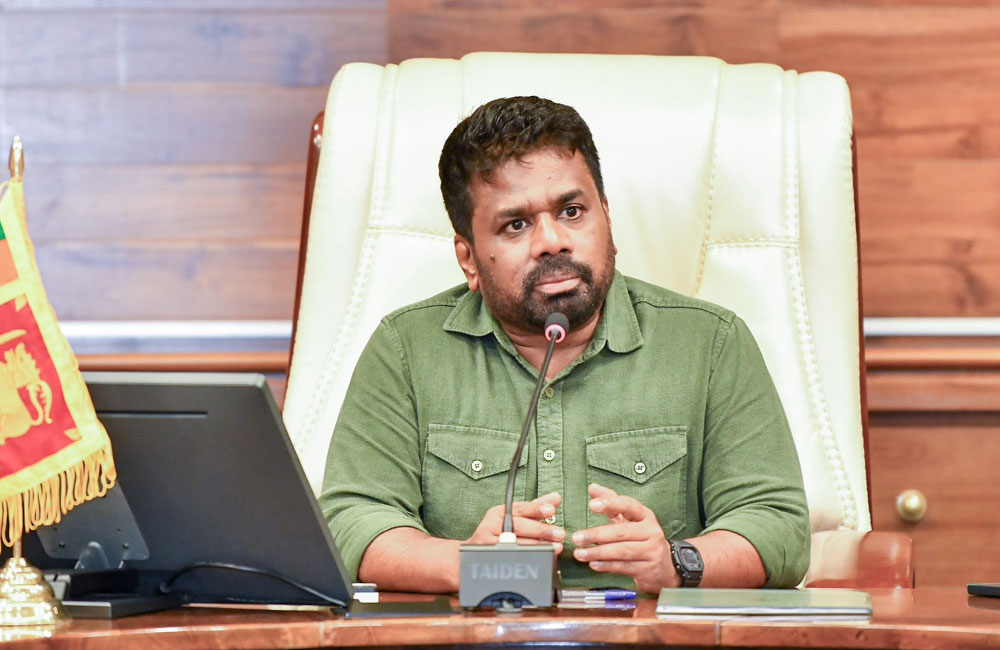
It's about two weeks, since Cyclone "Ditwah" almost flattened Sri Lanka, from end to end. President Anura Kumara Disanayake who complained lack of proper data for planning reconstruction work in post cyclone "Ditwah", was going from district to district with cameras meeting the bureaucracy, capturing him discussing damages. He went on record saying, there were people who said Sri Lanka would take years to get back on its feet, but his government has already laid the ground for normalcy.
Day before (December 09), the Education Ministry announced all Montessories and Pre-schools would begin from Tuesday 16 December. Obviously a crude attempt to tell the people, the government is far more efficient than what the Opposition is saying. Meeting with Principals of "national" schools and with provincial educational administrators, Secretary Ministry of Education announced on 09 December, out of over 10,096 schools, all schools in Western (1,344), South (1,101), Sabaragamuwa (1,101), East (1,124) and North-Central (1,243) provinces will begin on Tuesday 16 December. That would be roughly 50 percent of the schools. He had also said, 26 schools in Uva, 06 in North-West and 115 in Central province would remain closed. What that means, is not quite clear, as these provinces are not listed as provinces that would open schools from 16 December.
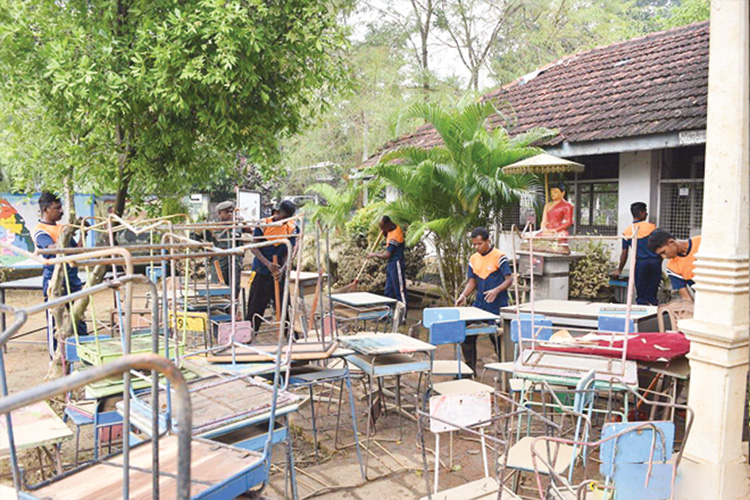
What's funny here is, these schools that is to re-open on 16 December, would close for the term on 23 December. Just 06 days of tidying and cleaning-up the school, not teaching. Thereafter, all 10,000 plus schools will begin the first term on 01 January 2026. What purpose would it serve to have half the schools open for just 06 days and not for teaching?
Meanwhile warnings on turbulent weather keep coming. To date (11 December) highest number of affected people were reported on 30 November evening, 03rd day since Cyclone "Ditwah" moved into Sri Lanka on 27 November. On 30 November, the highest number of affected families was 5,524 from Badulla district, while Colombo was next with 5,303 families. Highest number of safety centres were also in Badulla with 180 and Kandy district next with 176 safety centres.
It was not only deaths, that shocked the whole society. It was "affected" numbers with debris all round. Families whose houses were simply flattened to the ground. Families that were thrown out from their houses. Those who lost their entire life's savings and investments. Those who lost their means of livelihood. And the elderly and the children who are cyclone-shocked and need professional counselling. Whose numbers are yet not known. It's that "human tragedy" this society would be compelled to shoulder.
Again on 01 December, there were a total of 57,790 affected families, an increase of over 2,000 affected families from previous day, though with a reduced number of safety centres totalling 1,368. Affected number of families in Puttlam had increased by over a 1,000 to 4,104, Badulla had increased to 6,685 with over a 100 more and Kegalle increased from 3,225 on 30 November to 4,647 on 01 December.
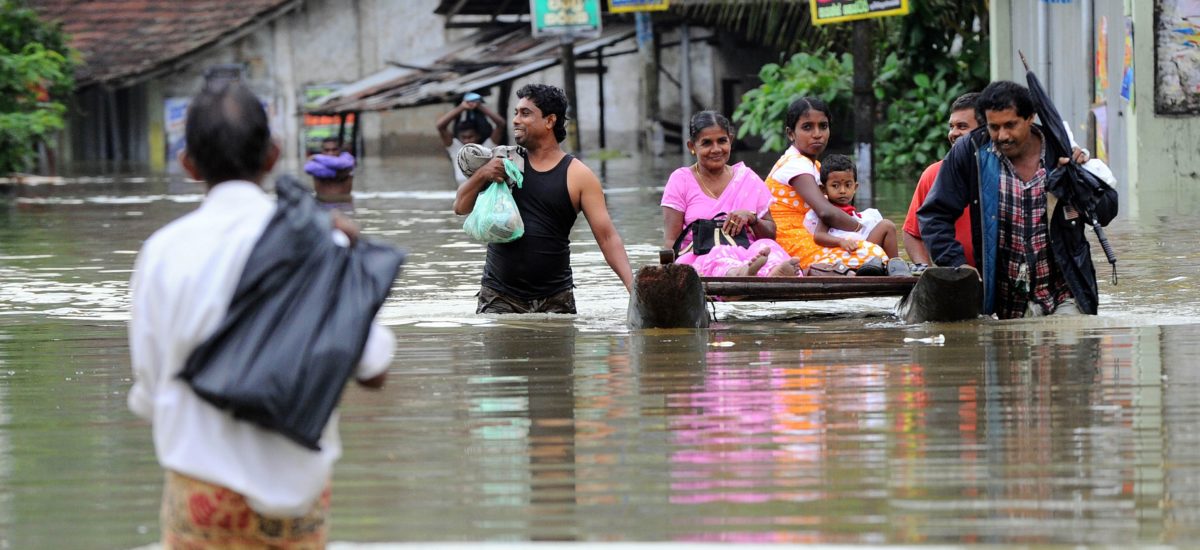
From December 06 to 09th, fluctuation of numbers show a significant decrease with Cyclone Ditwah moving out of the country. The physical and human tragedy had not come to an end though. Every day, there were reports of landslides; small, large and massive. To this continuing devastation, we were told our North-East monsoon was setting in and would have high rainfall on already devastated areas. As said, there were increased rain in North-East of the Central hills, with reports of more landslides. DMC numbers on 10 December, thus show an increase of 6,441 affected families and 21,705 individuals over numbers of the previous day.
Once again there were "Red notices" issued on "possible landslides" in Matale, Kandy, Kurunegala and Kegalle, with a total of over 45 threatened areas earmarked as these districts have had over 150 mm of uninterrupted rain during the past 24 hours. There were also Level-2 "Amber" warnings for nearly 40 other areas in Kuruegala, Kegalle and in Badulla districts.
What then was the urgency to reopen half the number of schools for just 05 days? The AKD presidency and the JVP/NPP government are being increasingly condemned for amateurish work and lack of "common sense" planning. AKD presenting the 2026 Budget wanted to prove they are more efficient than what any previous government was by saying, they have disproved all who claimed it would take a decade to get back to pre-economic bankruptcy, by achieving near normalcy in just 01 year. Here too, his claim that the government has already laid the ground for normalcy though people said it would take years to get back on its feet, is to be proved by reopening schools. It is a fact, people do feel "normal" when schools are open and see children going to school. It is that social psyche he is attempting to create, sadly in a society that still struggles to get out of the debris they are caught in.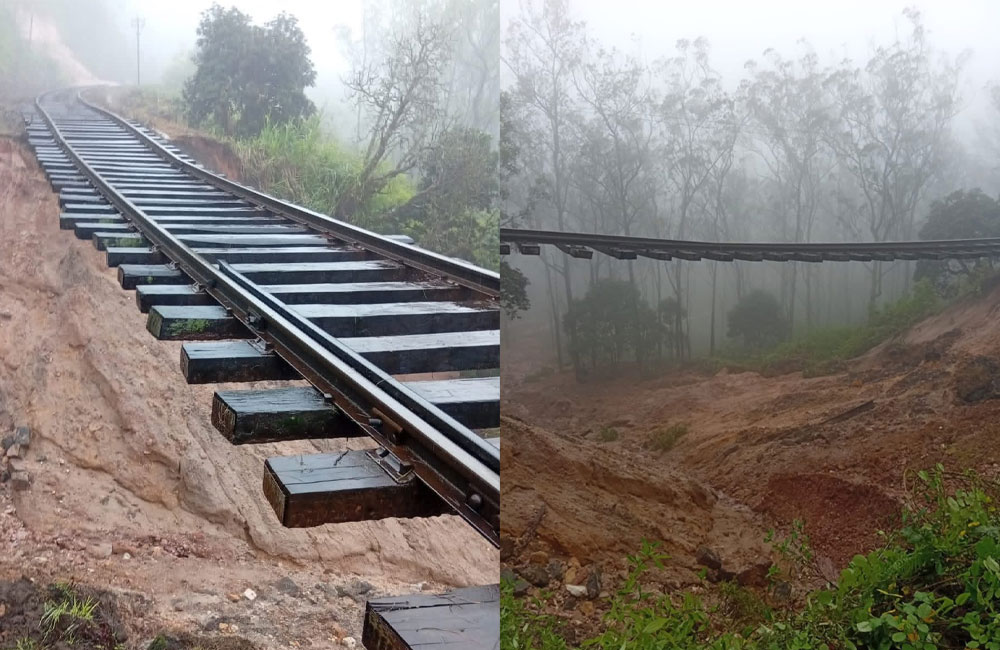
It would have therefore been more decent, acceptable and promising had he said, he would have both the Colombo-Badulla rail track and the Colombo-Kandy A-1 road done for normal traffic before year end, a six-month living allowance of Rs.50,000 per mensem for those who are displaced and have lost their livelihood and also free counselling for the needy. Main road and rail road repairs he knows is not possible for many months to come. Though incoming foreign assistance is heavily hyped, the government seems scared to talk of a living allowance of Rs. 50,000 per mensem with massive infrastructure repairs at hand and yet with no estimates done. Cyclone Ditwah I believe, left Sri Lanka with a screaming and weeping human tragedy never heard of before on this land and with proof, the government is no match to the challenge it left.
 Kusal Perera
(Source - https://kusalperera.blogspot.com/)
“Vehicle Plan for WB project Reflects Structural Gaps in Public Health”
Sri Lanka’s decision to divert US$150 million in World Bank IDA funds into a massive vehicle procurement programme has exposed a truth long whispered inside the health sector: frontline public health services have been running on a fragile, hollowed-out system, where workers are expected to deliver community care without the most basic tools to reach the communities they serve.
The move made under the banner of the Primary Health Care System Improvement Project (2024–2028) has ignited questions about whether the government is using development financing to plug years of chronic neglect rather than to deliver the reforms the World Bank originally intended.
At its core, the IDA project was designed to tackle non-communicable diseases, strengthen elderly care and improve climate-resilient health services.
But the Cabinet’s approval of more than 4,000 vehicles, from scooters and motorbikes to clinical-waste Lorries, double cabs, freezer trucks and even an ambulance boat, signals a far more uncomfortable reality:
Sri Lanka’s community health network is so under-resourced that basic mobility—not medical expertise, not diagnostic capacity, not technology has become the number one barrier to delivering care.
Field staff describe a system where midwives walk miles to reach pregnant mothers, public health inspectors borrow motorcycles, and nurses rely on irregular public transport to respond to outbreaks or deliver home-based care.
These are not isolated incidents they are symptoms of a system that has been chronically weakened while political administrations repeatedly underfunded operational essentials.
Government officials insist the procurement is fully justified, arguing that without transport, the World Bank’s objectives cannot be met. In their view, the fleet represents long-overdue investment: the physical foundation upon which community-based care must stand.
Their argument, however, raises a far more serious question why did the health system collapse to a point where imported vehicles funded by foreign loans are the only way to keep frontline services functioning?
Critics point out that using IDA credit—a concessional financing tool meant to strengthen public health outcomes for what resembles a large-scale import programme risks undermining the project’s integrity.
They warn that the sudden shift from health-system reform to vehicle acquisition may not fully align with the World Bank’s approval criteria, and could trigger compliance scrutiny if objectives appear diluted or redirected.
There are also concerns about procurement transparency, given Sri Lanka’s history of inflated tenders, politically favoured suppliers, and weak oversight in large purchases.
The size of the fleet far exceeding standard replacement cycles has raised eyebrows among health-sector analysts who fear that expensive equipment may end up under-utilised or poorly maintained once the project ends.
Still, the controversy reveals a brutal truth: Sri Lanka’s health system is no longer failing at the marginsit is failing at the fundamentals.
Vehicles may temporarily help frontline workers reach patients, but they cannot by themselves fix the deeper deficiencies in diagnostics, staffing, community health planning and long-term prevention strategies.
Unless this procurement is paired with real reform, serious monitoring, and a transparent results framework, Sri Lanka risks turning a rare opportunity for structural health improvement into yet another band-aid solution bought on borrowed money.
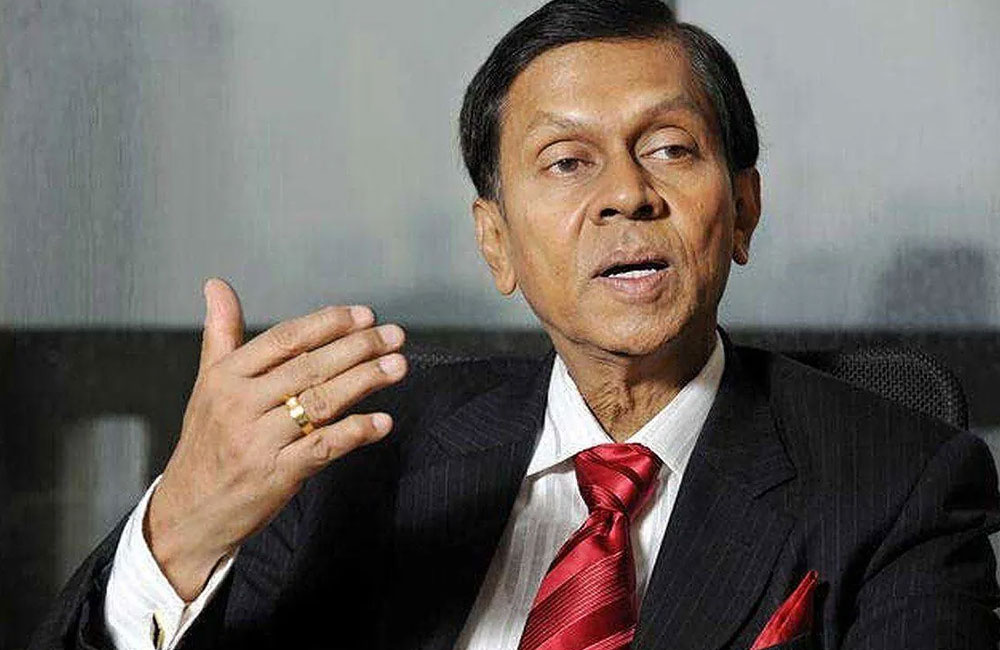
Cabraal discharged on condition he compensates Central Bank in three months
Former Central Bank of Sri Lanka (CBSL) Governor Ajith Nivard Cabraal was given a conditional discharge by the Colombo High Court following representations by his legal team to withdraw the indictment against him because there is no evidence to prove he had intentionally caused a financial loss to the Government by investing in Greek Treasury Bonds.
Earlier this week, the Colombo High Court gave permission to discharge Cabraal on condition he compensates the Sri Lanka Central Bank for losses it incurred by investing in the bonds.
The Court gave Cabraal three months to transfer a little over Rs. 1.8 billion to the CBSL’s account. He risks being indicted further if he violates the Court order.
Cabraal, who was the Governor of the Central Bank between 1 July 2006 to 8 January 2015, is accused of causing a loss of over Rs. 1.8 billion to the Sri Lanka Government by investing in the Bonds.
In representations made to the Commission to Investigate Allegations of Bribery and Corruption (CIABOC) Cabraal’s lawyer said although his client’s participation in the decision to invest in Greek bonds cannot be denied, he did not have the requisite intent or knowledge to cause a wrongful or unlawful loss to the Government.
The representations emphasise the collective nature of the decision making that took place in the Central Bank with Cabraal’s lawyer stating, “his client acted based on the recommendations of his Deputy Governors and senior officers and there is no evidence whatsoever he acted arbitrarily.”
While highlighting that the CBSL’s documented records which point to overall yield profitability is a testimony to the bona fides of his client and the Monetary Board, the representations invoke the statutory protection for his client under the Monetary Law Act for acts done in good faith.
Meanwhile, in a statement issued on 10 December the CIABOC said it had agreed to withdraw the indictment against Cabraal, the first accused in the case, on condition he pays compensation of Rs. 1,843,267,595.65 to the Central Bank. The legal provision for this is s. 67 (3) of the Anti-Corruption Act 2023.
Cabraal and four other senior Central Bank officers were indicted in the High Court for conspiracy to commit the offence of corruption under Sri Lanka’s bribery legislation. Cabraal himself was individually indicted for the offence for his alleged role in investing in Greek Government bonds between 16.03. 2011 and 29,11,2012.
The CIABOC statement went on to say that steps will be taken to indict Cabraal further under s. 67 (5) of the Act if he fails to pay the compensation.
The indictment was withdrawn under s. 67 (1) of the Act.
The four other accused in the case were acquitted under the provisions of the Penal Code.
By Sarasi Wijeratne
(Source - ft.lk)

Cyclone Ditwah Relief: Germany Sends €500,000 in Emergency Assistance
Germany has announced emergency assistance worth approximately €500,000 to aid Sri Lanka in the aftermath of Cyclone Ditwah. The support is being provided under the European Union Civil Protection Mechanism (EU UCPM) as part of the EU’s coordinated emergency response.
The initial needs were identified through the EU Civil Protection and Humanitarian Aid Operations (ECHO). Funded by the German Federal Foreign Office and delivered via the Federal Agency for Technical Relief (THW), the aid package includes emergency shelter materials, water, sanitation and hygiene (WASH) supplies, personal protective equipment (PPE), and technical equipment to assist ongoing relief operations across the country.
A THW delegation is currently in Sri Lanka, working closely with national authorities to ensure the aid complements broader relief efforts.
Germany reiterated its solidarity with Sri Lanka, expressing its commitment to supporting the nation’s rebuilding and recovery, and extended condolences for the tragic loss of life and damage caused by the cyclone.

Awards Ceremony of Agenda 14 Short Film Festival Held at Goethe-Institut
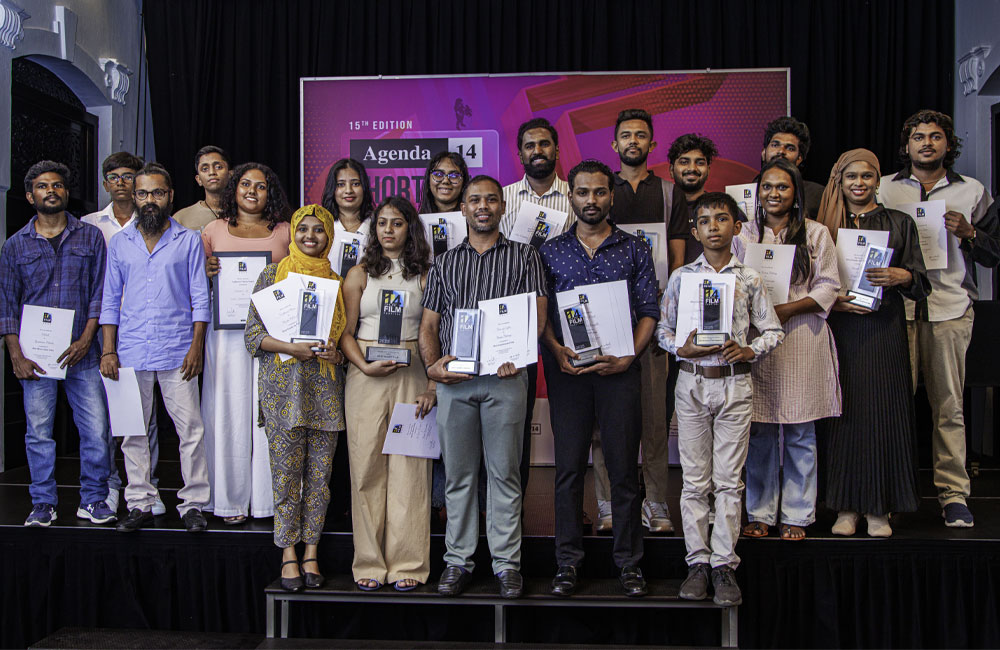
The awards ceremony of the Agenda 14 Short Film Festival was held on December 7 at the Goethe-Institut (German Cultural Centre) in Colombo. The festival is Sri Lanka's premier event dedicated to recognizing and celebrating the short film works of young filmmakers.
Under 12 award categories, 20 individuals including young filmmakers and actors were honoured with awards and certificates at the ceremony.
Marking its uninterrupted 15th edition this year, the festival screened 50 selected short films (chosen from submissions received from 16 districts across Sri Lanka) from December 4th to 7th at the Goethe-Institut, and from 5th to 7th at the Alliance Française de Colombo. All screening sessions recorded exceptionally high audience turnout.
Film and teledrama director and actor Jagath Manuwarna served as the Jury President this year. The other jury members were film scholar and filmmaker Athula Samarakoon, film editor Saman Alvitigala, translator and film critic Muralitharan Mauran, and filmmaker and writer Ajantha Wijewardena.
The festival's main partner is the Goethe-Institut, while the venue partner is Alliance Française de Colombo. The festival is also supported by the Embassy of France, The Centre for Policy Alternatives (CPA), and The International Movement Against All Forms of Discrimination and Racism (IMADR).
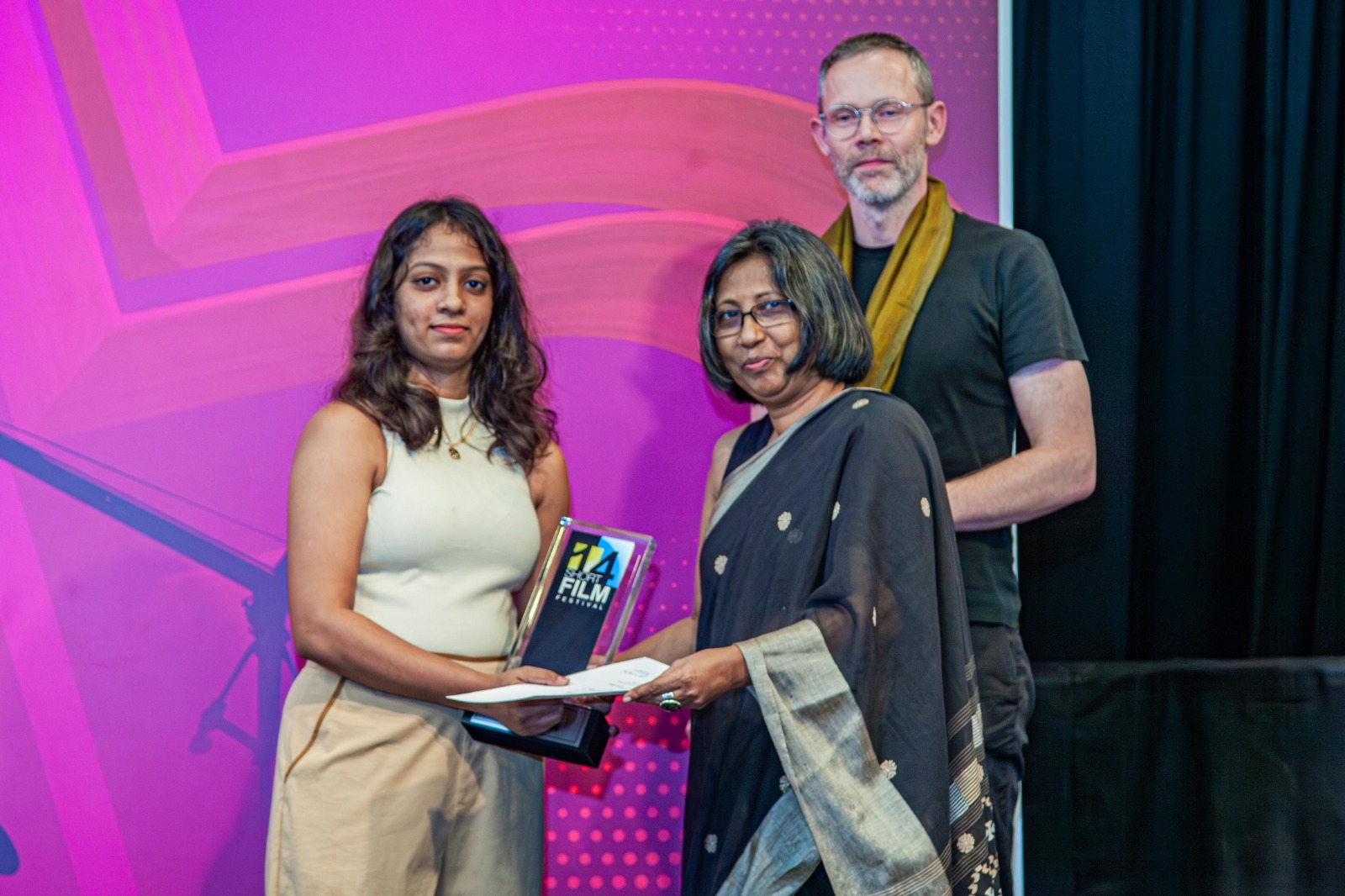
The awards were presented by distinguished guests including Cécile Hoorelbeke (Director, Alliance Française de Colombo), Olivia Bellemere (Cultural Counsellor at the Embassy of France in Sri Lanka), Jan Ramesh de Saram (Cultural Programming - Goethe Institut), Stefan Winkler (Director, Goethe-Institut Sri Lanka), Dr. Nimalka Fernando (Chairperson, IMADR Asia Committee), and Markus Ruff (Head of Archival Projects at Arsenal – Institute for Film and Video Art).
Anomaa Rajakaruna, the founder and director of the Agenda 14 Short Film Festival, is a pioneering filmmaker who has dedicated many years to promoting short film as a popular and powerful medium among contemporary young creators in Sri Lanka. She is also a film curator and an internationally recognised trainer in filmmaking.
The award-winning films and their creators are as follows:
Best Short Film Nominations:
- 'High Dose' by Vishvajith Ekanayaka
- 'Stuckholm' by Nayani Narayana
- 'His First Period' by Avishka Arangalla
- 'Is Snow White?' by Sureni Ranawaka
- 'Neelum Oor Kadaisi Iravu' by Jacob Luke Jeroshan
- Award - 'Is Snow White?' by Sureni Ranawaka
- Jury Award - 'Neelum Oor Kadaisi Iravu' by Jacob Luke Jeroshan
Most Promising Filmmaker
- Kenula Pathirathna for 'Vipallasa'
Most Gender Sensitive Film Nominations:
- 'Withered Flower' by Nuzha M.W.F.
- 'Is Snow White?' by Sureni Ranawaka
- 'Unwritten Verses' by Fathima Shanaz
- Award - 'Unwritten Verses' by Fathima Shanaz
- Sunila Abeysekera Memorial Human Rights Prize Nominations:
- 'His First Period' by Avishka Arangalla
- 'Attai Kadiththathu Poga Meedhamulla Kaalgal'' by Thiyagaraja Yuwarajan
- 'Katha Karana Biththiya' by Sanduni Wanasinghe
- Award - 'Attai Kadiththathu Poga Meedhamulla Kaalgal'' by Thiyagaraja Yuwarajan
Micro Short Film Nominations:
- 'Neth's Folly' by Ginuki Jayaweera
- 'Mulveli 'by Vijarathnam Maalan
- Award - 'Neth's Folly' by Ginuki Jayaweera
Green Award Nominations:
- 'Trace' by Dinesh Balasri
- 'Right Choice' by Dimantha Ranaweera
- Award - 'Trace' by Dinesh Balasri
Best Experimental Film Nominations:
- 'Tears of Ceylon' by Viranga Pathirage
- 'His First Period' by Avishka Arangalla
- 'My Dear Fish Tank' by Poojana Dandeniya
- Award -'His First Period' by Avishka Arangalla
Outstanding Performances Awards:
- Sureshkumar Mithujan for 'Neelum Oor Kadaisi Iravu'
- Nuzha M.W.F. for 'Withered Flower'
- Special mention: Ramesh Pavithran for 'Trace'
Best Animation Nomination:
- 'Stuckholm' by Nayani Narayana
- 'Neth's Folly' by Ginuki Jayaweera
- Award: 'Stuckholm' by Nayani Narayana
Best Editor
Thamesh Malinda for 'Cold Desire'
Best Cinematographer
Viranga Pathirage for 'Tears of Ceylon'
Audience Choice Award
'Between Us' by Vinuri Vibudhana Kiriwendala

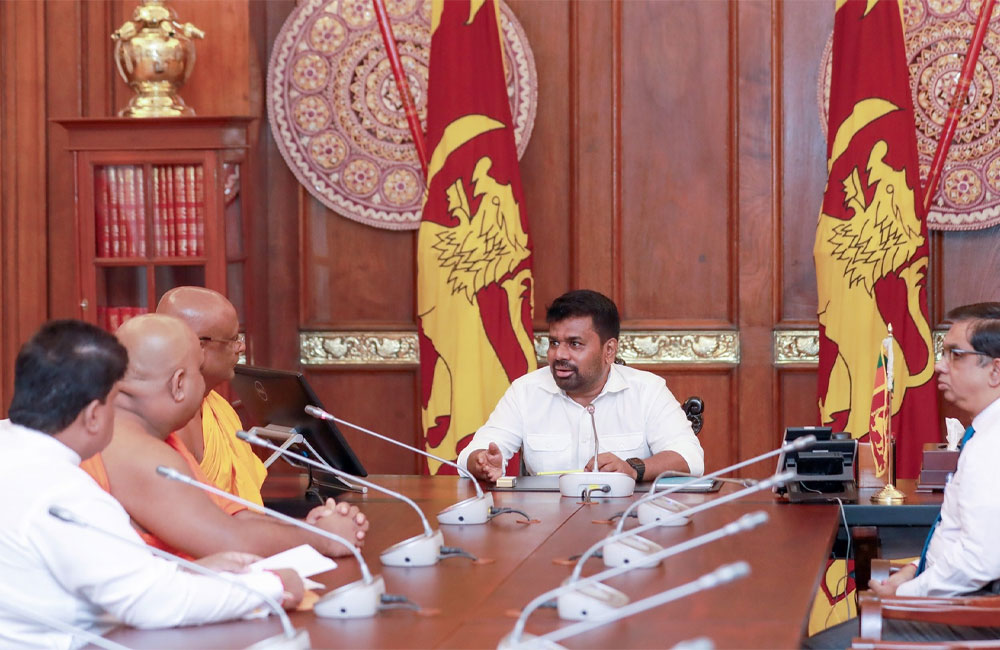
Dalada Maligawa Donates to ‘Rebuilding Sri Lanka’ Fund
The Deputy Registrars of the Malwathu and Asgiriya Chapters have praised the government, led by the President, for its efforts to rebuild communities and restore normalcy in the aftermath of the recent disaster, the President’s Media Division (PMD) announced.
Their remarks were conveyed by Rajakiya Panditha Darshanapath Ven. Mahawela Rathanapala Thero, Deputy Registrar of the Malwathu Maha Viharaya Chapter of the Siyamopali Maha Nikaya; Ven. Dr. Muruddeniye Dhammarathana Thero, Deputy Registrar of the Asgiriya Chapter of the Siyamopali Maha Nikaya and Chief Incumbent of the historic Badulu Muthiyangana Raja Maha Viharaya; and Nilanga Dela, the Diyawadana Nilame of the Sri Dalada Maligawa.
The remarks were made during a meeting with President Anura Kumara Dissanayake at the Presidential Secretariat this morning (11), the PMD said.
Discussions centred on ongoing relief and resettlement measures for communities affected in the Kandy district.
Meanwhile, the Diyawadana Nilame outlined the role the Temple of the Sacred Tooth Relic could play in supporting resettlement initiatives.
As part of this support, the historic Sri Dalada Maligawa has made a financial donation to the ‘Rebuilding Sri Lanka’ Fund, the statement added.
Secretary to the President, Dr. Nandika Sanath Kumanayake, also attended the meeting.
Page 166 of 791