
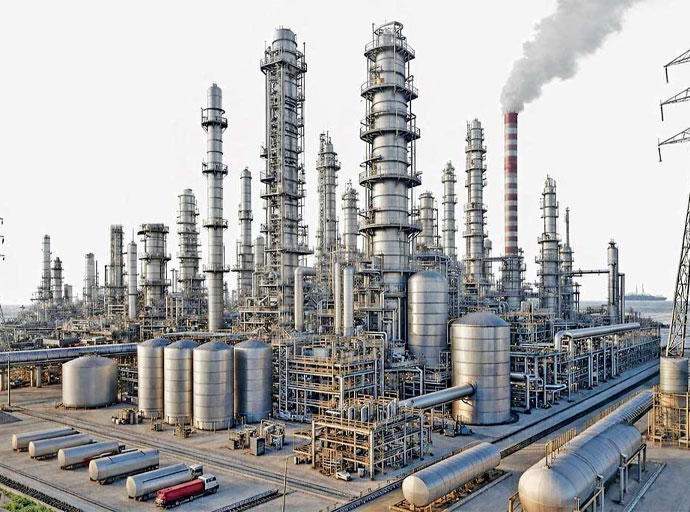
The collapse of the US$3.7 billion Sinopec refinery negotiations exposes the danger of Sri Lanka's investment strategy, raising fresh questions over energy security, foreign investment credibility, commercial bargaining and the country's ability to turn mega-project promises into economic reality.
Sri Lanka's ambitious plan to establish a 200,000-barrel-per-day oil refinery in Hambantota has hit a major roadblock following the withdrawal of China's Sinopec, exposing the fragile foundations of a project expected to transform the country's petroleum industry, generate export earnings and strengthen its strategic position in the Indian Ocean.
The setback is more than the loss of a proposed foreign investment. It represents another warning that major infrastructure projects can remain trapped in negotiations when commercial expectations, government concessions and national economic priorities fail to converge.
Sinopec reportedly withdrew after the Government refused to provide additional market access and tax concessions demanded by the company. The disagreement raises a fundamental question: how far should Sri Lanka go in offering concessions to multinational investors to secure projects that are expected to deliver long-term national economic benefits?
Although Energy Ministry officials have indicated that the Government would not face financial penalties because no formal Letter of Intent had been signed, the absence of contractual liability does not mean the country escapes the economic cost of lost time, delayed development and uncertainty.
The proposed refinery was expected to support Hambantota's industrial expansion, generate foreign exchange through petroleum exports and reduce Sri Lanka's dependence on imported refined fuel. Its suspension now places these expectations in jeopardy.
Energy Minister Anura Karunathilaka has indicated that another two months would be required to make a decision, while the Energy Ministry has maintained that only the Cabinet can formally approve the project's termination or continuation.
But the delay raises concerns over whether Sri Lanka possesses a clear, comprehensive petroleum investment strategy or is continuing to negotiate individual mega-projects without a firm national framework.
The Government is now examining alternative possibilities, including modernising and expanding the Sapugaskanda refinery, partnering with Lanka IOC through a joint venture, or inviting investors through an open public-private partnership tender.
Each option carries risks. A joint venture with an established operator could accelerate implementation by using existing infrastructure, but could also raise concerns over market dominance, domestic competition and the protection of CPC interests.
An open tender could provide greater transparency and competitive pricing, but would potentially delay construction by several years.
Meanwhile, proposals to integrate Hambantota with the China Bay Oil Tank Farm in Trincomalee and a proposed pipeline from southern India could transform Sri Lanka into a regional petroleum storage, bunkering and refining hub.
Hitherto such ambitions require billions of dollars in financing, commercially viable operating conditions, dependable infrastructure and agreements that protect national interests.
The RED ALERT is clear: Sri Lanka cannot afford another cycle of spectacular investment announcements followed by prolonged negotiations, abandoned agreements and indefinite delays.
The Government must disclose its refinery decision-making framework, establish clear investor conditions, protect public revenue and CPC interests, and demonstrate how any refinery project will contribute to foreign exchange earnings, energy security and economic recovery.
The Hambantota refinery setback is an opportunity to correct the country's investment strategy. Failure to do so could leave Sri Lanka paying the price for another lost mega-project while its petroleum import bill and foreign exchange vulnerabilities continue to weigh on the economy