
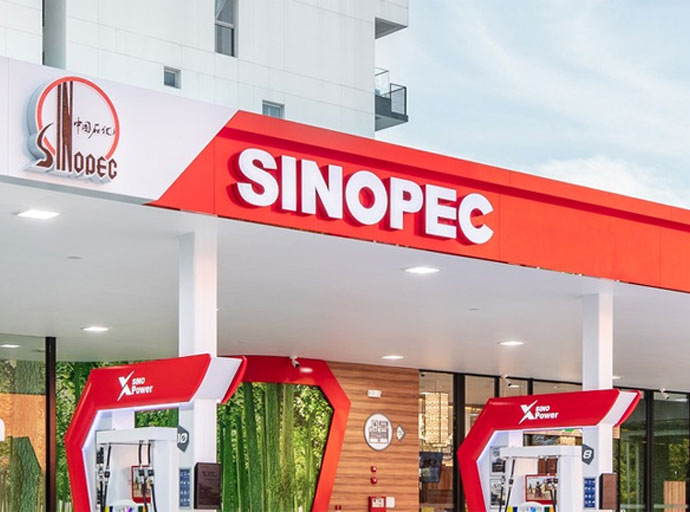
Sri Lanka's proposed USD 3.7 billion petroleum refinery investment in Hambantota faces a major setback after a Cabinet-appointed negotiating committee recommended terminating the existing agreement with Chinese petroleum giant Sinopec and inviting fresh international investment proposals.
The recommendation represents a significant development in the Government's efforts to balance the urgent need for foreign investment against the protection of national economic interests, public revenue and strategic energy infrastructure.
However, the final Cabinet decision on terminating the existing award and proceeding with a fresh investment process remains pending.
The project, originally awarded to China Petroleum and Chemical Corporation (Sinopec) following a Cabinet decision on November 27, 2023, was promoted as one of the largest foreign direct investments in Sri Lanka's history.
Valued at approximately USD 3.7 billion, the proposed facility was designed to process 200,000 barrels of crude oil daily, with most refined petroleum products intended for export markets.
The investment agreement was signed during President Anura Kumara Dissanayake's state visit to China in January 2025, raising expectations that Hambantota could emerge as a major regional petroleum processing and export centre.
But negotiations over the project's commercial conditions subsequently became increasingly difficult.
According to information surrounding the committee's deliberations, Sinopec presented ten major demands covering domestic petroleum sales, land allocation, tax holidays, foreign exchange arrangements, import exemptions, withholding taxes, electricity sales and preferential treatment for associated investors.
The Cabinet-appointed Negotiating Committee (CANC), chaired by Presidential Chief of Staff B. K. Prabhath Chandrakeerthi, rejected several significant demands.
Among the most contentious was Sinopec's reported request to secure access to up to 40 per cent of Sri Lanka's domestic petroleum market.
The committee rejected the proposal to supply petroleum products directly to local dealers or end consumers under the proposed refinery arrangement.
It also rejected the company's request for treatment equivalent to the State-owned Ceylon Petroleum Corporation's Sapugaskanda refinery, including future domestic sales provisions.
The taxation dispute was another major obstacle.
Sinopec reportedly sought Strategic Development Project status and tax holidays extending between 15 and 25 years. The committee rejected a proposed 25-year corporate income tax holiday and extensive exemptions covering dividends, interest, technical service fees and royalties.
Proposed personal income tax exemptions for expatriate employees were also rejected.
These demands assumed particular importance because Sri Lanka is implementing major revenue reforms under its US$2.9 billion International Monetary Fund-supported programme.
The Government faces continuing pressure to strengthen public revenue, maintain fiscal discipline and restore confidence following the country's economic crisis.
Granting extensive tax concessions to a major foreign investor would therefore require a careful assessment of the potential impact on national revenue.
Land allocation also emerged as a significant issue.
Although approximately 500 acres had initially been allocated in Arabokka, Sinopec reportedly sought another 200 acres near Hambantota Port.
The negotiating document identifies disagreements involving a proposed 99-year lease arrangement covering approximately 700 acres and the possible removal of a one per cent State royalty payment.
Environmental compliance and the financial responsibilities associated with controlling industrial emissions near southern coastal ecosystems also became matters of disagreement.
The committee did not, however, reject every investor request. It accepted certain proposals involving additional land, import exemptions, associated investors' rights and other concessions.
This indicates that the negotiations involved attempts to accommodate the investment while maintaining limits on conditions considered contrary to Sri Lanka's financial and strategic interests.
Following the communication of its earlier negotiating position in February 2026, Sinopec reiterated its position in a letter dated March 15, 2026.
The committee subsequently concluded that the project could not proceed under the prevailing conditions and recommended terminating the November 2023 award.
The recommendation could open the way for a fresh international Request for Proposals process, potentially attracting alternative investors and more competitive commercial arrangements.
The Government now faces a crucial decision: whether to proceed with termination and establish a new framework capable of securing the investment benefits originally expected from Hambantota.
For Sri Lanka, the outcome will have implications far beyond one refinery project. It will demonstrate whether the country can welcome major international investors while protecting its fiscal interests, domestic energy security and sovereign decision-making.