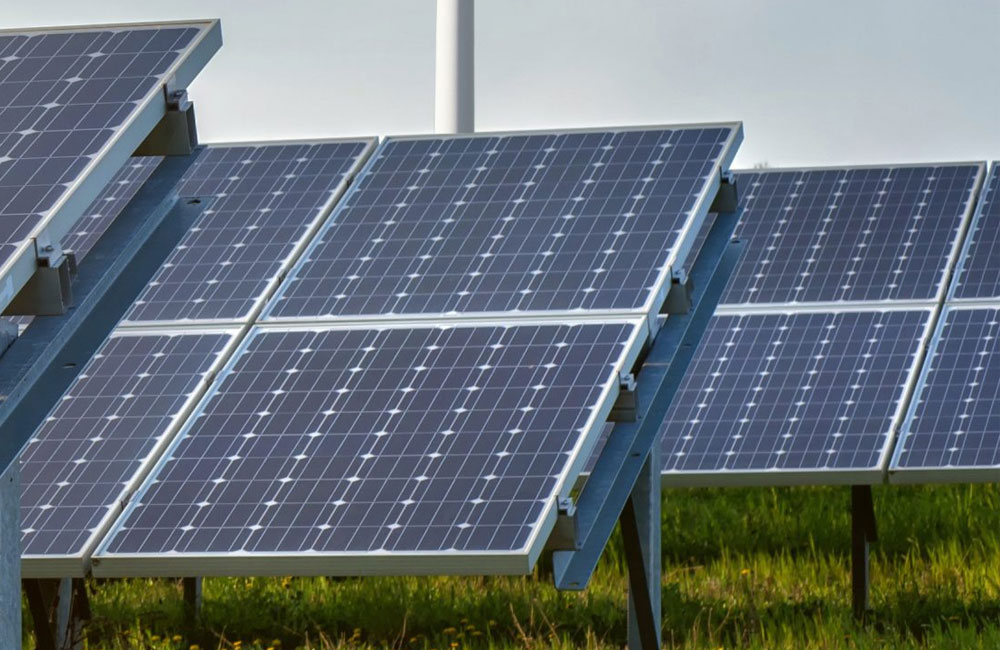
Reports that new solar power applications have been suspended have brought the government's renewable energy policy under sharp scrutiny.
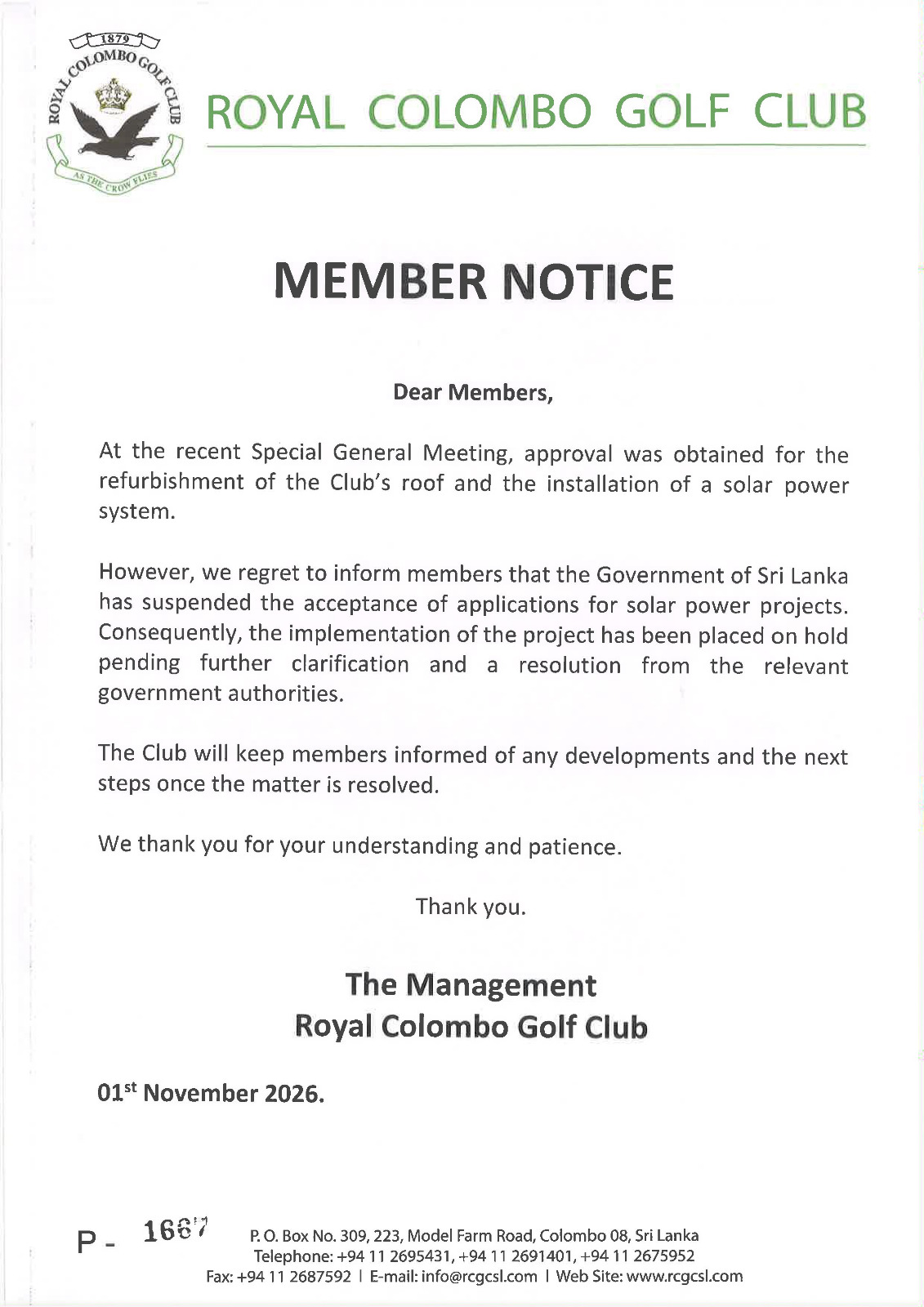
The United National Party (UNP) working committee member Dinouk Colombage raised the issue after the Royal Colombo Golf Club informed its membership on 01 November that its planned rooftop solar initiative had been halted on state instructions.
This development occurred following management attempts to carry out pre-approved roof refurbishments and solar installations.
Colombage questioned if the administration was abandoning the target to generate 70 per cent of electricity from renewable sources by 2030, a goal established under former President Ranil Wickremesinghe.
He stressed that private sector investment remains vital for expanding green capacity across the island.
Grid capacity limits
The National System Operator revealed that Sri Lanka's installed solar capacity exceeded 3,070 megawatts by September 2026, including over 2,542 megawatts of rooftop installations.
It noted that solar power currently generates between 15 per cent and 25 per cent of daily electricity needs based on weather conditions.
The operator explained that rooftop solar additions planned for 2026 were surpassed ahead of schedule, necessitating temporary monitoring of approvals to prevent national grid instability.
It confirmed that applications under the Net Plus scheme would proceed while zero export connections remain exempt from restrictions. These developments follow September directives from the
Ministry of Energy that discontinued Net Metering and Net Accounting for new rooftop setups, transitioning all new agreements strictly to Net Plus.
Industry concerns over investment targets
Industry leaders warned that abandoning previous rooftop solar frameworks risks discouraging prospective investors, disrupting business operations, and threatening employment.
The Sri Lanka Sustainable Energy Authority said that integrating roughly 600 megawatts of fresh solar capacity annually is essential to achieve the national 2030 target.
Meeting these objectives requires parallel investments in battery energy storage alongside grid infrastructure modernisations.
Confusion surrounding the Royal Colombo Golf Club suspension underlines growing demands for policy transparency from energy authorities.
Stakeholders say that official clarity is needed to determine whether recent delays reflect deliberate investment curbs or a misinterpretation of existing rules.
Leave your comments
Login to post a comment
Post comment as a guest