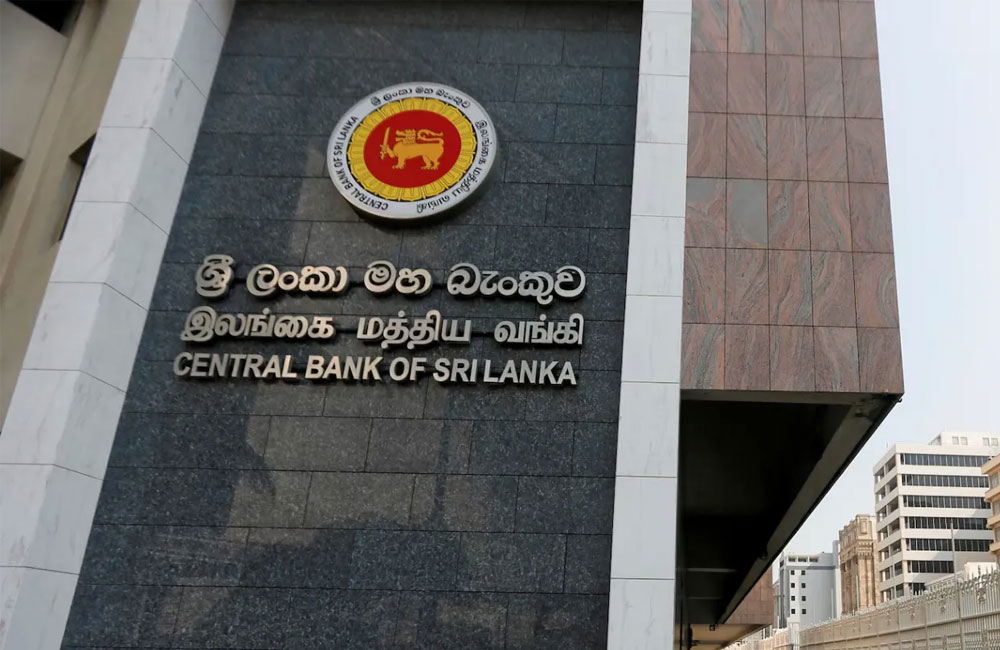
Sri Lanka faces the threat of accelerated domestic inflation if international crude oil prices remain elevated over an extended period, Central Bank Governor Dr. Nandalal Weerasinghe said.
He made these remarks during a joint Colombo Stock Exchange and Securities and Exchange Commission institutional investor forum in Colombo this week.
The statement comes as headline consumer price inflation held at a 40-month high of 8.1 per cent in September, largely driven by surging energy costs.
Under state-owned Ceylon Petroleum Corporation adjustments following Middle East geopolitical conflicts, domestic retail fuel prices have surged by approximately 50 per cent.
Governor Weerasinghe said that monetary authorities had initially projected crude prices to stabilise around 90 dollars per barrel by late 2026, though actual market rates have consistently exceeded those estimates.
While the monetary authority maintains that inflation can be contained near current levels even if crude averages 100 dollars per barrel, a prolonged price shock will inevitably pass through supply chains to raise headline consumer figures.
Monetary policy, the Governor emphasised, targets demand-side pressures rather than external supply-side shocks.
Because Sri Lanka relies heavily on imported fossil fuels to drive thermal power generation, freight transport, and agriculture, rising crude import bills filter directly into production costs.
Under strict International Monetary Fund conditions attached to its USD 3 billion External Fund Facility, the state can no longer absorb these costs through subsidies, leaving businesses to pass higher freight and energy expenses onto household consumers.
Leave your comments
Login to post a comment
Post comment as a guest