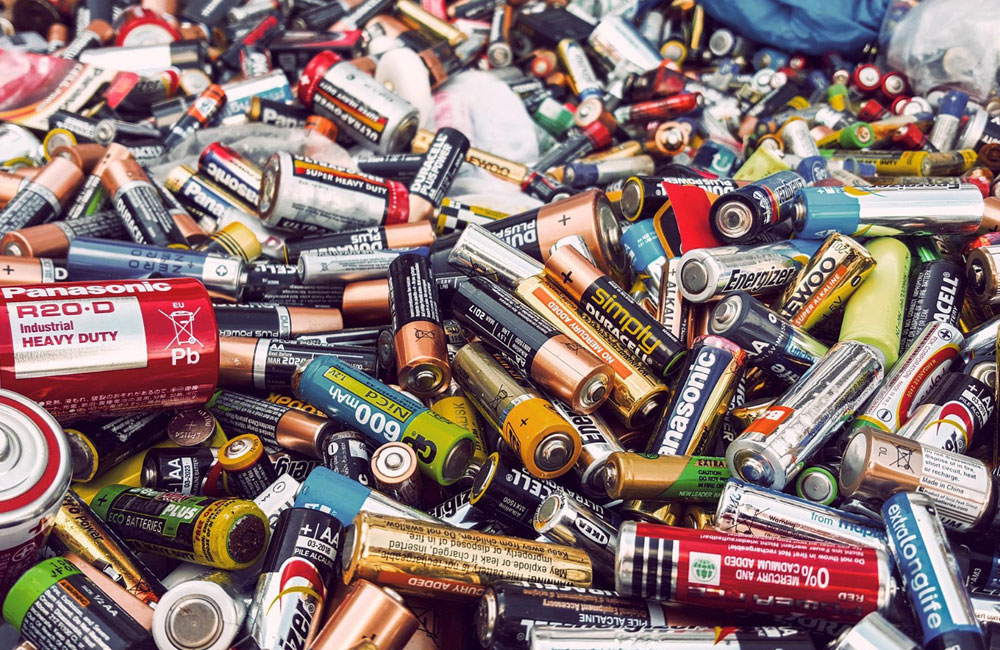
Environmental watchdogs have warned that over 5,000 metric tonnes of highly toxic sulphuric acid could be leaking into Sri Lanka’s ecosystems annually due to unregulated battery recycling practices.
The Centre for Environmental Justice (CEJ) issued the urgent warning following reports that more than 2,000 lead-smelting plants are operating nationwide without proper environmental safeguards or licensing oversight.
Experts highlighted that hazardous waste from battery recycling contains lead, cadmium, and arsenic, which pose severe health risks to workers and nearby populations.
Medical evidence indicates that no level of lead exposure is safe, with children facing permanent cognitive damage while adults risk cardiovascular and renal diseases.
The warning was delivered during events held between 18 and 24 October as part of global lead poisoning prevention awareness week.
Organisers conducted outreach sessions for schoolchildren and municipal waste workers in Kolonnawa, while experts held online panel discussions on national battery waste management.
Environmentalists warned that current licensing procedures fail to address toxic runoff, allowing hazardous chemicals to contaminate surrounding soil and water sources.
In addition to battery recycling, improper electronic waste disposal and unmonitored industrial discharges continue to spread heavy metals across the country.
Advocates urged authorities to establish a formal collection framework, enforce strict regulatory oversight, and align national policies with global chemical trade conventions.
Leave your comments
Login to post a comment
Post comment as a guest