National development must be evaluated through citizen well-being and overall quality of life rather than physical infrastructure construction or standalone economic growth metrics, according to a senior academic.
Prof. Pradeep N. Weerasinghe of the University of Colombo Department of Journalism stated that sustainable development strategy in developing countries like Sri Lanka requires prioritising human happiness, personal freedom, and institutional integrity over traditional capital projects.
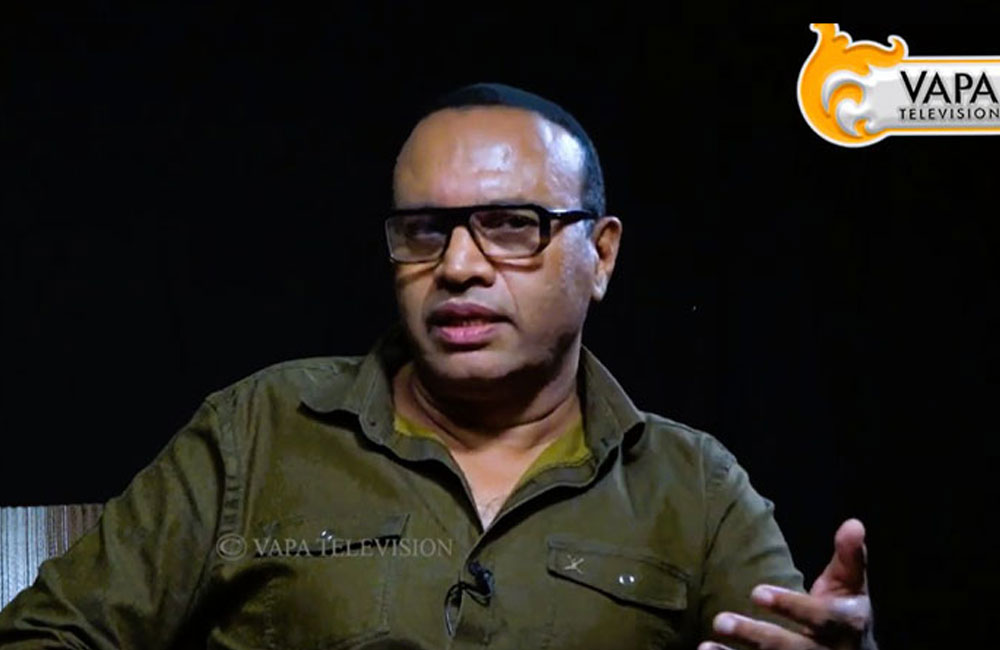
During a national television current affairs program hosted by journalist Mangala Jayamanna, Prof. Weerasinghe explained that international standards increasingly measure societal advancement using broad social indicators such as Gross National Happiness instead of relying solely on gross domestic product figures.
He noted that fundamental human needs, including fair access to quality education, healthcare services, civil liberties, and environmental protection, form the real foundation of genuine national advancement.
Addressing past economic policies, the academic pointed out that Sri Lanka’s post-war strategy suffered from a fundamental misalignment between state spending and grassroots priorities.
He observed that while rural populations continue to experience severe deficiencies in drinking water supplies, adequate school infrastructure, and essential pharmaceuticals in public hospitals, successive governments channeled substantial funds into low-utility transport hubs and ostentatious commercial developments.
He noted that political elites repeatedly favored multi-billion rupee megaprojects to achieve short-term political visibility and financial kickbacks instead of addressing community needs.
Furthermore, Prof. Weerasinghe highlighted the dangers of long-term reliance on international credit facilities, foreign loans, and bailout programs without establishing a self-sustaining productive economy.
He explained that systemic administrative corruption combined with a lack of government transparency has broken public trust in state institutions, creating a climate of social uncertainty that hinders economic growth.
He called on national policymakers to examine international models that emphasise rigorous anti-corruption mechanisms, natural resource management, and human resource investments to establish a tailor-made national policy framework for Sri Lanka.
Leave your comments
Login to post a comment
Post comment as a guest